
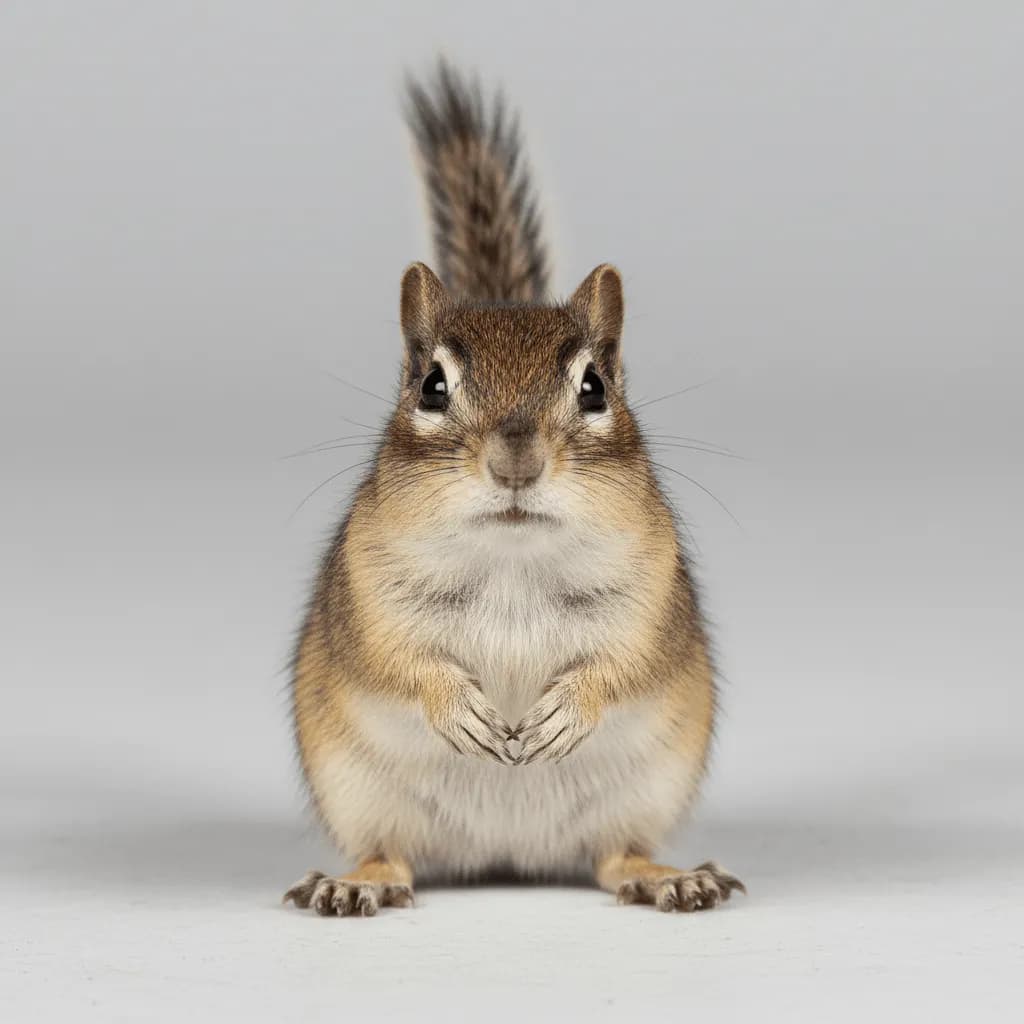
Least Chipmunk
Neotamias minimus
Also known as: Western Chipmunk
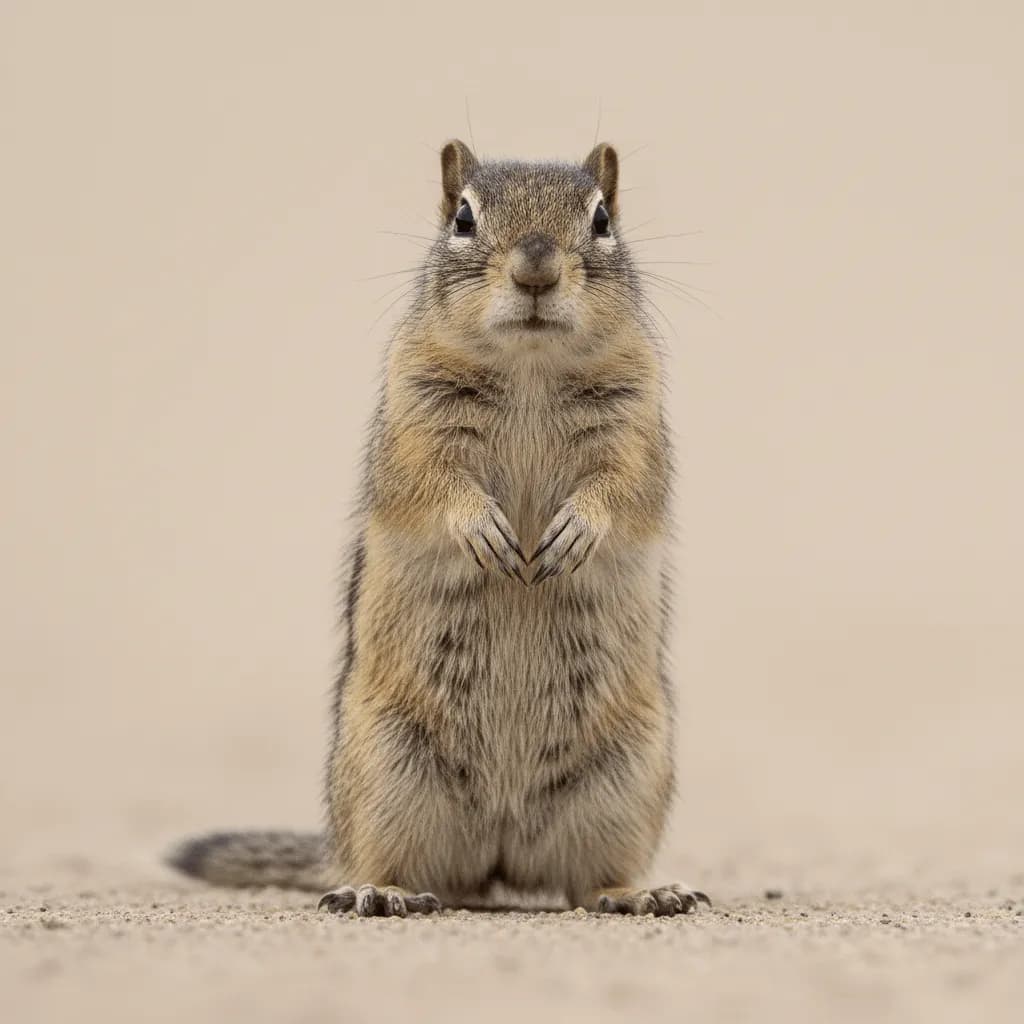
The Least Chipmunk is the smallest chipmunk in North America, found across western and northern regions from sagebrush flats to mountain forests. It burrows near cabin foundations and outbuildings in mountain and rural settings. While less commonly encountered in urban areas than the eastern chipmunk, it is a frequent nuisance at mountain homes and campgrounds.
Identification
Size
90-110 mm body; tail adds 70-90 mm
Color
Gray-brown to yellowish with five dark and four light dorsal stripes; stripes extend across the face; pale underside
Key Trait
Smallest North American chipmunk; proportionally longer tail carried upright while running; more variable coloring than eastern chipmunk; found in western and northern habitats.
Behavior & Habitat
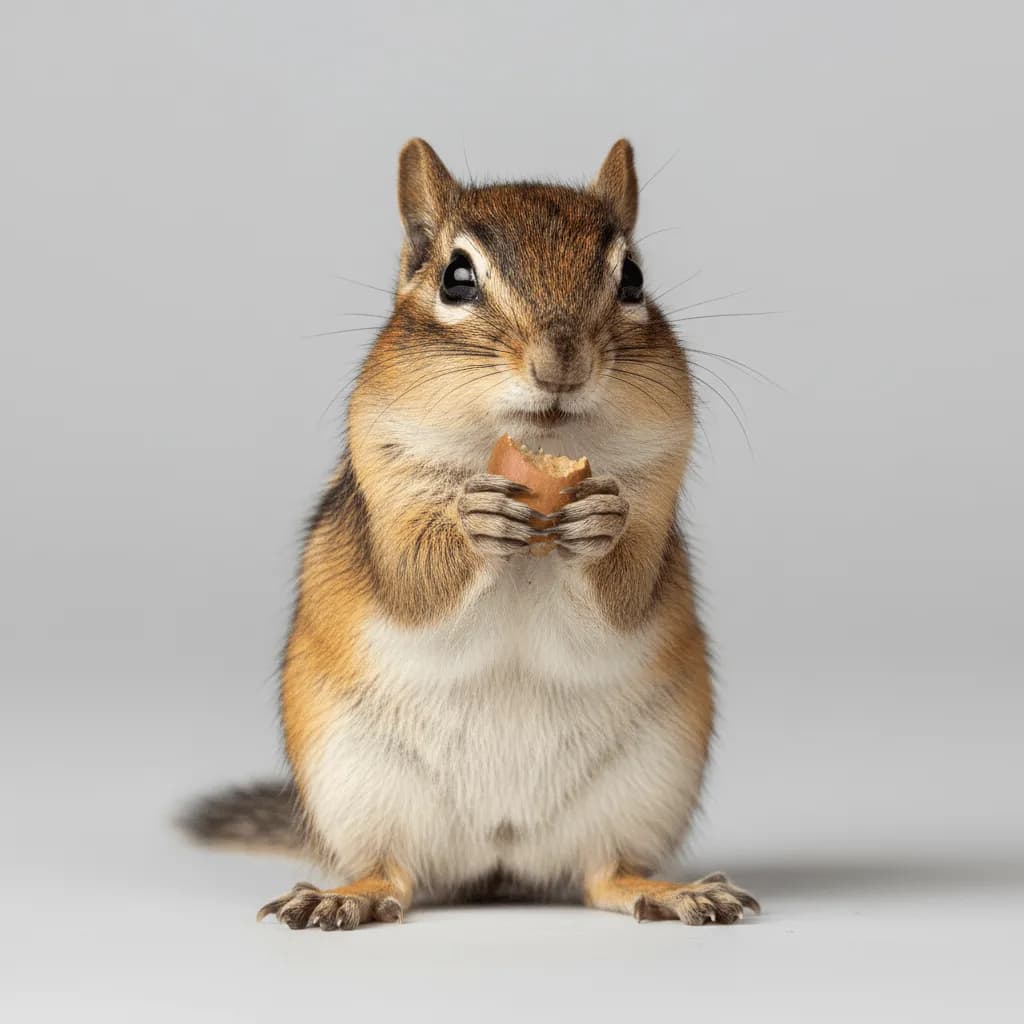
Diurnal. More arboreal than the eastern chipmunk, frequently climbing shrubs and small trees. Carries tail upright while running. Hibernates in winter in northern areas; remains active year-round in milder parts of its range. Caches seeds and nuts in burrow systems.
Habitat: Sagebrush flats, alpine meadows, coniferous forests, forest edges, and mountain cabins. Burrows in rocky areas, under logs, and along foundations.
Diet: Seeds, berries, nuts, insects, and fungi. Readily exploits campground food scraps and birdseed.
Signs of Infestation
- Small burrow openings in rocky soil near cabin foundations or outbuildings
- Tiny, striped chipmunks running along stone walls or woodpiles with tails held upright
- Chewing damage to stored food in cabins, garages, or sheds
Risks & Damage
Burrows near foundations can cause minor settling and erosion, particularly in loose, rocky mountain soils.
Carries fleas that may transmit plague (Yersinia pestis), particularly in the western U.S.
Raids stored food in cabins and outbuildings; gnaws on wiring and insulation.
Prevention Tips
- 1.Store food in sealed containers in mountain cabins and outbuildings
- 2.Seal gaps around cabin foundations with hardware cloth
- 3.Remove woodpiles and rock piles from directly adjacent to structures
Why DIY Treatment Often Falls Short
Least chipmunks are small enough to exploit tiny gaps homeowners overlook. Mountain and rural settings present many more potential entry points than suburban homes. Populations are dense in favorable habitat, and new individuals quickly colonize vacated territories.
Professional Treatment
Professionals conduct comprehensive gap sealing and install exclusion barriers around cabin foundations. Trapping programs target established populations. Food-storage recommendations are provided to reduce attractants.
Frequently Asked Questions
How small is a least chipmunk?
Do least chipmunks carry plague?
Can they get inside my cabin?
Need Help With Least chipmunk?
If you're seeing signs of least chipmunk in or around your home, professional treatment is the fastest way to stop the problem. Lotus Pest Control offers free inspections to identify the issue and recommend the right solution.
At a Glance
- Category
- Wildlife
- Scientific Name
- Neotamias minimus
- Size
- 90-110 mm body; tail adds 70-90 mm
- Color
- Gray-brown to yellowish with five dark and four light dorsal stripes; stripes extend across the face; pale underside
- Key Trait
- Smallest North American chipmunk; proportionally longer tail carried upright while running; more variable coloring than eastern chipmunk; found in western and northern habitats.
- Regions
- Mountain West, Great Plains, Pacific Northwest, West Coast, Midwest, Southwest
- Threat Level
- Low
- Risk Types
- healthnuisancestructural
- Seasonal Activity
- MarAprMayJunJulAugSepOctNovDecJanFebnonelowmoderatehighpeak