
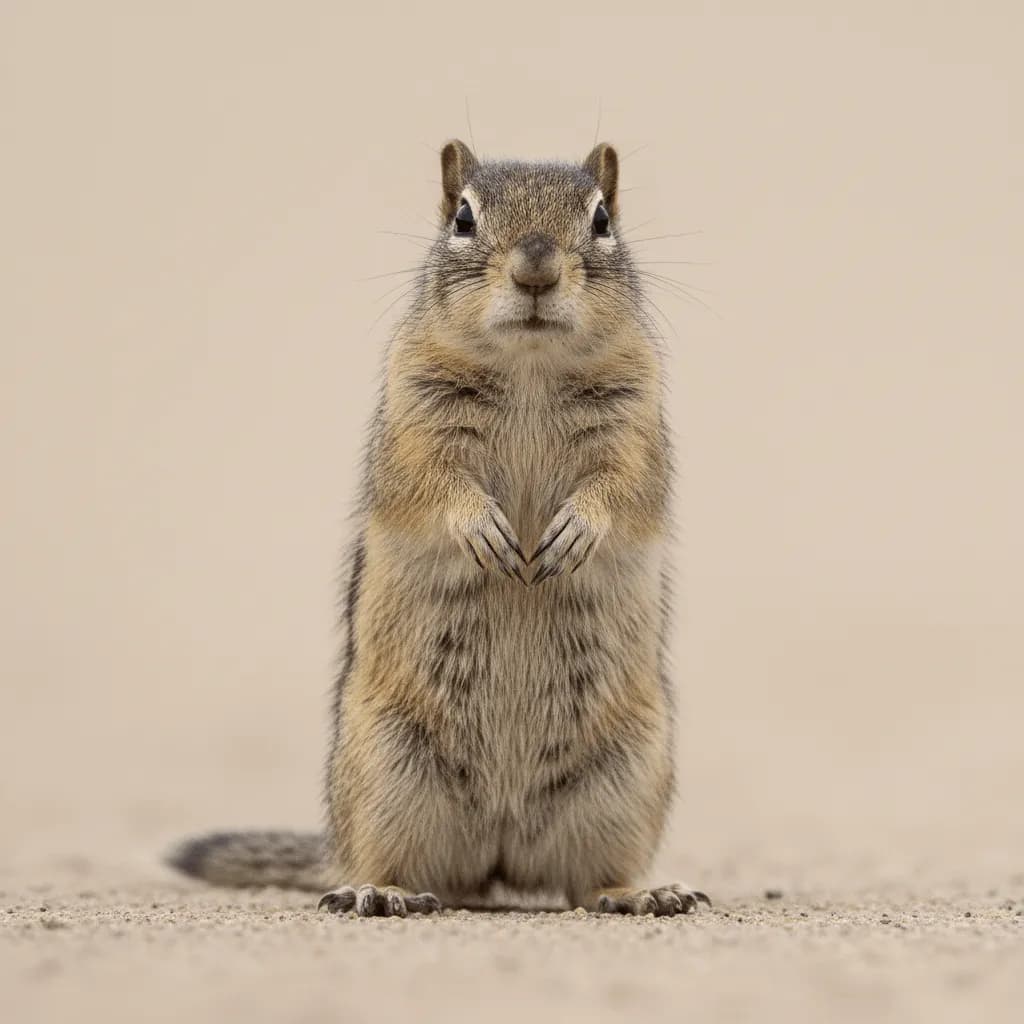
Thirteen-Lined Ground Squirrel
Ictidomys tridecemlineatus
Also known as: Striped Gopher, Federation Squirrel, Leopard Ground Squirrel
The Thirteen-Lined Ground Squirrel is a burrowing squirrel of open grasslands, lawns, golf courses, and agricultural fields across the central United States. Its extensive tunnel systems can undermine foundations, sidewalks, and landscaping. It is a true hibernator, spending October through March underground.
Identification
Size
170-190 mm body; tail adds 60-130 mm
Color
Brown with 13 alternating dark-brown and tan stripes running along the back; light spots within the dark stripes
Key Trait
Distinctive pattern of 13 alternating longitudinal stripes with light spots within the dark stripes; slender build; relatively short tail compared to tree squirrels.
Behavior & Habitat
Diurnal and solitary. Digs burrow systems with multiple entrances. True hibernator - enters deep torpor from October through March. Forages on open, short-grass areas and is often seen standing upright on hind legs scanning for predators.
Habitat: Prairies, pastures, golf courses, cemeteries, well-mowed lawns, athletic fields, and agricultural margins. Prefers short vegetation with good visibility.
Diet: Seeds, grasses, clover, insects (grasshoppers, caterpillars, beetles), and occasionally small vertebrates and carrion.
Signs of Infestation
- Small, clean burrow openings (about 5 cm diameter) in lawns or along sidewalks and foundations
- Raised ridges and uneven turf from shallow tunneling just below the surface
- Small, striped squirrels standing upright on hind legs in open lawn areas
Risks & Damage
Burrow systems create unsightly holes and uneven turf in lawns, golf courses, and athletic fields.
Burrows beneath sidewalks, driveways, and foundations can cause cracking and settling.
Feeds on grain crops and garden vegetables.
Prevention Tips
- 1.Maintain taller grass or ground cover to make the area less appealing
- 2.Install hardware cloth barriers around garden beds
- 3.Remove brush piles and debris that provide cover near burrow areas
Why DIY Treatment Often Falls Short
Burrow systems are extensive with multiple entrances; filling one opening simply causes the squirrel to use or create another. Poisons are restricted in many areas due to risk to non-target species.
Professional Treatment
Professionals use targeted trapping programs and burrow fumigation where permitted. Habitat modification - allowing grass to grow taller - reduces attractiveness. Exclusion barriers protect specific high-value areas.
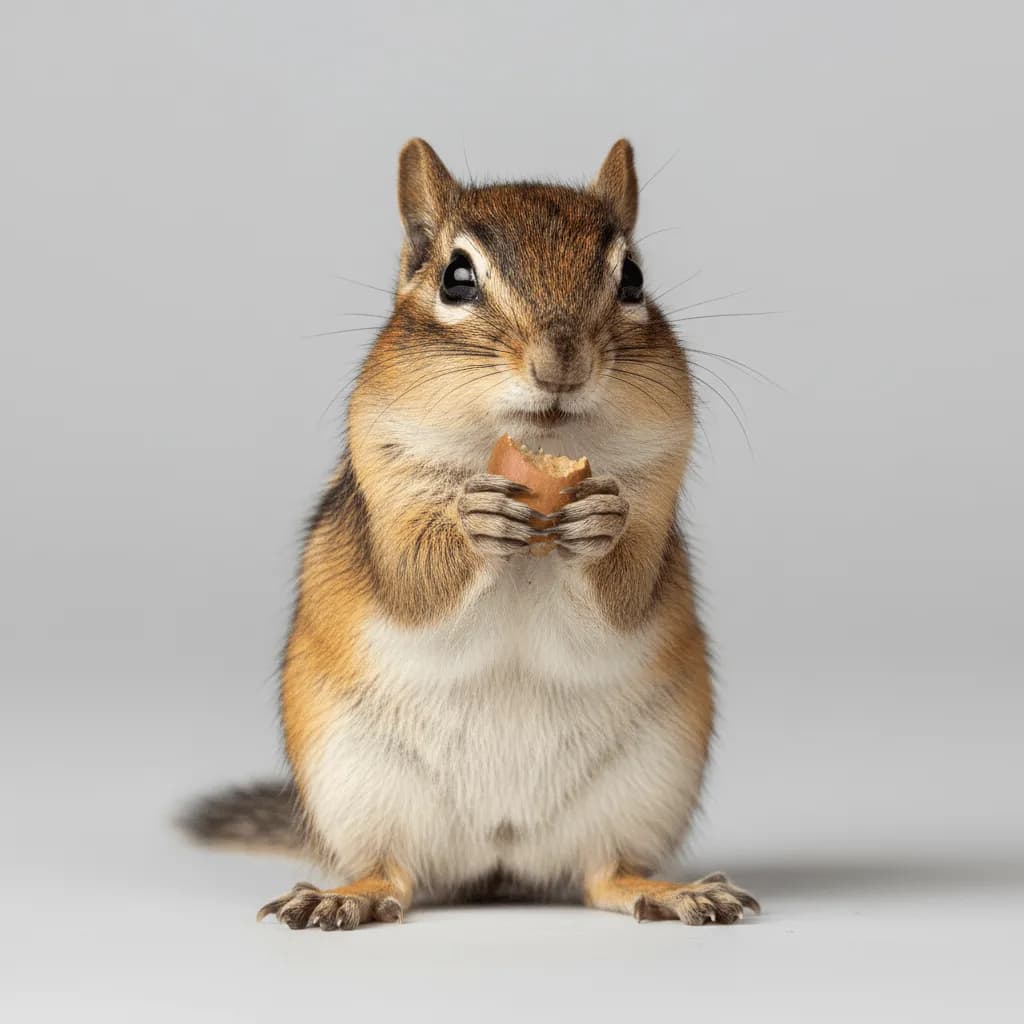
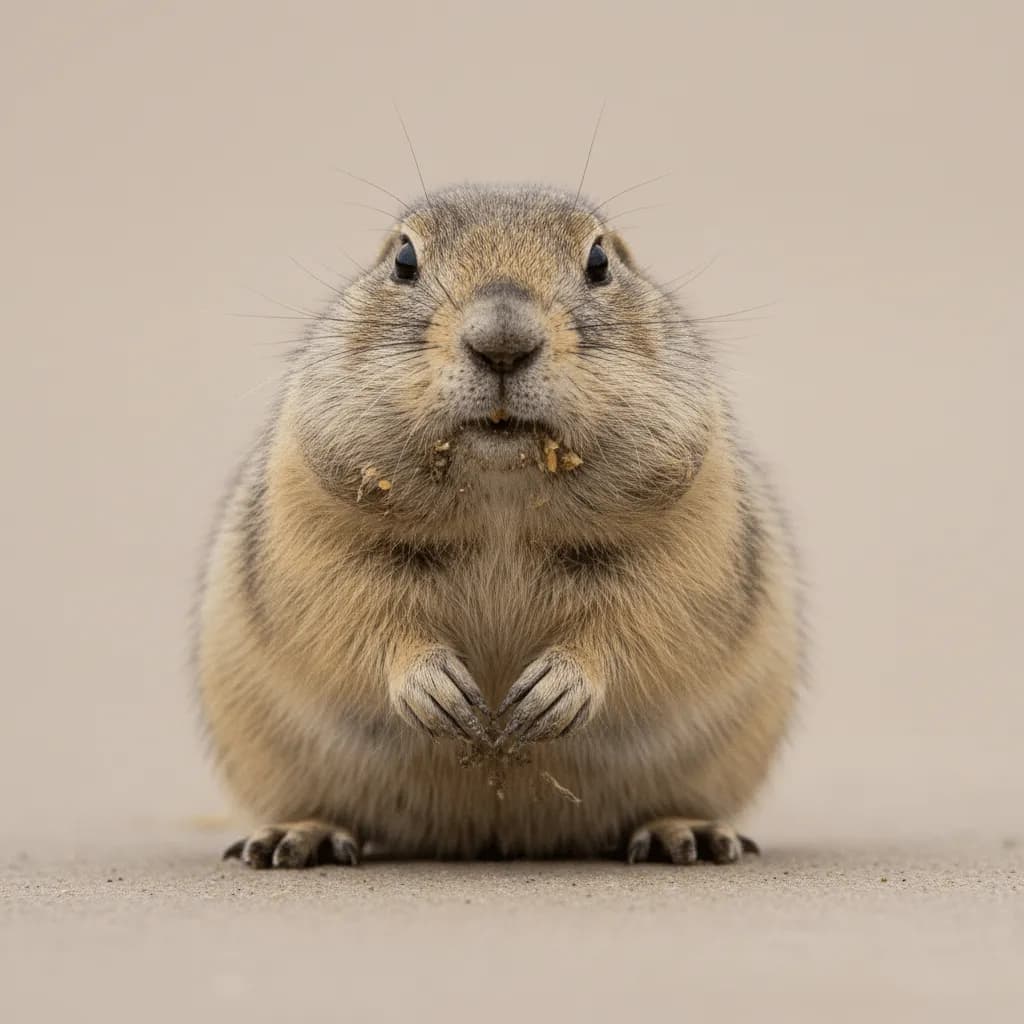
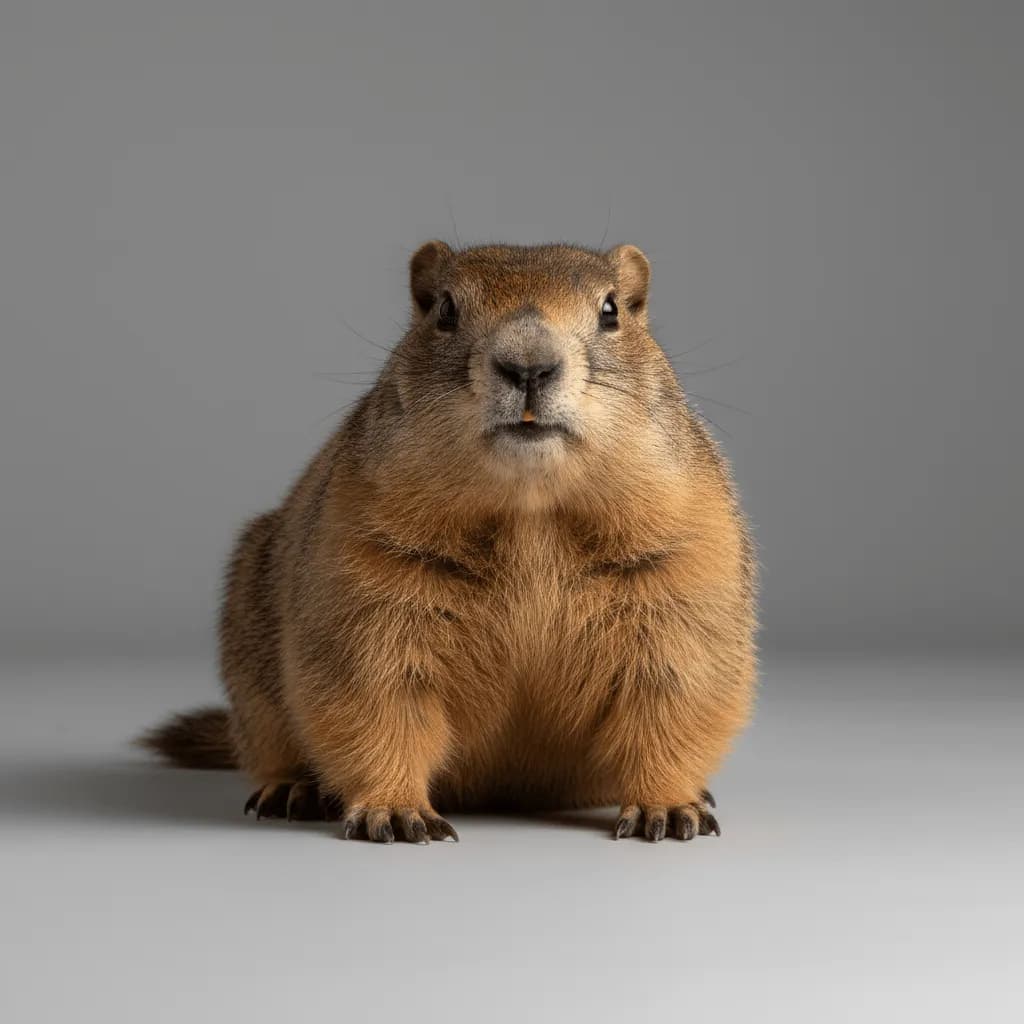
Frequently Asked Questions
Are these the same as chipmunks?
Do they hibernate?
Will they damage my garden?
Need Help With Thirteen-lined ground squirrel?
If you're seeing signs of thirteen-lined ground squirrel in or around your home, professional treatment is the fastest way to stop the problem. Lotus Pest Control offers free inspections to identify the issue and recommend the right solution.
At a Glance
- Category
- Wildlife
- Scientific Name
- Ictidomys tridecemlineatus
- Size
- 170-190 mm body; tail adds 60-130 mm
- Color
- Brown with 13 alternating dark-brown and tan stripes running along the back; light spots within the dark stripes
- Key Trait
- Distinctive pattern of 13 alternating longitudinal stripes with light spots within the dark stripes; slender build; relatively short tail compared to tree squirrels.
- Regions
- Great Plains, Midwest, Mountain West
- Threat Level
- Low
- Risk Types
- lawnstructuralagricultural
- Seasonal Activity
- MarAprMayJunJulAugSepOctNovDecJanFebnonelowmoderatehighpeak