
Squirrels
Squirrels are one of the most common wildlife nuisance species, frequently entering attics, soffits, and wall voids to nest and raise young. Eastern gray squirrels and fox squirrels are the most commonly encountered pest species. They gain access through gaps at rooflines, gable vents, soffit intersections, and construction gaps, often enlarging small openings by gnawing. Once inside, they build nests from insulation, fabric, and other materials, and their gnawing on electrical wiring creates a serious fire hazard. They are protected in most states, requiring humane exclusion methods.
Species in This Group (5)
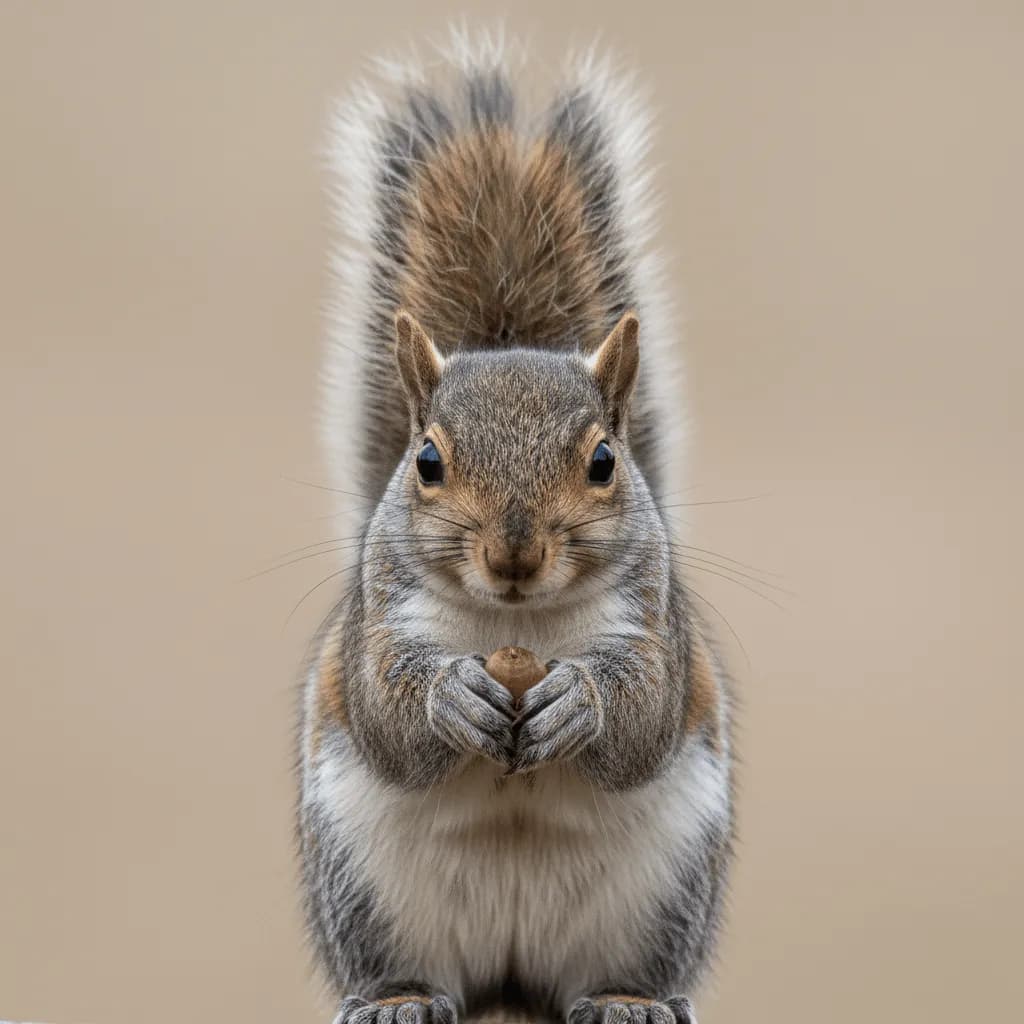
Eastern Gray Squirrel
Sciurus carolinensis
The Eastern Gray Squirrel is the most common tree squirrel in the eastern United States and one of the most frequent wildlife nuisances in residential areas.
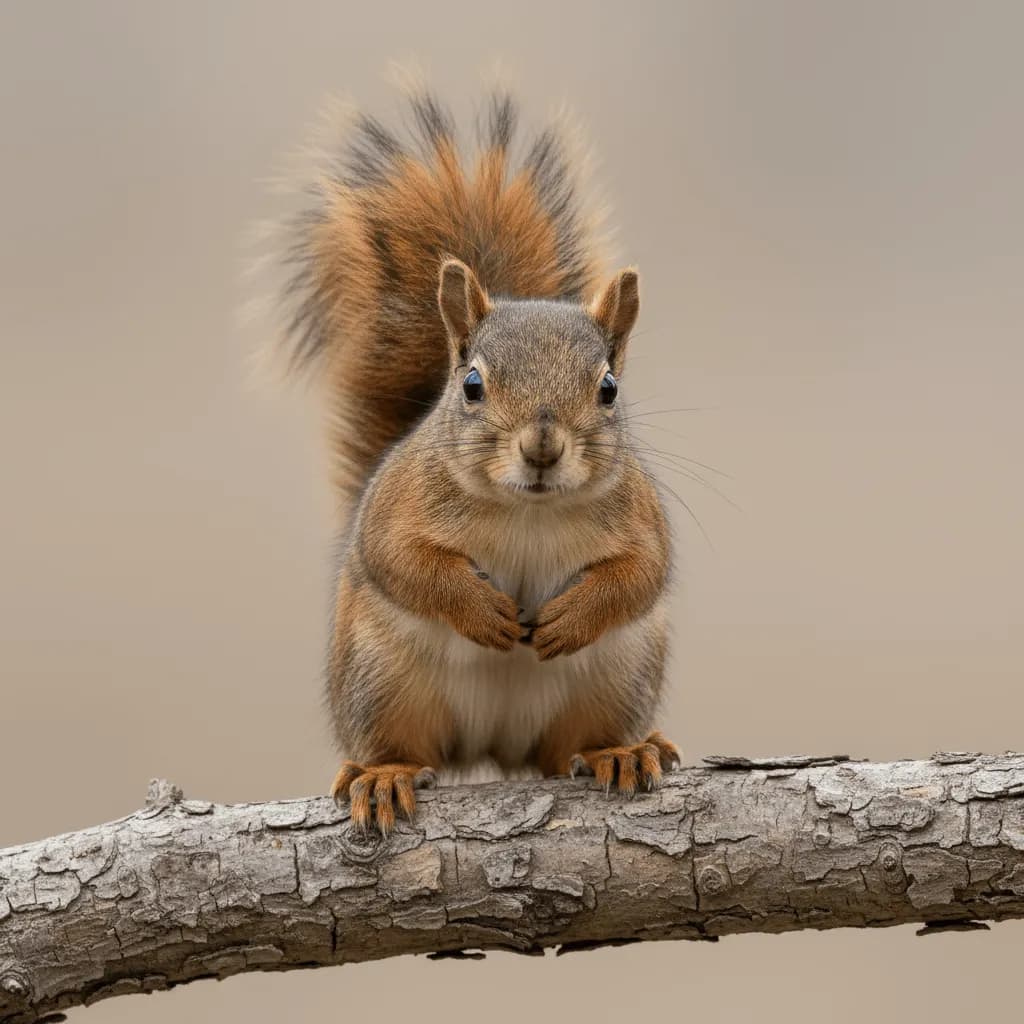
Fox Squirrel
Sciurus niger
The Fox Squirrel is the largest native tree squirrel in North America.
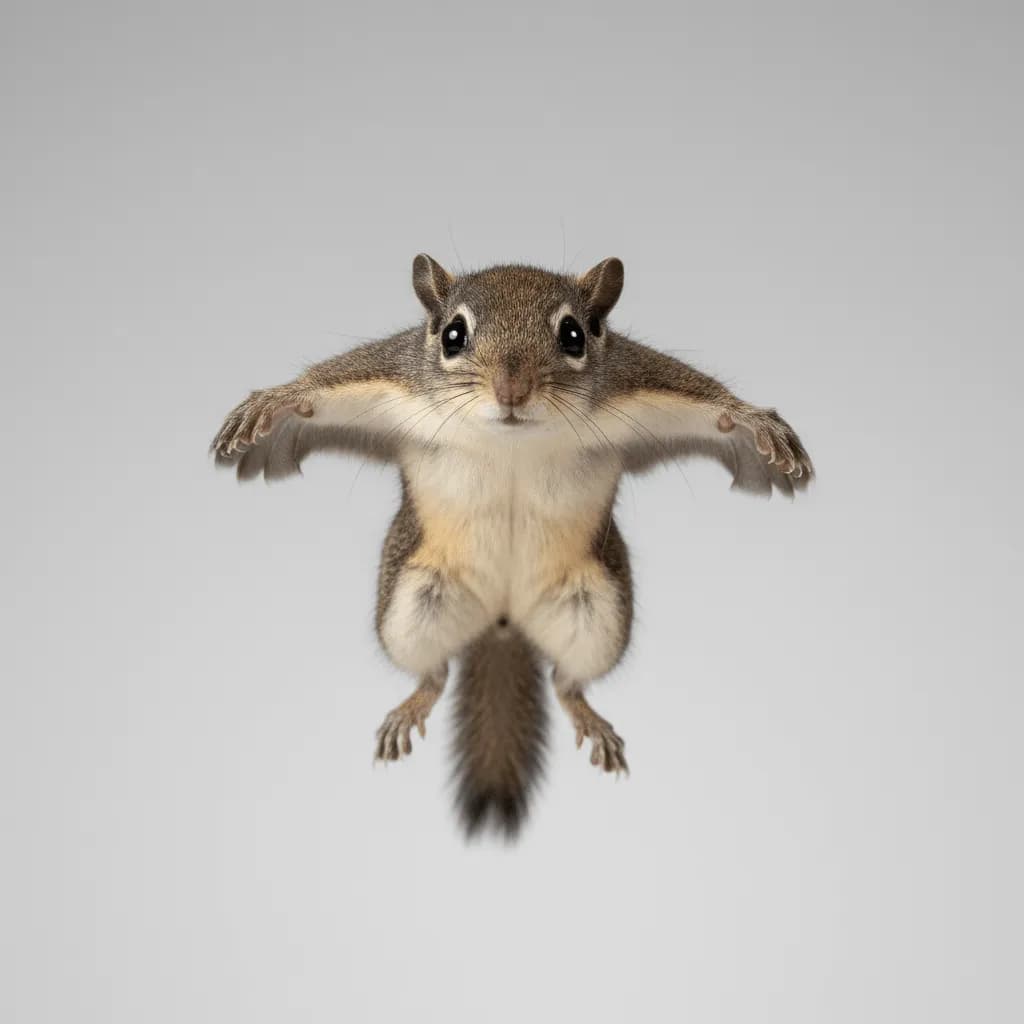
Flying Squirrel
Glaucomys volans
The Southern Flying Squirrel is a nocturnal glider that frequently colonizes attics in large numbers.
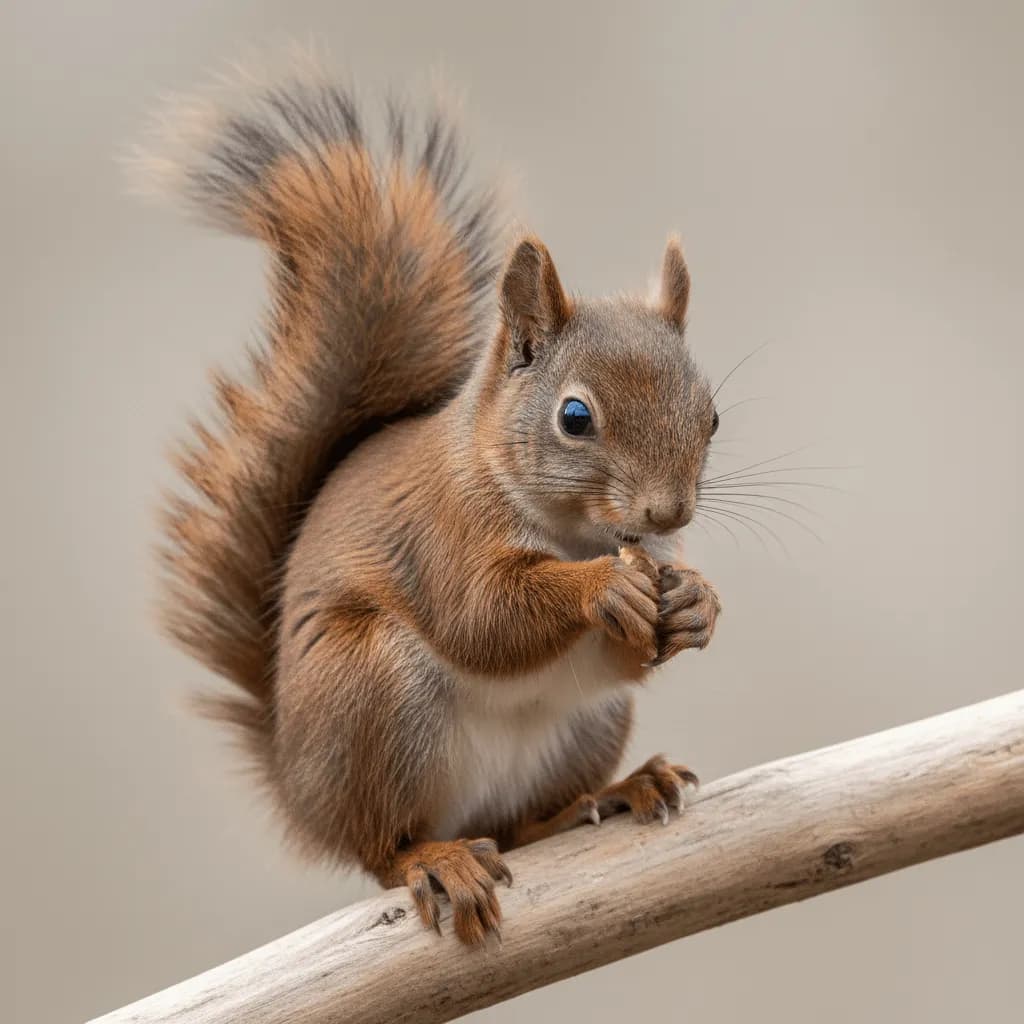
Red Squirrel
Tamiasciurus hudsonicus
The Red Squirrel is a small, vocal, and highly territorial tree squirrel found across northern forests and mountain regions.
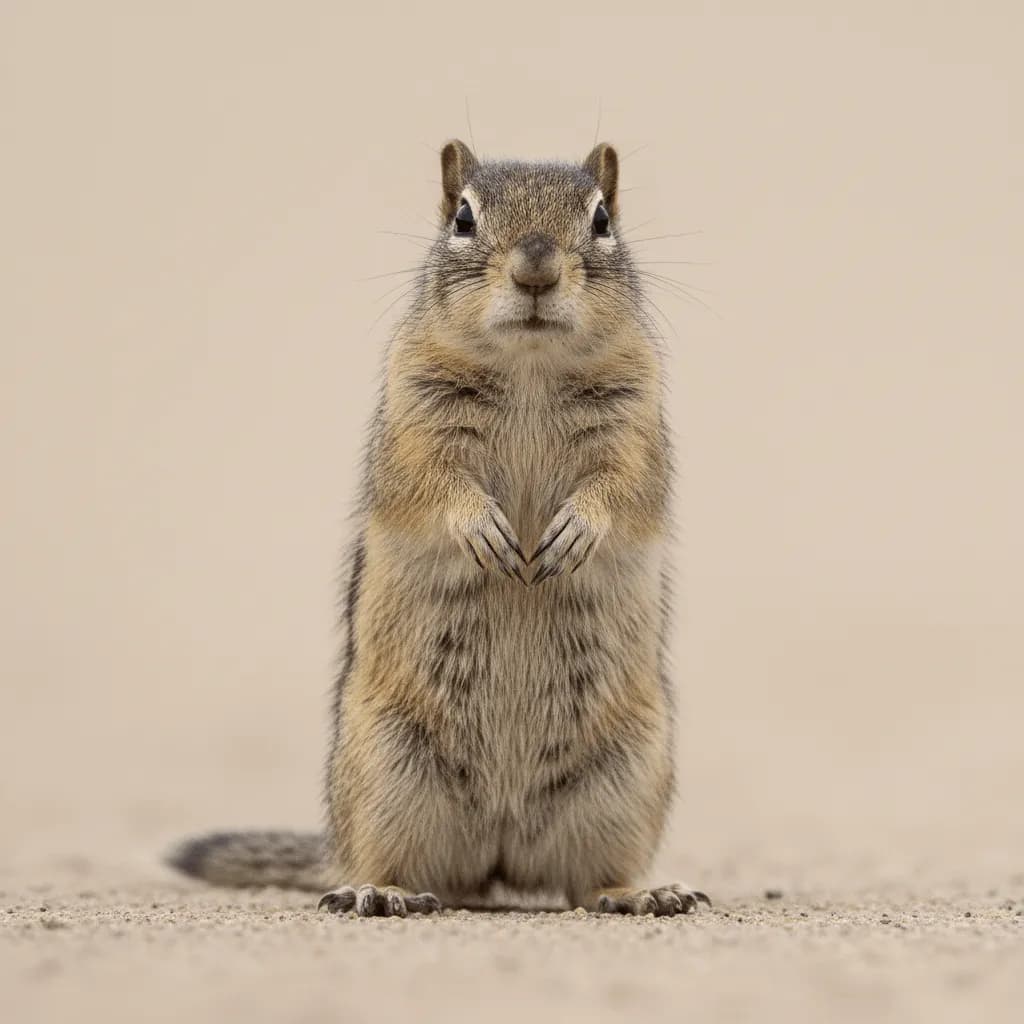
Thirteen-Lined Ground Squirrel
Ictidomys tridecemlineatus
The Thirteen-Lined Ground Squirrel is a burrowing squirrel of open grasslands, lawns, golf courses, and agricultural fields across the central United States.
Key Behaviors
Squirrels are diurnal and most active in the morning and late afternoon. They cache food for winter and maintain multiple nest sites. They commonly enter attics in late fall for winter shelter and again in spring for birthing. Their constant gnawing can damage fascia, soffits, wiring, and plumbing. They are agile climbers and jumpers, able to access roofs from overhanging branches, power lines, and adjacent structures.
Risks & Concerns
Squirrel gnawing on electrical wiring is a documented cause of structure fires. They damage insulation, soffits, and fascia when creating entry points and nesting areas. Their droppings and urine accumulate in attic spaces, creating odor and sanitation concerns. Baby squirrels occasionally fall into wall voids and die, causing odor issues. Exclusion must be timed to avoid trapping dependent young inside the structure.
Quick Comparison
| Species | Size | Color | Key Trait |
|---|---|---|---|
| Eastern Gray Squirrel | 230-300 mm body; tail adds 190-250 mm | Gray with a white to pale-gray underside; occasional rusty or brownish tones on face and flanks | Bushy gray tail with white-tipped hairs; large, conspicuous ears without tufts; very comfortable around humans in urban settings. |
| Fox Squirrel | 250-380 mm body; tail adds 200-330 mm | Highly variable - rusty orange, gray-brown, or black depending on region; belly typically orange or yellowish | Largest North American tree squirrel; square-shaped face; orange-tinted belly and tail edges distinguish it from the gray squirrel. |
| Flying Squirrel | 120-140 mm body; tail adds 80-120 mm | Soft gray-brown above with a creamy-white underside; large, dark eyes | Loose flap of skin (patagium) between front and hind legs enabling gliding; very large dark eyes adapted for nocturnal activity; much smaller than other tree squirrels. |
| Red Squirrel | 170-200 mm body; tail adds 130-160 mm | Rusty red to olive-red above with a bright white underside; often a distinct black lateral stripe between belly and back in summer | Small size with vivid rusty-red fur; loud, chattering vocalizations; white eye ring; black side stripe visible in summer pelage. |
| Thirteen-Lined Ground Squirrel | 170-190 mm body; tail adds 60-130 mm | Brown with 13 alternating dark-brown and tan stripes running along the back; light spots within the dark stripes | Distinctive pattern of 13 alternating longitudinal stripes with light spots within the dark stripes; slender build; relatively short tail compared to tree squirrels. |
Need Help With Squirrels?
If you're seeing signs of squirrels in or around your home, professional treatment is the fastest way to stop the problem. Lotus Pest Control offers free inspections to identify the issue and recommend the right solution.