

Gopher
Geomys bursarius
Also known as: Pocket Gopher, Plains Pocket Gopher
Pocket gophers are fossorial rodents that spend nearly their entire lives underground in extensive tunnel systems. They create distinctive fan-shaped or crescent-shaped soil mounds and can destroy lawns, gardens, underground utility lines, and irrigation systems. A single gopher can create 30-50 mounds per month and tunnel through 60 meters or more of soil.
Identification
Size
180-300 mm body; tail adds 50-100 mm
Color
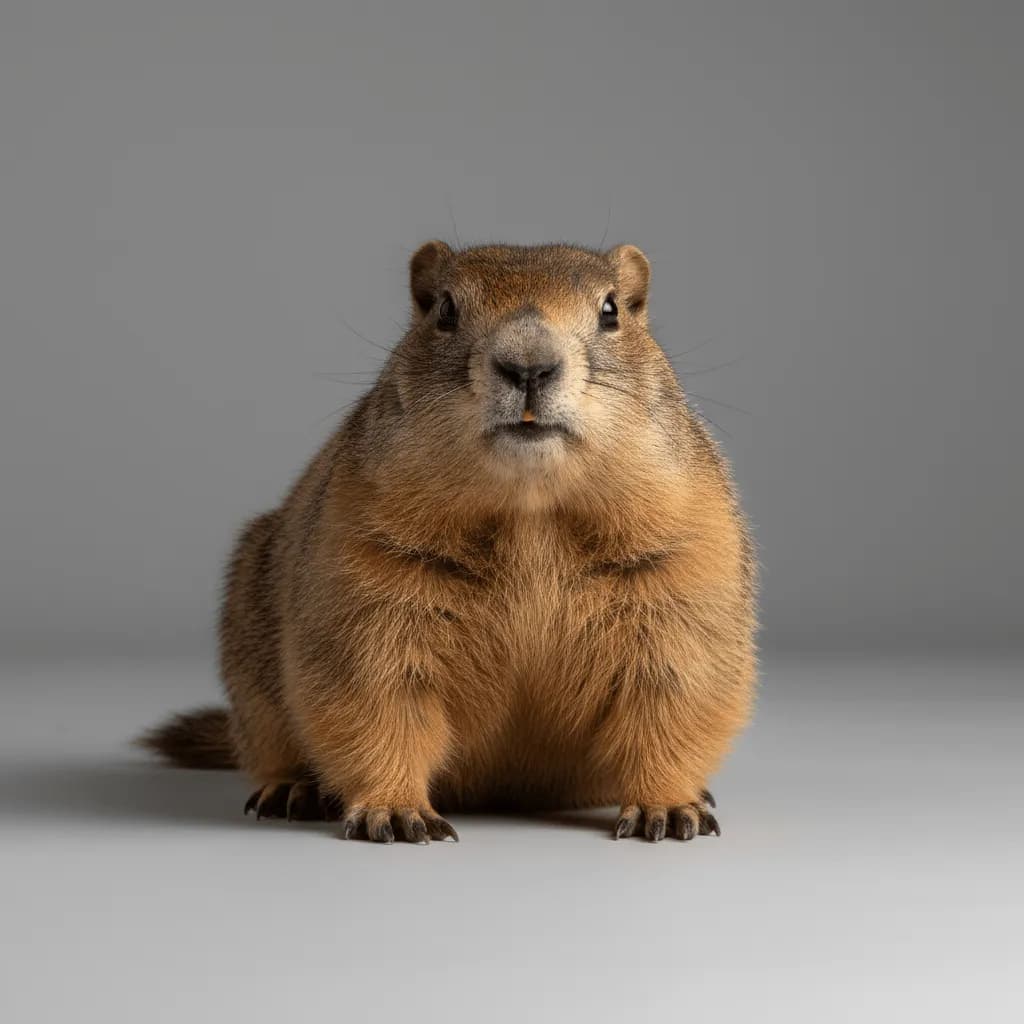
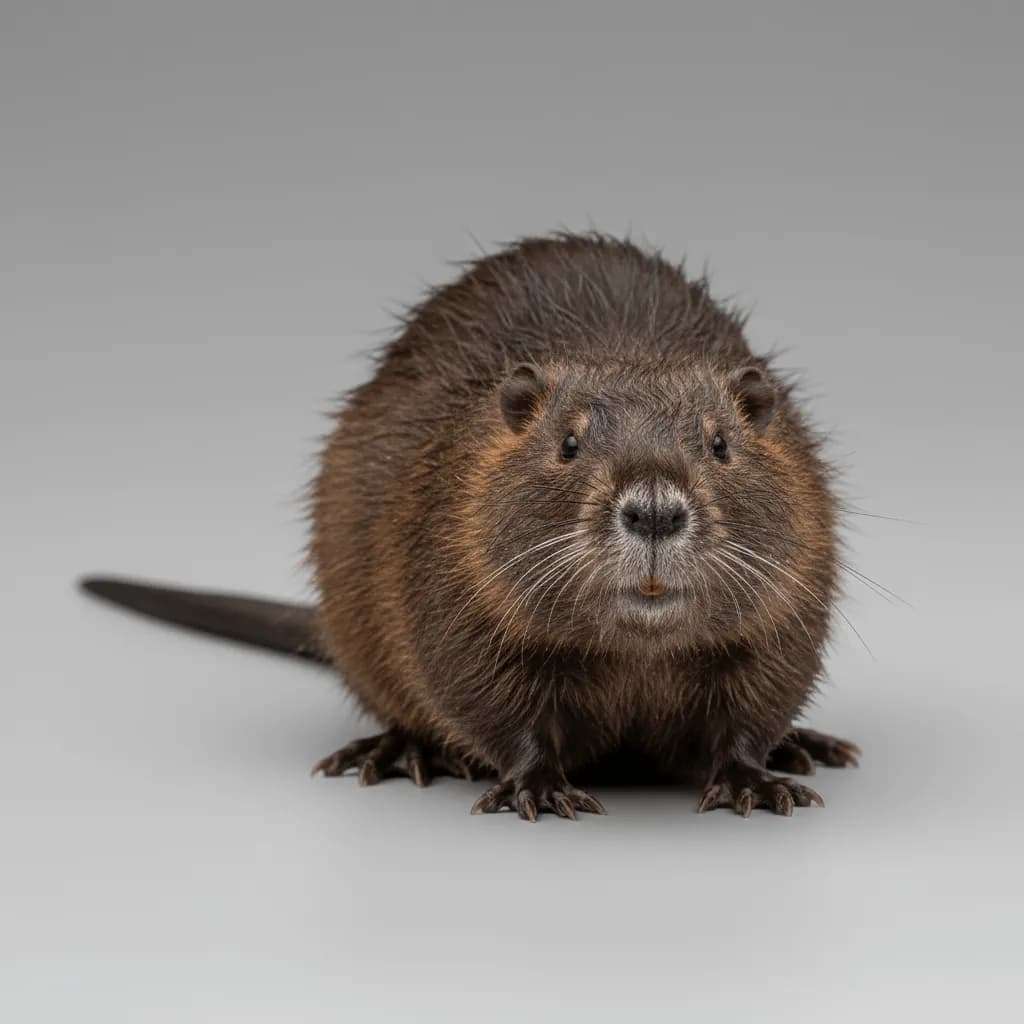
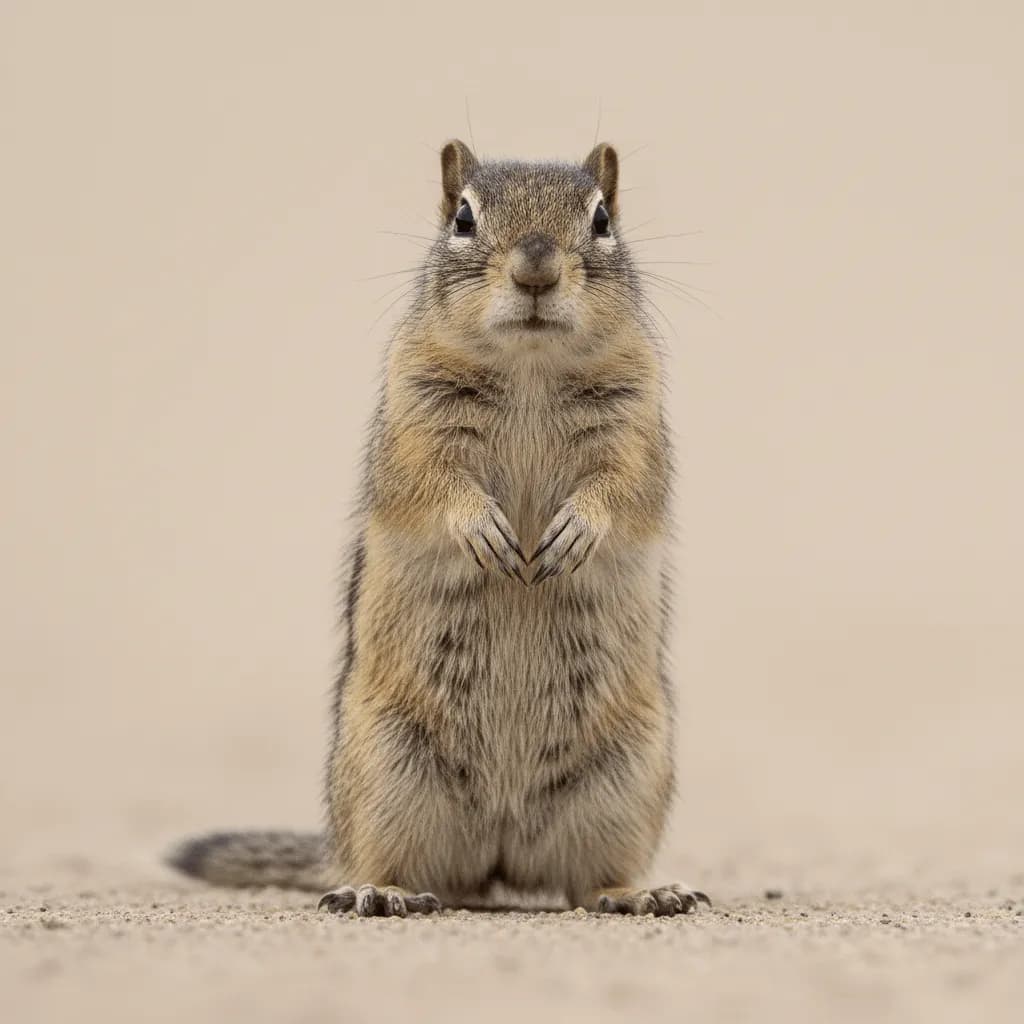
Brown to yellowish-brown with lighter underparts; large, visible front claws; fur-lined cheek pouches
Key Trait
Stout body with large, exposed front claws for digging; external fur-lined cheek pouches (hence 'pocket gopher'); small eyes and ears; fan-shaped mounds of soil on the surface.
Behavior & Habitat
Solitary and almost entirely subterranean. Digs extensive tunnel systems 15-45 cm below the surface. Pushes excavated soil to the surface, creating characteristic mounds. Seals tunnel openings with soil plugs. Active year-round, day and night. Extremely territorial - each tunnel system houses a single gopher.
Habitat: Grasslands, agricultural fields, lawns, gardens, golf courses, and any area with workable soil. Prefers sandy or loamy soils but can tunnel through clay.
Diet: Plant roots, bulbs, tubers, and occasionally surface vegetation pulled down into tunnels. Particularly damaging to root vegetables, flower bulbs, and lawn root systems.
Signs of Infestation
- Fan-shaped or crescent-shaped mounds of fresh soil on the lawn surface, often with a visible soil plug on one side
- Plants wilting or dying suddenly as roots are severed underground
- Raised ridges of soil from shallow tunnel runs just below the surface
Risks & Damage
Destroys turf root systems from below; mounds are unsightly and damage mowing equipment.
Severs plant roots and consumes root crops, bulbs, and garden vegetables from underground.
Tunneling damages underground irrigation lines, utility cables, and can undermine walkways and driveways.
Prevention Tips
- 1.Install underground gopher wire mesh (galvanized hardware cloth) beneath new lawns and garden beds
- 2.Plant in raised beds lined with gopher wire on the bottom
- 3.Use gopher baskets (wire mesh cages) around valuable plant root balls at planting time
Why DIY Treatment Often Falls Short
Gophers are solitary and territorial, so removing one often leads to a neighbor moving into the vacated tunnel system. Trapping requires precise placement in the main tunnel, which is difficult to locate. Fumigants are often ineffective because gophers seal off tunnel sections.
Professional Treatment
Professionals use probing to locate main tunnels and place traps or bait precisely. Systematic treatment across the entire affected area prevents re-invasion from adjacent territories. Underground exclusion wire can be installed in high-value areas.
Frequently Asked Questions
How is a gopher mound different from a mole mound?
Can one gopher really cause all this damage?
Do gophers come to the surface?
Need Help With Gopher?
If you're seeing signs of gopher in or around your home, professional treatment is the fastest way to stop the problem. Lotus Pest Control offers free inspections to identify the issue and recommend the right solution.
At a Glance
- Category
- Wildlife
- Scientific Name
- Geomys bursarius
- Size
- 180-300 mm body; tail adds 50-100 mm
- Color
- Brown to yellowish-brown with lighter underparts; large, visible front claws; fur-lined cheek pouches
- Key Trait
- Stout body with large, exposed front claws for digging; external fur-lined cheek pouches (hence 'pocket gopher'); small eyes and ears; fan-shaped mounds of soil on the surface.
- Regions
- Great Plains, Midwest, Southwest, Mountain West, West Coast, Southeast, Gulf Coast
- Threat Level
- Moderate
- Risk Types
- lawnagriculturalstructural
- Seasonal Activity
- MarAprMayJunJulAugSepOctNovDecJanFebnonelowmoderatehighpeak