
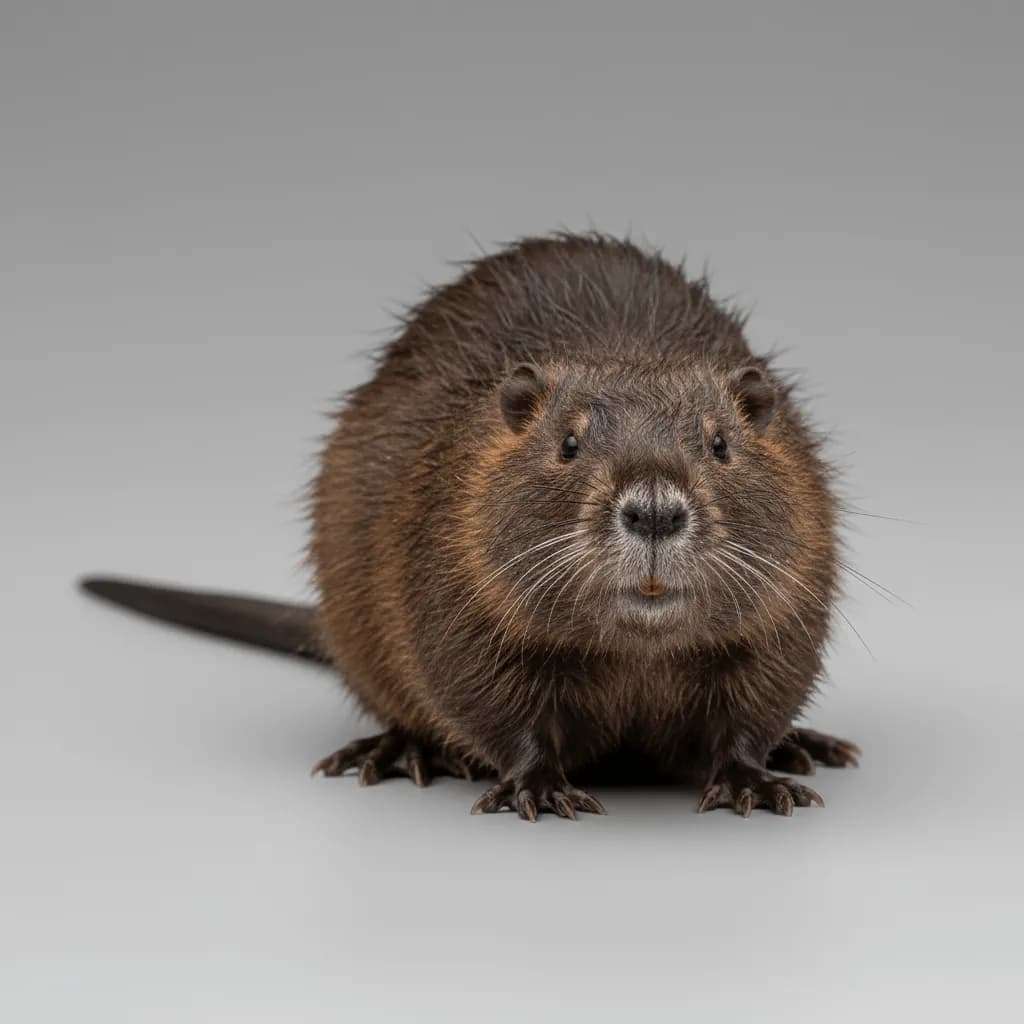
Muskrat
Ondatra zibethicus
Also known as: Musquash
The Muskrat is a native semi-aquatic rodent found in wetlands, ponds, and waterways across North America. While ecologically important as a wetland manager, muskrats cause significant damage when their burrowing compromises pond dams, levees, retention walls, and embankments. They also damage ornamental plantings and aquatic gardens.
Identification
Size
230-330 mm body; tail adds 180-270 mm; 0.7-1.8 kg weight
Color
Dark brown, glossy fur with a lighter underside; long, scaly, laterally flattened tail; partially webbed hind feet
Key Trait
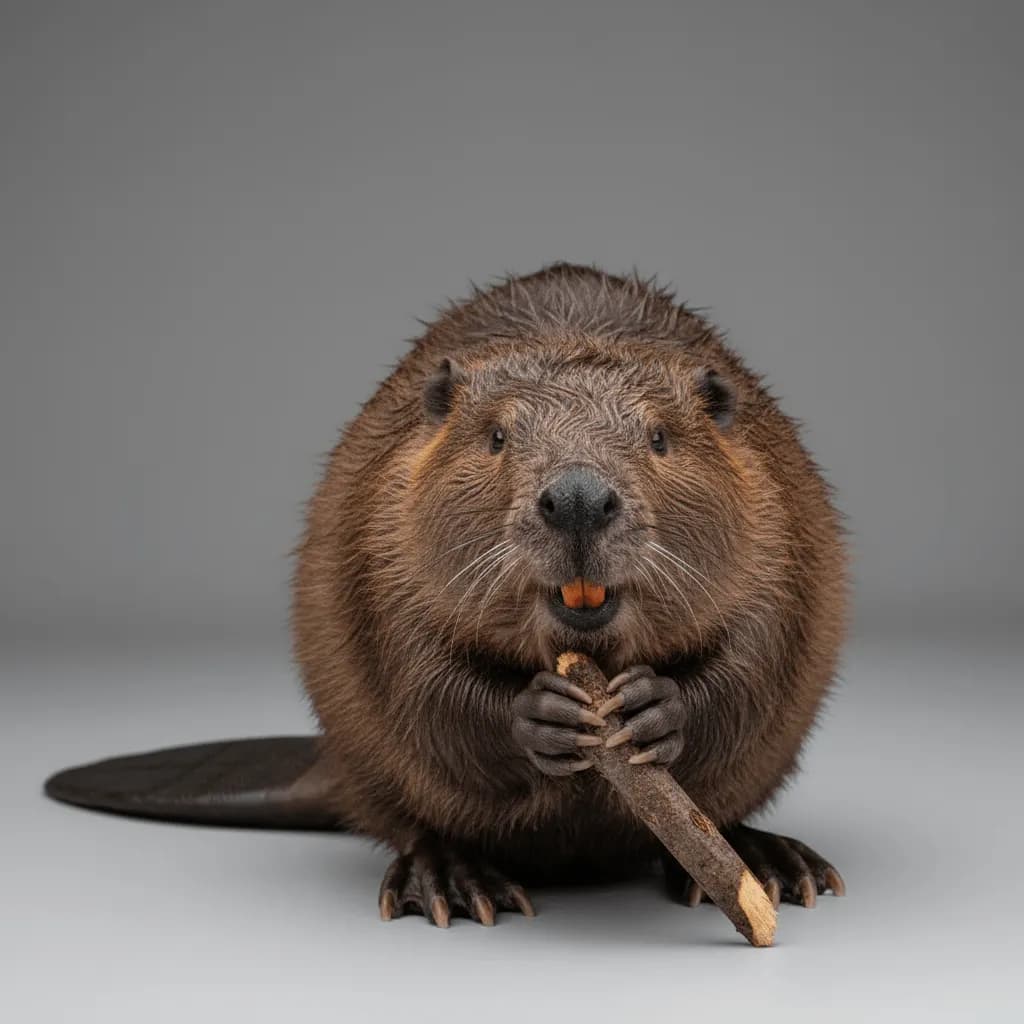
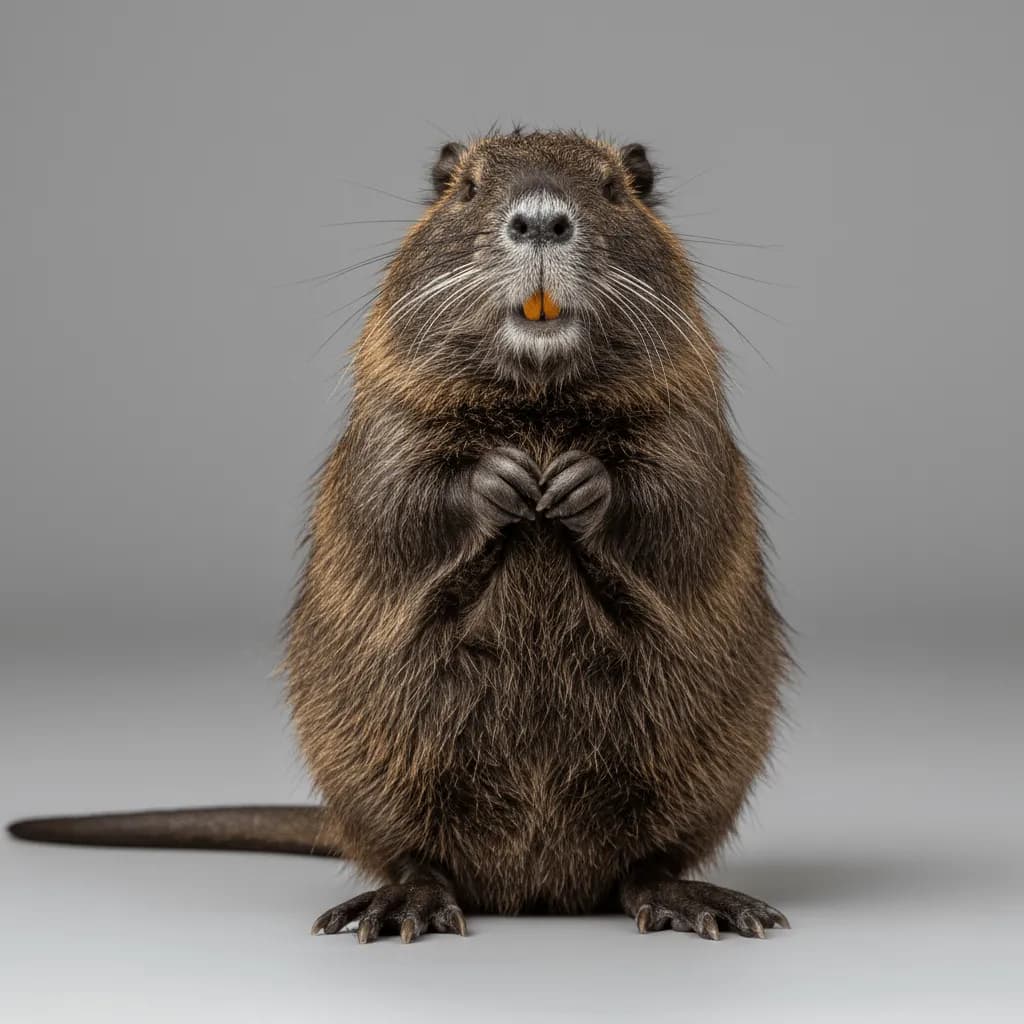
Medium-sized semi-aquatic rodent with a laterally flattened (side-to-side), scaly tail - distinct from the beaver's broad, flat tail and the nutria's round tail. Much smaller than both beaver and nutria.
Behavior & Habitat
Primarily crepuscular and nocturnal. Builds lodges of cattails and other vegetation in shallow water or burrows into embankments. Creates feeding platforms of cut vegetation. Active year-round. Excellent swimmer that can remain submerged for up to 15 minutes.
Habitat: Marshes, ponds, lakes, slow-moving streams, drainage ditches, and retention ponds. Burrows into earthen pond dams, levees, and embankments.
Diet: Cattails (primary food), bulrush, pondweed, water lilies, and other aquatic vegetation. Occasionally eats freshwater clams, crayfish, and small fish.
Signs of Infestation
- Burrow openings at the waterline of pond dams, levees, or embankments
- Dome-shaped lodges of cattails and vegetation in shallow water or at pond edges
- Cattails and aquatic vegetation cut at the base and dragged to floating feeding platforms
Risks & Damage
Burrows through earthen dams, levees, and retention pond walls, causing seepage, weakening, and potential failure.
Damages ornamental pond plantings and water garden features.
Destroys rice paddies, cranberry bogs, and aquaculture ponds.
Prevention Tips
- 1.Rip-rap (line with stone) the faces of earthen dams and embankments to prevent burrowing
- 2.Maintain steep, vegetation-free banks along critical pond edges to discourage den construction
- 3.Install underwater fencing around water garden plantings
Why DIY Treatment Often Falls Short
Muskrat burrows are underwater and difficult to locate until damage is extensive. Trapping requires specialized aquatic sets and knowledge of muskrat behavior. Simply filling visible burrow entrances does not address the full tunnel system within the embankment.
Professional Treatment
Licensed trappers remove muskrats during regulated seasons. Embankment repair includes filling burrow systems and armoring dam faces with rip-rap or concrete. Water level management can make habitat less suitable.
Related Pests
Frequently Asked Questions
Can muskrats destroy a pond dam?
How do I tell a muskrat from a beaver or nutria?
Are muskrats aggressive?
Need Help With Muskrat?
If you're seeing signs of muskrat in or around your home, professional treatment is the fastest way to stop the problem. Lotus Pest Control offers free inspections to identify the issue and recommend the right solution.
At a Glance
- Category
- Wildlife
- Scientific Name
- Ondatra zibethicus
- Size
- 230-330 mm body; tail adds 180-270 mm; 0.7-1.8 kg weight
- Color
- Dark brown, glossy fur with a lighter underside; long, scaly, laterally flattened tail; partially webbed hind feet
- Key Trait
- Medium-sized semi-aquatic rodent with a laterally flattened (side-to-side), scaly tail - distinct from the beaver's broad, flat tail and the nutria's round tail. Much smaller than both beaver and nutria.
- Regions
- Northeast, Midwest, Mid Atlantic, Great Plains, Southeast, Pacific Northwest, Mountain West, Gulf Coast, West Coast
- Threat Level
- Moderate
- Risk Types
- structurallawnagricultural
- Seasonal Activity
- MarAprMayJunJulAugSepOctNovDecJanFebnonelowmoderatehighpeak