
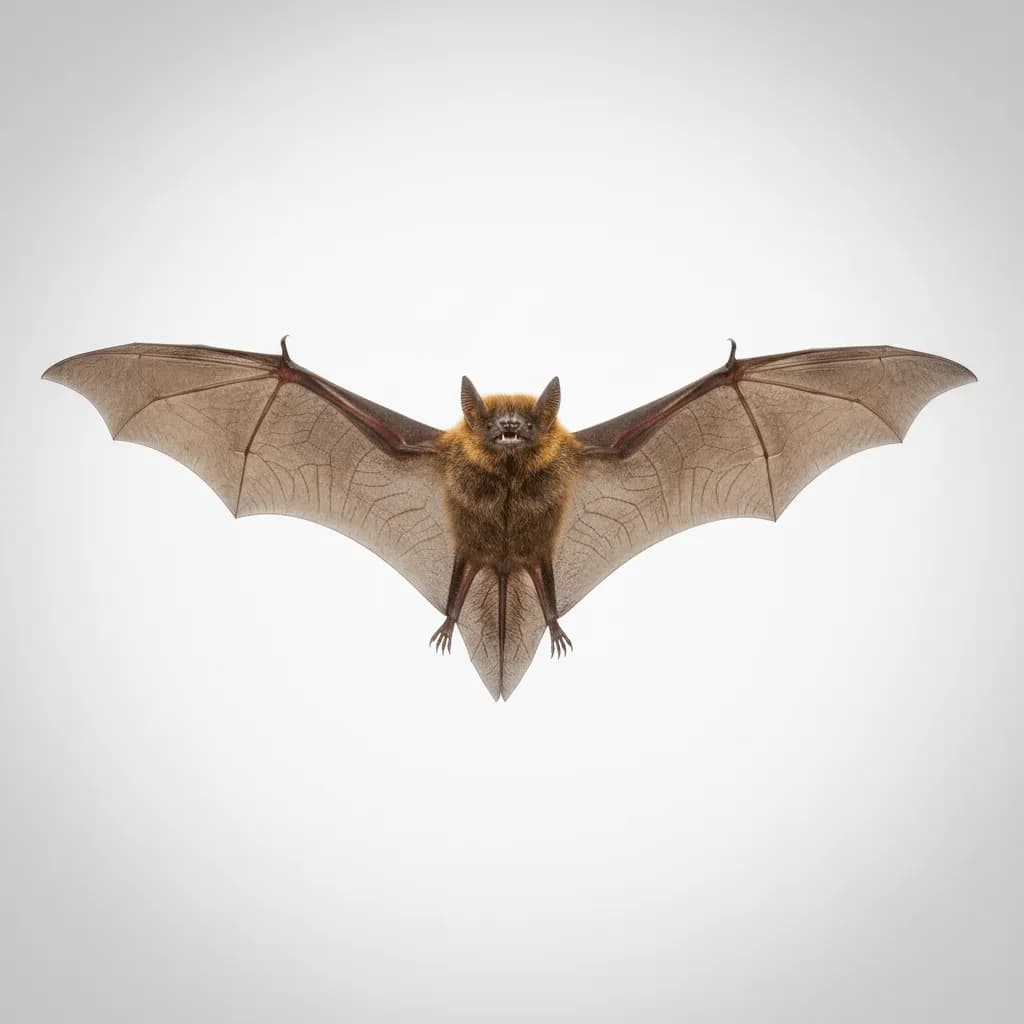
Mexican Free-Tailed Bat
Tadarida brasiliensis
Also known as: Brazilian Free-Tailed Bat, Guano Bat
The Mexican Free-Tailed Bat is famous for its enormous communal roosts, including the iconic colony under the Congress Avenue Bridge in Austin, Texas. It is the most common bat in the southern United States and forms colonies in buildings that can number in the thousands. The volume of guano produced by large colonies creates serious structural and health concerns.
Identification
Size
90-105 mm body; wingspan 280-325 mm
Color
Dark brown to gray-brown fur; large ears; tail extends beyond the tail membrane (hence 'free-tailed')
Key Trait
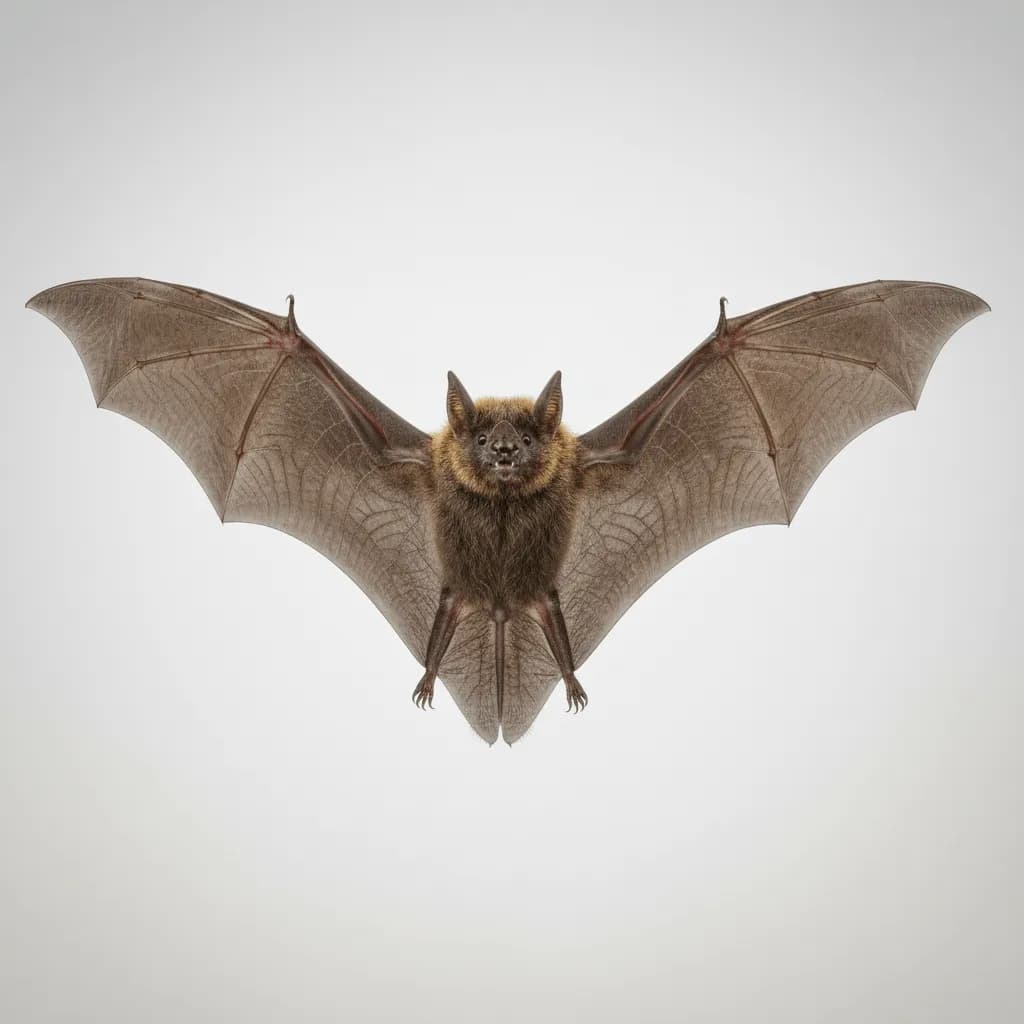
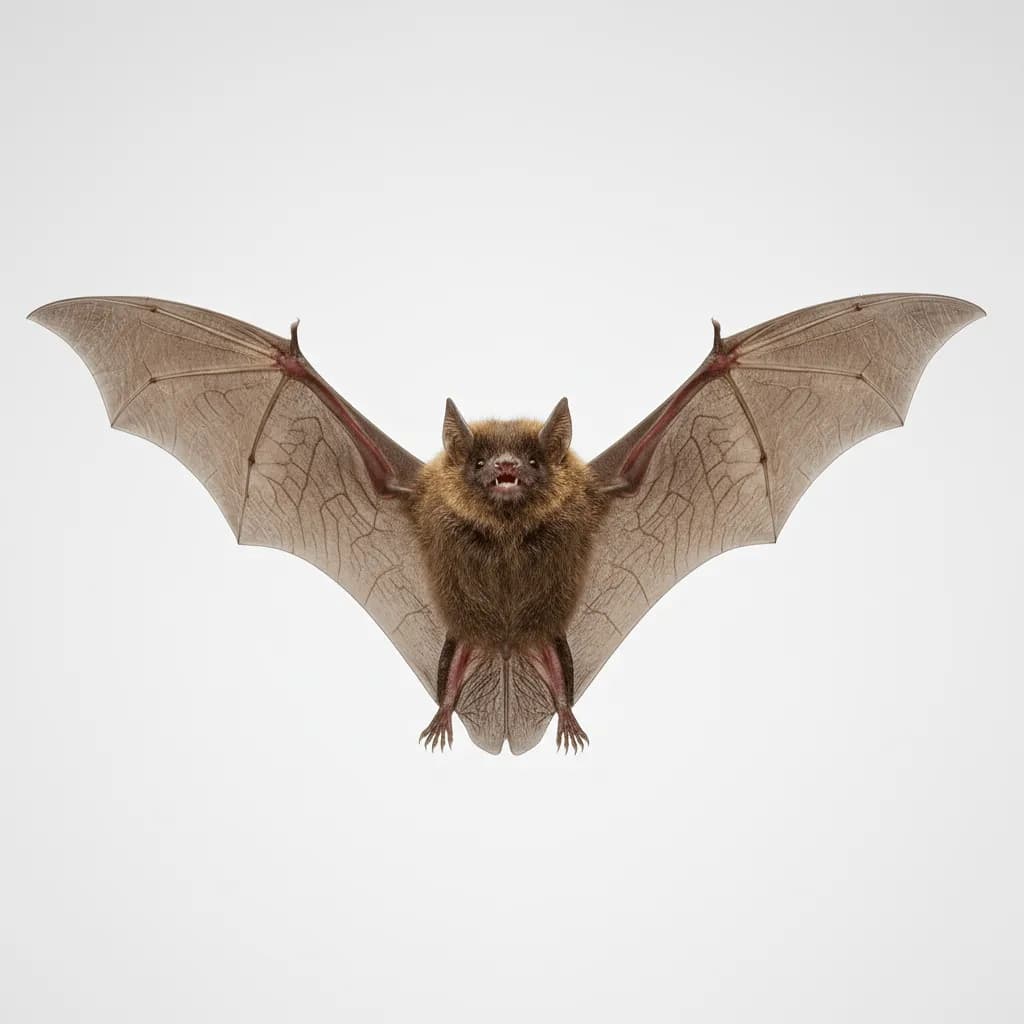
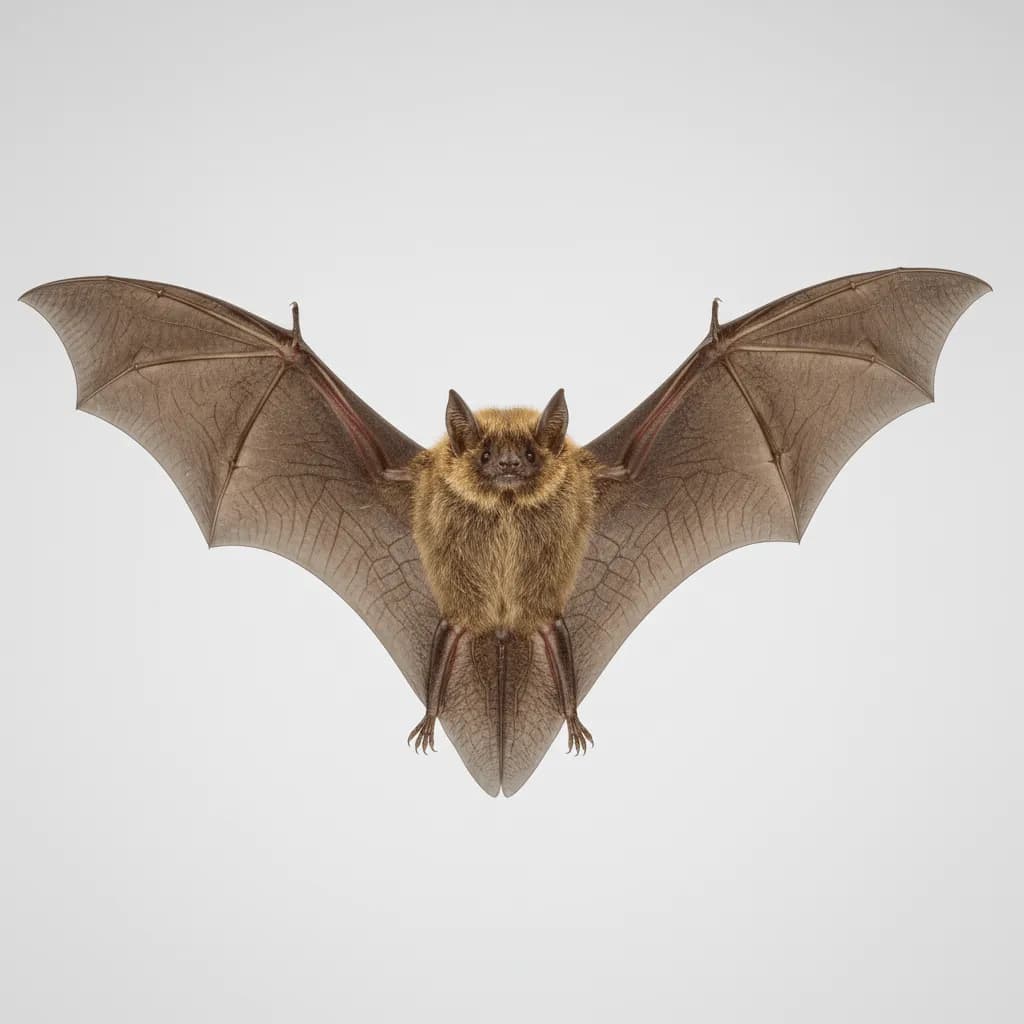
Tail extends freely beyond the edge of the tail membrane; large, broad ears nearly meeting at midline; wrinkled upper lip; extremely fast flier, reaching speeds over 160 km/h.
Behavior & Habitat
Nocturnal. Forms extremely large colonies - building colonies of 1,000-10,000+ are not uncommon. One of the fastest-flying bat species, reaching over 160 km/h. Migrates south to Mexico and Central America in fall, returning in spring. Echolocates at frequencies detectable by some humans as faint clicking.
Habitat: Caves, bridges, buildings, and other structures in the southern U.S. Large colonies occupy commercial and residential attics, warehouses, and stadiums.
Diet: Moths, beetles, flying ants, and other night-flying insects. Enormous colonies consume hundreds of tons of insects nightly.
Signs of Infestation
- Overwhelming ammonia odor from massive guano accumulation
- Large, visible streams of bats emerging from the building at sunset
- Heavy brown staining on exterior walls and significant guano piles below roost entries
Risks & Damage
Massive guano deposits create extreme histoplasmosis risk. Rabies vector. Guano-associated insects (bat bugs, dermestid beetles) can migrate into living spaces.
Tons of guano can accumulate over time, stressing ceiling joists and collapsing drywall. Urine corrodes metal and degrades wood.
Colony sizes in the thousands produce extreme noise, odor, and visual impact.
Prevention Tips
- 1.Inspect and seal all roofline gaps before the spring migration return
- 2.Install ridge vent guards and screen attic ventilation openings
- 3.Provide bat houses as alternative roosting habitat near but not on the structure
Why DIY Treatment Often Falls Short
Colony sizes are overwhelming for homeowners. The volume of guano is hazardous to handle without commercial-grade respiratory protection. Exclusion of thousands of bats requires professional-grade one-way devices across multiple entry points simultaneously.
Professional Treatment
Professional bat exclusion teams install one-way exclusion netting across all active entry points outside the maternity season. After confirmed departure, permanent sealing is performed. Guano removal on large colonies may require hazmat-level procedures including full-face respirators and HEPA vacuuming.
Frequently Asked Questions
How fast can these bats fly?
How big can a colony get?
Is the guano valuable as fertilizer?
Need Help With Mexican free-tailed bat?
If you're seeing signs of mexican free-tailed bat in or around your home, professional treatment is the fastest way to stop the problem. Lotus Pest Control offers free inspections to identify the issue and recommend the right solution.
At a Glance
- Category
- Wildlife
- Scientific Name
- Tadarida brasiliensis
- Size
- 90-105 mm body; wingspan 280-325 mm
- Color
- Dark brown to gray-brown fur; large ears; tail extends beyond the tail membrane (hence 'free-tailed')
- Key Trait
- Tail extends freely beyond the edge of the tail membrane; large, broad ears nearly meeting at midline; wrinkled upper lip; extremely fast flier, reaching speeds over 160 km/h.
- Regions
- Southwest, Gulf Coast, Southeast, West Coast, Great Plains, Mid Atlantic, Mountain West
- Threat Level
- High
- Risk Types
- healthstructuralnuisance
- Seasonal Activity
- MarAprMayJunJulAugSepOctNovDecJanFebnonelowmoderatehighpeak