
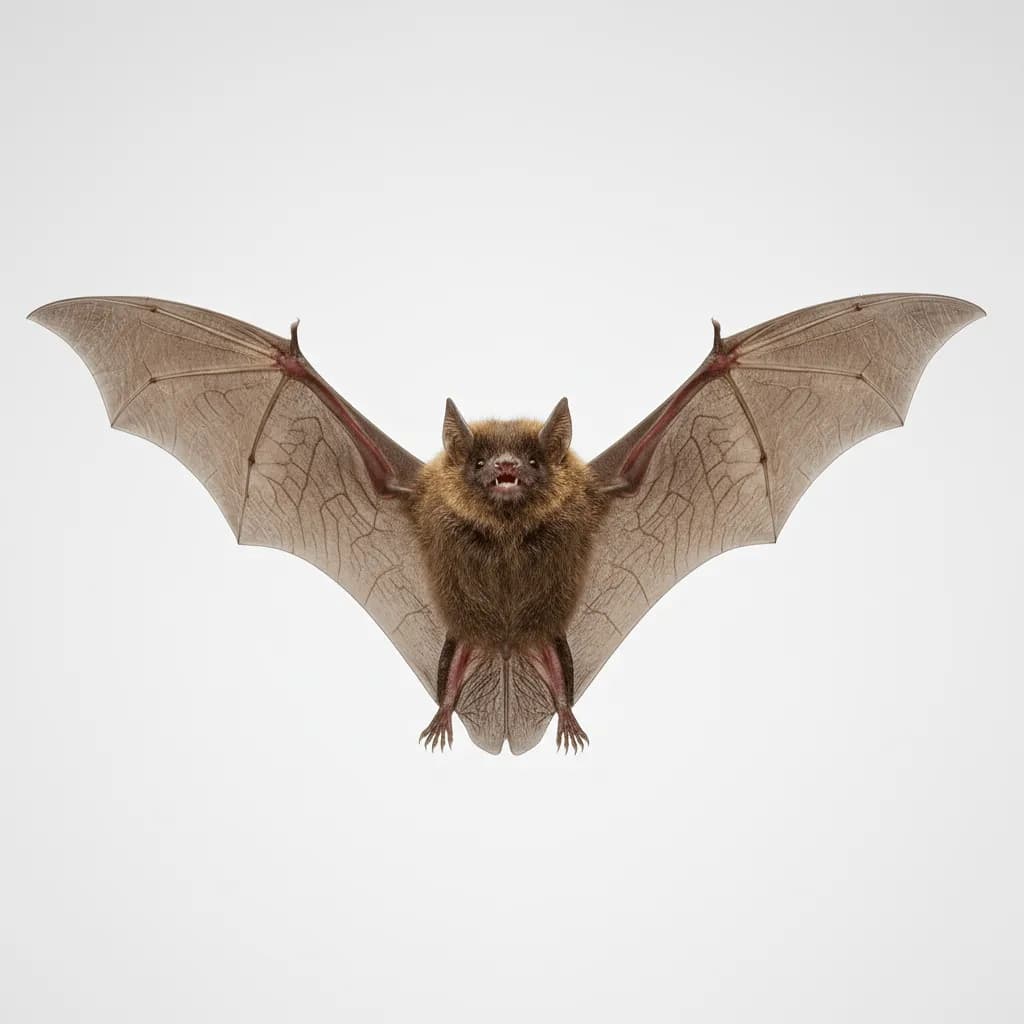
Little Brown Bat
Myotis lucifugus
Also known as: Little Brown Myotis
The Little Brown Bat was once the most common bat in northeastern North America, but its population has declined dramatically due to white-nose syndrome. It forms large maternity colonies in attics, sometimes numbering in the hundreds. Its conservation status makes proper exclusion timing critical, and lethal control is prohibited in many jurisdictions.
Identification
Size
80-95 mm body; wingspan 220-270 mm
Color
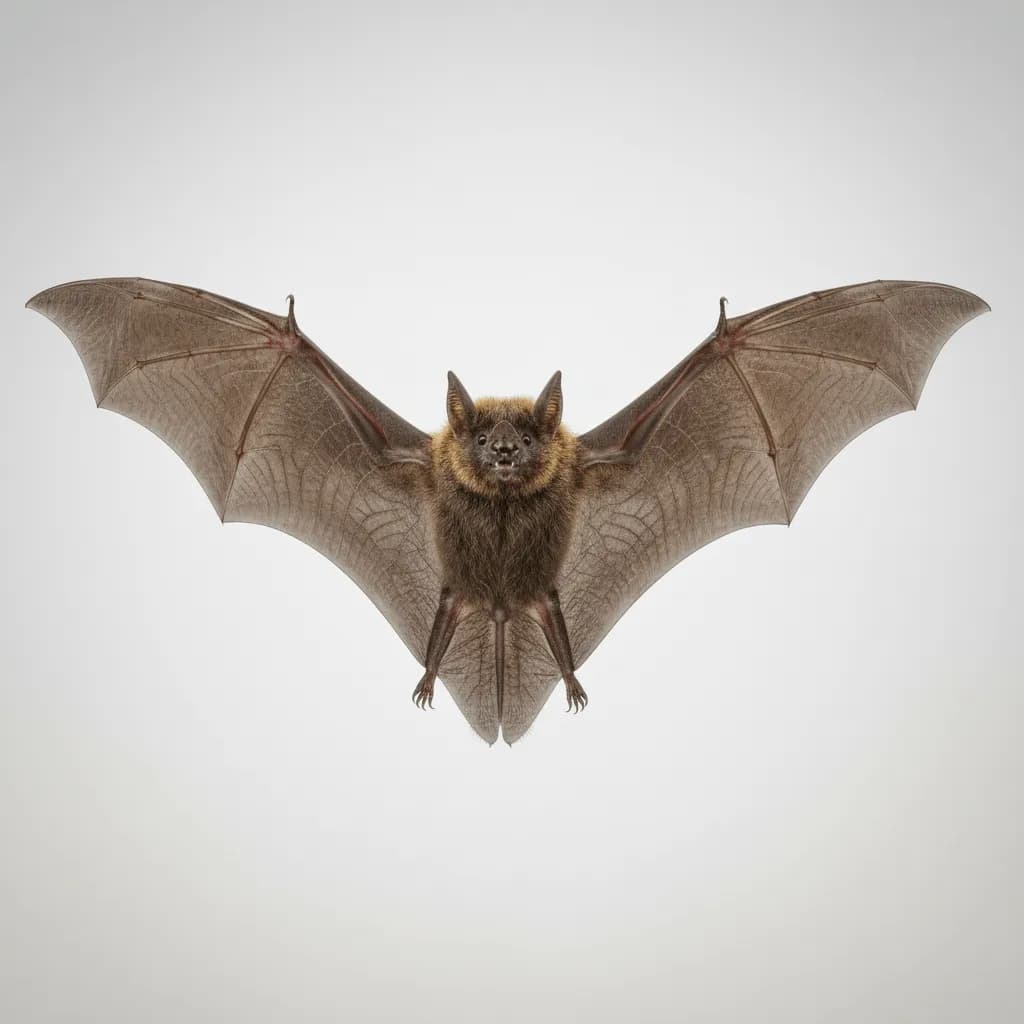
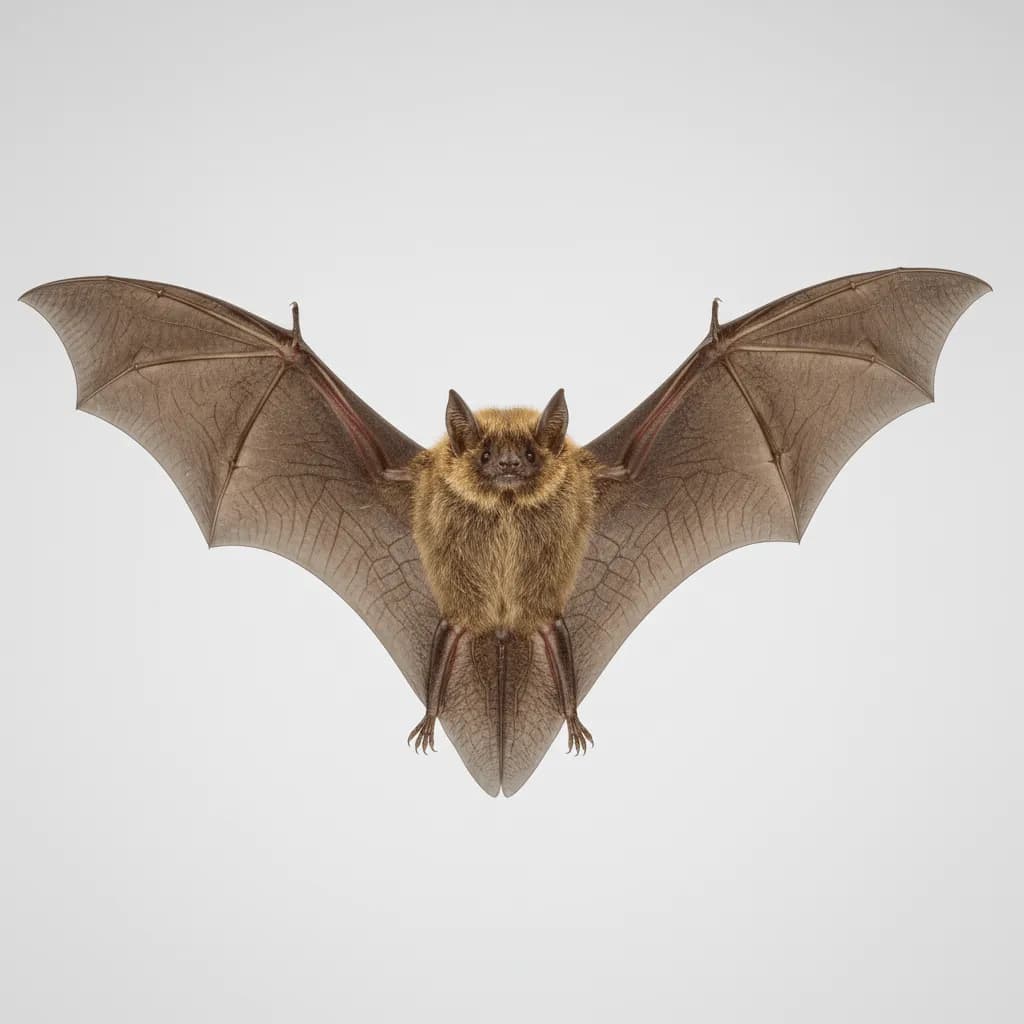
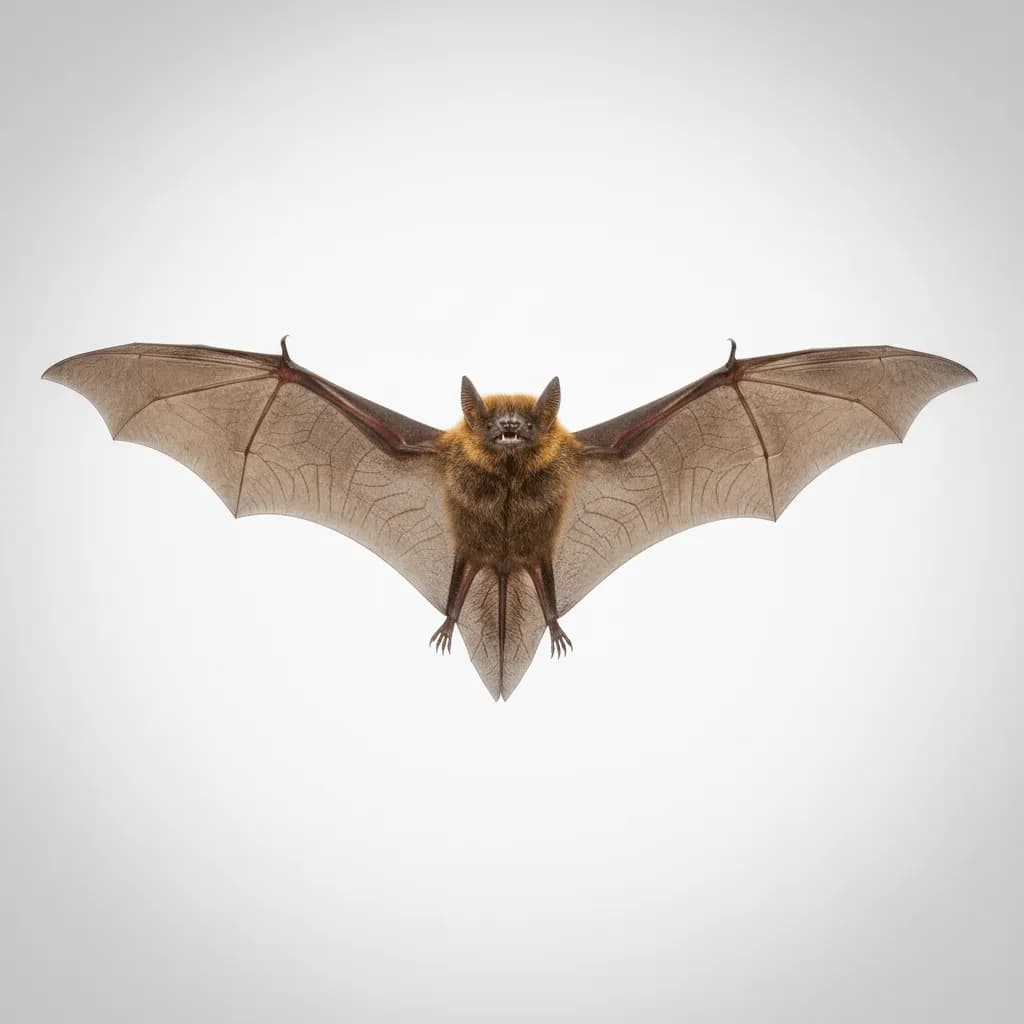
Glossy dark brown to olive-brown fur with lighter underparts; dark brown wing membranes
Key Trait
Smaller than the big brown bat; glossy fur; pointed tragus (ear projection); fast, erratic flight pattern. Population has been devastated by white-nose syndrome.
Behavior & Habitat
Nocturnal. Forms large maternity colonies in warm attic spaces from May through August. Hibernates in caves and mines during winter. Fast, erratic flight close to water surfaces where it catches insects. Can consume up to half its body weight in insects nightly.
Habitat: Near bodies of water in forests and suburban areas. Roosts in attics, barns, and behind shutters in summer. Hibernates in caves and mines in winter.
Diet: Mosquitoes, midges, moths, beetles, and other small flying insects caught over water and in forest clearings.
Signs of Infestation
- Dozens to hundreds of bats emerging from a single roofline gap at dusk
- Strong ammonia-like odor from accumulated guano in the attic
- Staining and guano deposits on exterior walls below roost entry points
Risks & Damage
Rabies vector. Large guano deposits create histoplasmosis risk and severe odor and sanitation problems.
Massive guano accumulation from large colonies can damage ceilings, insulation, and structural members.
Large colonies generate significant noise, odor, and occasional bats entering living spaces.
Prevention Tips
- 1.Have a professional bat inspection performed before purchasing or renovating older homes
- 2.Seal potential entry points during the permitted exclusion window (outside maternity season)
- 3.Install bat houses to provide alternative roosting habitat
Why DIY Treatment Often Falls Short
Little brown bats are protected in many states due to white-nose syndrome decimation. Improper exclusion timing can result in legal penalties. Colonies can be very large, and inexperienced exclusion often misses entry points, trapping bats inside walls.
Professional Treatment
Certified wildlife professionals perform exclusion during legally permitted windows, using one-way devices at all identified entry points. Complete sealing follows confirmed departure. Guano removal requires HEPA filtration and professional-grade sanitization.
Frequently Asked Questions
What is white-nose syndrome?
Why is the exclusion window restricted?
How many insects does a little brown bat eat?
Need Help With Little brown bat?
If you're seeing signs of little brown bat in or around your home, professional treatment is the fastest way to stop the problem. Lotus Pest Control offers free inspections to identify the issue and recommend the right solution.
At a Glance
- Category
- Wildlife
- Scientific Name
- Myotis lucifugus
- Size
- 80-95 mm body; wingspan 220-270 mm
- Color
- Glossy dark brown to olive-brown fur with lighter underparts; dark brown wing membranes
- Key Trait
- Smaller than the big brown bat; glossy fur; pointed tragus (ear projection); fast, erratic flight pattern. Population has been devastated by white-nose syndrome.
- Regions
- Northeast, Midwest, Mid Atlantic, Pacific Northwest, Mountain West, Southeast, Great Plains
- Threat Level
- Moderate
- Risk Types
- healthstructuralnuisance
- Seasonal Activity
- MarAprMayJunJulAugSepOctNovDecJanFebnonelowmoderatehighpeak