
Bats
Bats are the only mammals capable of true flight and are among the most beneficial wildlife species due to their voracious consumption of night-flying insects, including mosquitoes and agricultural pests. However, bats roosting in attics, wall voids, and chimneys create significant health and nuisance concerns. Bat guano (droppings) accumulate in roost areas and harbor the fungus Histoplasma capsulatum, which causes histoplasmosis, a serious respiratory infection. Many bat species are protected by state and federal law, requiring humane exclusion methods timed to avoid maternity season.
Species in This Group (4)
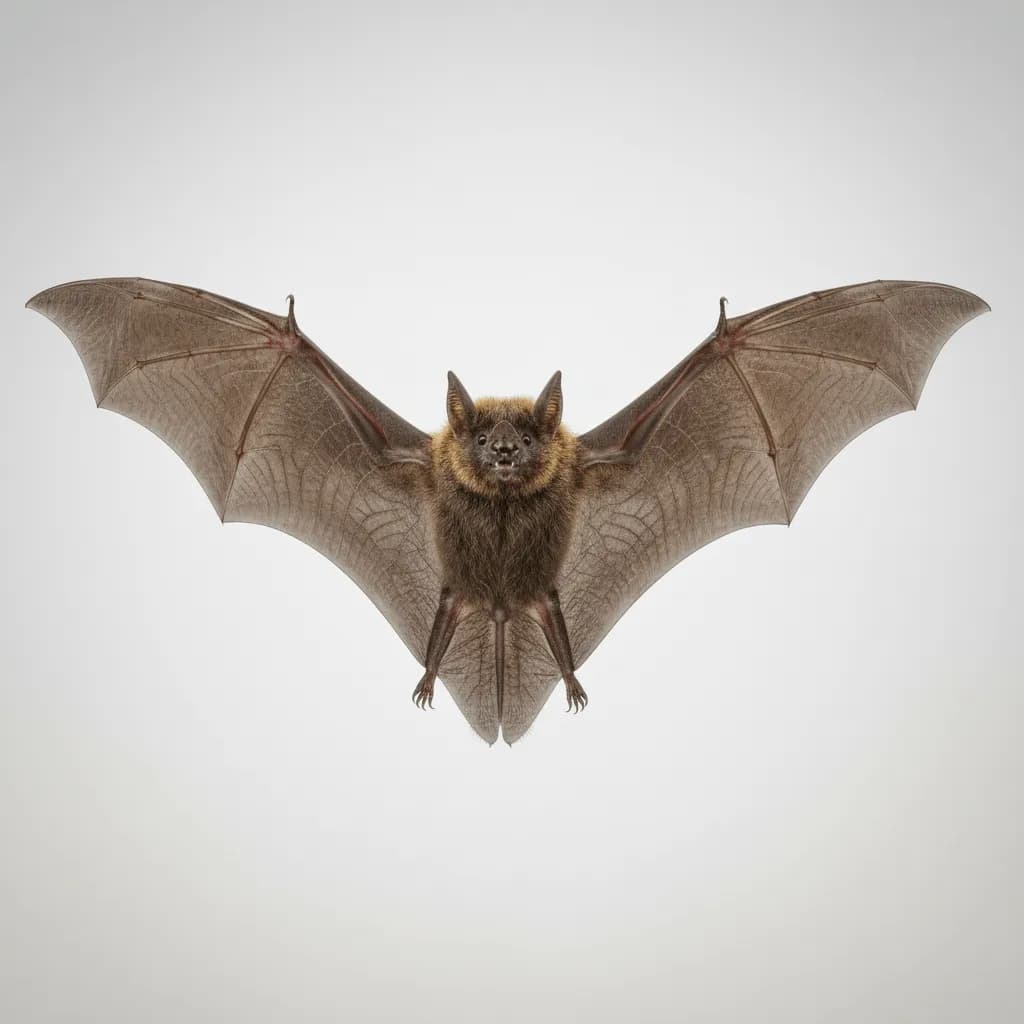
Big Brown Bat
Eptesicus fuscus
The Big Brown Bat is the most common bat found in buildings across North America.
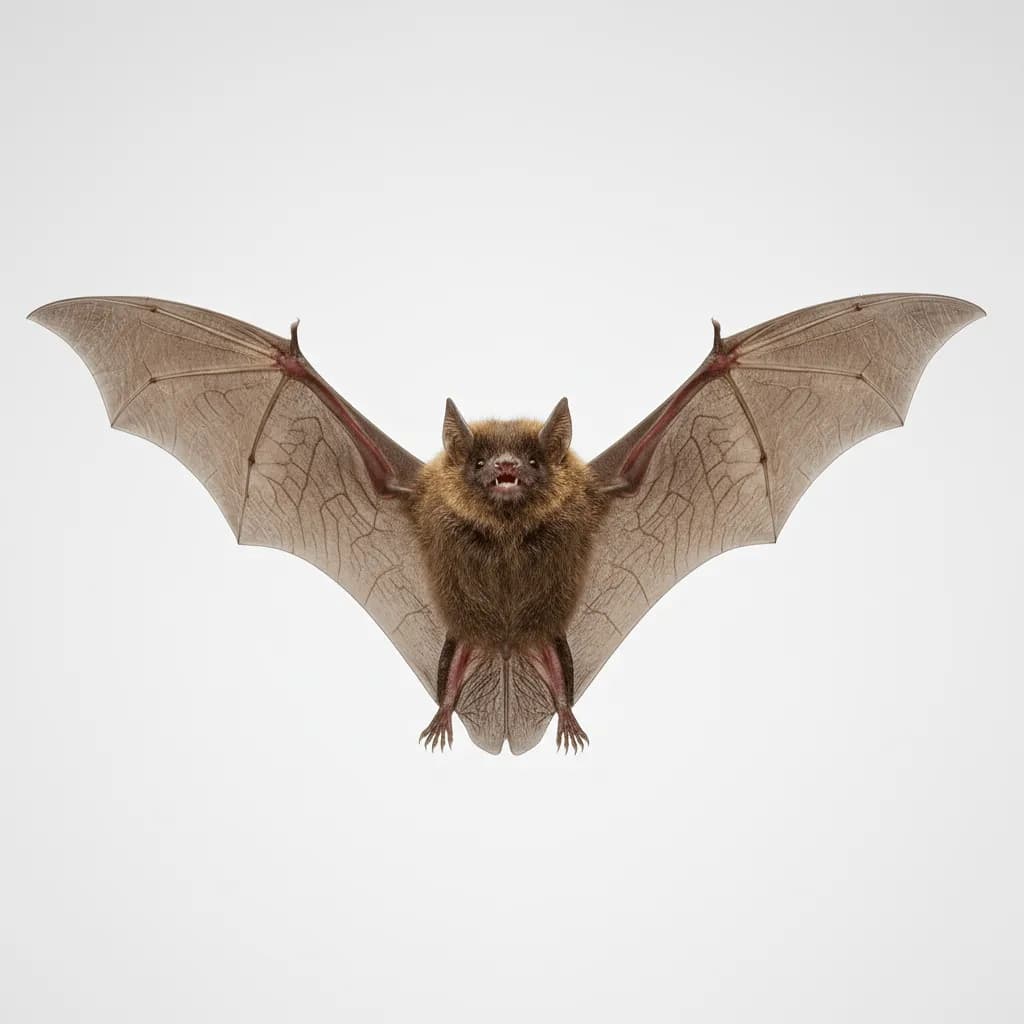
Little Brown Bat
Myotis lucifugus
The Little Brown Bat was once the most common bat in northeastern North America, but its population has declined dramatically due to white-nose syndrome.
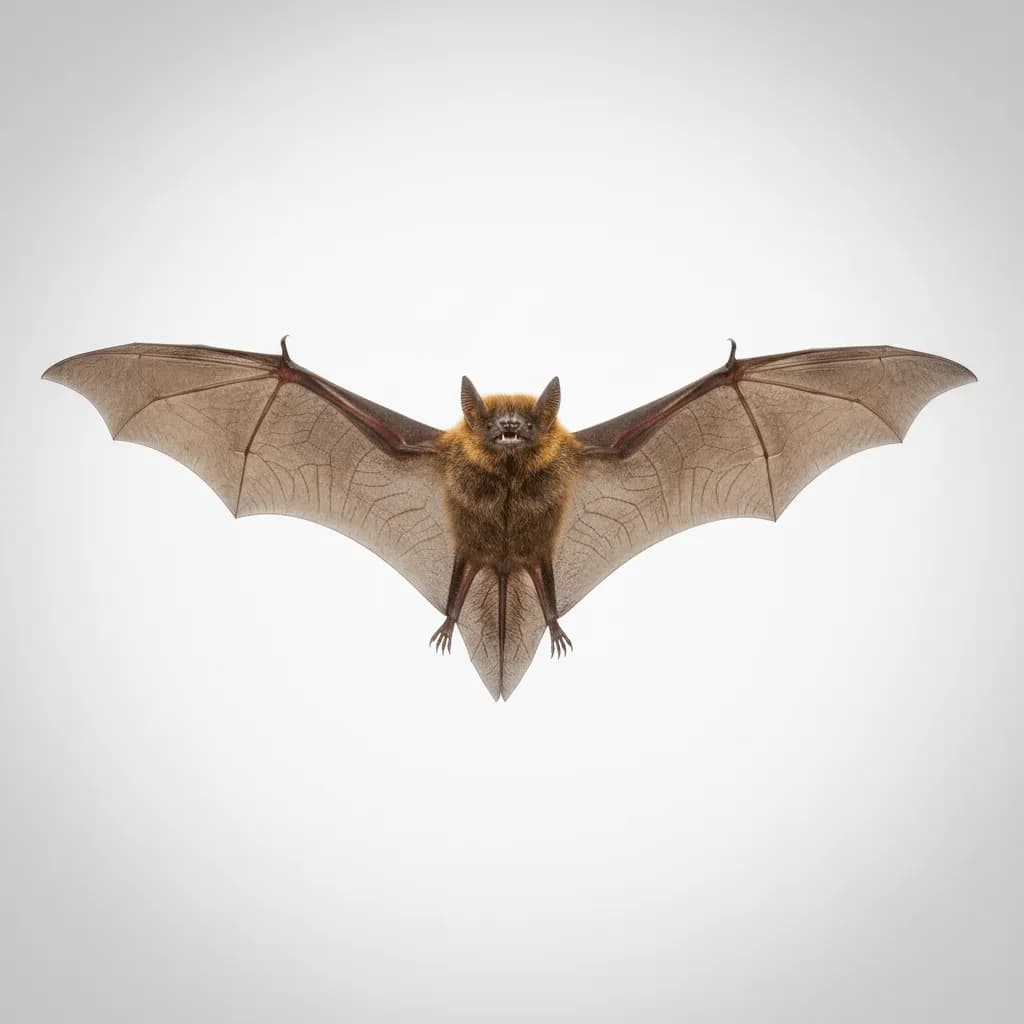
Mexican Free-Tailed Bat
Tadarida brasiliensis
The Mexican Free-Tailed Bat is famous for its enormous communal roosts, including the iconic colony under the Congress Avenue Bridge in Austin, Texas.
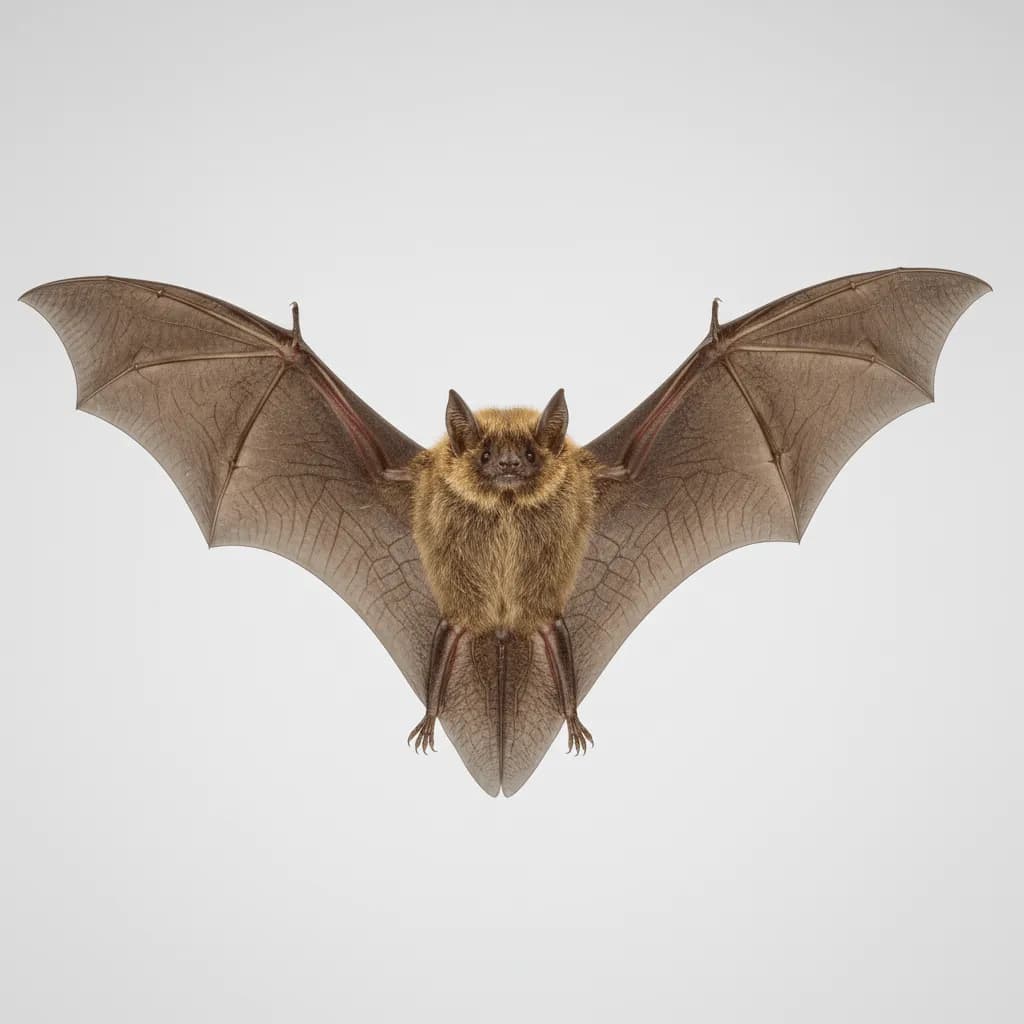
Evening Bat
Nycticeius humeralis
The Evening Bat is a common southeastern species that roosts exclusively in tree cavities and buildings, never in caves.
Key Behaviors
Bats are nocturnal and use echolocation to navigate and catch insects. They roost in colonies ranging from a few individuals to thousands. They enter structures through gaps as small as three-eighths of an inch at rooflines, ridge vents, gable vents, and around chimney flashing. They return to the same roost sites year after year. Maternity colonies form in spring when females gather to give birth and raise young. Exclusion must not be performed during maternity season when flightless young are present.
Risks & Concerns
Bat guano harbors Histoplasma capsulatum, causing histoplasmosis when spores are inhaled during disturbance of accumulated droppings. Bats are a primary rabies vector, and any bat contact or potential bite requires medical evaluation. Guano accumulation damages insulation, stains ceilings, and produces a strong ammonia odor. Bat bugs from roosts can migrate into living spaces. Professional exclusion and guano cleanup are strongly recommended.
Quick Comparison
| Species | Size | Color | Key Trait |
|---|---|---|---|
| Big Brown Bat | 110-130 mm body; wingspan 325-350 mm | Glossy dark brown fur; lighter on the belly; dark brown to black wing membranes, ears, and face | Relatively large and robust for a house-dwelling bat; glossy brown fur; broad face with a blunt nose; slow, steady flight pattern. |
| Little Brown Bat | 80-95 mm body; wingspan 220-270 mm | Glossy dark brown to olive-brown fur with lighter underparts; dark brown wing membranes | Smaller than the big brown bat; glossy fur; pointed tragus (ear projection); fast, erratic flight pattern. Population has been devastated by white-nose syndrome. |
| Mexican Free-Tailed Bat | 90-105 mm body; wingspan 280-325 mm | Dark brown to gray-brown fur; large ears; tail extends beyond the tail membrane (hence 'free-tailed') | Tail extends freely beyond the edge of the tail membrane; large, broad ears nearly meeting at midline; wrinkled upper lip; extremely fast flier, reaching speeds over 160 km/h. |
| Evening Bat | 80-100 mm body; wingspan 260-280 mm | Dark brown fur with slightly lighter underparts; dark brown to black wing membranes and ears | Medium-sized bat with a blunt, rounded tragus (unlike the pointed tragus of Myotis species); short, rounded ears; exclusively roosts in buildings and tree cavities rather than caves. |
Need Help With Bats?
If you're seeing signs of bats in or around your home, professional treatment is the fastest way to stop the problem. Lotus Pest Control offers free inspections to identify the issue and recommend the right solution.