
Rabbits
The Eastern Cottontail is the most common rabbit in North America and a major garden and landscape pest. It reproduces rapidly, with females producing up to 5 litters per year. Cottontails cause extensive damage to ornamental plantings, vegetable gardens, and young trees by gnawing bark and clipping stems. The Desert Cottontail is the western counterpart of the eastern cottontail, common in arid grasslands, desert scrub, and suburban yards across the western and southwestern United States. It causes significant.
Species in This Group (2)
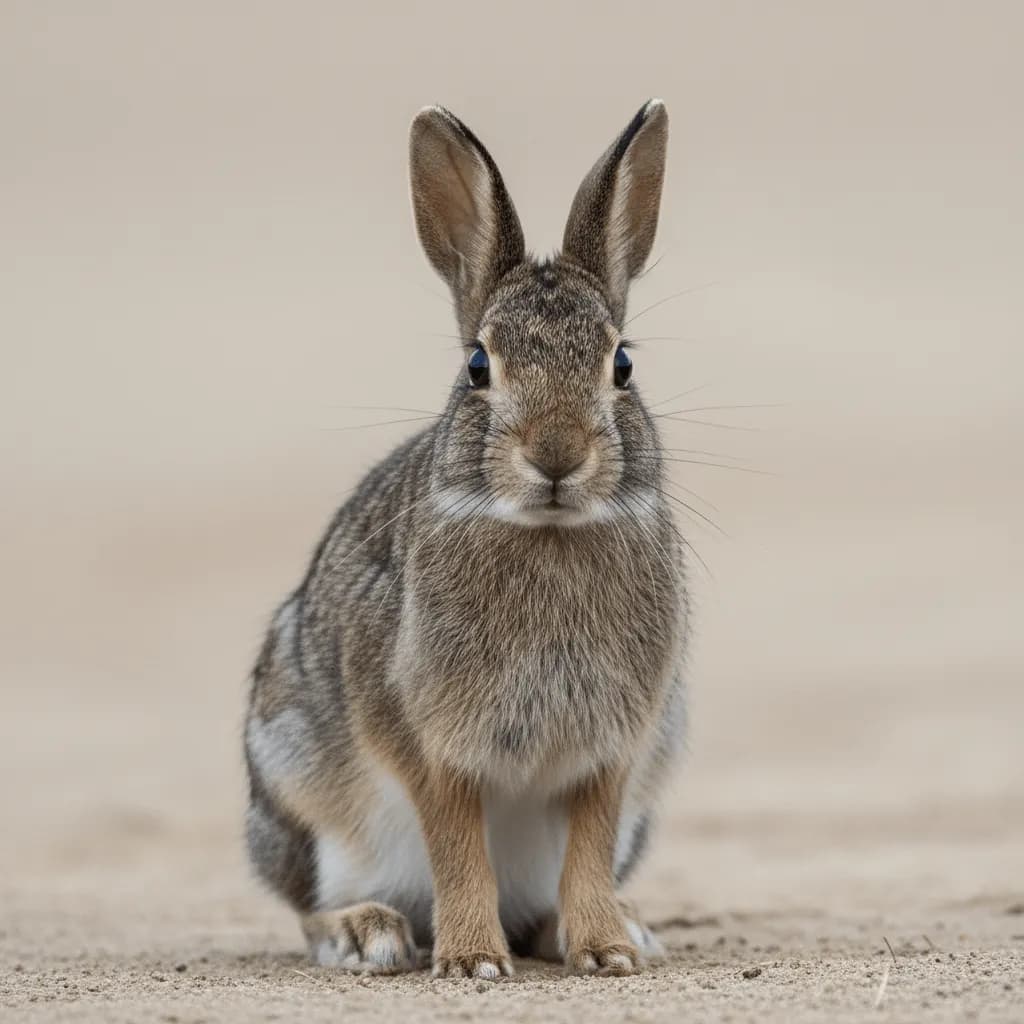
Eastern Cottontail
Sylvilagus floridanus
The Eastern Cottontail is the most common rabbit in North America and a major garden and landscape pest.
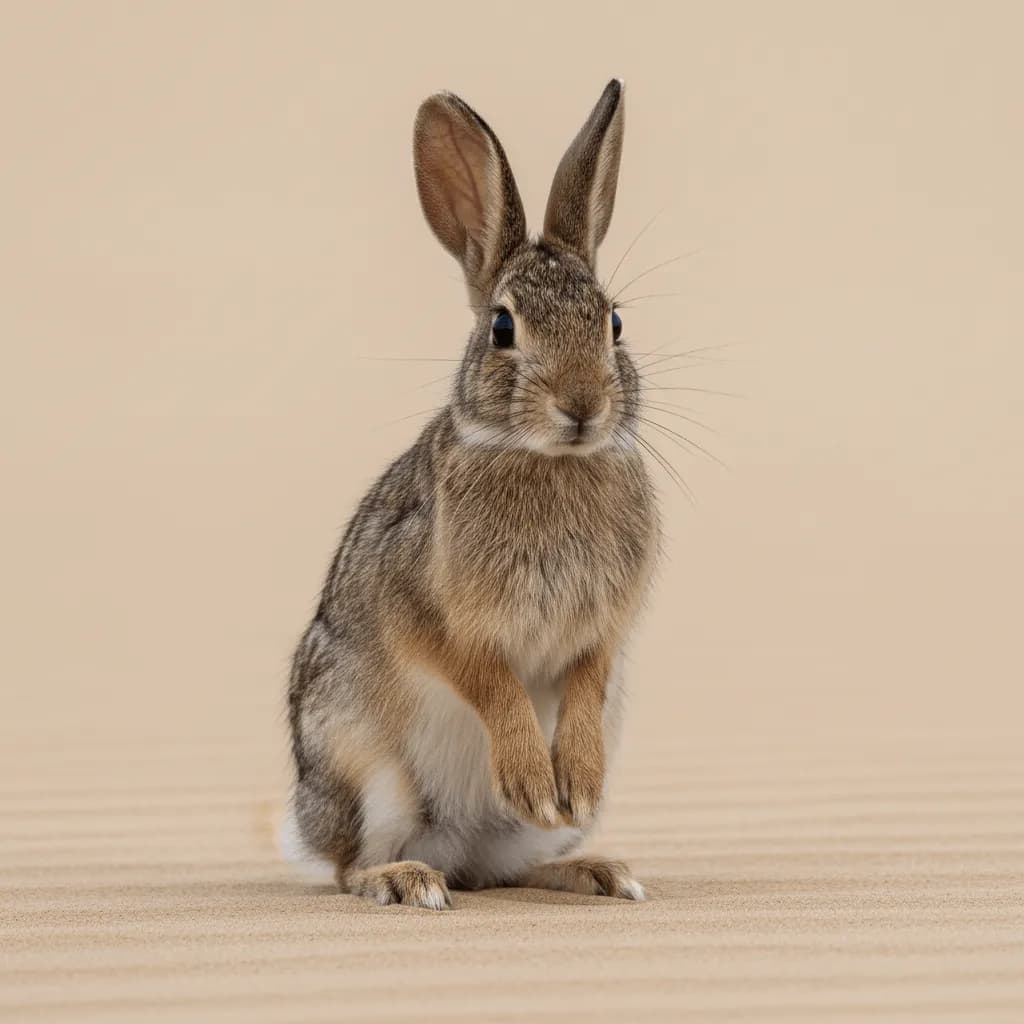
Desert Cottontail
Sylvilagus audubonii
The Desert Cottontail is the western counterpart of the eastern cottontail, common in arid grasslands, desert scrub, and suburban yards across the western and southwestern United States.
Key Behaviors
Crepuscular (most active at dawn and dusk). Does not dig burrows but uses shallow depressions (forms) in dense cover. Females nest in shallow scrapes lined with fur and grass. Freezes when threatened, relying on camouflage, then bolts in a rapid zigzag if approached closely. Crepuscular to nocturnal; less active during the heat of the day. Uses burrows dug by other animals (ground squirrels, tortoise burrows) for shelter rather than digging its own. Attracted to irrigated landscapes in desert suburbs, where water.
Risks & Concerns
Destroys vegetable gardens, flower beds, and young crop plantings. Gnaws bark from young trees and ornamental shrubs, often girdling and killing them in winter.
Quick Comparison
| Species | Size | Color | Key Trait |
|---|---|---|---|
| Eastern Cottontail | 360-430 mm body; 0.8-1.5 kg weight | Gray-brown agouti fur with a reddish-brown nape; white cottontail; white underside | Conspicuous white, fluffy cottontail; large hind feet; long ears held upright; freezes motionless when threatened before bolting in a zigzag pattern. |
| Desert Cottontail | 330-400 mm body; 0.7-1.2 kg weight | Pale gray-brown with a yellowish tint; white cottontail; large ears with pale edges | Slightly smaller and paler than the eastern cottontail; proportionally larger ears for heat dissipation; found in arid and semi-arid habitats. |
Need Help With Rabbits?
If you're seeing signs of rabbits in or around your home, professional treatment is the fastest way to stop the problem. Lotus Pest Control offers free inspections to identify the issue and recommend the right solution.