
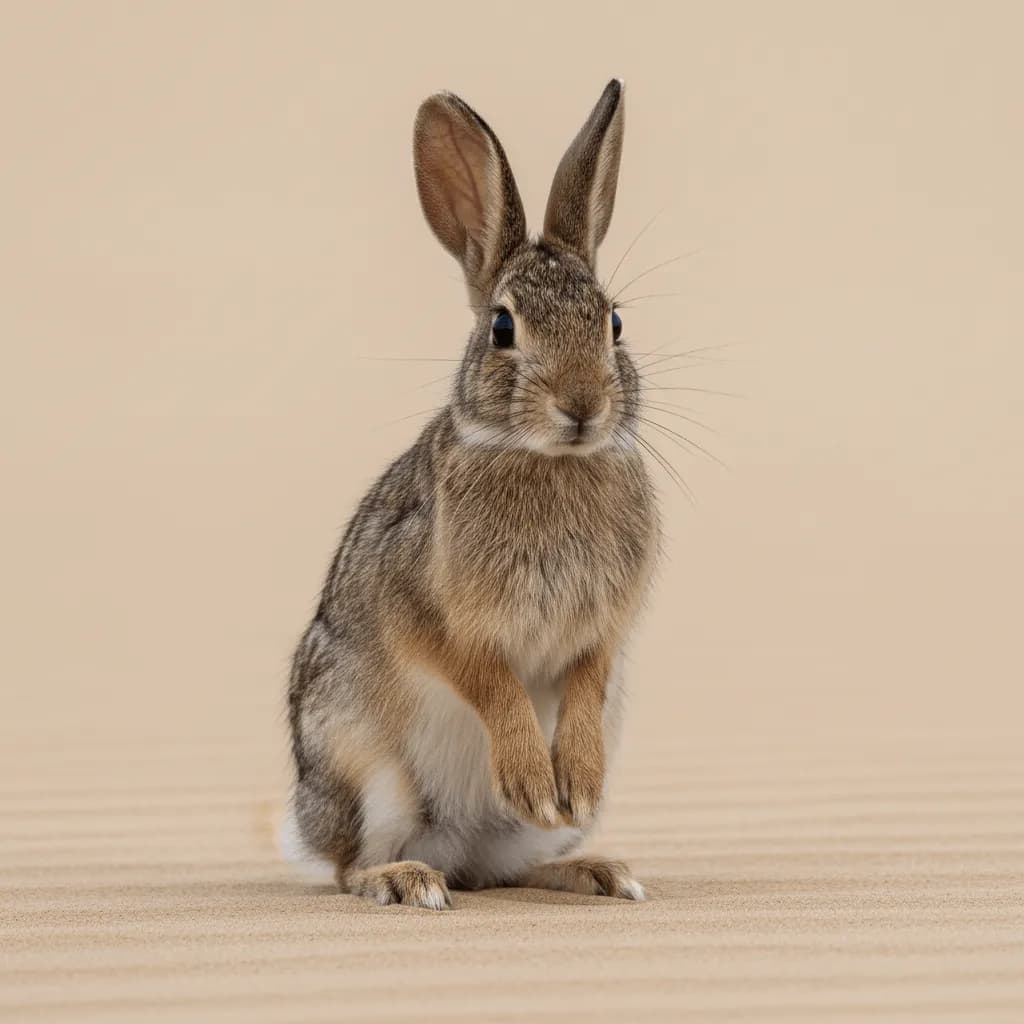
Desert Cottontail
Sylvilagus audubonii
Also known as: Audubon's Cottontail
The Desert Cottontail is the western counterpart of the eastern cottontail, common in arid grasslands, desert scrub, and suburban yards across the western and southwestern United States. It causes significant damage to irrigated landscapes, vegetable gardens, and ornamental plantings in desert communities where green vegetation is a scarce and irresistible resource.
Identification
Size
330-400 mm body; 0.7-1.2 kg weight
Color
Pale gray-brown with a yellowish tint; white cottontail; large ears with pale edges
Key Trait
Slightly smaller and paler than the eastern cottontail; proportionally larger ears for heat dissipation; found in arid and semi-arid habitats.
Behavior & Habitat
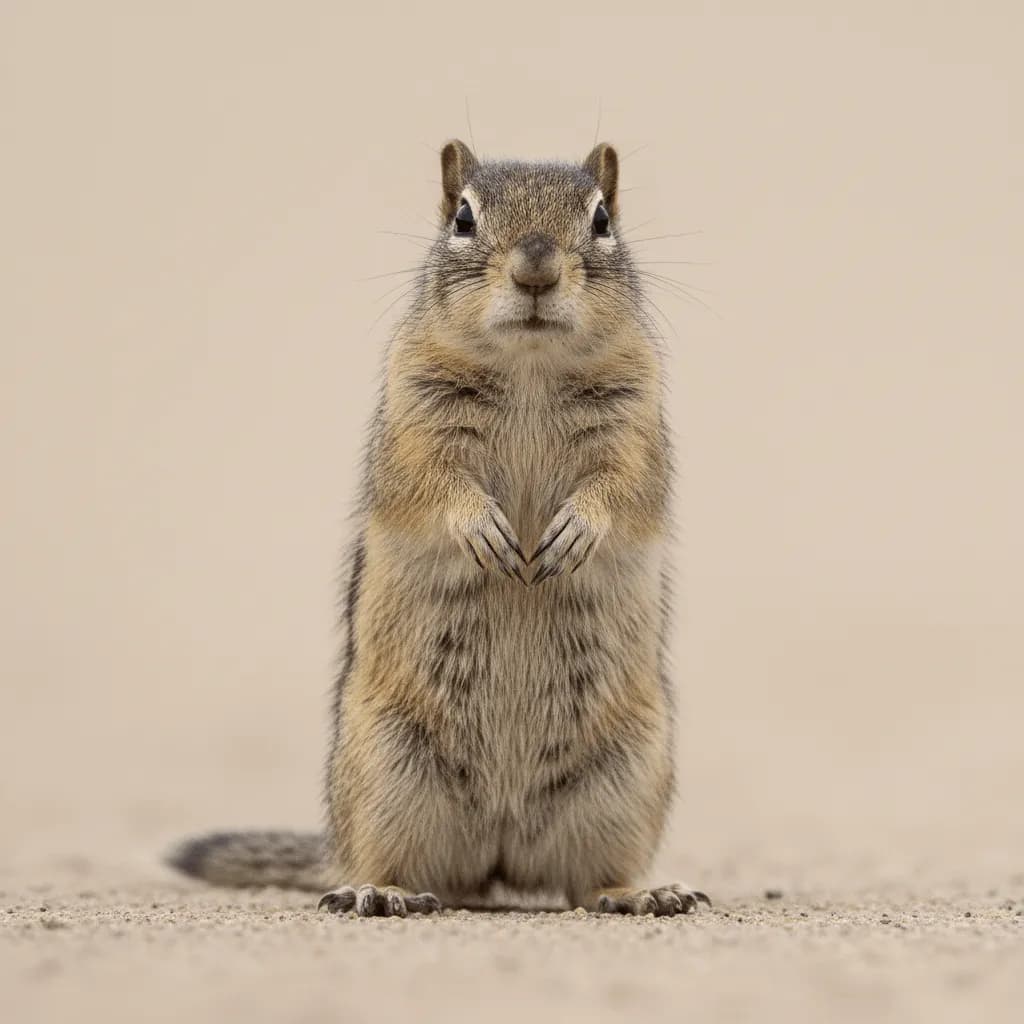
Crepuscular to nocturnal; less active during the heat of the day. Uses burrows dug by other animals (ground squirrels, tortoise burrows) for shelter rather than digging its own. Attracted to irrigated landscapes in desert suburbs, where water and green vegetation are concentrated.
Habitat: Desert grasslands, sagebrush flats, desert scrub, riparian areas, and irrigated suburban landscapes across the western U.S.
Diet: Grasses, cactus pads, mesquite leaves, garden vegetables, flowers, and bark of young landscape trees. Obtains most water from food.
Signs of Infestation
- Clean-cut damage to irrigated landscape plants, especially at ground level to 40 cm height
- Small, round droppings scattered along garden edges and under shrubs
- Bark stripped from young landscape trees, particularly citrus and ornamentals
Risks & Damage
Devastates irrigated vegetable gardens and ornamental landscaping in arid environments where green vegetation is concentrated.
Girdles young landscape trees and strips bark from ornamental plantings.
Carries tularemia and can harbor fleas and ticks.
Prevention Tips
- 1.Install hardware cloth fencing around irrigated garden beds, buried at least 10 cm
- 2.Protect young tree trunks with wire guards extending at least 60 cm high
- 3.Use drip irrigation instead of flood irrigation to reduce the broad green areas that attract rabbits
Why DIY Treatment Often Falls Short
In desert environments, irrigated yards are oases that attract cottontails from a wide area. Repellents dry out quickly in arid heat. Without physical exclusion, rabbits will persistently exploit the concentrated food and water resource.
Professional Treatment
Professionals install rabbit-proof exclusion fencing tailored to desert conditions. Landscape design recommendations reduce attractiveness. Where populations are high, trapping programs may be combined with habitat modification.
Frequently Asked Questions
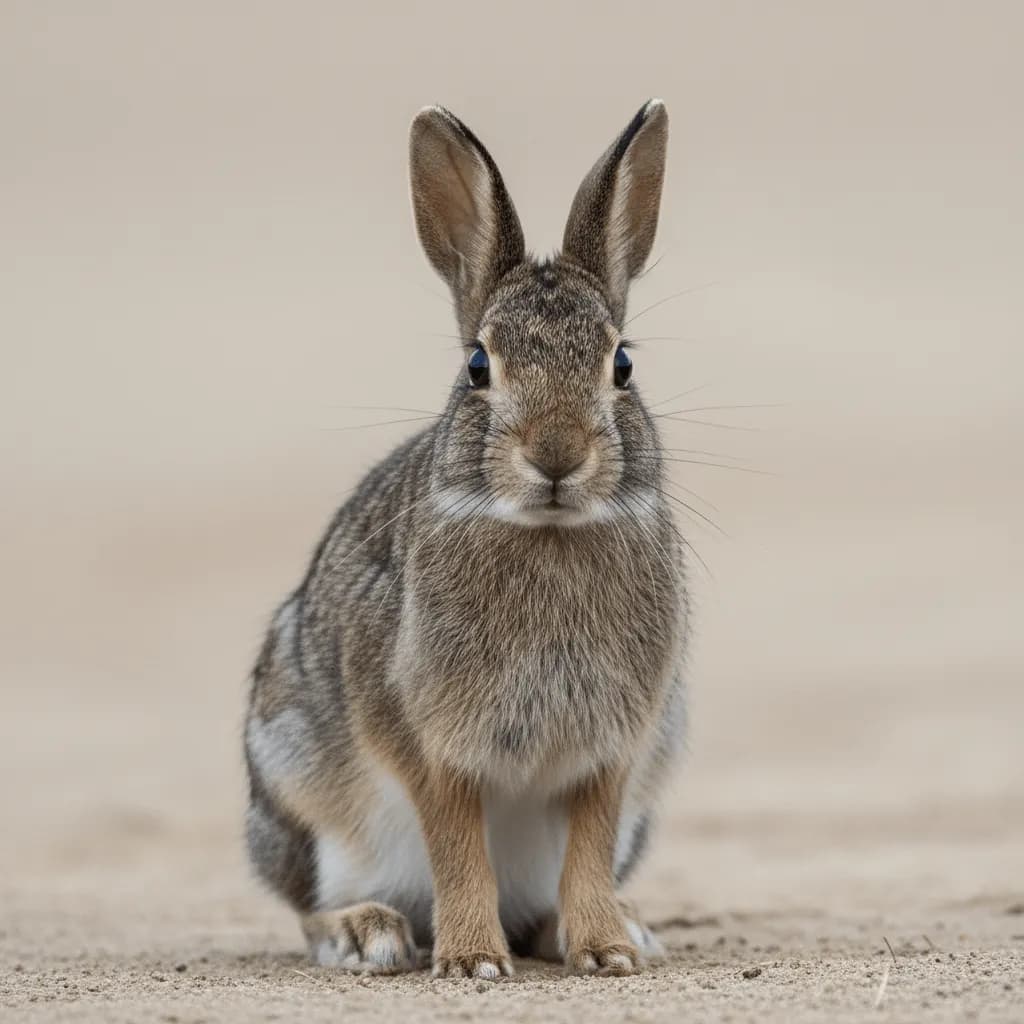
Why do I have so many rabbits in my desert yard?
Do coyotes control rabbit populations?
Can desert cottontails survive without drinking water?
Need Help With Desert cottontail?
If you're seeing signs of desert cottontail in or around your home, professional treatment is the fastest way to stop the problem. Lotus Pest Control offers free inspections to identify the issue and recommend the right solution.
At a Glance
- Category
- Wildlife
- Scientific Name
- Sylvilagus audubonii
- Size
- 330-400 mm body; 0.7-1.2 kg weight
- Color
- Pale gray-brown with a yellowish tint; white cottontail; large ears with pale edges
- Key Trait
- Slightly smaller and paler than the eastern cottontail; proportionally larger ears for heat dissipation; found in arid and semi-arid habitats.
- Regions
- Southwest, Mountain West, Great Plains, West Coast
- Threat Level
- Low
- Risk Types
- agriculturallawnnuisance
- Seasonal Activity
- MarAprMayJunJulAugSepOctNovDecJanFebnonelowmoderatehighpeak