
Groundhogs
Groundhogs, also called woodchucks, are large, burrowing rodents in the marmot family that are a significant nuisance in suburban and agricultural areas of the eastern United States. They are powerful diggers that excavate extensive burrow systems with multiple entrances, displacing large volumes of soil that can undermine foundations, sidewalks, and retaining walls. They are voracious herbivores that can devastate vegetable gardens and ornamental plantings in a single day. Their abandoned burrows provide harborage for other wildlife species including skunks, rabbits, and snakes.
Species in This Group (2)
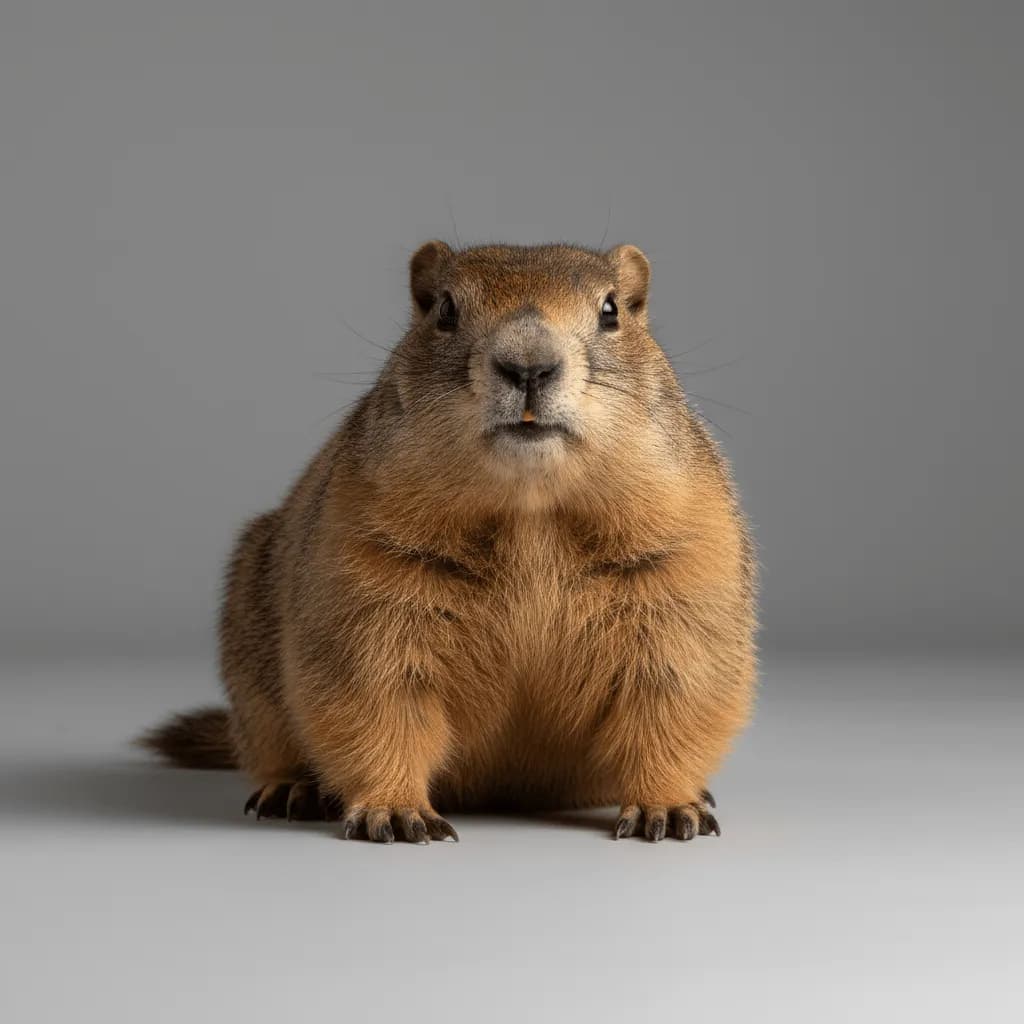
Groundhog
Marmota monax
The Groundhog is the largest member of the squirrel family in the eastern United States.
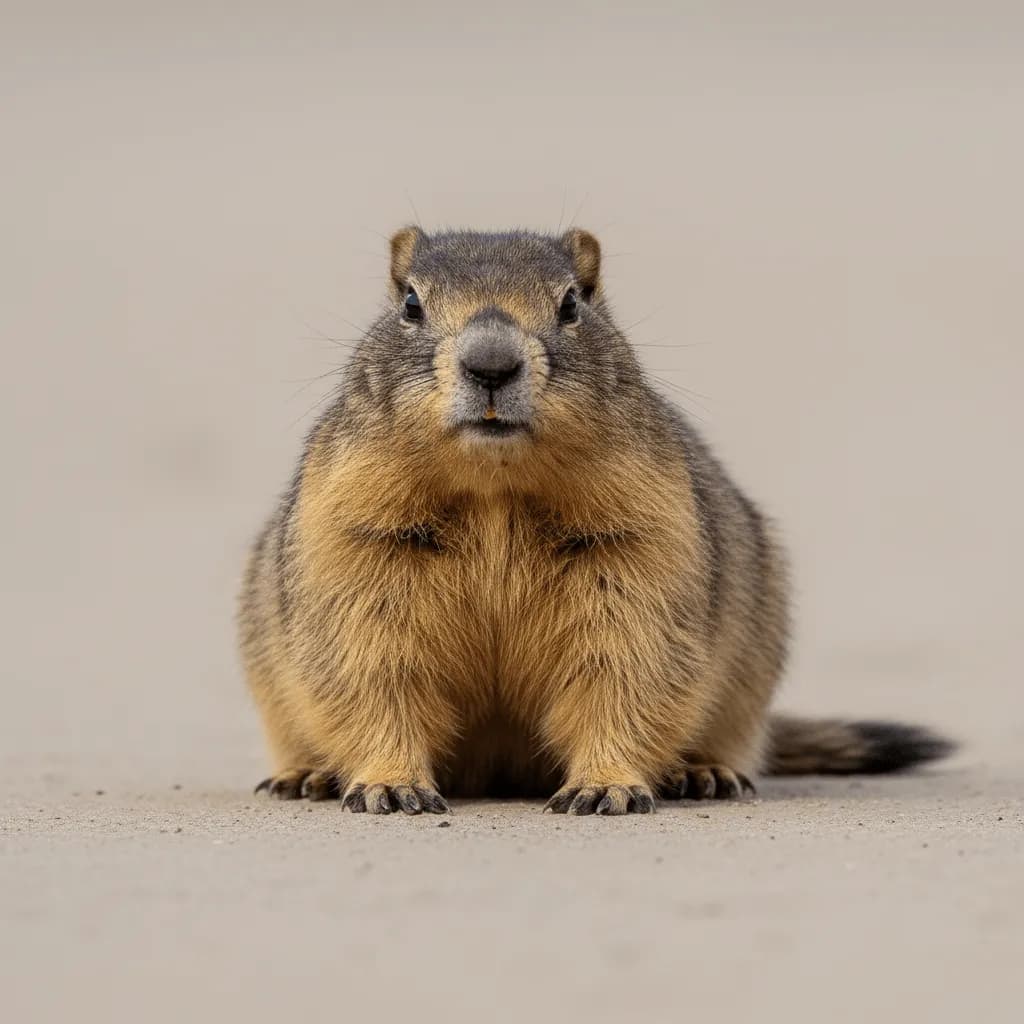
Yellow-Bellied Marmot
Marmota flaviventris
The Yellow-Bellied Marmot is the western counterpart of the eastern groundhog, inhabiting rocky mountain meadows, talus slopes, and increasingly suburban areas in foothill communities.
Key Behaviors
Groundhogs are diurnal herbivores that feed on grass, clover, garden vegetables, and ornamental plants. They hibernate from late fall through early spring. Their burrow systems can extend 25 to 30 feet with multiple chambers and entrances. They are solitary except during mating season and when females are raising young. They climb fences and even trees with surprising agility. Burrow entrance mounds can disrupt mowing and create tripping hazards.
Risks & Concerns
Groundhog burrows undermine foundations, sidewalks, driveways, and retaining walls. Their excavation displaces hundreds of pounds of soil. They cause extensive garden and landscape damage by feeding on vegetables, flowers, and ornamental plants. Burrow openings create tripping hazards for people and livestock. They can carry rabies and fleas. Their abandoned burrows attract secondary wildlife pests.
Quick Comparison
| Species | Size | Color | Key Trait |
|---|---|---|---|
| Groundhog | 400-650 mm body; 2-6 kg weight | Grizzled brown with a frosted appearance; darker feet and face; lighter underside | Stocky, heavy-bodied ground squirrel with short, powerful legs adapted for digging; short, bushy tail; large burrow mounds with crescent-shaped excavated soil piles. |
| Yellow-Bellied Marmot | 330-500 mm body; 1.5-5 kg weight | Yellowish-brown to tawny with a distinctive yellow to orange belly; white patch between the eyes | Yellow-orange underside; white patch between the eyes; stocky build; lives in rocky, mountainous terrain rather than the lowland fields preferred by groundhogs. |
Need Help With Groundhogs?
If you're seeing signs of groundhogs in or around your home, professional treatment is the fastest way to stop the problem. Lotus Pest Control offers free inspections to identify the issue and recommend the right solution.