
Skunks
Skunks are nocturnal mammals famous for their potent defensive spray, which can be detected from over a mile downwind and causes temporary blindness and intense nausea at close range. The striped skunk is the most common species encountered in pest situations. They den under decks, porches, sheds, and foundations, and dig cone-shaped holes in lawns while foraging for grubs and insects. Their presence near homes creates a constant risk of spraying incidents involving people, pets, and vehicles. They are a primary vector for rabies in the central United States.
Species in This Group (2)
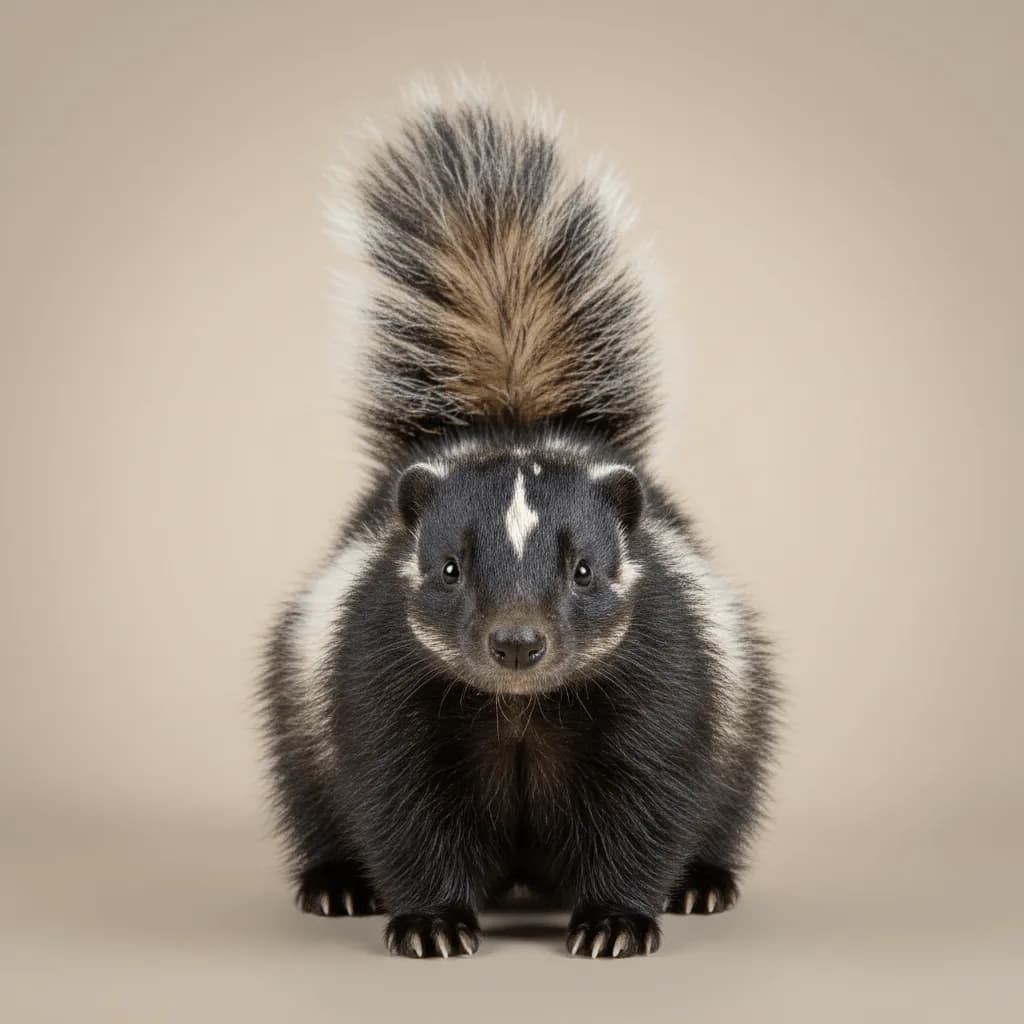
Striped Skunk
Mephitis mephitis
The Striped Skunk is well known for its potent defensive spray, which can cause temporary blindness and nausea.
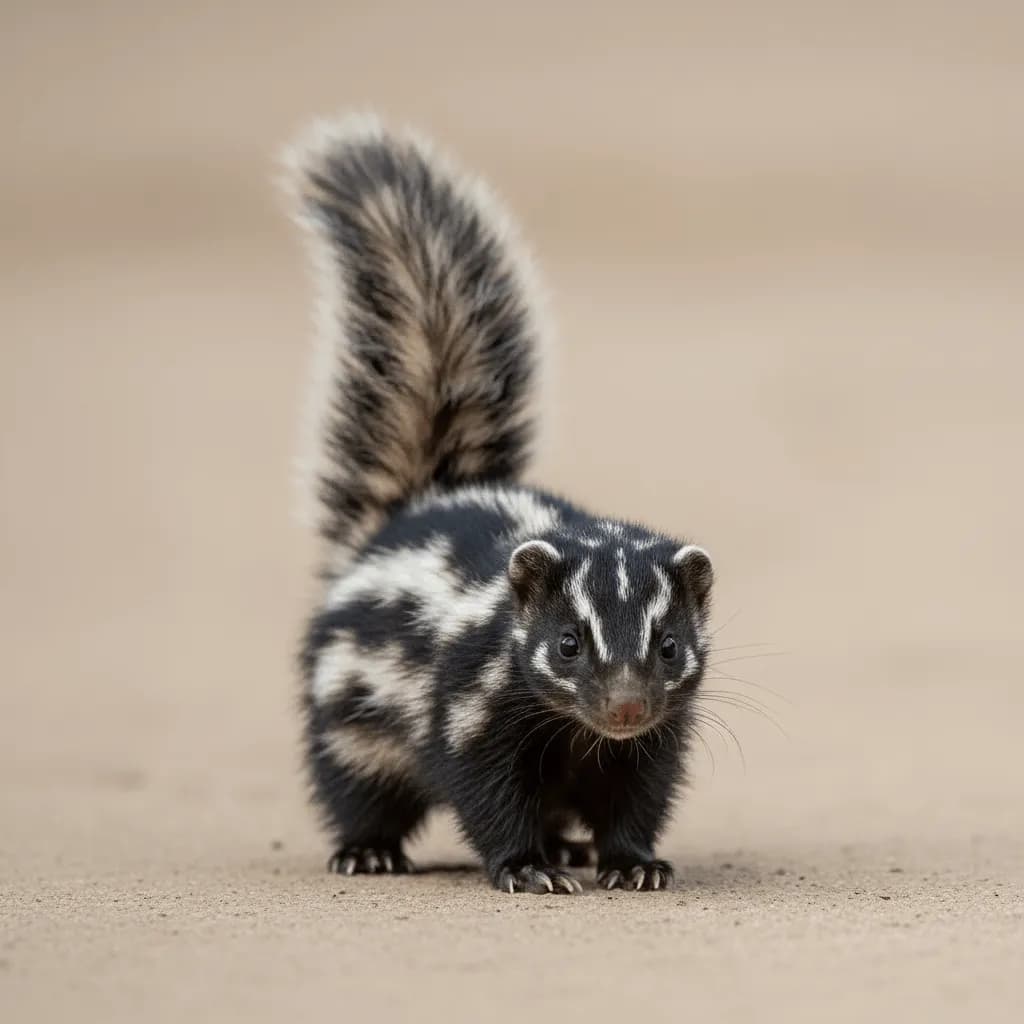
Spotted Skunk
Spilogale putorius
The Spotted Skunk is a smaller, more agile relative of the striped skunk that is declining in parts of its range.
Key Behaviors
Skunks are nocturnal foragers that dig shallow, cone-shaped holes in lawns to extract grubs and insects. They den under structures, in window wells, and in ground-level cavities. They spray a sulfur-containing compound from glands near the base of the tail with remarkable accuracy up to 15 feet. They give warning signals before spraying, including foot stamping, hissing, and raising their tail. They are poor climbers and generally access structures at ground level.
Risks & Concerns
Skunk spray causes temporary blindness, vomiting, and a persistent odor that is extremely difficult to remove from pets, clothing, and structures. They are a primary rabies vector in the central and western United States. Their digging damages lawns and landscapes. Denning under structures creates ongoing spray risk for pets and household members. Professional wildlife control is strongly recommended due to the spray risk during trapping and removal.
Quick Comparison
| Species | Size | Color | Key Trait |
|---|---|---|---|
| Striped Skunk | 330-460 mm body; 2.5-5.5 kg weight | Black with two prominent white stripes running from head to tail; white patch on forehead | Bold black-and-white coloring serves as a warning; can spray a pungent musk accurately up to 4.5 meters; distinctive waddling gait. |
| Spotted Skunk | 180-340 mm body; 0.4-1.0 kg weight | Black with irregular white spots and broken stripes; white spot on forehead | Much smaller than the striped skunk; irregular white spots and broken stripes instead of solid stripes; performs a dramatic handstand before spraying. |
Need Help With Skunks?
If you're seeing signs of skunks in or around your home, professional treatment is the fastest way to stop the problem. Lotus Pest Control offers free inspections to identify the issue and recommend the right solution.