
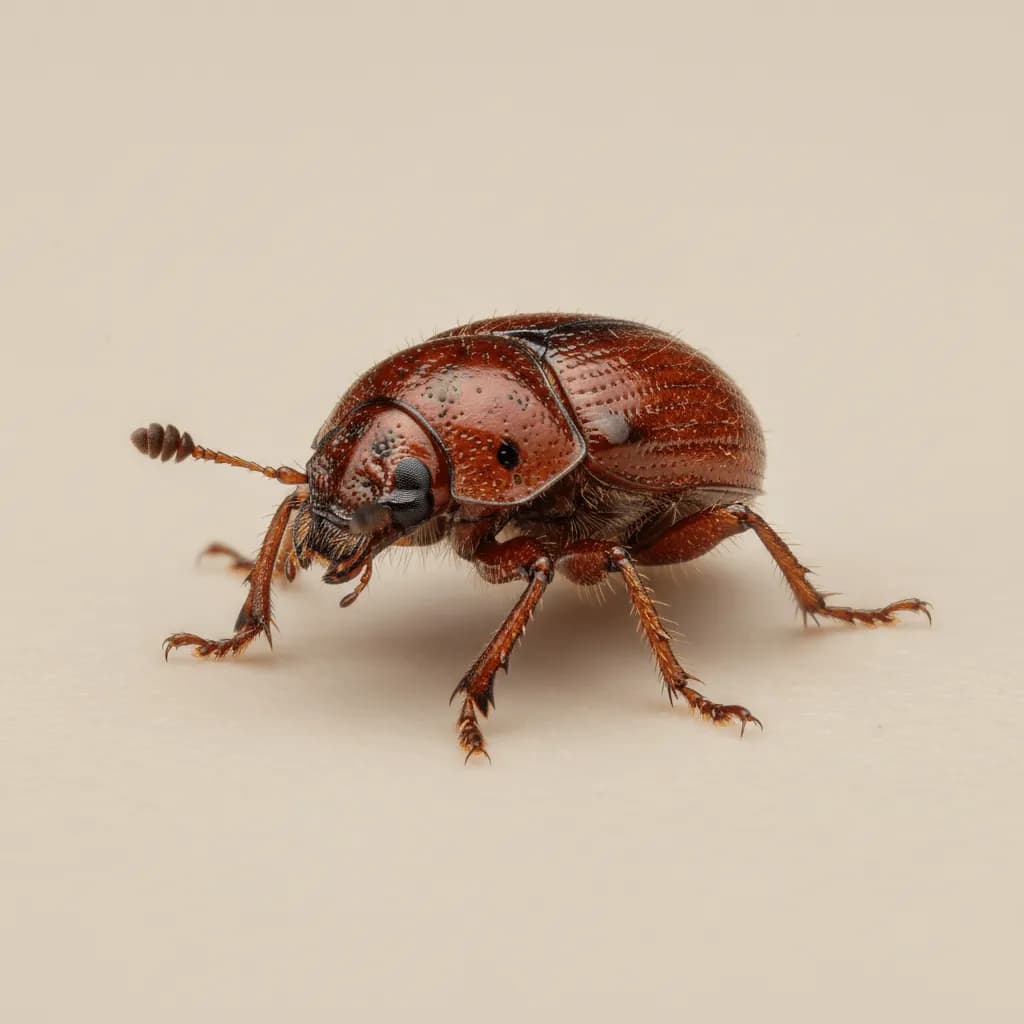
Confused Flour Beetle
Tribolium confusum
The Confused Flour Beetle is nearly identical to the Red Flour Beetle in appearance and habits. It gets its name not from its own confusion, but from confusion among entomologists who struggle to distinguish the two species. Unlike the red flour beetle, it cannot fly.
Identification
Size
3-4 mm
Color
Reddish-brown, nearly identical to red flour beetle
Key Trait
Nearly identical to red flour beetle; distinguished by abruptly enlarged 3-segmented antennal club; cannot fly.
Behavior & Habitat
Same feeding and contamination habits as the red flour beetle. Cannot fly, so it spreads more slowly between food sources. Both adults and larvae feed on stored products.
Habitat: Same as red flour beetle - pantries, mills, and grain storage facilities.
Diet: Flour, cereal, crackers, pasta, and processed grain products.
Signs of Infestation
- Same as red flour beetle - small beetles in flour and grain products
- Foul-smelling flour with pink discoloration in heavy infestations
Risks & Damage
Same contamination issues as red flour beetle.
Prevention Tips
- 1.Same as red flour beetle - sealed storage, shelf cleaning, stock rotation
Why DIY Treatment Often Falls Short
Same challenges as red flour beetle - hidden flour dust in cracks sustains populations.
Professional Treatment
Same as red flour beetle. In commercial settings, inability to fly means infestations tend to be more localized.
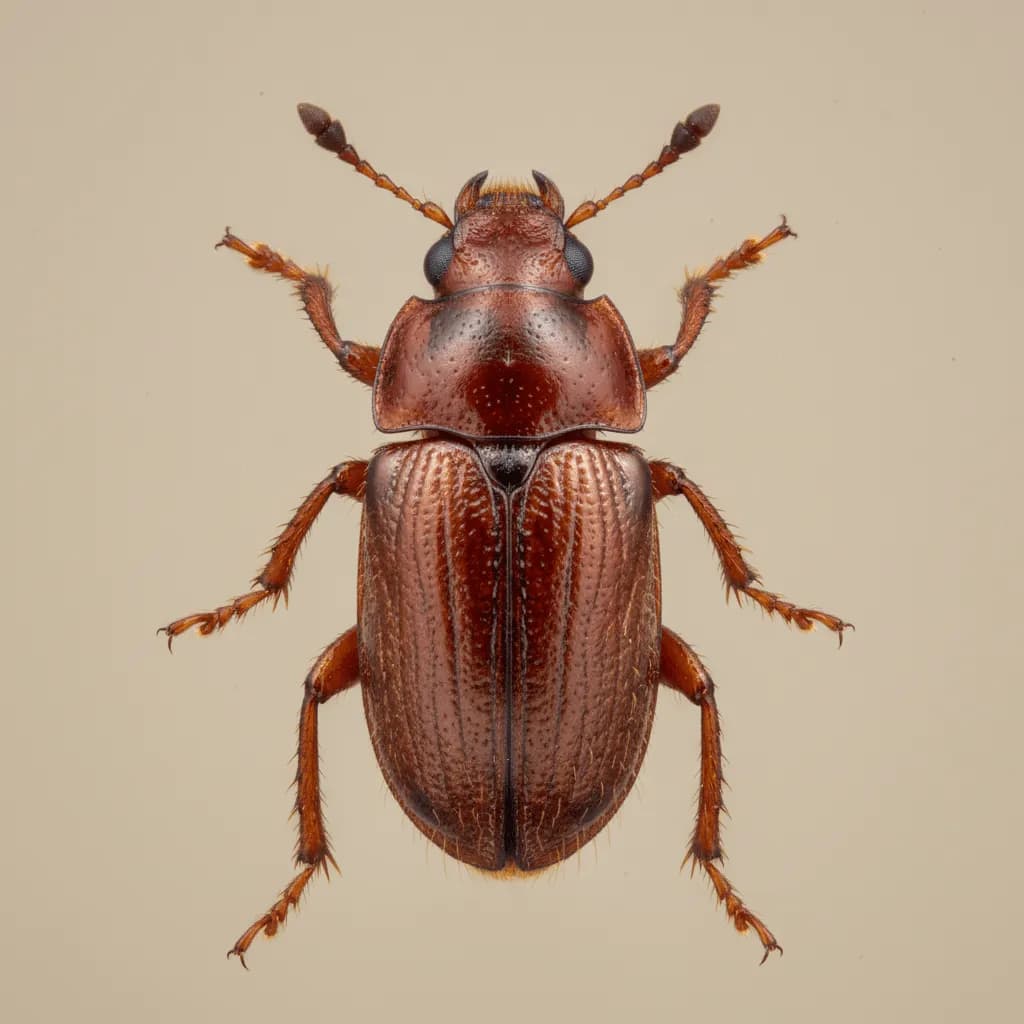
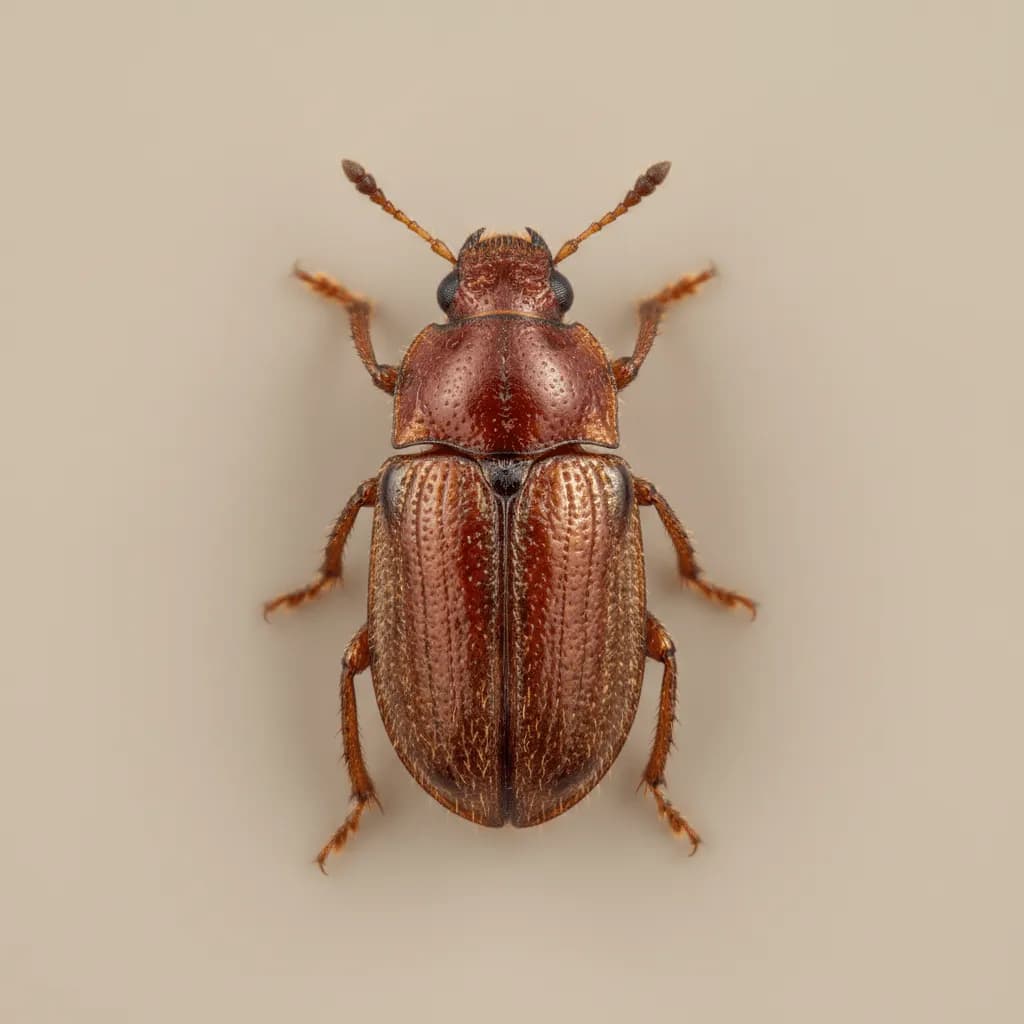
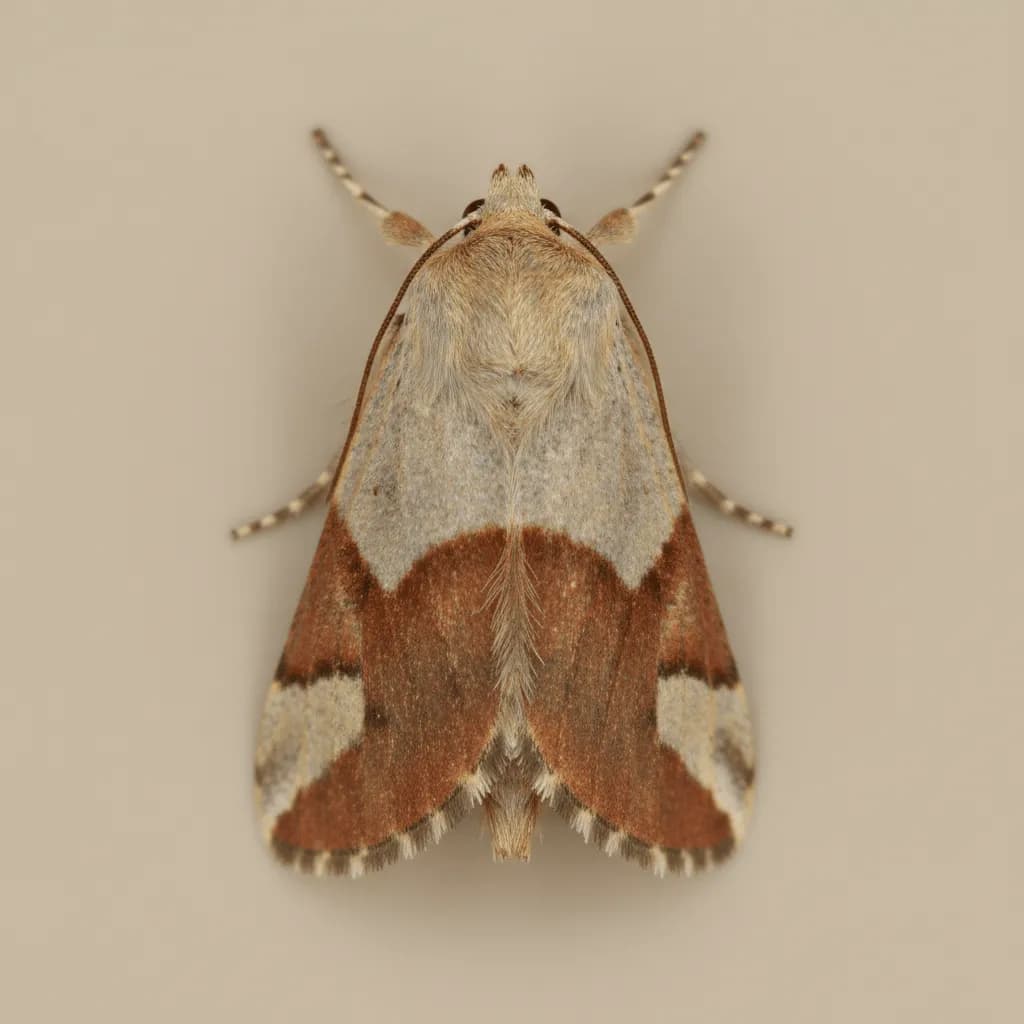
Related Pests
Frequently Asked Questions
Why is it called the confused flour beetle?
Can it fly?
Does it matter which species I have?
Need Help With Confused flour beetle?
If you're seeing signs of confused flour beetle in or around your home, professional treatment is the fastest way to stop the problem. Lotus Pest Control offers free inspections to identify the issue and recommend the right solution.
At a Glance
- Category
- Pantry Pests
- Scientific Name
- Tribolium confusum
- Size
- 3-4 mm
- Color
- Reddish-brown, nearly identical to red flour beetle
- Key Trait
- Nearly identical to red flour beetle; distinguished by abruptly enlarged 3-segmented antennal club; cannot fly.
- Regions
- Northeast, Midwest, Southeast, Pacific Northwest
- Threat Level
- Low
- Risk Types
- food
- Seasonal Activity
- MarAprMayJunJulAugSepOctNovDecJanFebnonelowmoderatehighpeak