
Pantry Pest
Pantry pests are a group of insects that infest stored food products including flour, cereal, grains, spices, dried fruit, pet food, and birdseed. The most common species include Indian meal moths, sawtoothed grain beetles, flour beetles, weevils, and drugstore beetles. These pests are almost always introduced into homes inside commercially packaged food that was infested at a processing facility, warehouse, or retail store. They reproduce rapidly inside dark, undisturbed pantry environments, and a single infestation can spread to multiple products before it is noticed. Thorough inspection and proper food storage are the cornerstones of control.
Species Covered
15
Species Groups
9
Common Traits
Pantry pests share an ability to thrive on dry, stored food products and to chew through or slip into thin packaging materials. Most species are small - often just a few millimeters long - and their larvae are typically the most damaging stage, feeding inside food products and leaving behind frass, webbing, or shed skins. Their life cycles can be as short as a few weeks in warm conditions.
Species in This Category
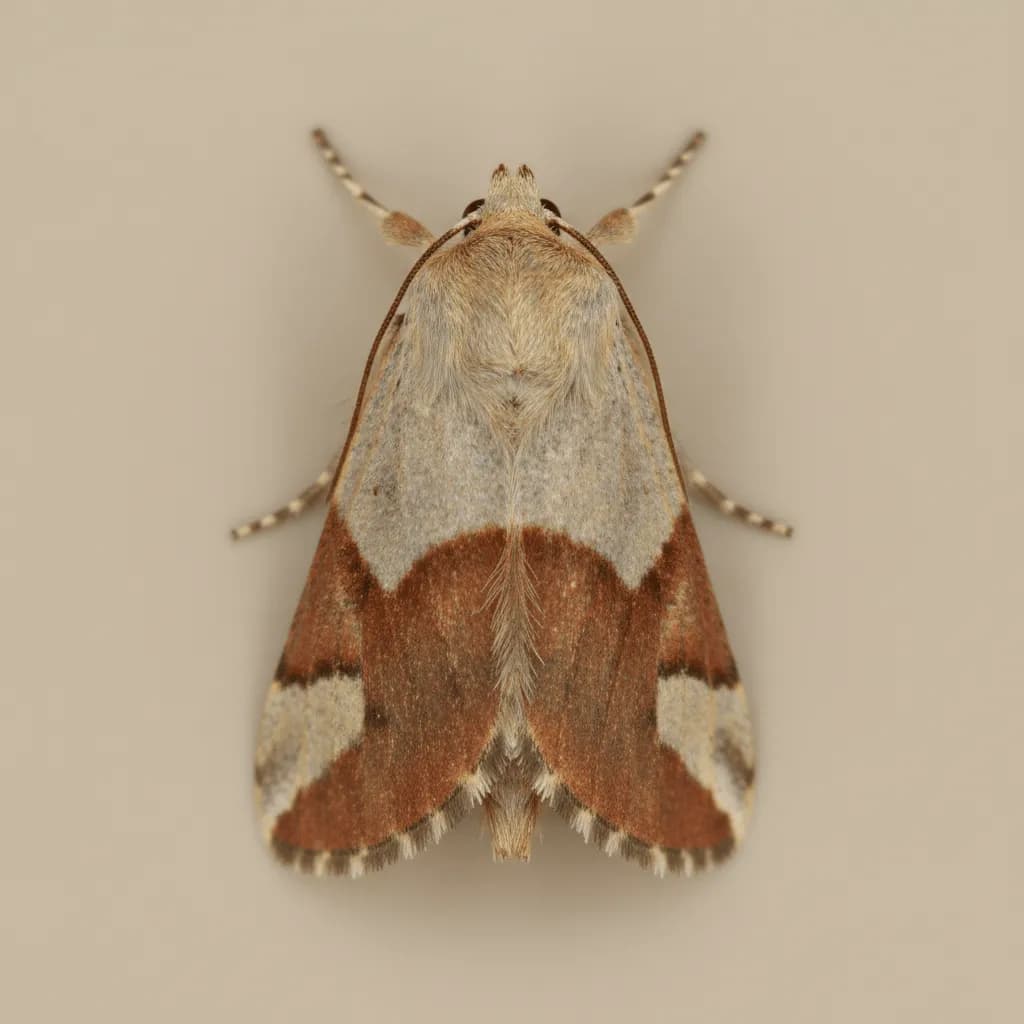
Indian Meal Moths
1 species
Indian meal moths are the most common stored product pest in homes and grocery stores.
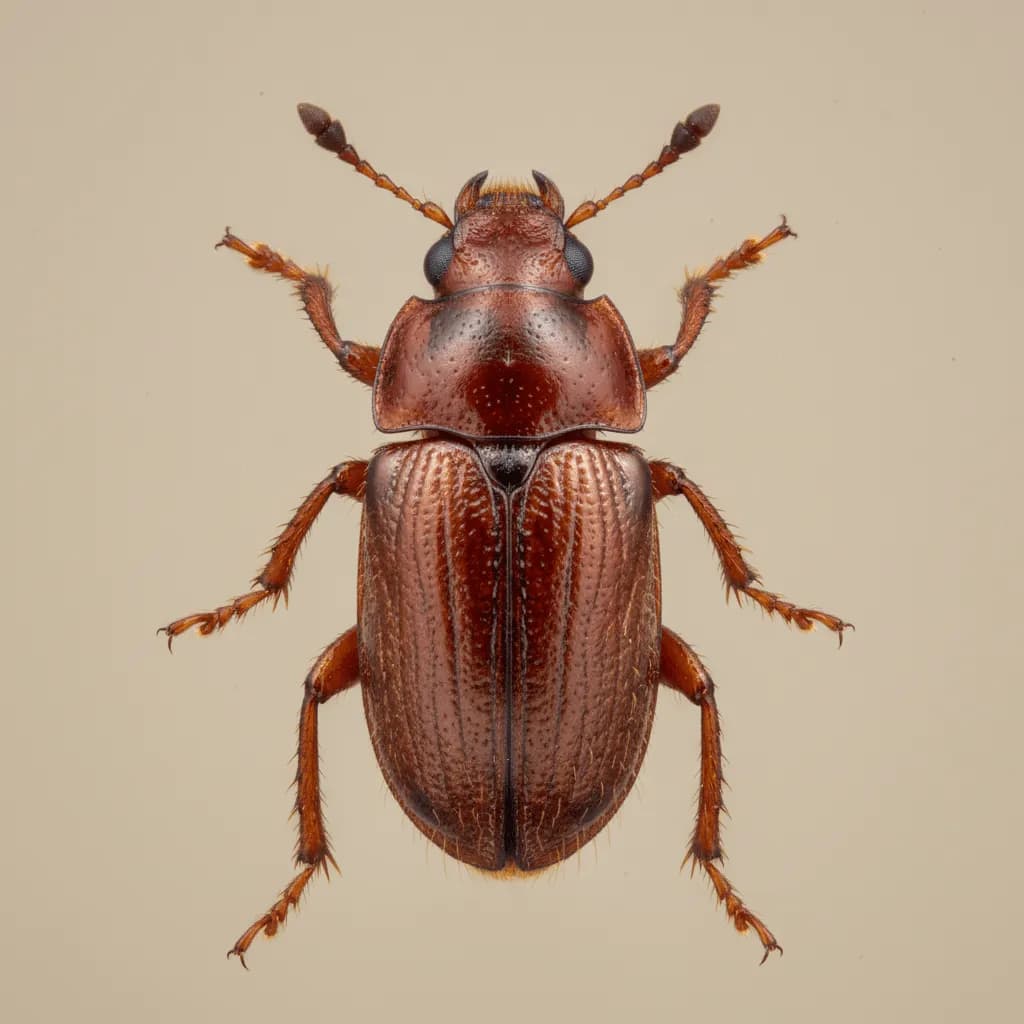
Flour Beetles
2 species
Flour beetles are small, reddish-brown beetles that are among the most common stored product pests in homes and commercial flour mills.
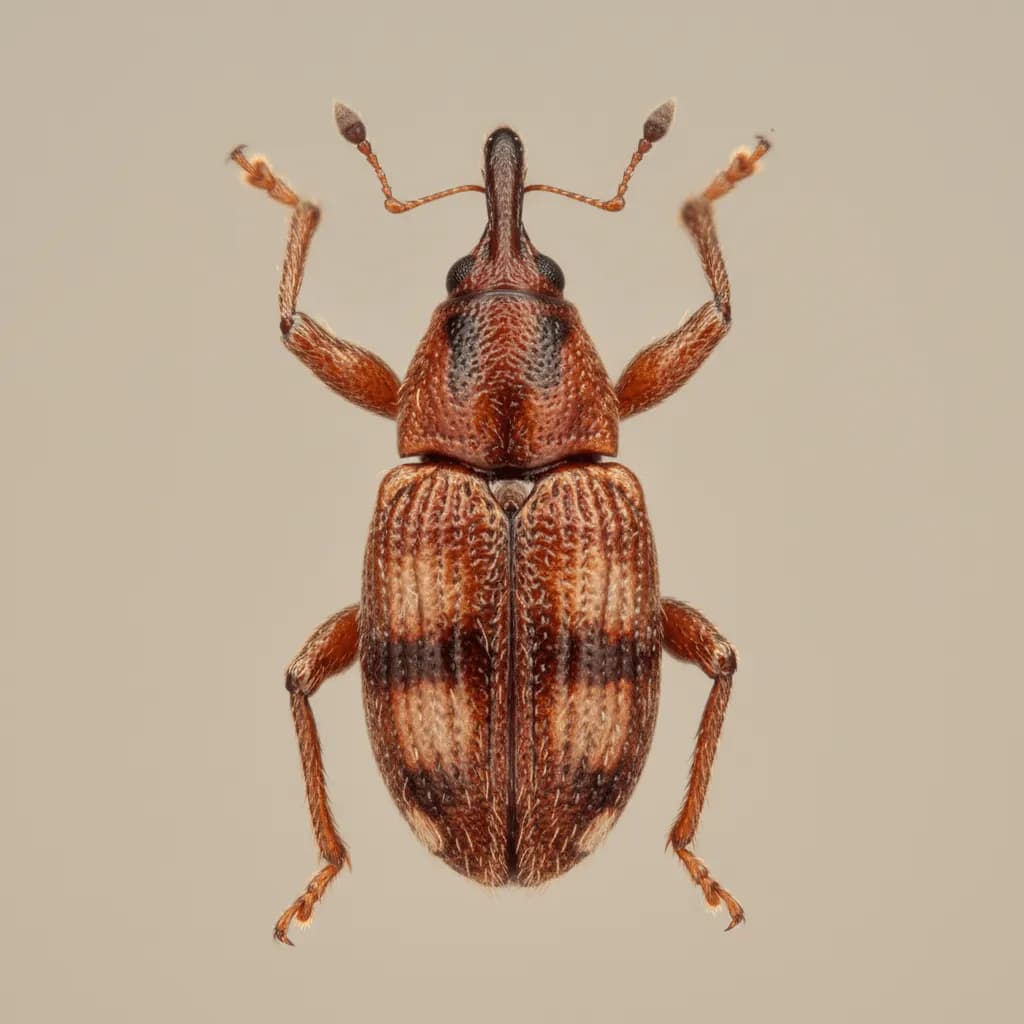
Weevils
4 species
Weevils are small beetles with distinctive elongated snouts that allow them to bore into whole grain kernels, seeds, and legumes to lay eggs.
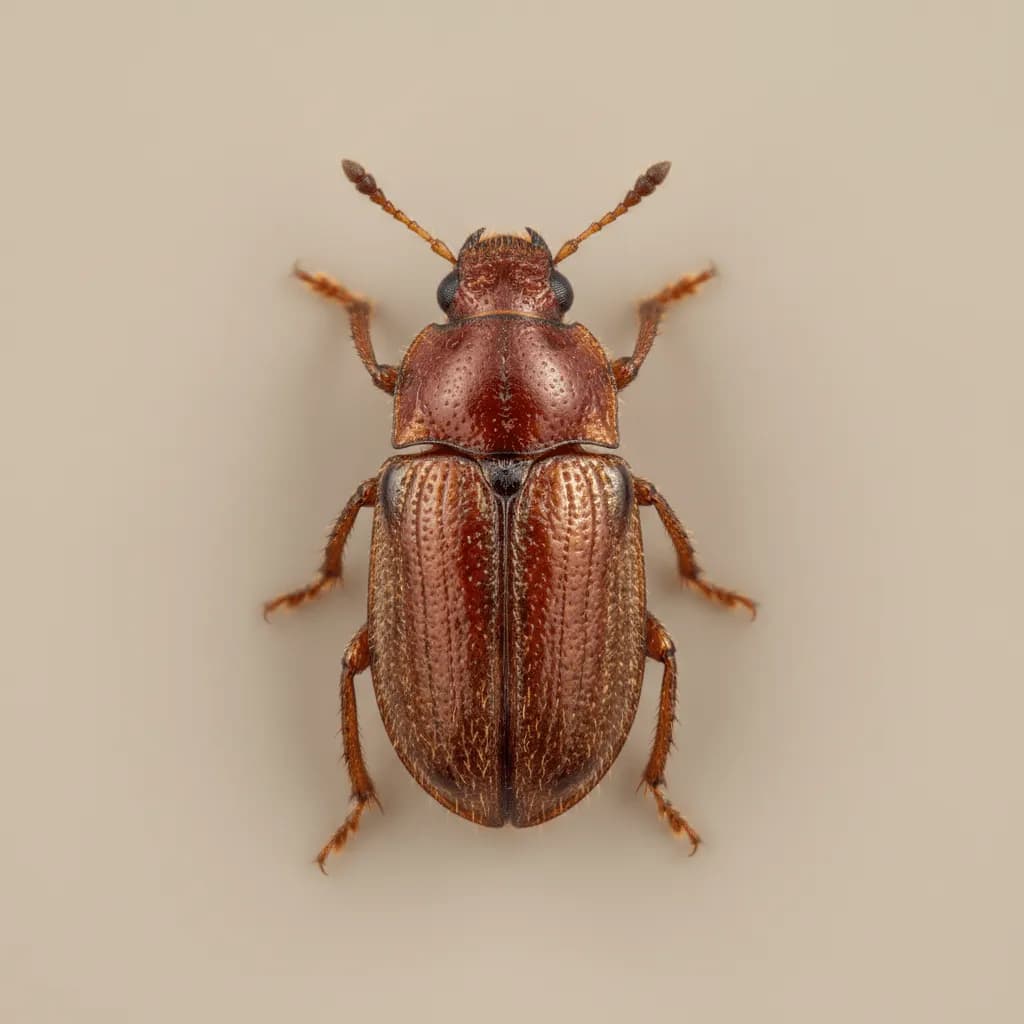
Grain Beetles
3 species
Grain beetles are small, flat, brown beetles that infest a wide range of stored food products.
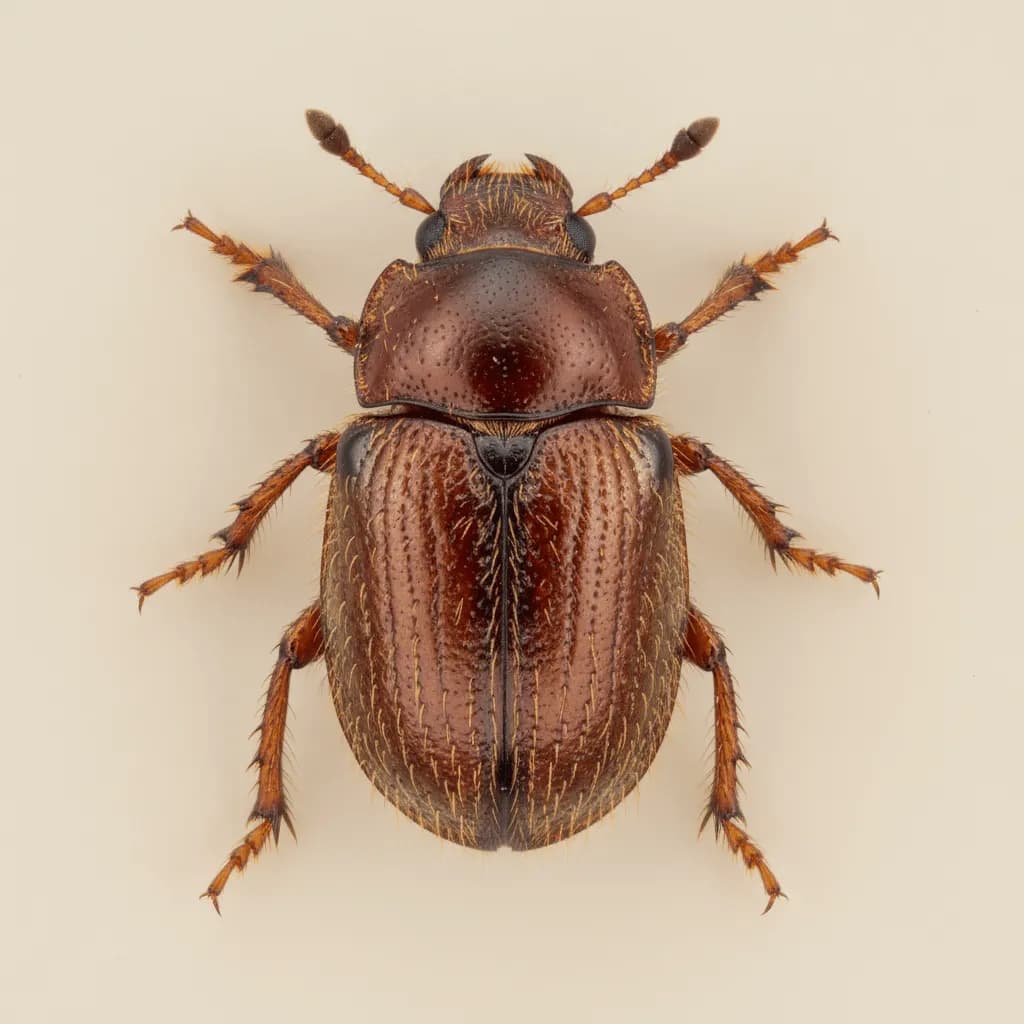
Drugstore Beetles
1 species
Drugstore beetles are small, oval, reddish-brown beetles that feed on an extraordinarily wide range of materials.
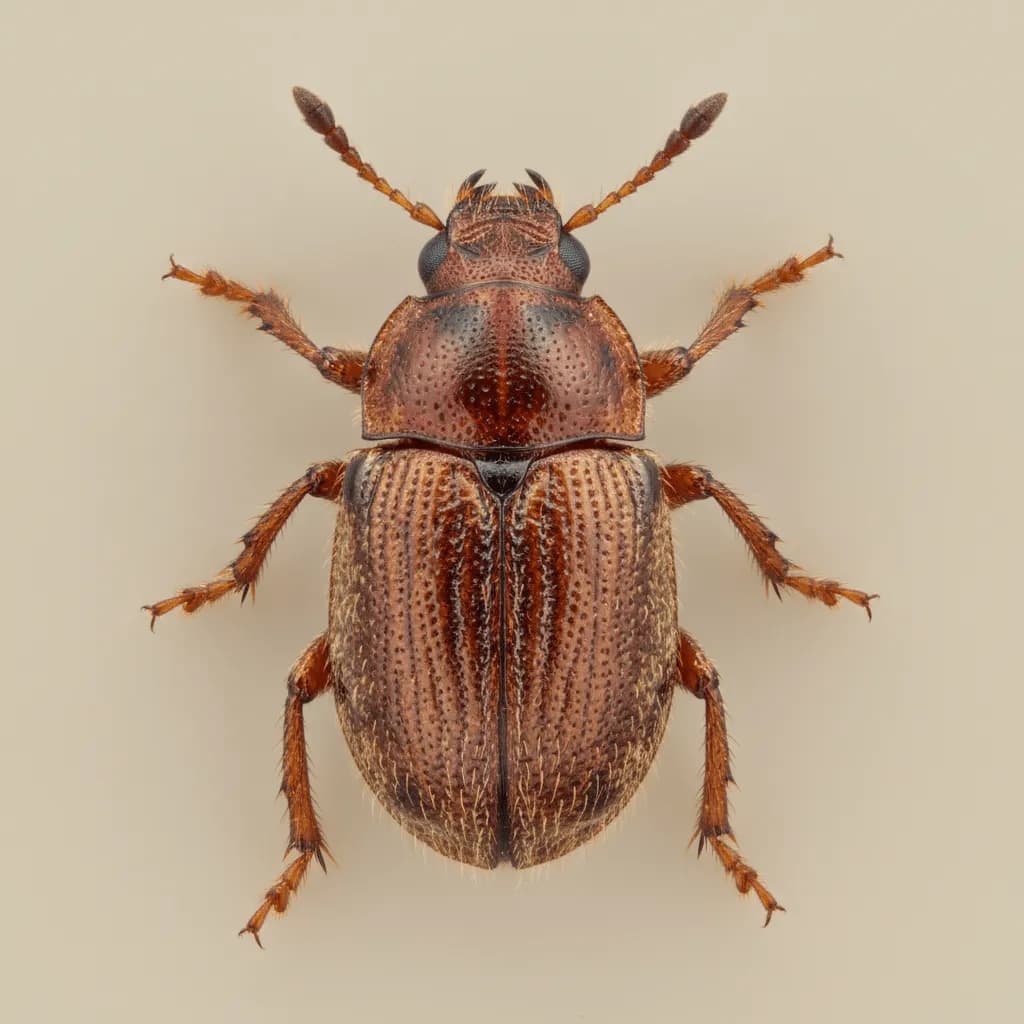
Cigarette Beetles
1 species
Cigarette beetles are small, oval, yellowish-brown to reddish-brown beetles named for their historical damage to stored tobacco products.
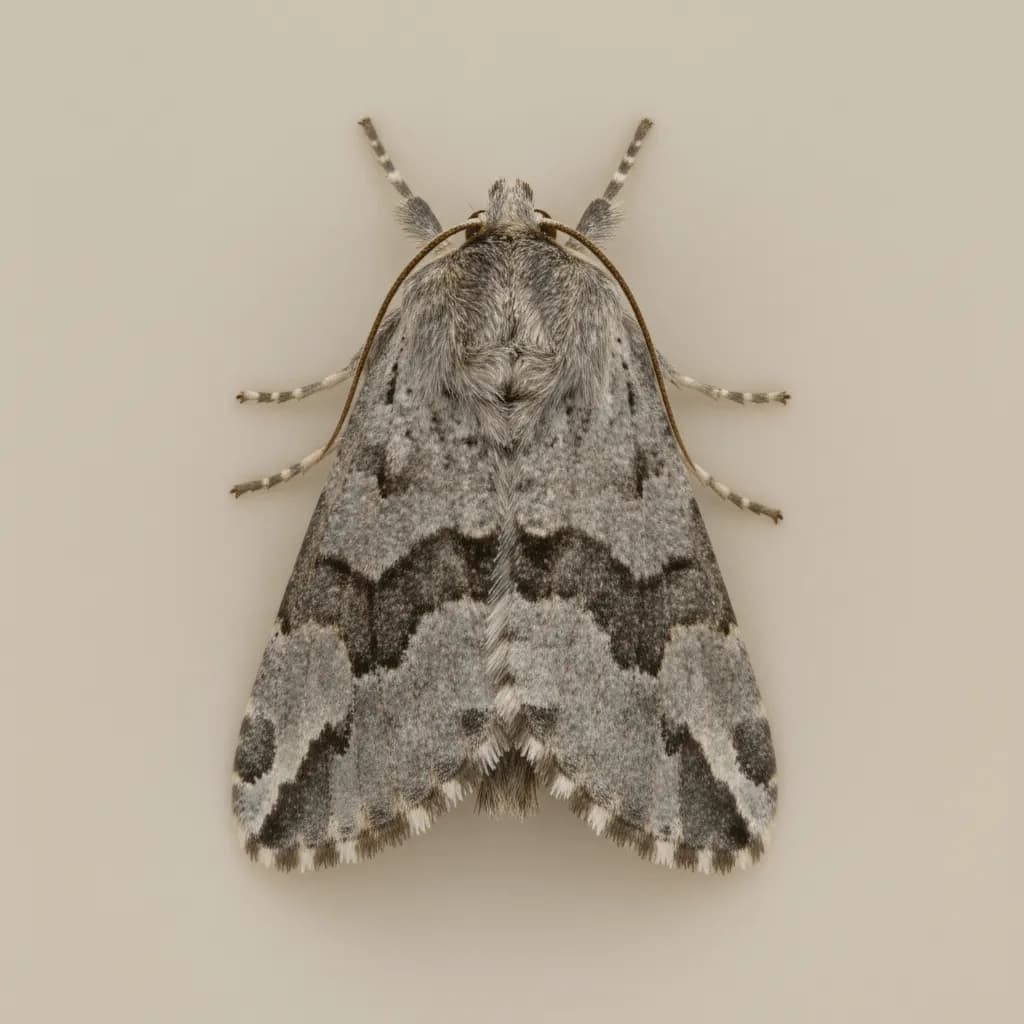
Pantry Moths
3 species
Pantry moths include several species beyond the Indian meal moth that infest stored food products in homes and commercial settings.
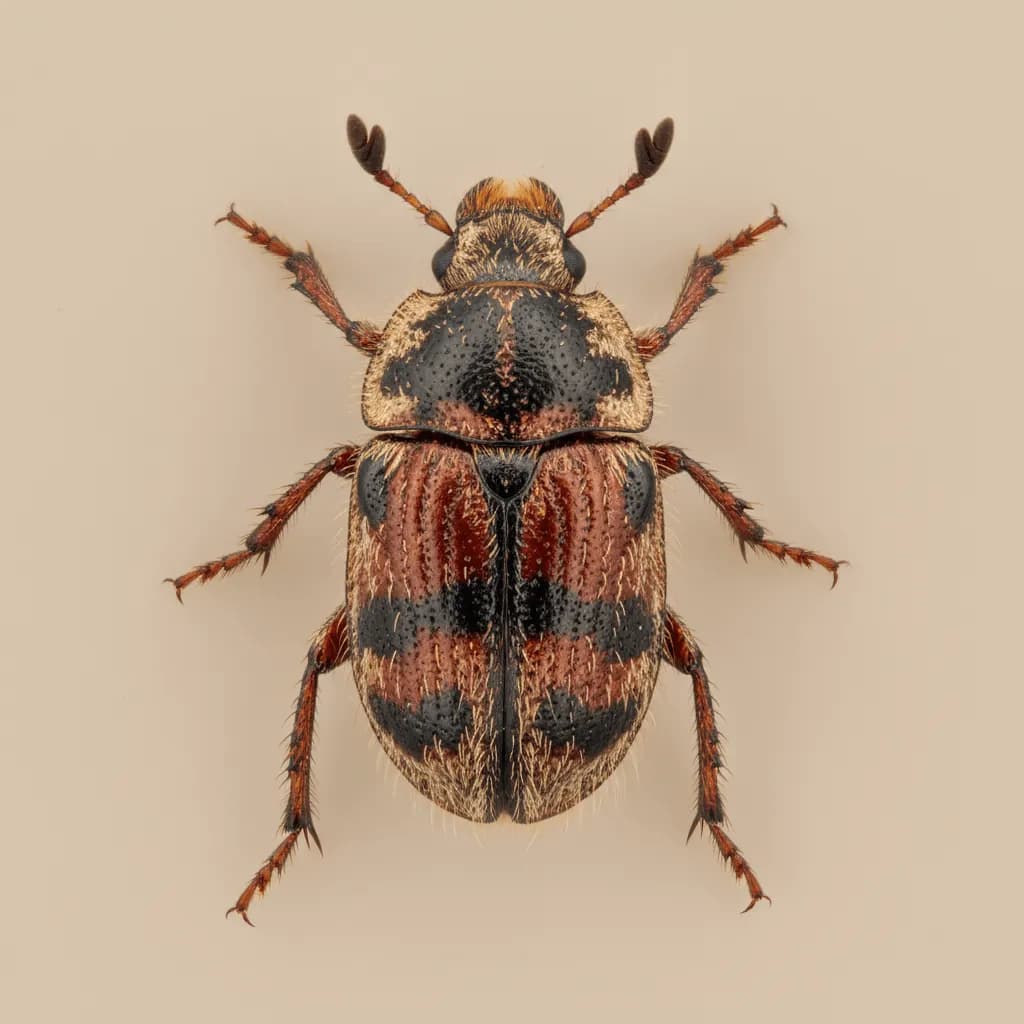
Dermestid Beetles
2 species
The Warehouse Beetle is one of the most common and economically important stored product pests in the United States.
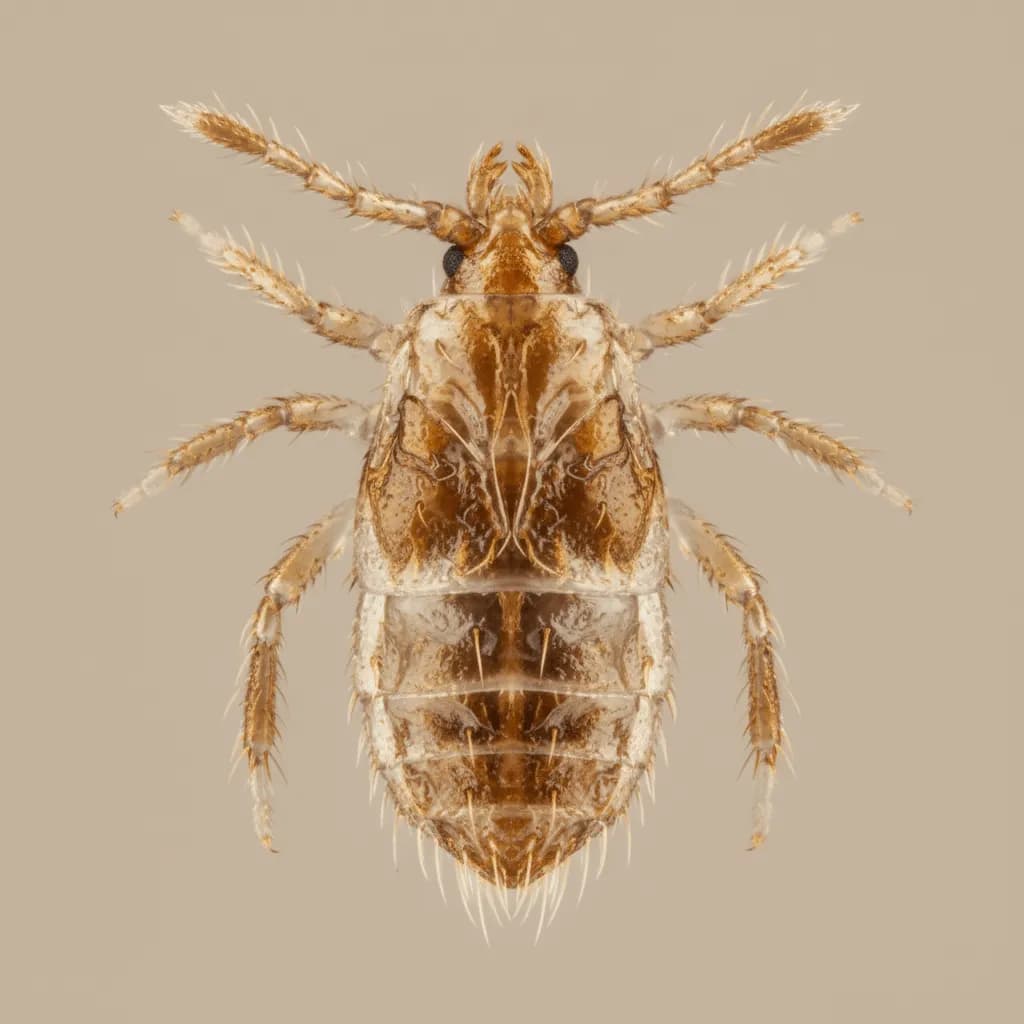
Grain Mites
1 species
The Grain Mite is a microscopic stored product pest that thrives in high-humidity conditions.
All Pantry Pest
Signs of Infestation
- Small moths flying in the kitchen, especially near cabinets and pantry areas
- Tiny beetles crawling on shelves, countertops, or inside food containers
- Fine webbing lining the inside of food packages or connecting food particles together
- Small holes in packaging of flour, cereal, rice, or other dry goods
- Larvae or pupae found inside food products or in crevices of shelving
- An unexplained stale or musty smell from stored food items
Prevention
Preventing pantry pests starts at the store - inspect packaging for damage or signs of insects before purchasing. At home, transfer dry goods into airtight glass, metal, or heavy plastic containers rather than leaving them in original packaging. Regular pantry cleaning, stock rotation (first in, first out), and prompt disposal of expired products eliminate the conditions that allow infestations to take hold.
Frequently Asked Questions
How did pantry pests get into my sealed food?
Is food contaminated by pantry pests safe to eat?
How do I clean my pantry after finding an infestation?
Will freezing kill pantry pests?
Why do I keep getting pantry moths even after cleaning?
Do pheromone traps solve a pantry pest problem?
Need Help With Pantry pest?
If you're seeing signs of pantry pest in or around your home, professional treatment is the fastest way to stop the problem. Lotus Pest Control offers free inspections to identify the issue and recommend the right solution.