
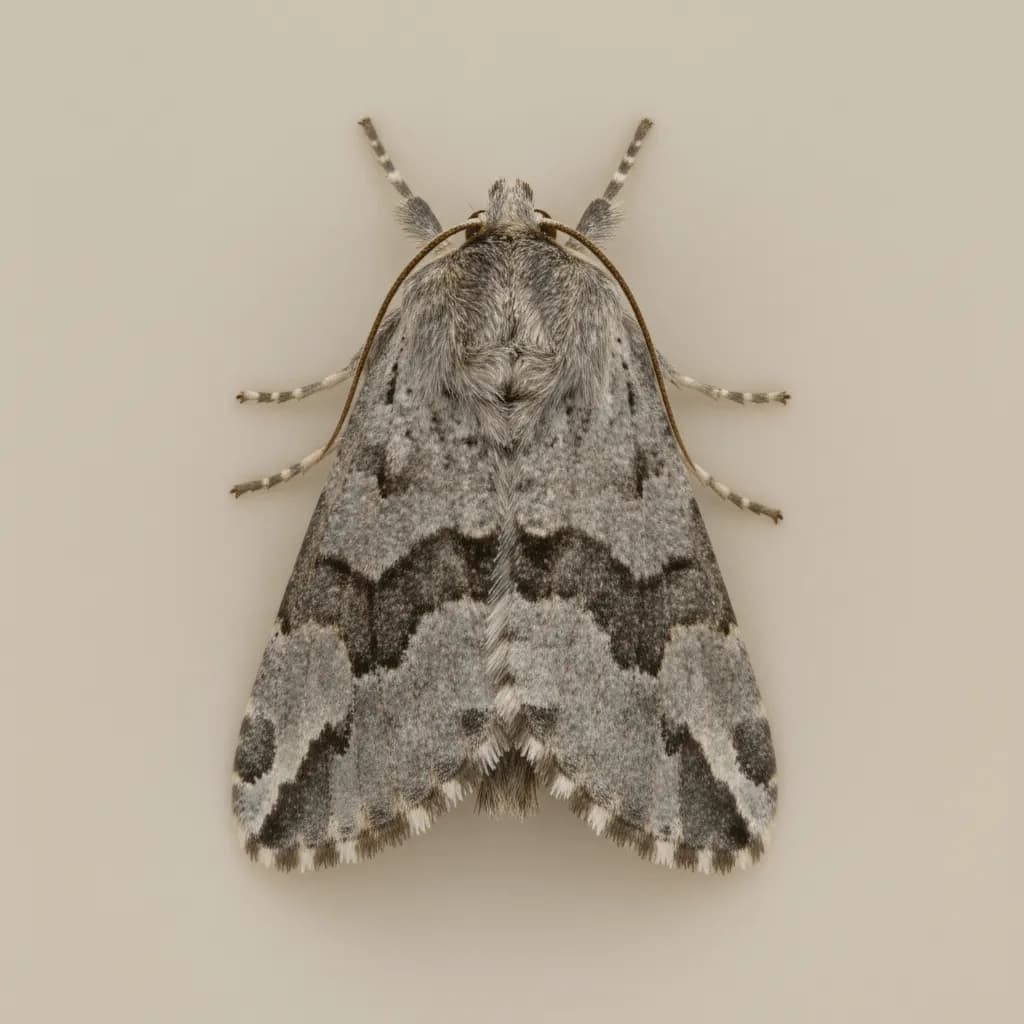
Mediterranean Flour Moth
Ephestia kuehniella
Also known as: Mill Moth
The Mediterranean Flour Moth is a significant pest of stored grain products, especially in flour mills and bakeries. Larvae spin extensive silk webbing through flour and cereal products, contaminating much more than they consume. It is less common in homes than the Indian Meal Moth but can be introduced through bulk grain purchases.
Identification
Size
10-14 mm wingspan
Color
Gray with dark zigzag markings across the forewings
Key Trait
Gray wings with dark zigzag bands; found near flour, cereal, and grain products; larvae spin silk webbing through infested products.
Behavior & Habitat
Larvae spin dense silk webbing through stored products as they feed, clogging machinery in mills and rendering food inedible. Adults are weak fliers attracted to lights.
Habitat: Flour mills, bakeries, grain storage, and pantries. Infests flour, cereals, bran, and processed grain products.
Diet: Flour, cereal, grain products, dried fruits, and nuts.
Signs of Infestation
- Silk webbing in flour and cereal products
- Small gray moths flying near pantry lights
- Larvae in stored grain products
Risks & Damage
Larvae contaminate stored food products with silk webbing and frass.
Prevention Tips
- 1.Store flour and cereals in sealed containers
- 2.Inspect bulk grain purchases before pantry storage
- 3.Clean pantry shelves regularly
- 4.Use pheromone traps to monitor for activity
Why DIY Treatment Often Falls Short
Infested products must be found and discarded. Spraying the pantry is ineffective and contaminates food storage areas.
Professional Treatment
Professionals conduct a thorough pantry inspection, discard infested products, apply crack-and-crevice treatments to shelving, and deploy pheromone traps for monitoring. Insect growth regulators may be used in commercial settings.
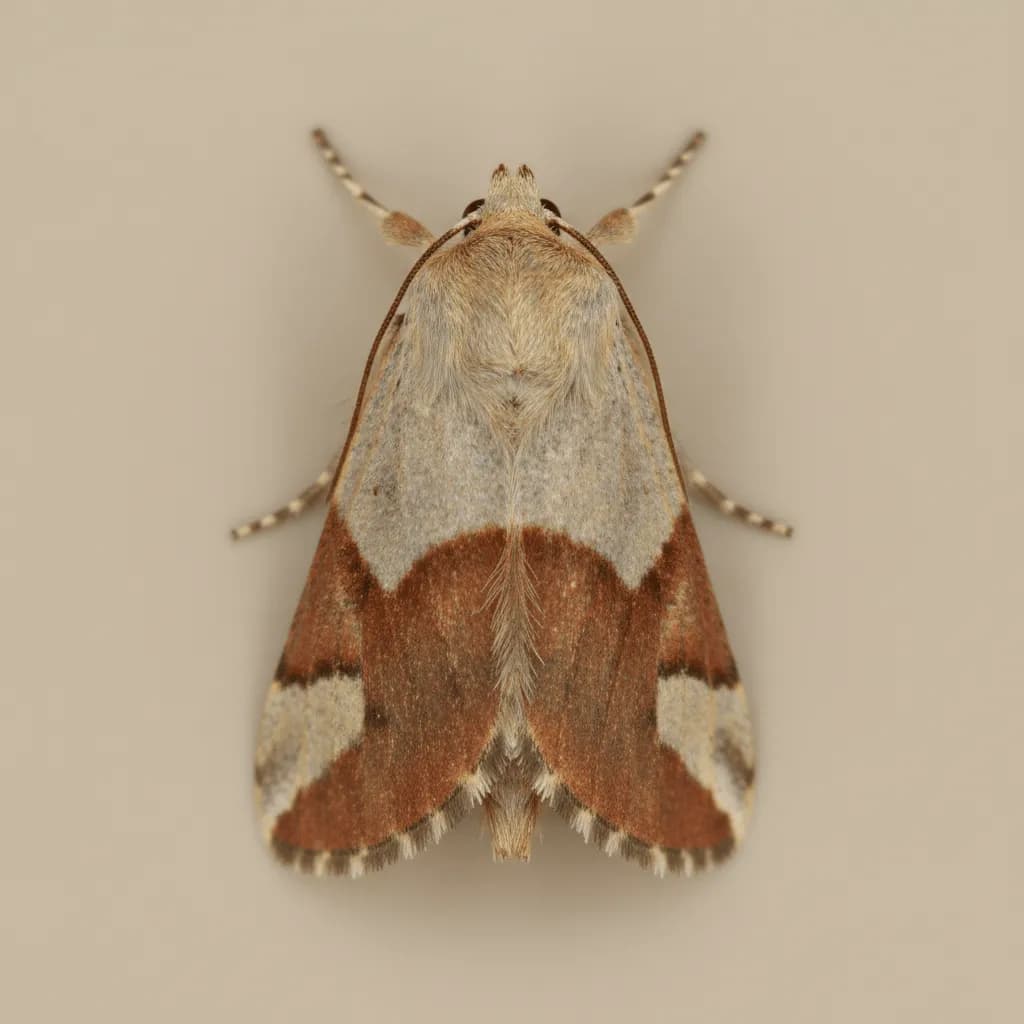
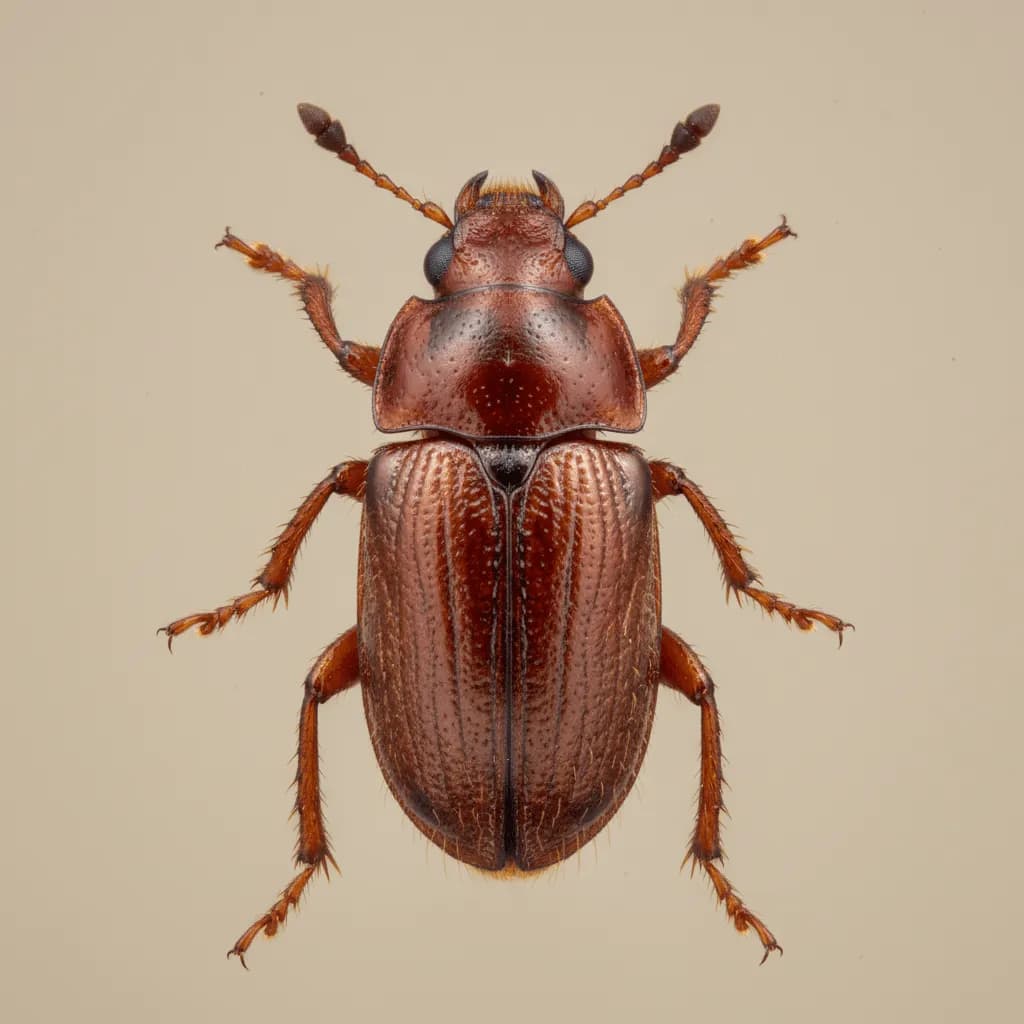
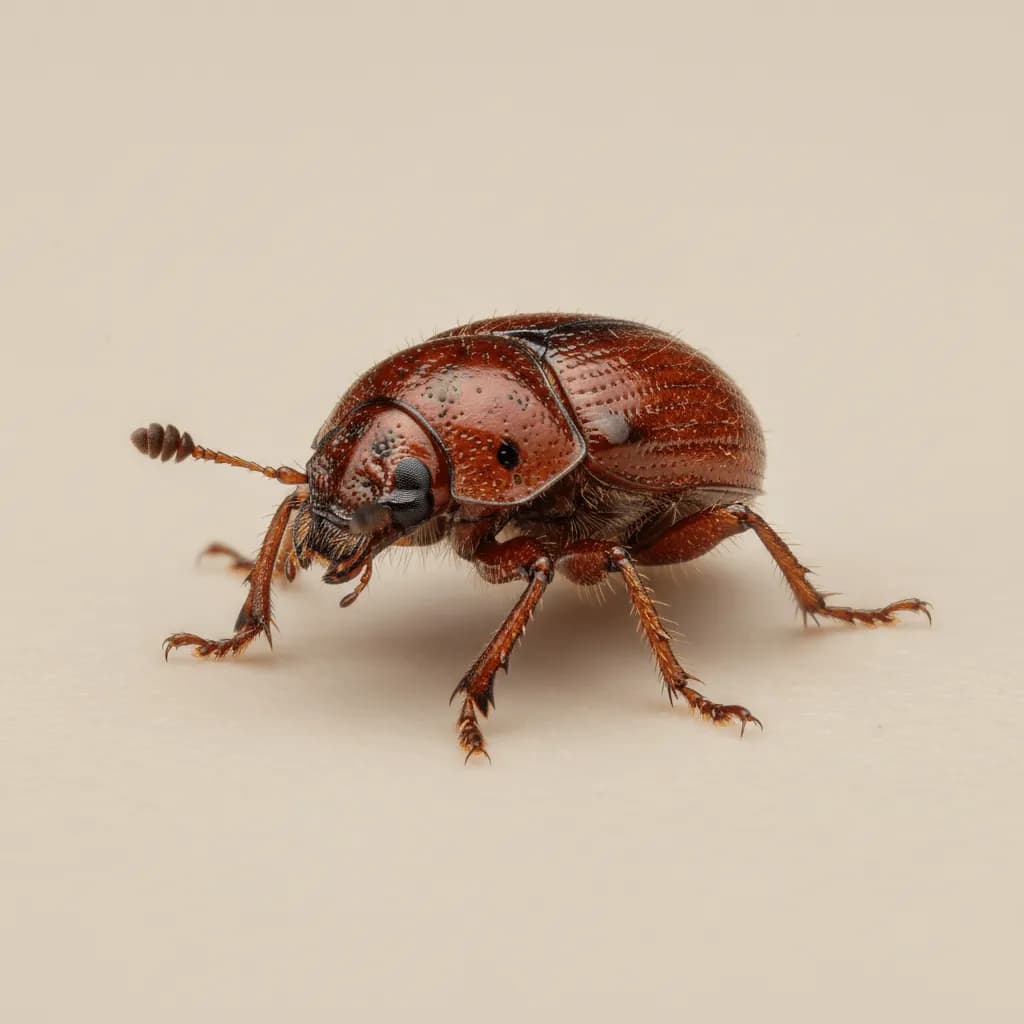
Related Pests
Frequently Asked Questions
How did flour moths get in my sealed flour bag?
Is the food safe to eat if I pick out the webbing?
How do I prevent re-infestation?
Need Help With Mediterranean flour moth?
If you're seeing signs of mediterranean flour moth in or around your home, professional treatment is the fastest way to stop the problem. Lotus Pest Control offers free inspections to identify the issue and recommend the right solution.
At a Glance
- Category
- Pantry Pests
- Scientific Name
- Ephestia kuehniella
- Size
- 10-14 mm wingspan
- Color
- Gray with dark zigzag markings across the forewings
- Key Trait
- Gray wings with dark zigzag bands; found near flour, cereal, and grain products; larvae spin silk webbing through infested products.
- Regions
- Northeast, Southeast, Midwest, Southwest
- Threat Level
- Low
- Risk Types
- food
- Seasonal Activity
- MarAprMayJunJulAugSepOctNovDecJanFebnonelowmoderatehighpeak