
Pantry Moths
Pantry moths include several species beyond the Indian meal moth that infest stored food products in homes and commercial settings. The Mediterranean flour moth, almond moth, and raisin moth are among the most commonly encountered. They share the general pattern of larvae feeding on stored grain products, dried fruits, nuts, and other foods while producing conspicuous silken webbing. Adults are small, generally drab moths that do not feed and are often found resting on walls and ceilings or flying near food storage areas.
Species in This Group (2)
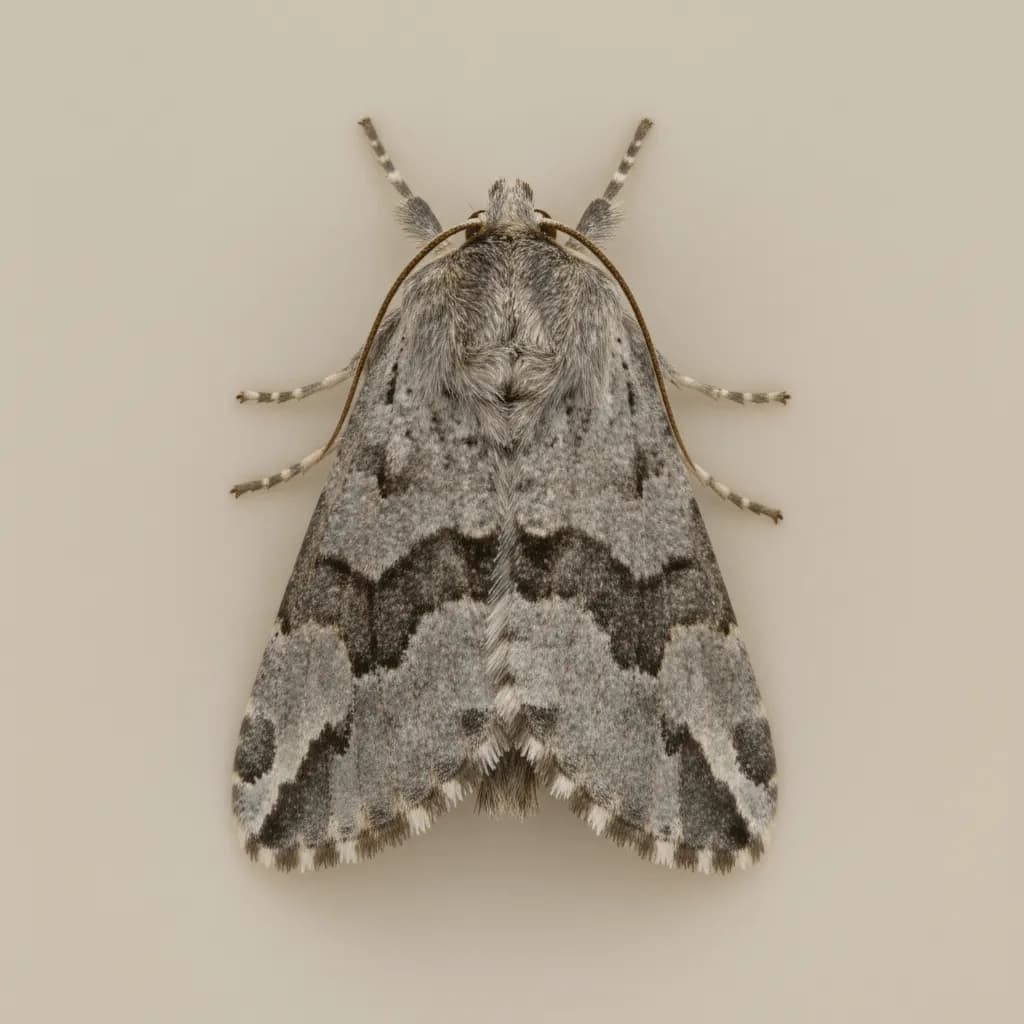
Mediterranean Flour Moth
Ephestia kuehniella
The Mediterranean Flour Moth is a significant pest of stored grain products, especially in flour mills and bakeries.
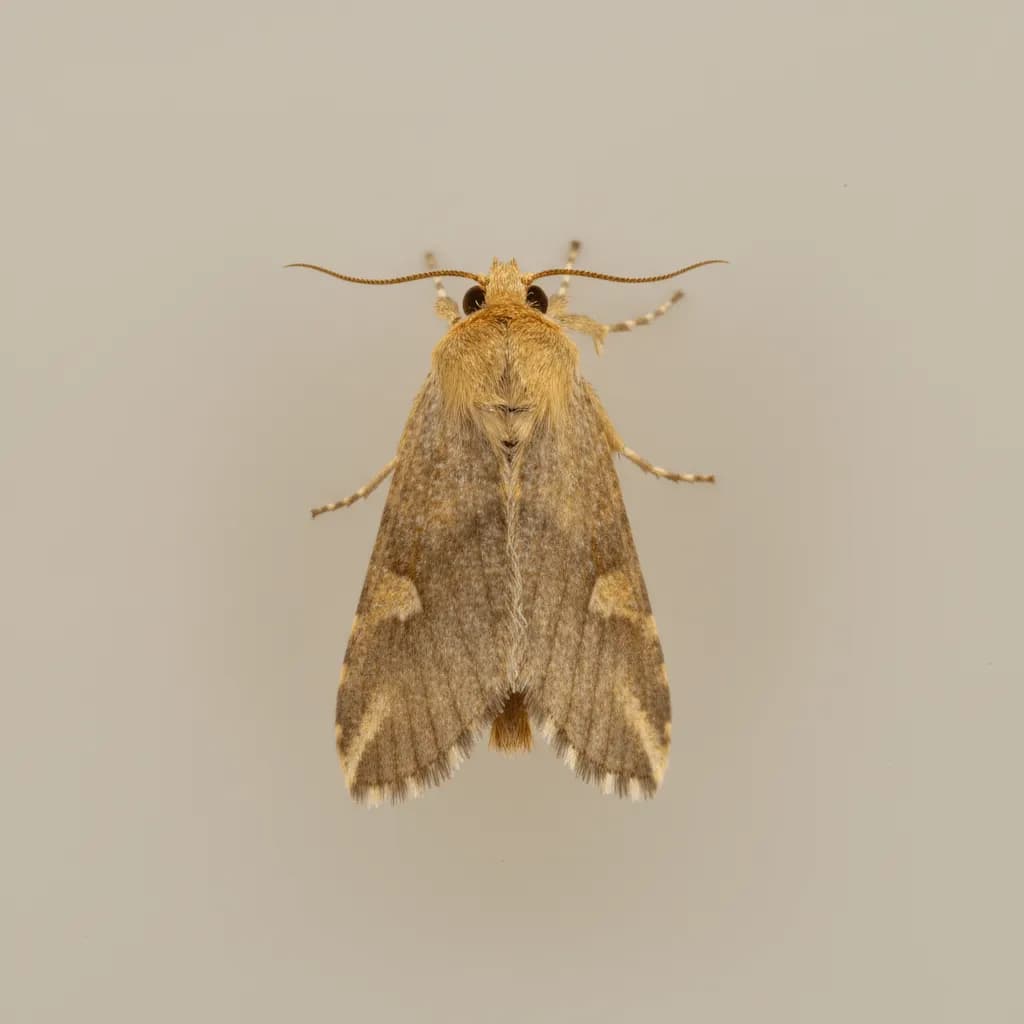
Angoumois Grain Moth
Sitotroga cerealella
The Angoumois Grain Moth is a significant pest of whole stored grain, particularly corn, wheat, and barley.
Key Behaviors
Pantry moth larvae produce silken webbing in and on their food source, which is often the first visible sign of infestation. Mature larvae leave the food to pupate in cracks, corners, and on walls and ceilings. Adults are attracted to light and may be found far from the food source. Different species prefer different foods: flour moths in flour and grain, almond moths in nuts and dried fruit, and raisin moths in dried fruit and confections.
Risks & Concerns
Pantry moths contaminate food with webbing, frass, and larval skins, requiring disposal of infested products. Their webbing can clog machinery in commercial food processing. Infestations spread from product to product in pantries and warehouses. Proper species identification helps narrow the search for breeding sources. Pheromone traps are effective monitoring tools but do not control infestations alone.
Quick Comparison
| Species | Size | Color | Key Trait |
|---|---|---|---|
| Mediterranean Flour Moth | 10-14 mm wingspan | Gray with dark zigzag markings across the forewings | Gray wings with dark zigzag bands; found near flour, cereal, and grain products; larvae spin silk webbing through infested products. |
| Angoumois Grain Moth | 6-9 mm wingspan | Pale yellowish-brown to buff-colored wings with a distinctive pointed fringe on the trailing edge of the hindwings | Smaller than Indian meal moth; uniformly pale buff-colored wings with no banding; hindwings have a distinctive pointed finger-like projection; larvae develop entirely inside individual grain kernels. |
Need Help With Pantry moths?
If you're seeing signs of pantry moths in or around your home, professional treatment is the fastest way to stop the problem. Lotus Pest Control offers free inspections to identify the issue and recommend the right solution.