
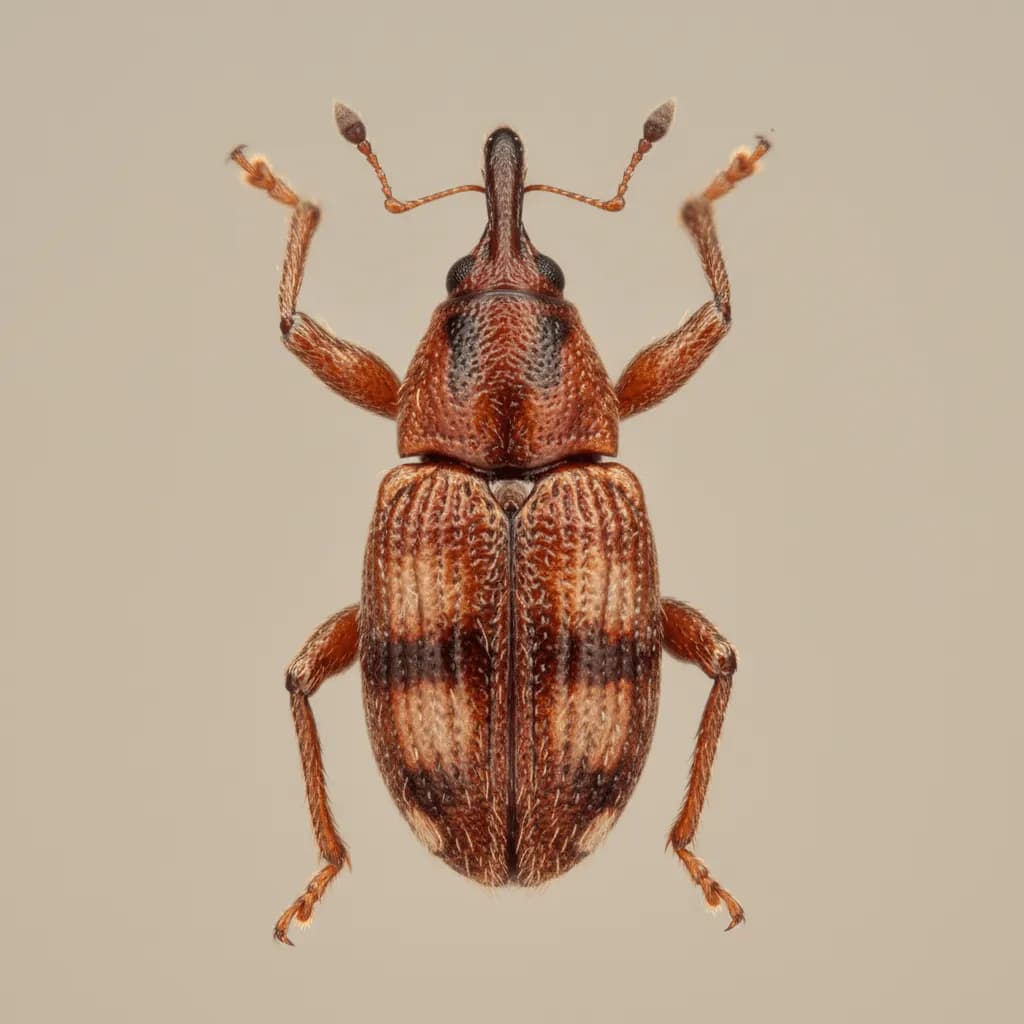
Rice Weevil
Sitophilus oryzae
The Rice Weevil is one of the most destructive stored-grain pests worldwide. Females chew a hole in a whole grain kernel, deposit an egg inside, and seal it with a secretion. The larva develops entirely within the kernel, emerging as an adult. It can fly and infests rice, wheat, corn, and other whole grains.
Identification
Size
2.5-3.5 mm
Color
Reddish-brown to black with four light spots on the wing covers
Key Trait
Elongated snout (rostrum); four pale spots on the elytra; larvae develop inside whole grain kernels.
Behavior & Habitat
Females bore into whole grain kernels to lay eggs. Larvae develop hidden inside the grain. Adults can fly and disperse to new food sources. Infestations can go unnoticed until adults emerge from stored grain.
Habitat: Grain storage facilities, pantries, and any location where whole grains, rice, or corn are stored.
Diet: Whole grain kernels - rice, wheat, corn, barley, and other cereals.
Signs of Infestation
- Small snout-nosed beetles in rice or grain containers
- Grain with tiny emergence holes
- Dusty residue in stored grain
Risks & Damage
Larvae destroy whole grain from the inside; heavy infestations render stored grain inedible.
Prevention Tips
- 1.Store rice and grains in sealed containers
- 2.Freeze grain for 48 hours after purchase to kill eggs
- 3.Rotate stock and use oldest products first
- 4.Inspect bulk grain purchases carefully
Why DIY Treatment Often Falls Short
Larvae develop hidden inside grain kernels, completely protected from surface treatments. All infested products must be discarded.
Professional Treatment
Professionals discard infested products, treat storage areas, and may fumigate commercial grain facilities. Monitoring traps are placed for early detection.
Frequently Asked Questions
How do weevils get inside sealed grain?
Can I save grain that has a few weevils?
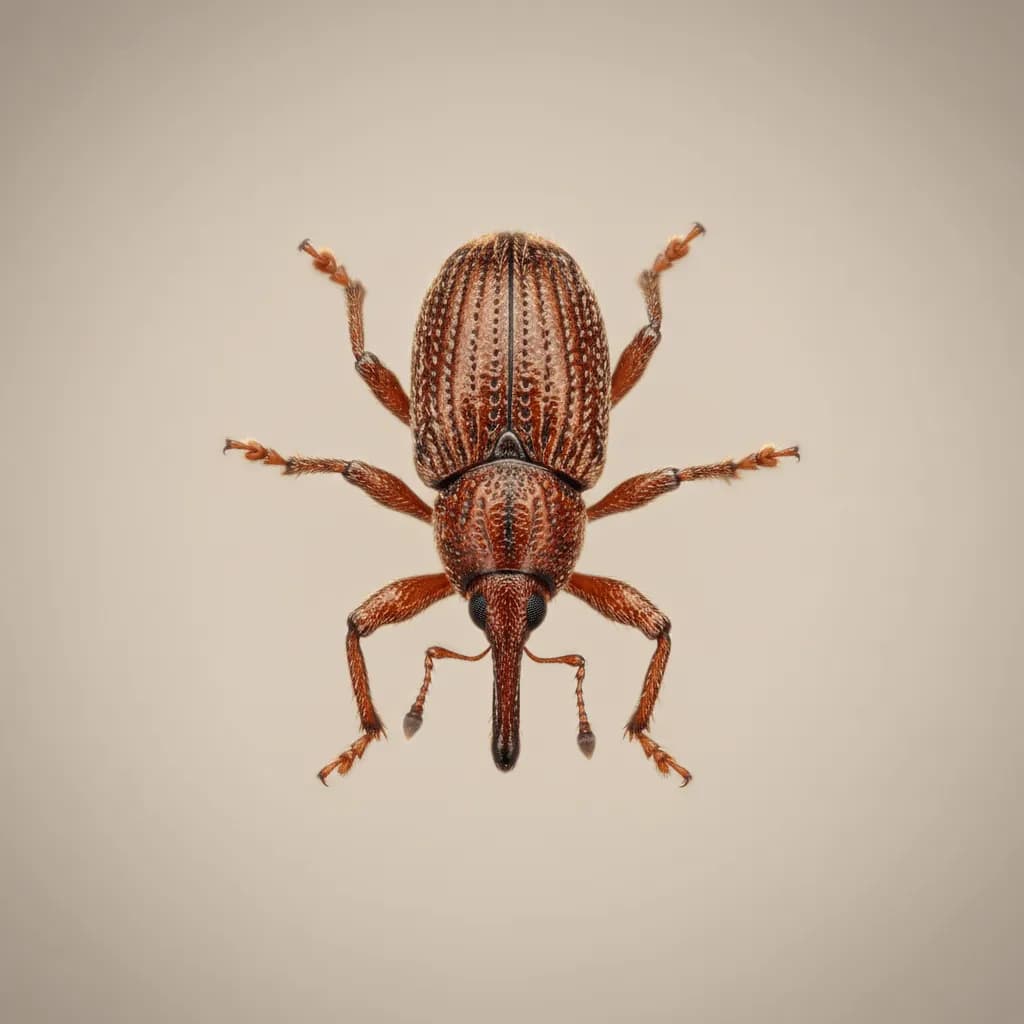
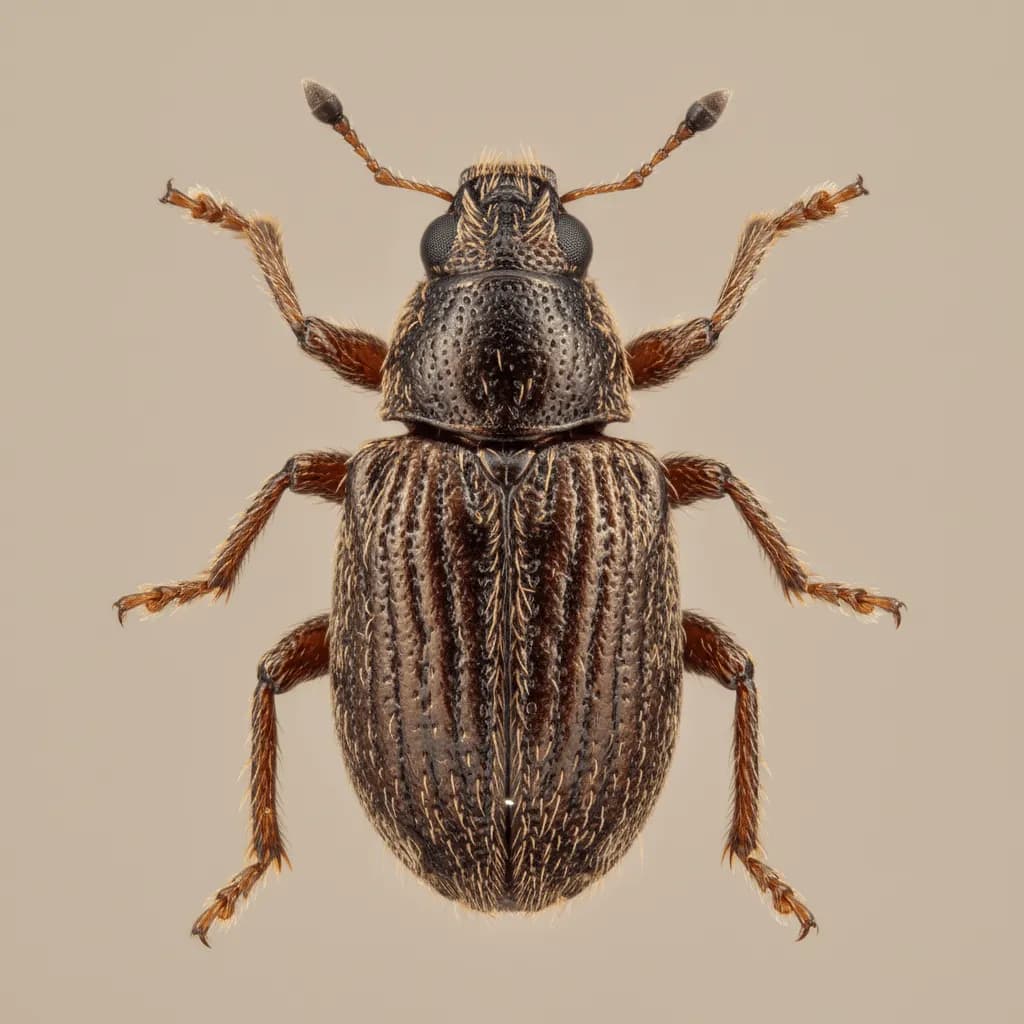
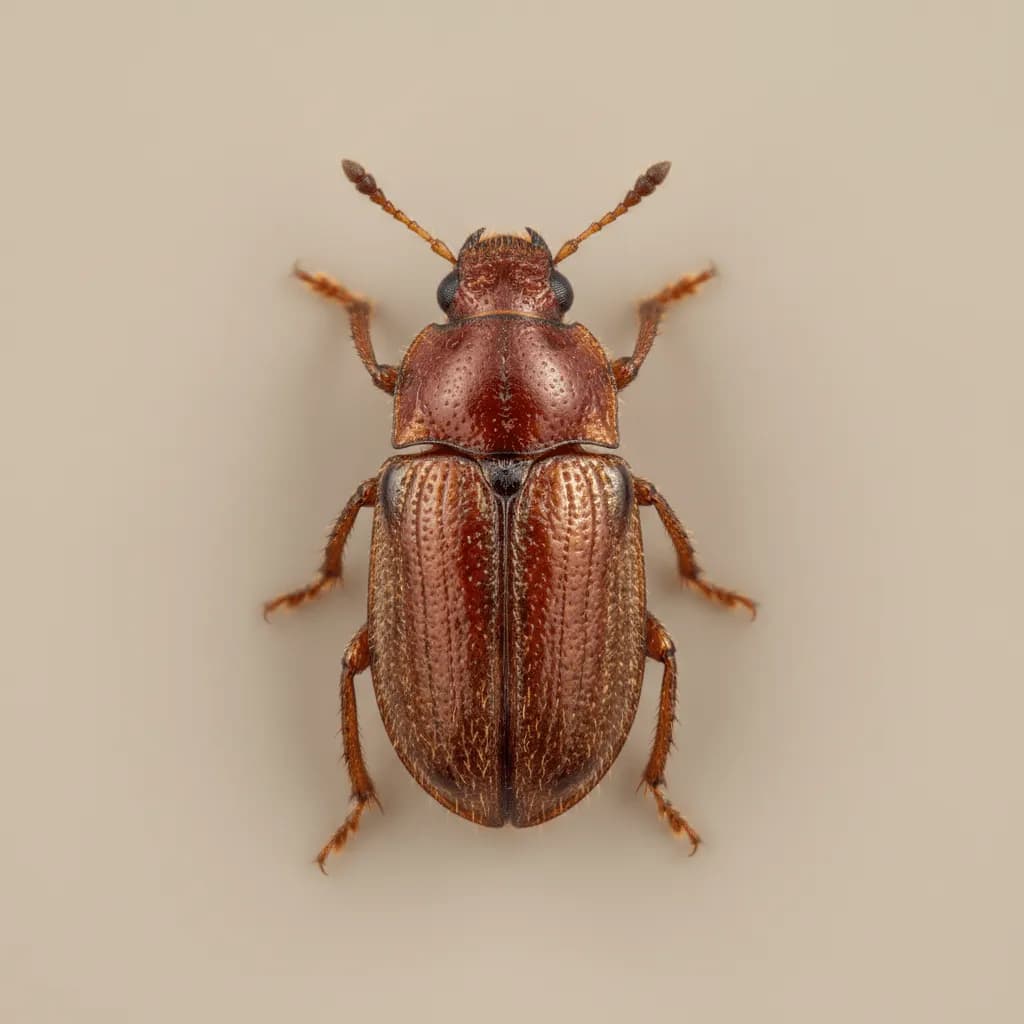
How do I tell rice weevils from granary weevils?
Need Help With Rice weevil?
If you're seeing signs of rice weevil in or around your home, professional treatment is the fastest way to stop the problem. Lotus Pest Control offers free inspections to identify the issue and recommend the right solution.
At a Glance
- Category
- Pantry Pests
- Scientific Name
- Sitophilus oryzae
- Size
- 2.5-3.5 mm
- Color
- Reddish-brown to black with four light spots on the wing covers
- Key Trait
- Elongated snout (rostrum); four pale spots on the elytra; larvae develop inside whole grain kernels.
- Regions
- Southeast, South Central, Midwest, Northeast
- Threat Level
- Low
- Risk Types
- food
- Seasonal Activity
- MarAprMayJunJulAugSepOctNovDecJanFebnonelowmoderatehighpeak