
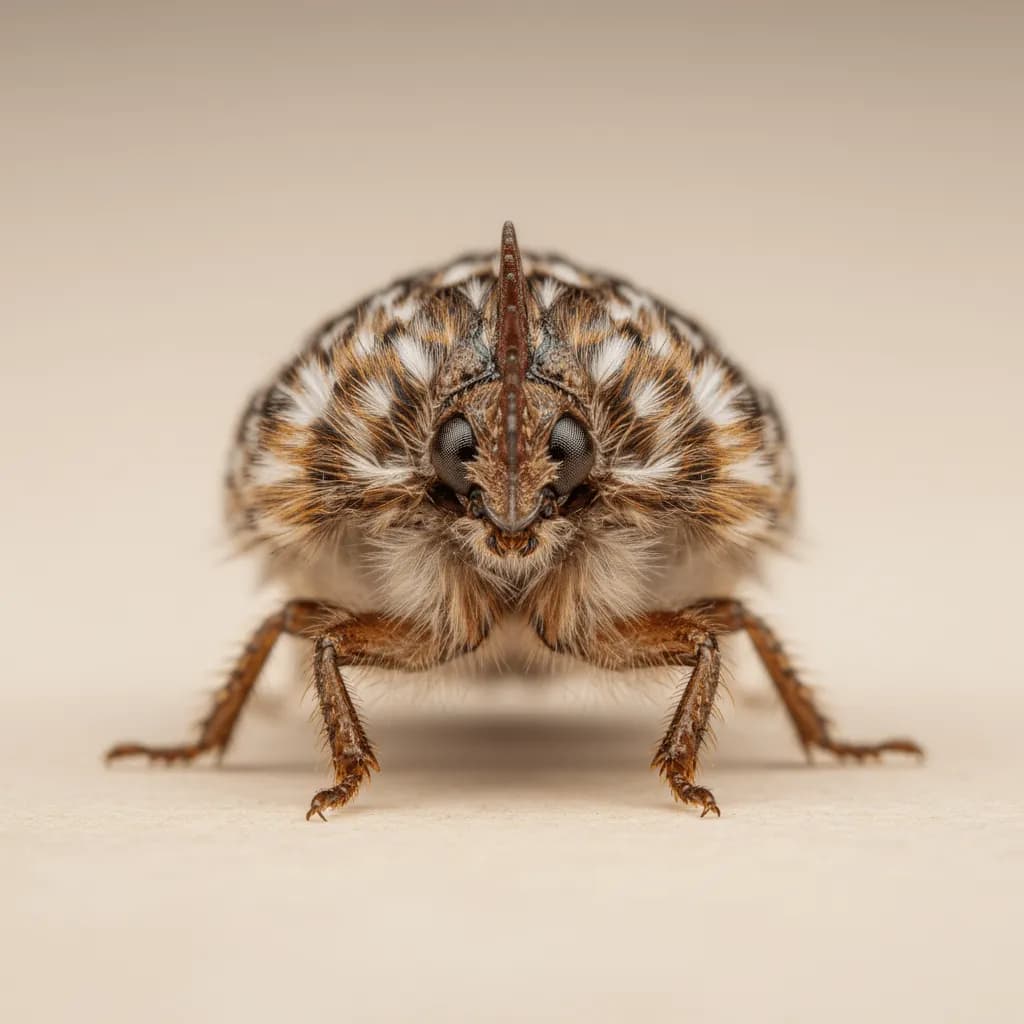
Poultry Bug
Haematosiphon inodorus
Also known as: Mexican Chicken Bug, Poultry Bed Bug
The Poultry Bug is a blood-feeding parasite of chickens, turkeys, and other domestic and wild birds. Native to North America, it was originally a parasite of eagles and other raptors. It can be a serious pest in poultry operations and occasionally bites humans working in or living near infested poultry houses.
Identification
Size
4-6 mm
Color
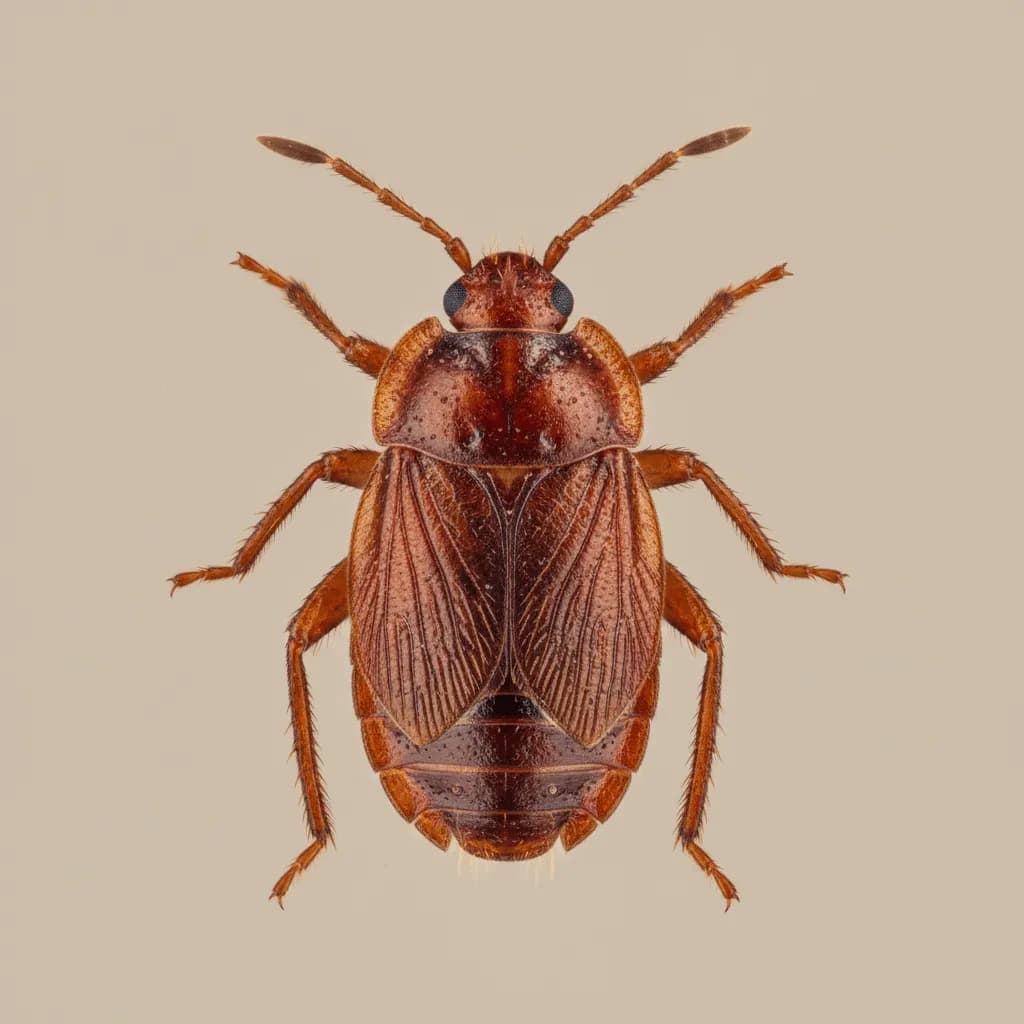
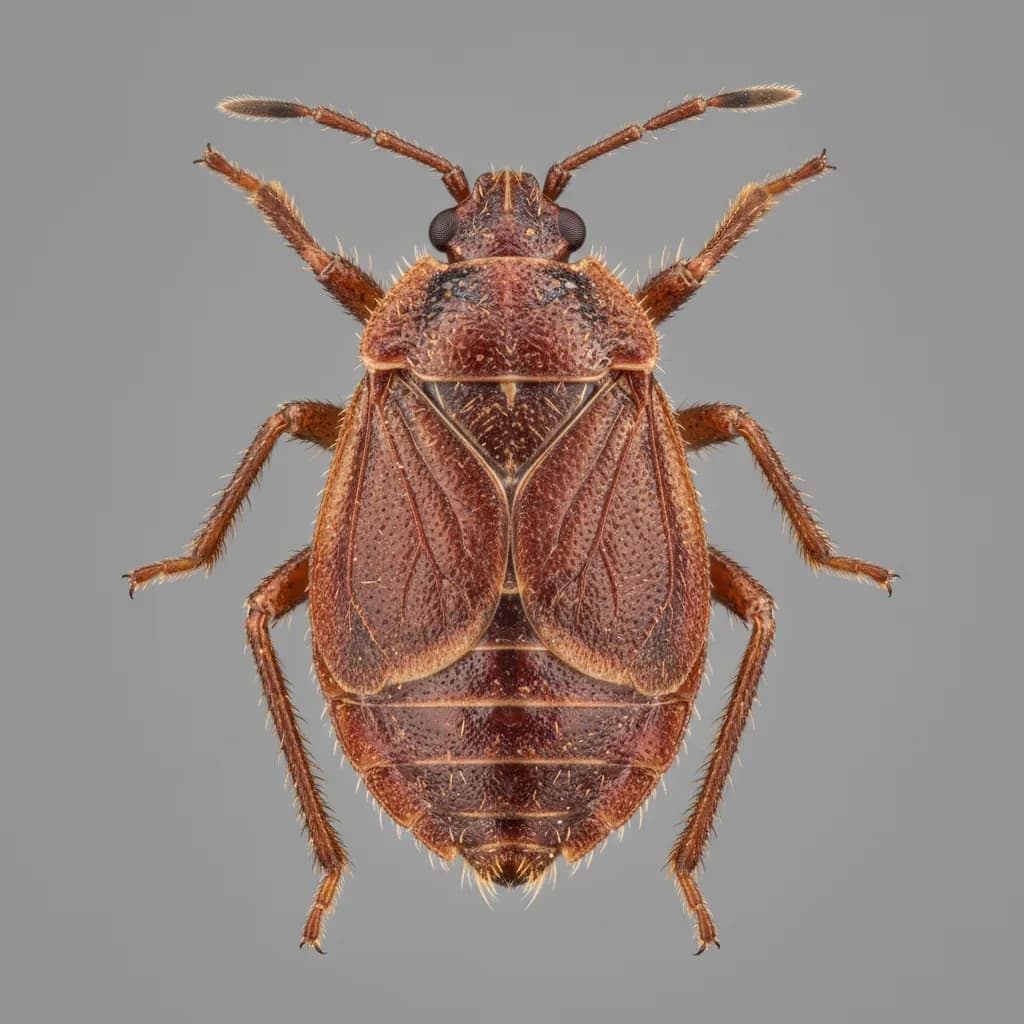
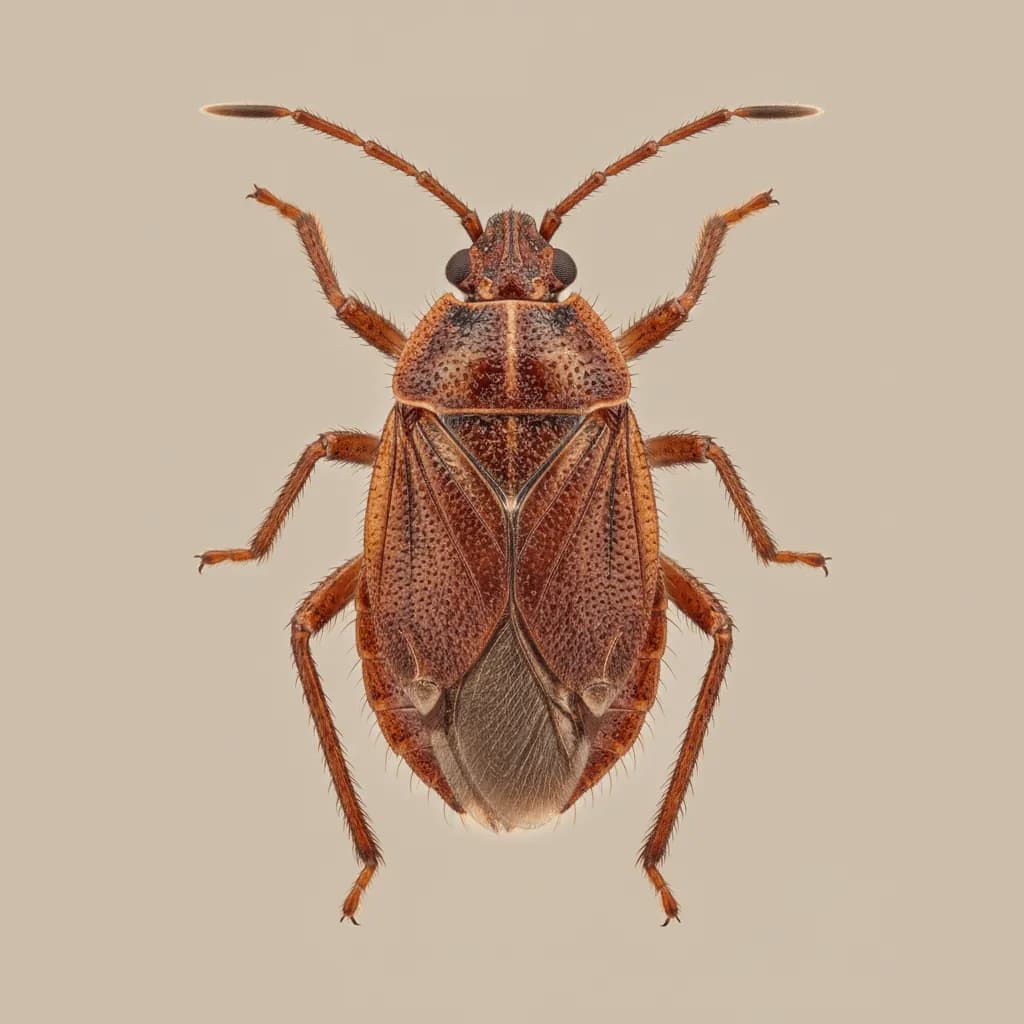
Dark brown to reddish-brown, similar to bed bugs
Key Trait
Resembles bed bugs but associated with poultry houses and wild bird nests; longer beak (rostrum) than common bed bugs; found in poultry operations rather than human sleeping areas.
Behavior & Habitat
Feeds on roosting poultry at night, hiding in cracks in poultry houses during the day. Can survive extended periods without feeding. Occasionally enters nearby homes from infested poultry facilities. Originally parasitized wild raptors in cliff-side nests.
Habitat: Poultry houses, chicken coops, raptor nests, and occasionally structures adjacent to infested poultry operations.
Diet: Blood of chickens, turkeys, eagles, and other birds; will bite humans opportunistically, especially those working in poultry facilities.
Signs of Infestation
- Bed-bug-like insects in poultry houses, especially in cracks of roost areas
- Reduced egg production and anemia in poultry flocks
- Bug-like insects in homes located near poultry operations
Risks & Damage
Bites cause itchy welts; heavy infestations can cause anemia and even death in poultry.
Reduces egg production, causes weight loss and anemia in poultry, and can lead to flock mortality in severe cases.
Prevention Tips
- 1.Inspect poultry houses regularly for cracks and crevices where bugs hide
- 2.Treat poultry house cracks and roost areas with approved insecticides between flocks
- 3.Seal gaps between poultry houses and adjacent residential structures
Why DIY Treatment Often Falls Short
Poultry bugs hide deep in the structural cracks of poultry houses that surface sprays cannot penetrate. Their ability to survive long periods without feeding means populations persist between flock cycles.
Professional Treatment
Professionals treat poultry house cracks, roost areas, and nesting sites with specialized residual insecticides approved for poultry facilities. Treatment between flock cycles combined with structural repairs provides the best results.
Frequently Asked Questions
Can poultry bugs infest my home?
How do they affect my chickens?
Are poultry bugs the same as bed bugs?
Need Help With Poultry bug?
If you're seeing signs of poultry bug in or around your home, professional treatment is the fastest way to stop the problem. Lotus Pest Control offers free inspections to identify the issue and recommend the right solution.
At a Glance
- Category
- Bed Bugs
- Scientific Name
- Haematosiphon inodorus
- Size
- 4-6 mm
- Color
- Dark brown to reddish-brown, similar to bed bugs
- Key Trait
- Resembles bed bugs but associated with poultry houses and wild bird nests; longer beak (rostrum) than common bed bugs; found in poultry operations rather than human sleeping areas.
- Regions
- Southwest, Southeast, Great Plains, Mountain West
- Threat Level
- Moderate
- Risk Types
- healthagricultural
- Seasonal Activity
- MarAprMayJunJulAugSepOctNovDecJanFebnonelowmoderatehighpeak