
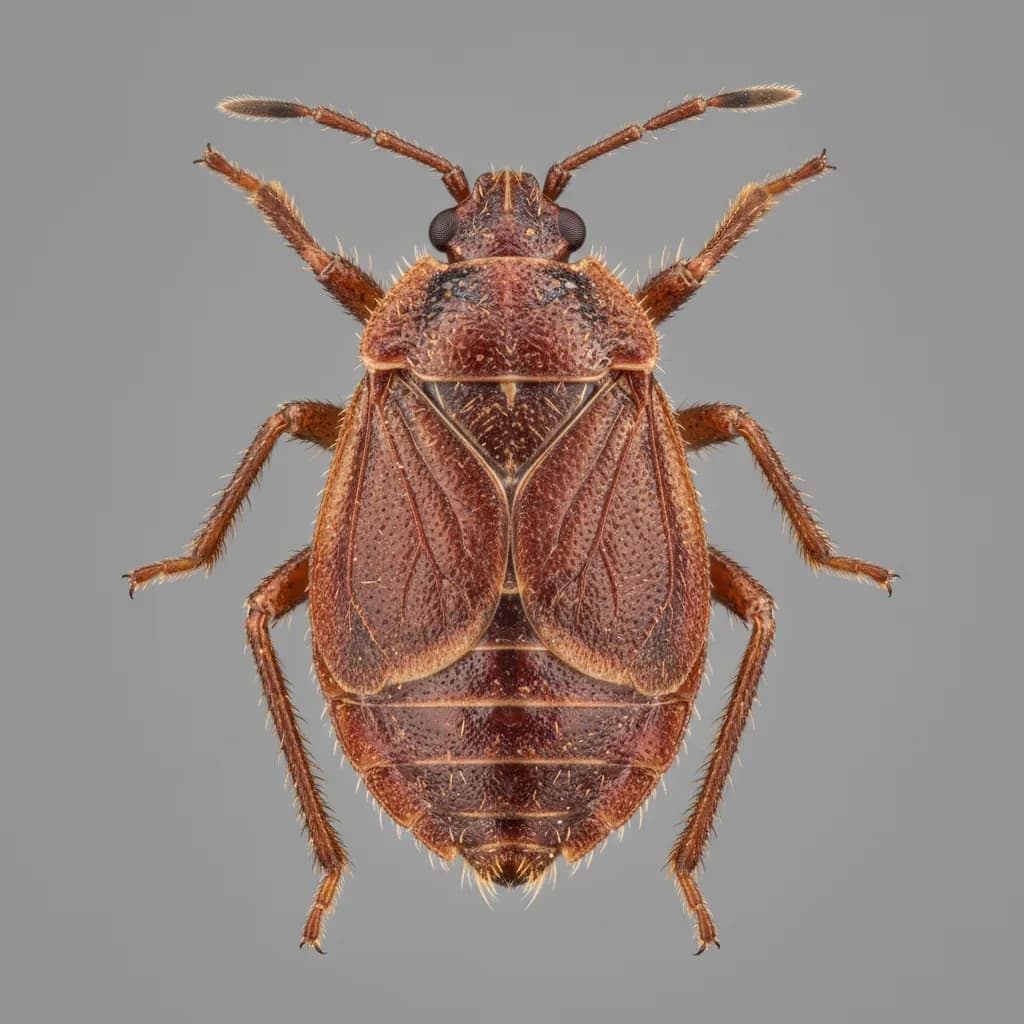
Bat Bug
Cimex adjunctus
Also known as: Eastern Bat Bug
The Bat Bug is a blood-feeding parasite closely related to the common bed bug. Its primary hosts are bats, and it becomes a household pest when bats roost in attics or wall voids. When bats leave or are excluded, hungry bat bugs migrate into living spaces seeking alternative blood meals from humans.
Identification
Size
4-5 mm
Color
Brownish, very similar to common bed bug
Key Trait
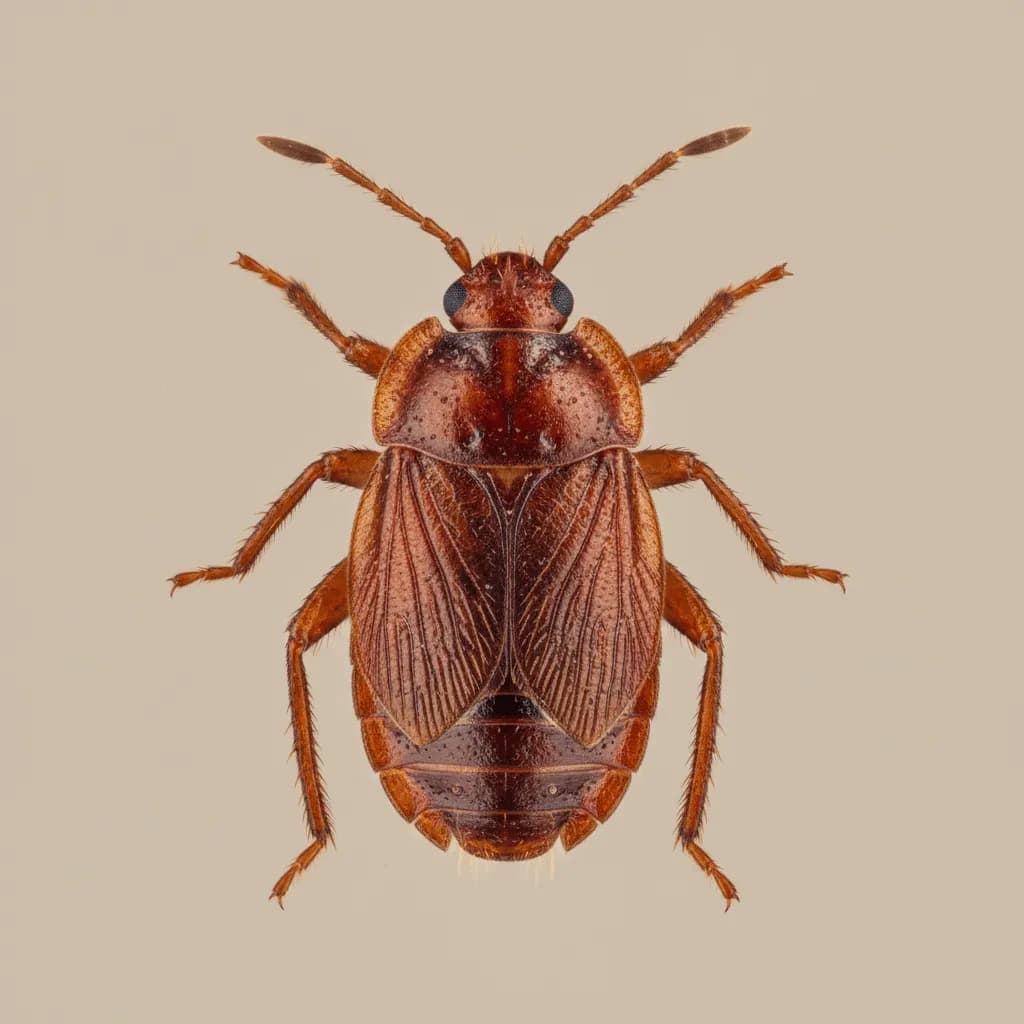
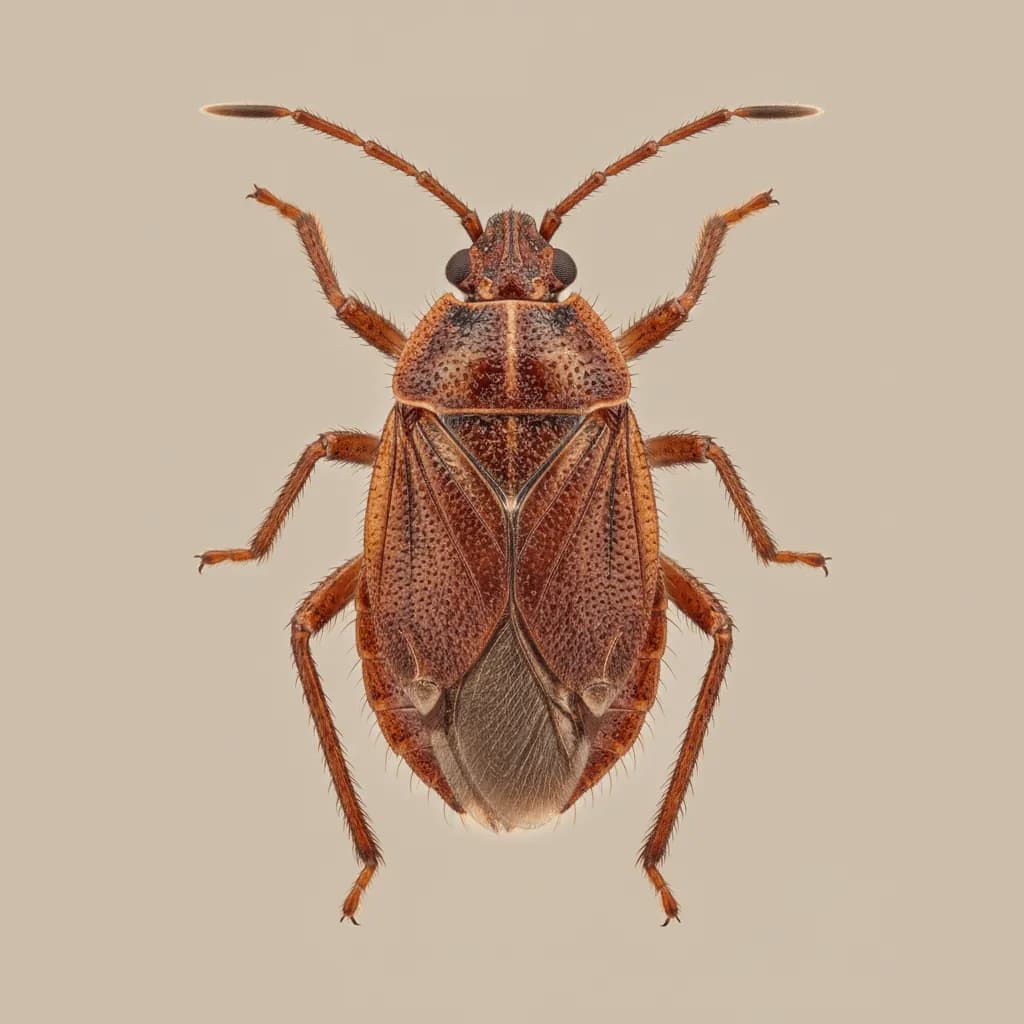
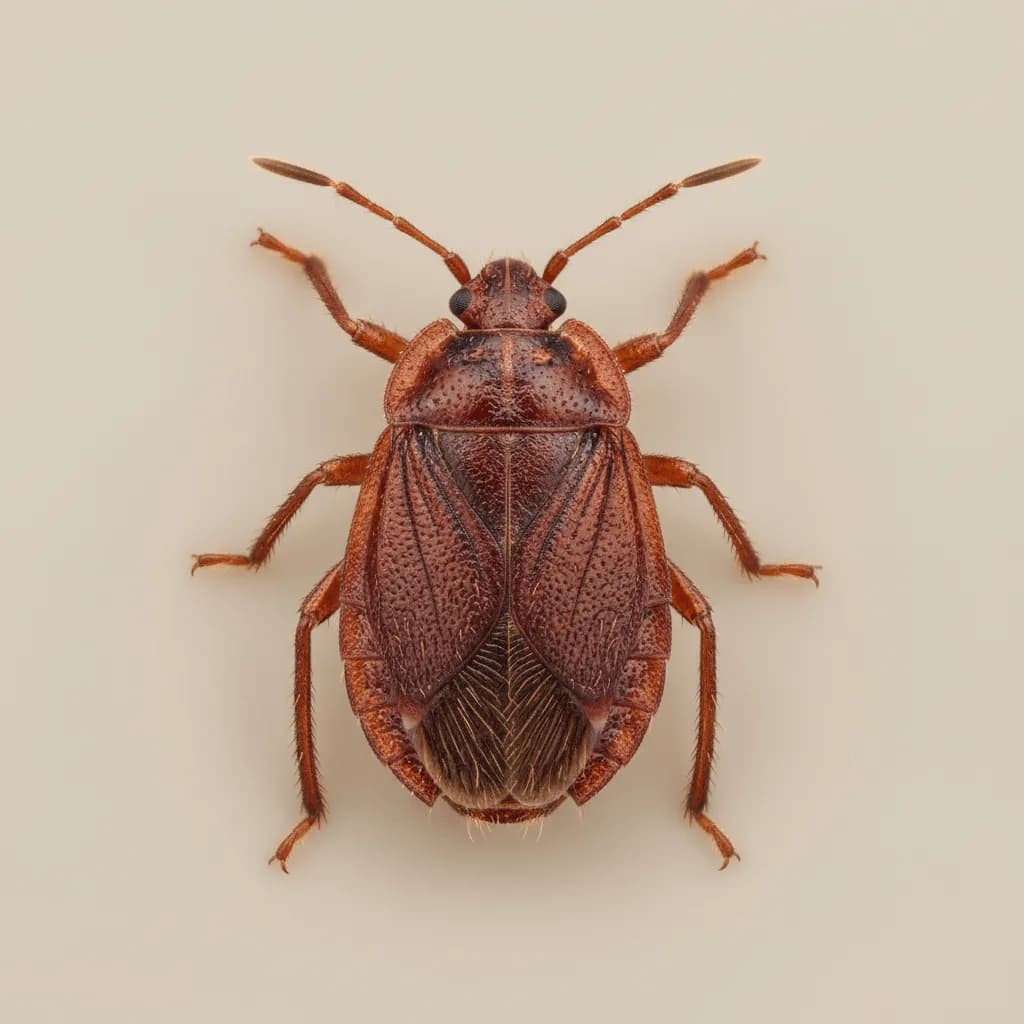
Nearly identical to common bed bug; distinguished by longer fringe hairs on the pronotum (visible under magnification). Associated with bat roosts rather than human habitation.
Behavior & Habitat
Primarily feeds on roosting bats. When bat hosts are removed or migrate, bat bugs search for alternative hosts, often entering living spaces from attics and wall voids. Can bite humans but cannot sustain a population on human blood alone.
Habitat: Bat roosts in attics, wall voids, chimneys, and behind shutters; migrates into living spaces when bats depart.
Diet: Bat blood preferentially; will bite humans and pets opportunistically but requires bat hosts to reproduce successfully.
Signs of Infestation
- Bed-bug-like insects appearing after bat exclusion or bat departure
- Presence of bats or evidence of bat roosting in the attic or wall voids
- Bug-like insects concentrated near ceiling areas, attic access points, or upper walls rather than near beds
Risks & Damage
Bites cause reactions similar to bed bug bites. Presence indicates a bat infestation that may carry its own health risks.
Can persist in structures for months after bats leave, migrating into living spaces seeking blood meals.
Prevention Tips
- 1.Professionally exclude bats from the structure using one-way exclusion devices
- 2.Seal all entry points after bats have been excluded to prevent re-entry
- 3.Have the attic and wall voids treated for bat bugs immediately after bat exclusion
Why DIY Treatment Often Falls Short
Bat bugs originate from bat roosts in attics and wall voids that are difficult and potentially hazardous to access. Without addressing the bat infestation and treating roost areas, bat bugs continue migrating into living spaces.
Professional Treatment
Professionals coordinate bat exclusion with bat bug treatment - excluding bats humanely with one-way devices, then treating roost sites, wall voids, and attic areas with residual products to eliminate the remaining bat bug population before they migrate into living spaces.
Frequently Asked Questions
How do I know if I have bat bugs instead of bed bugs?
Will bat bugs go away on their own after bats leave?
Can bat bugs reproduce from biting humans?
Need Help With Bat bug?
If you're seeing signs of bat bug in or around your home, professional treatment is the fastest way to stop the problem. Lotus Pest Control offers free inspections to identify the issue and recommend the right solution.
At a Glance
- Category
- Bed Bugs
- Scientific Name
- Cimex adjunctus
- Size
- 4-5 mm
- Color
- Brownish, very similar to common bed bug
- Key Trait
- Nearly identical to common bed bug; distinguished by longer fringe hairs on the pronotum (visible under magnification). Associated with bat roosts rather than human habitation.
- Regions
- Midwest, Northeast, Southeast, Mid Atlantic
- Threat Level
- Moderate
- Risk Types
- healthnuisance
- Seasonal Activity
- MarAprMayJunJulAugSepOctNovDecJanFebnonelowmoderatehighpeak