
Bed Bug
Bed bugs are small, parasitic insects that feed exclusively on blood, with a strong preference for human hosts. After decades of near-eradication in the developed world, bed bugs have made a dramatic resurgence since the late 1990s and are now found in all 50 states. They are expert hitchhikers, traveling via luggage, clothing, furniture, and personal belongings, which means any home, hotel, or public space can be affected regardless of cleanliness. Bed bug infestations are psychologically distressing and notoriously difficult to eliminate without professional treatment. Early detection is the single most important factor in successful eradication.
Species Covered
5
Species Groups
5
Common Traits
Bed bugs are wingless, flat, oval-shaped insects roughly the size and color of an apple seed when unfed. They are nocturnal feeders that hide in cracks and crevices near sleeping areas during the day, emerging at night to feed for five to ten minutes before retreating. They can survive months without a blood meal, which makes starvation an impractical elimination strategy.
Species in This Category
Common Bed Bugs
1 species
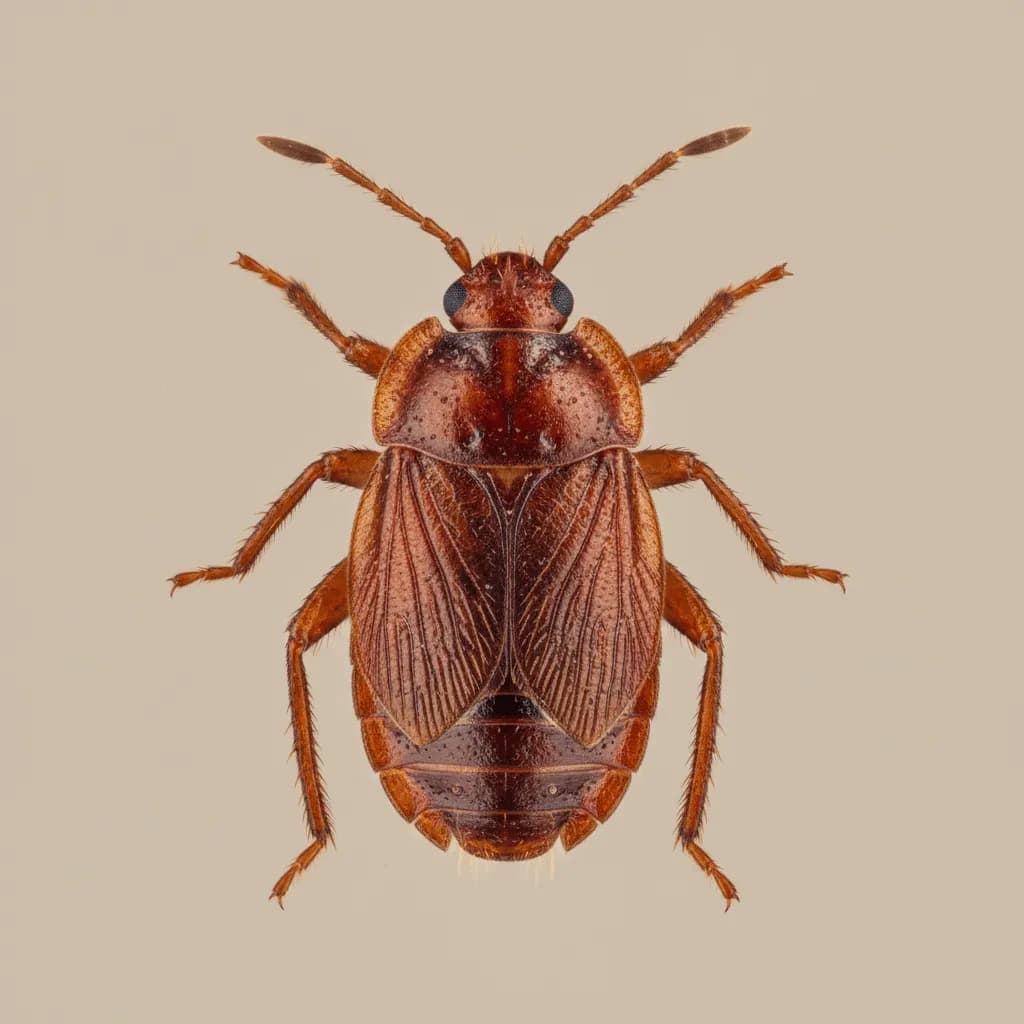
Common bed bugs are small, flat, reddish-brown parasitic insects that feed exclusively on blood, with humans as their preferred host.
Tropical Bed Bugs
1 species
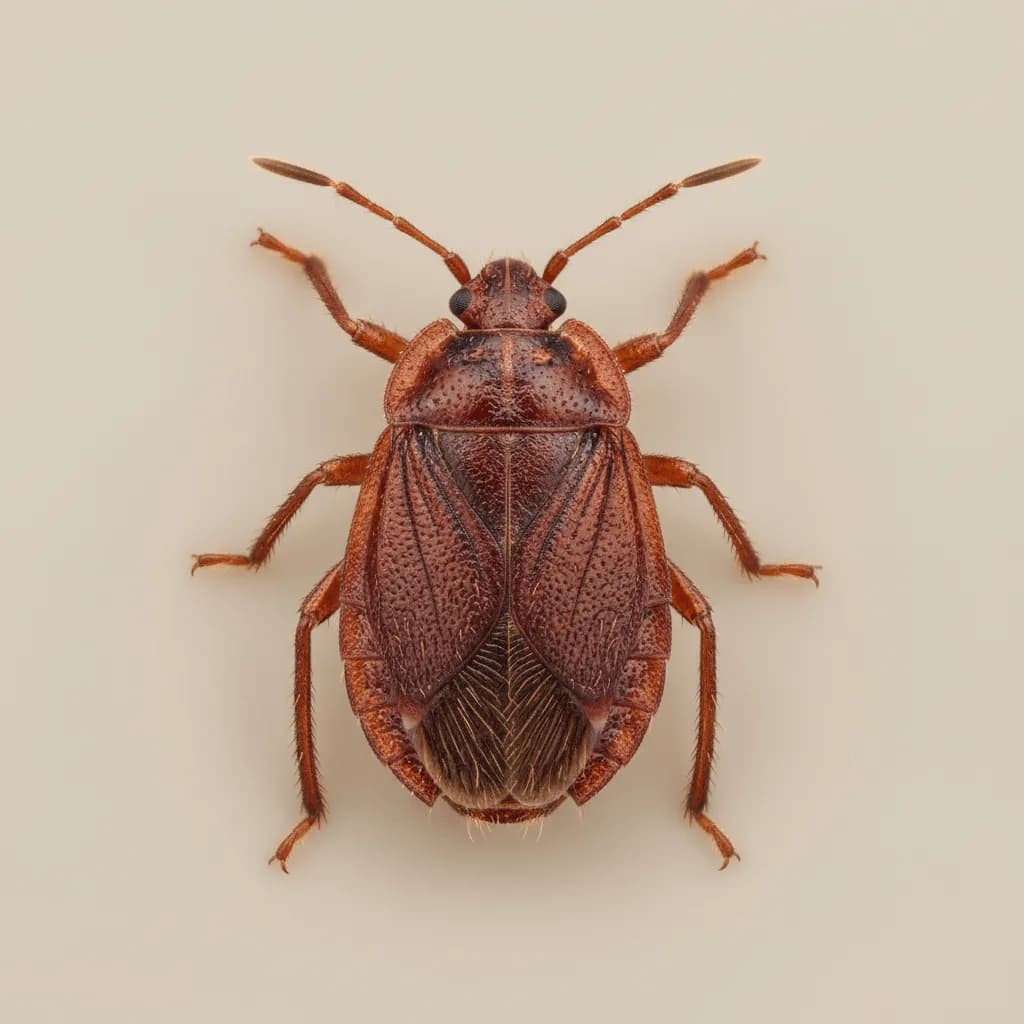
Tropical bed bugs are a separate species from common bed bugs that are found in tropical and subtropical regions worldwide.
Bat Bugs
1 species
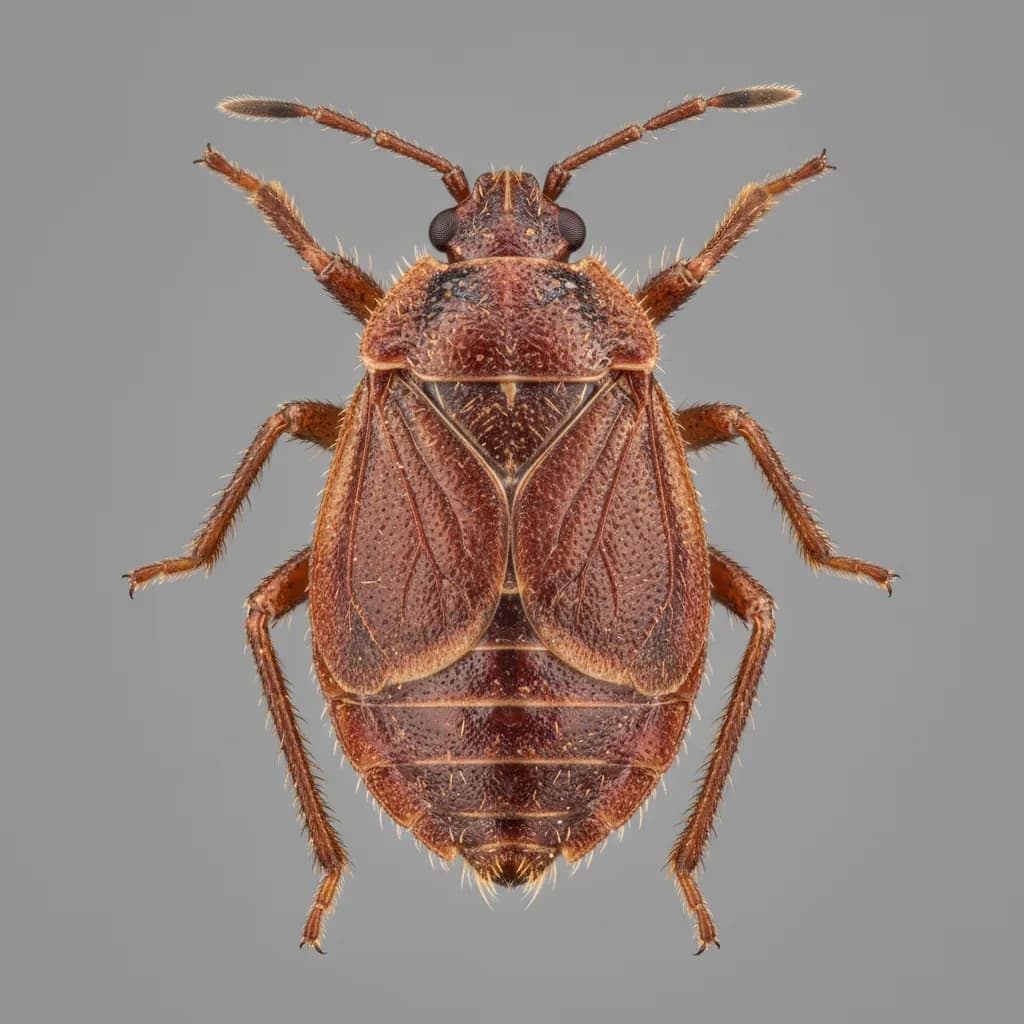
Bat bugs are blood-feeding parasites closely related to bed bugs that are primarily associated with bat colonies in attics, wall voids, and chimneys.
Swallow Bugs
1 species
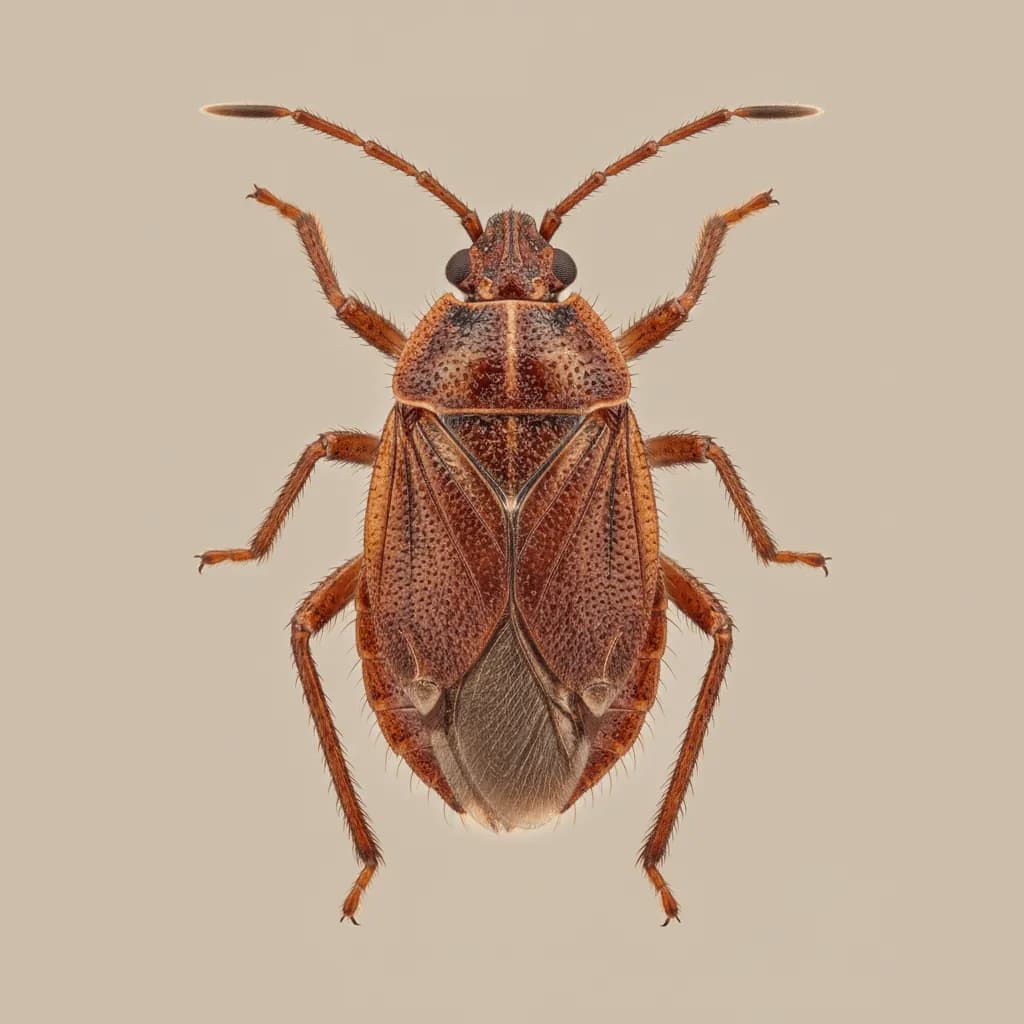
Swallow bugs are blood-feeding parasites that infest the nests of cliff swallows, barn swallows, and purple martins.
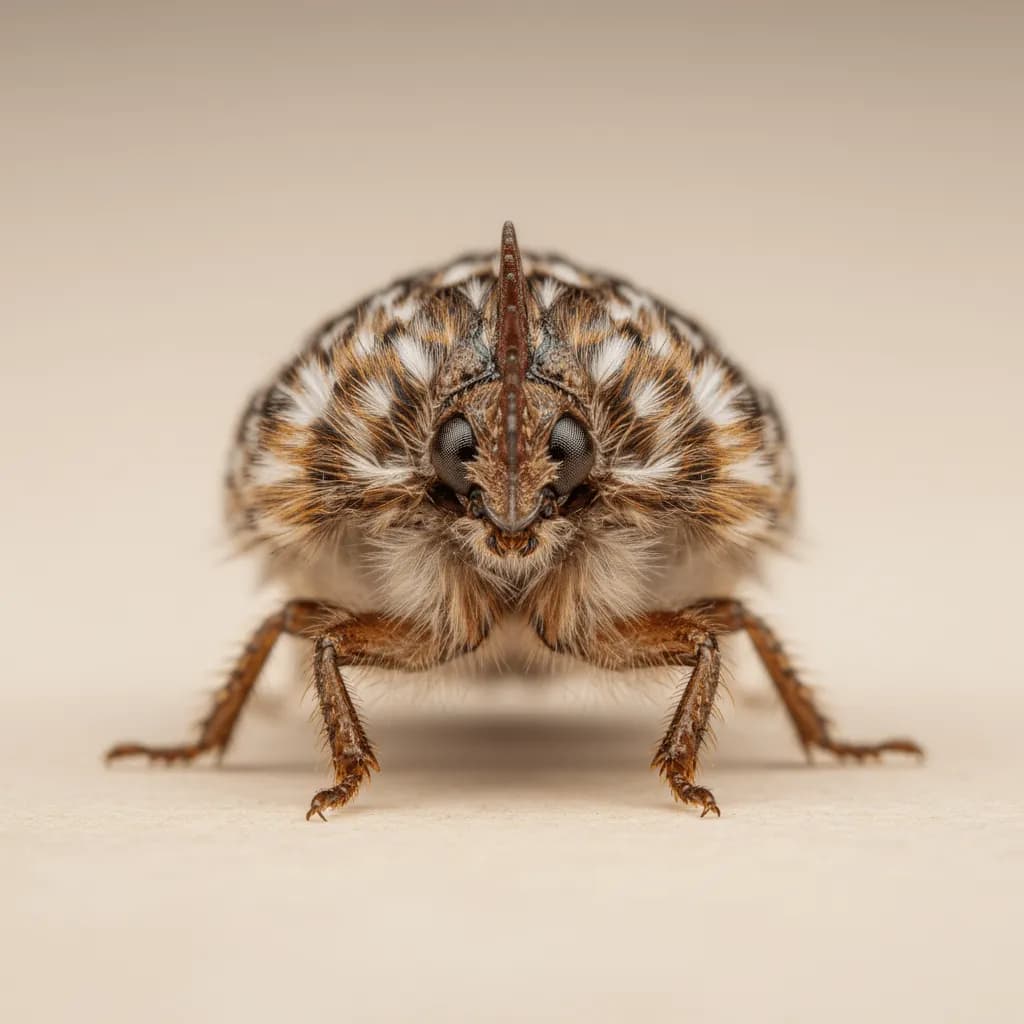
Poultry Bugs
1 species
The Poultry Bug is a blood-feeding parasite of chickens, turkeys, and other domestic and wild birds.
All Bed Bug
Signs of Infestation
- Itchy, red bite marks in clusters or lines on exposed skin upon waking
- Small rust-colored stains on sheets, pillowcases, or mattresses from crushed bugs
- Tiny dark spots (fecal matter) along mattress seams, headboard joints, and nearby crevices
- Live bed bugs, shed skins, or pale eggs in tufts, folds, and seams of mattresses and upholstered furniture
- A sweet, musty odor in rooms with heavy infestations
Prevention
Bed bug prevention focuses on awareness and vigilance, especially during travel. Inspecting hotel rooms before unpacking, keeping luggage on hard surfaces and away from beds, and laundering travel clothing on high heat upon returning home are critical habits. At home, encasing mattresses and box springs in bed bug-proof covers eliminates major hiding spots and makes early detection easier.
Frequently Asked Questions
Can I get bed bugs even if my home is clean?
How did I get bed bugs?
Can I get rid of bed bugs on my own?
Do bed bugs transmit diseases?
How long does bed bug treatment take?
Should I throw away my mattress if I have bed bugs?
Need Help With Bed bug?
If you're seeing signs of bed bug in or around your home, professional treatment is the fastest way to stop the problem. Lotus Pest Control offers free inspections to identify the issue and recommend the right solution.