
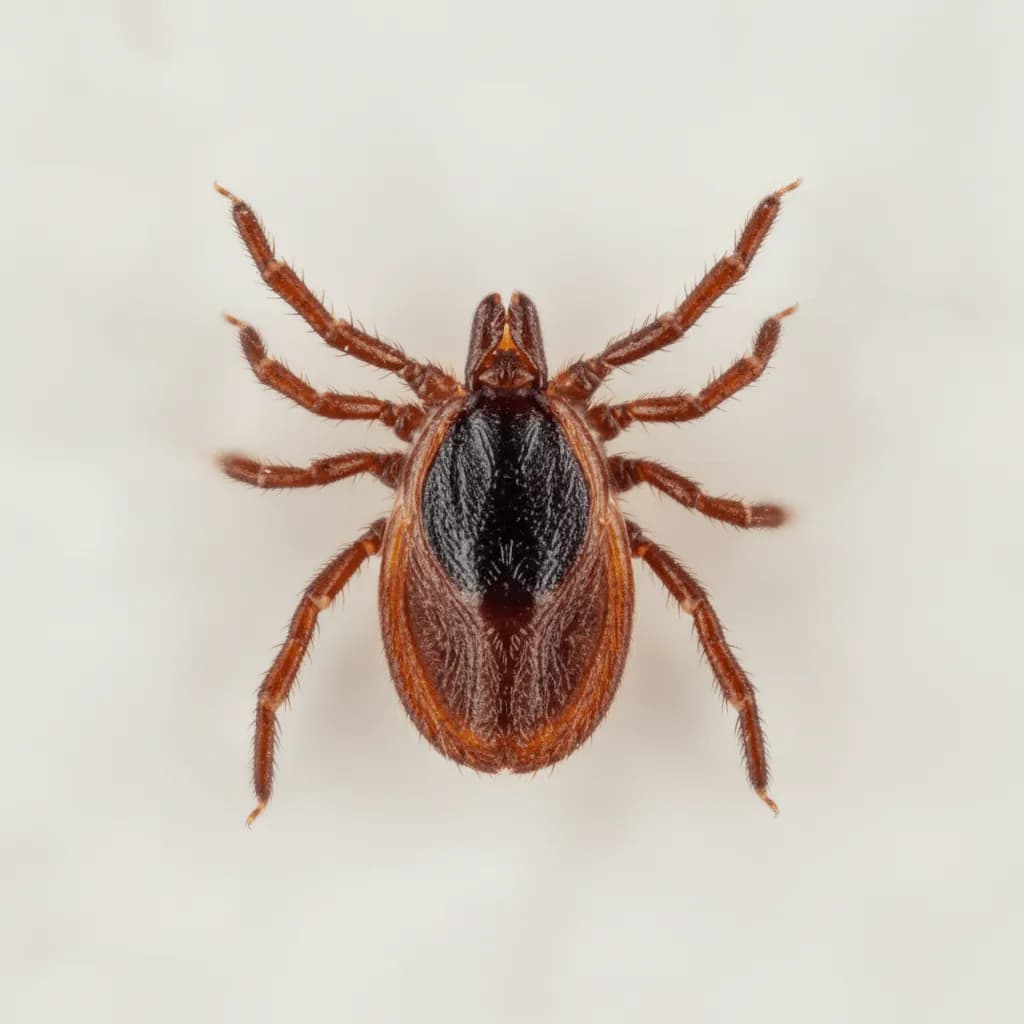
Blacklegged Tick
Ixodes scapularis
Also known as: Deer Tick
The Blacklegged Tick is the primary vector of Lyme disease, anaplasmosis, babesiosis, and Powassan virus in the eastern United States. Its tiny nymphal stage is responsible for most human disease transmission because it is easily overlooked. The species has expanded its range significantly over recent decades, now established across the eastern half of the country.
Identification
Size
3 mm unfed (adult female), up to 10 mm engorged; nymphs are poppy-seed sized
Color
Dark brown to black legs with an orange-brown body and dark brown scutum
Key Trait
Distinctive dark legs contrasting with an orange-brown abdomen; much smaller than the American dog tick. The nymphal stage (most likely to transmit Lyme disease) is tiny and easily overlooked.
Behavior & Habitat
A three-host tick that quests on leaf litter and low vegetation. Nymphs are active from late spring through summer while adults quest in fall and early spring. Unlike some ticks, it can be active on mild winter days above freezing. Requires 24-36 hours of attachment to transmit Lyme disease bacteria.
Habitat: Deciduous and mixed forests, forest edges, shaded leaf litter, stone walls, woodpiles, and overgrown gardens. Nymphs prefer moist, shaded microhabitats at ground level.
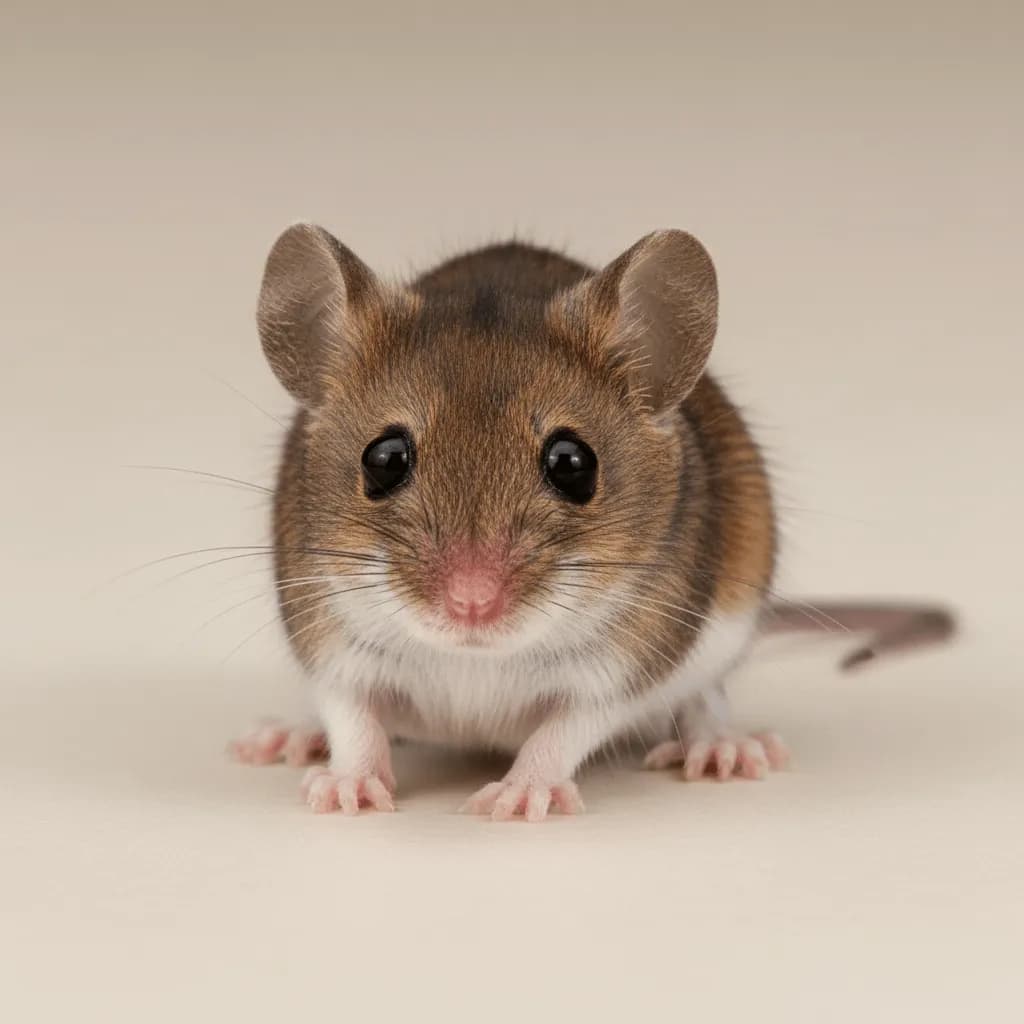
Diet: Blood from white-footed mice (larvae/nymphs), deer (adults), birds, lizards, and humans across all active life stages.
Signs of Infestation
- Discovery of attached ticks after time spent outdoors in wooded or brushy areas
- Bull's-eye rash (erythema migrans) appearing 3-30 days after a tick bite
- High numbers of deer and mice observed on or near the property
Risks & Damage
Primary vector of Lyme disease, anaplasmosis, babesiosis, and Powassan virus. Lyme disease alone causes over 476,000 estimated cases annually in the U.S.
Prevention Tips
- 1.Create a 3-foot gravel or wood chip barrier between lawns and wooded areas
- 2.Perform thorough tick checks on all family members and pets after outdoor activity
- 3.Remove leaf litter, brush piles, and tall grass near the home
Why DIY Treatment Often Falls Short
Blacklegged ticks thrive in shaded, moist leaf litter that is difficult to treat effectively with consumer products. Wildlife continually reintroduce ticks, and the tiny nymphal stage is nearly impossible to detect before attachment.
Professional Treatment
Professionals apply targeted acaricide treatments to high-risk areas in spring and fall aligned with tick activity peaks. Integrated approaches may include deer exclusion fencing, rodent-targeted bait boxes, and habitat modification to reduce tick-friendly microclimates.
Frequently Asked Questions
How quickly can a blacklegged tick transmit Lyme disease?
Are nymphs or adults more dangerous?
Can I get Lyme disease in winter?
Need Help With Blacklegged tick?
If you're seeing signs of blacklegged tick in or around your home, professional treatment is the fastest way to stop the problem. Lotus Pest Control offers free inspections to identify the issue and recommend the right solution.
At a Glance
- Category
- Fleas And Ticks
- Scientific Name
- Ixodes scapularis
- Size
- 3 mm unfed (adult female), up to 10 mm engorged; nymphs are poppy-seed sized
- Color
- Dark brown to black legs with an orange-brown body and dark brown scutum
- Key Trait
- Distinctive dark legs contrasting with an orange-brown abdomen; much smaller than the American dog tick. The nymphal stage (most likely to transmit Lyme disease) is tiny and easily overlooked.
- Regions
- Northeast, Mid Atlantic, Midwest, Southeast
- Threat Level
- Very High
- Risk Types
- health
- Seasonal Activity
- MarAprMayJunJulAugSepOctNovDecJanFebnonelowmoderatehighpeak