
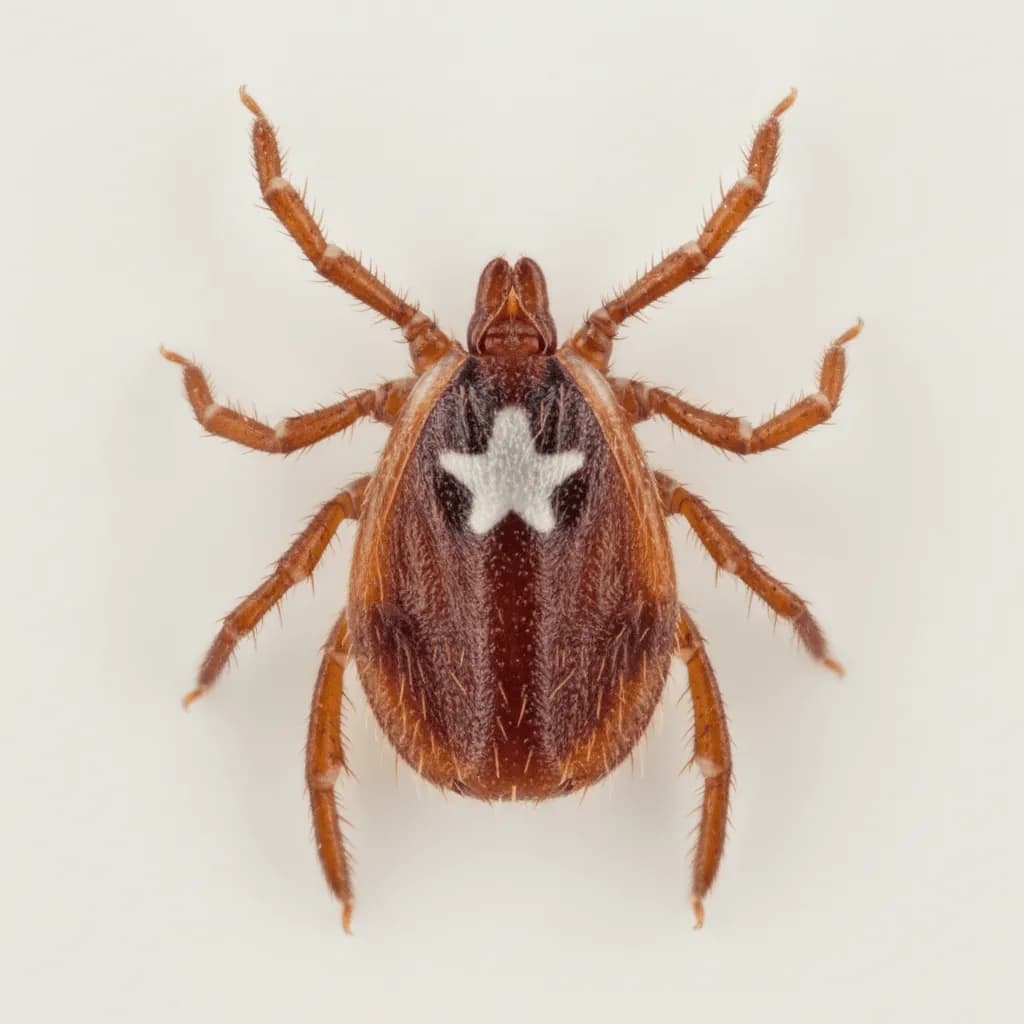
Lone Star Tick
Amblyomma americanum
Also known as: Turkey Tick, Northeastern Water Tick
The Lone Star Tick is an aggressive, three-host tick found throughout the southeastern and eastern United States. Its range has expanded significantly northward in recent decades. It is the primary cause of alpha-gal syndrome, a potentially life-threatening allergy to red meat, and also transmits ehrlichiosis, tularemia, and STARI (Southern Tick-Associated Rash Illness).
Identification
Size
4-6 mm unfed, up to 16 mm engorged
Color
Reddish-brown; females have a single white dot (lone star) on the center of the back
Key Trait
Adult female has a distinctive single white spot on the dorsal shield. Very aggressive feeder that actively pursues hosts rather than passively questing. Known to cause alpha-gal syndrome (red meat allergy).
Behavior & Habitat
Highly aggressive hunter that actively pursues hosts by detecting carbon dioxide and movement, unlike ticks that passively quest on vegetation. All three life stages readily bite humans. Larvae often attack in large numbers (seed ticks), causing intense irritation.
Habitat: Dense woodland understory, forest edges, overgrown fields, and areas with abundant white-tailed deer. Thrives in warm, humid environments with deep leaf litter.
Diet: Blood from white-tailed deer (primary host), humans, dogs, birds, and a wide variety of mammals and ground-dwelling birds.
Signs of Infestation
- Clusters of tiny larval ticks (seed ticks) found on lower legs after walking through vegetation
- Aggressive adult ticks found crawling on clothing and skin after outdoor activity
- Rash or allergic reaction developing after a tick bite
Risks & Damage
Causes alpha-gal syndrome (red meat allergy), ehrlichiosis, tularemia, and STARI. Alpha-gal allergy can cause anaphylaxis and is lifelong.
Heavy infestations on dogs cause significant blood loss and disease transmission risk.
Prevention Tips
- 1.Treat clothing with permethrin before entering wooded areas
- 2.Avoid walking through dense brush and vegetation during peak season
- 3.Shower and perform full-body tick checks within two hours of returning indoors
Why DIY Treatment Often Falls Short
Lone star ticks are aggressive hunters that actively seek hosts, making avoidance difficult. Their enormous larval clusters and wide host range mean populations persist as long as deer and wildlife are present.
Professional Treatment
Professionals apply residual acaricides to wooded borders, trail edges, and high-traffic areas during peak activity periods. Habitat management including brush removal and deer deterrence reduces long-term populations.
Related Pests
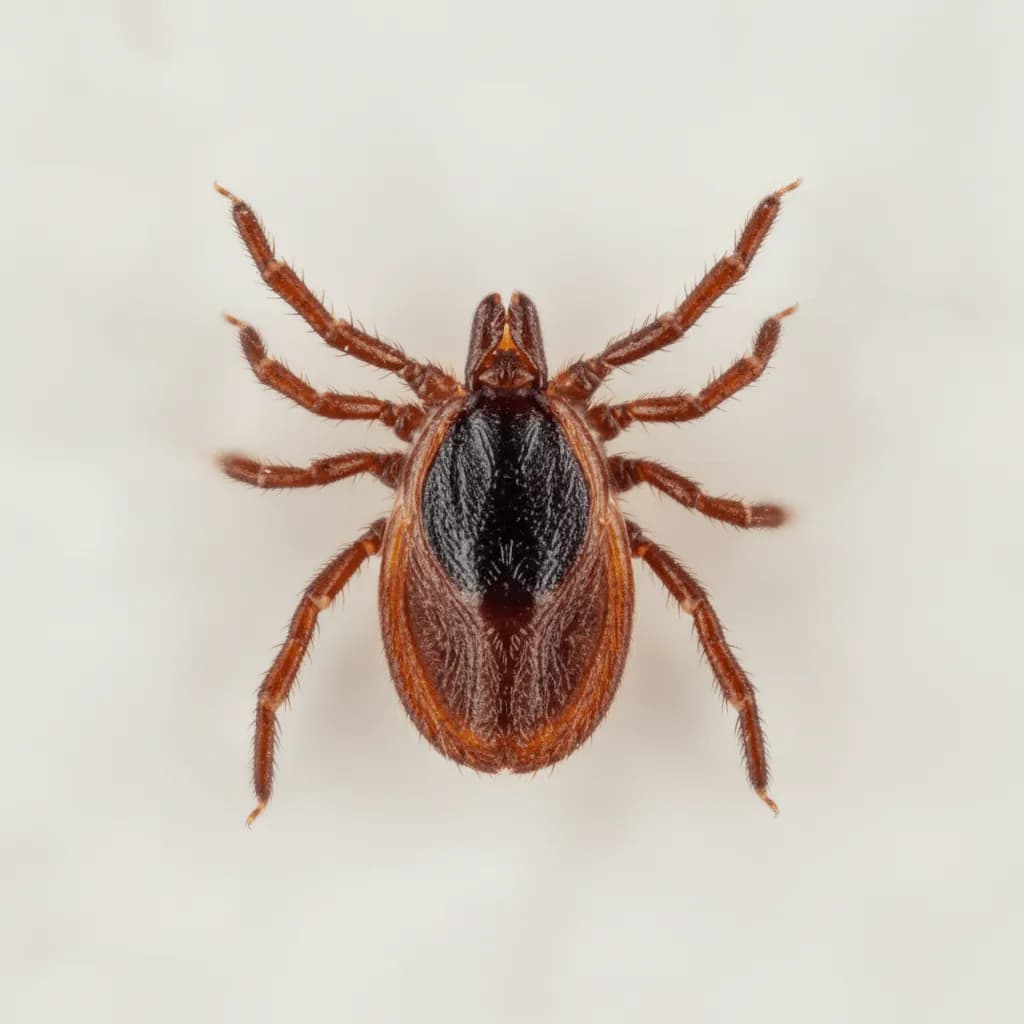
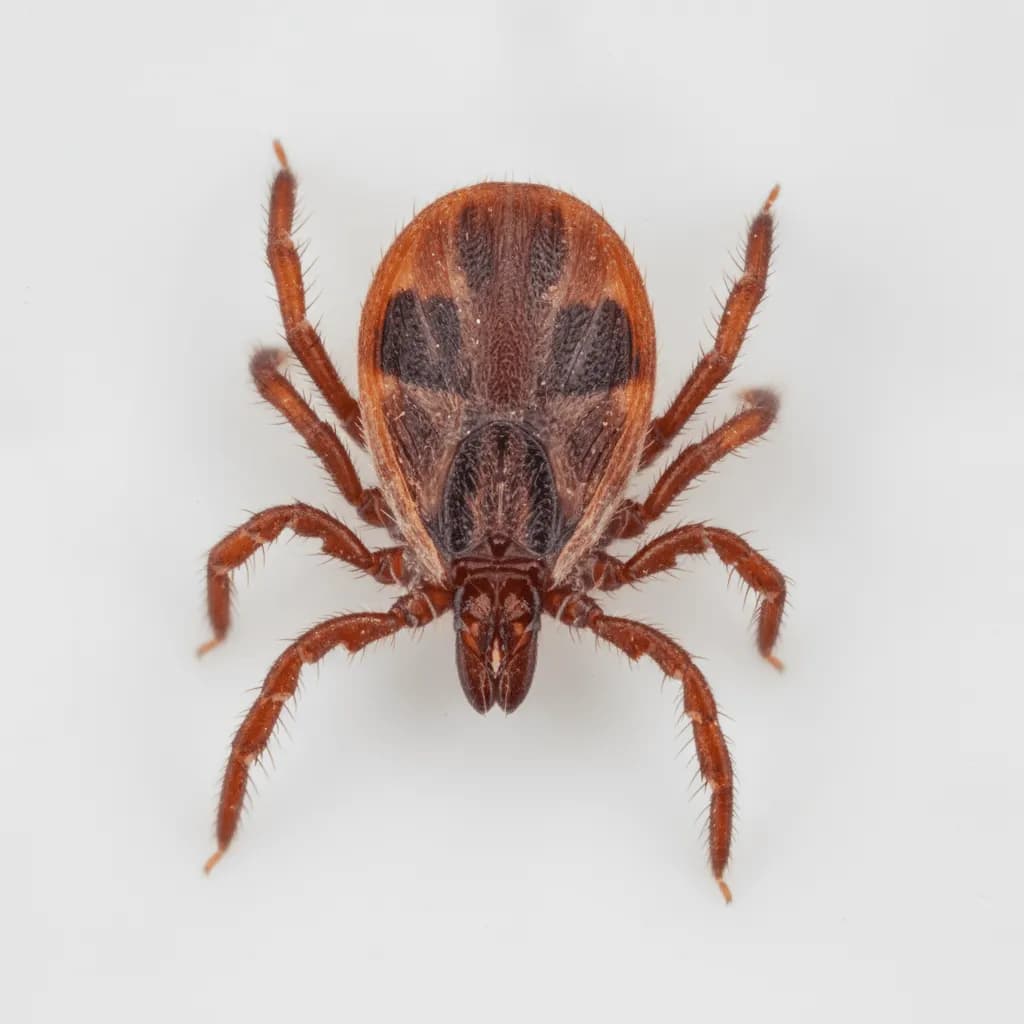
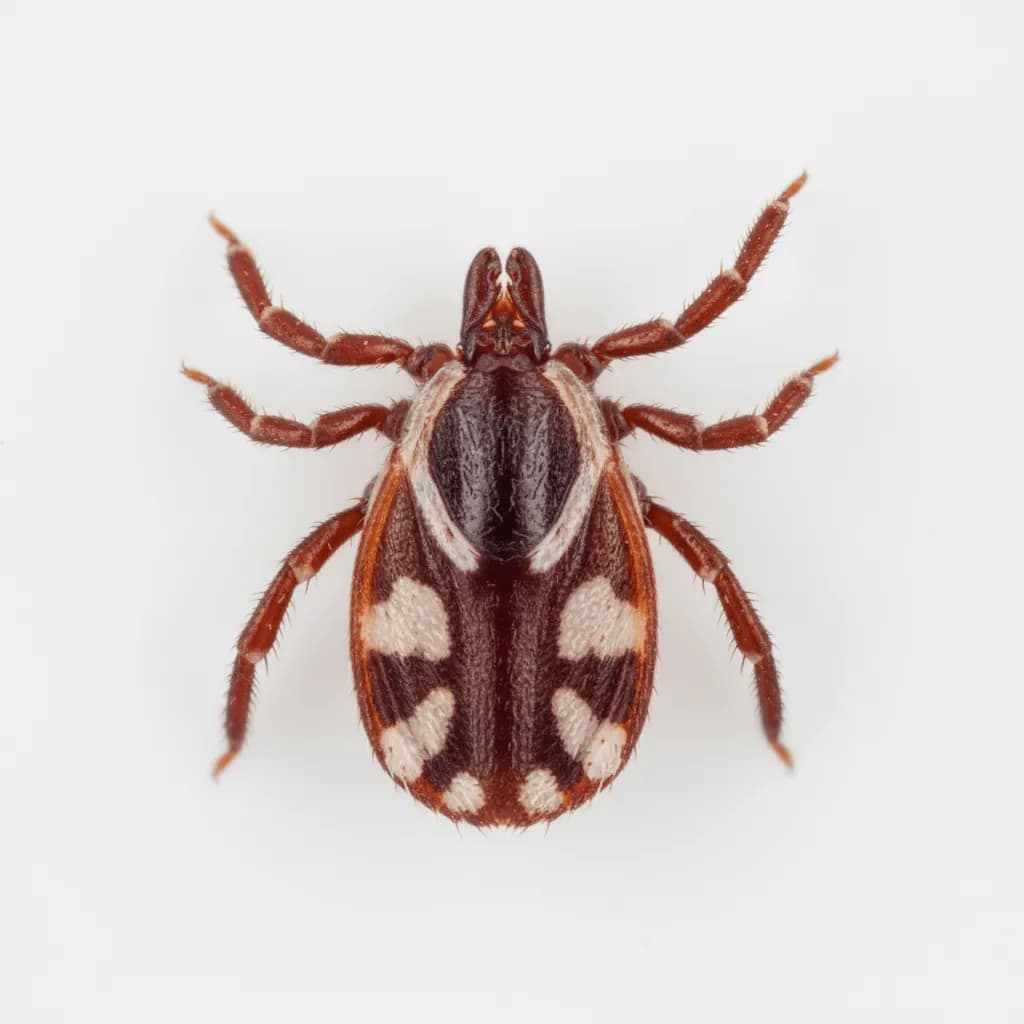
Frequently Asked Questions
What is alpha-gal syndrome?
What are seed ticks?
Is the lone star tick expanding its range?
Need Help With Lone star tick?
If you're seeing signs of lone star tick in or around your home, professional treatment is the fastest way to stop the problem. Lotus Pest Control offers free inspections to identify the issue and recommend the right solution.
At a Glance
- Category
- Fleas And Ticks
- Scientific Name
- Amblyomma americanum
- Size
- 4-6 mm unfed, up to 16 mm engorged
- Color
- Reddish-brown; females have a single white dot (lone star) on the center of the back
- Key Trait
- Adult female has a distinctive single white spot on the dorsal shield. Very aggressive feeder that actively pursues hosts rather than passively questing. Known to cause alpha-gal syndrome (red meat allergy).
- Regions
- Southeast, Gulf Coast, Mid Atlantic, Midwest, Northeast, Great Plains
- Threat Level
- High
- Risk Types
- healthpets
- Seasonal Activity
- MarAprMayJunJulAugSepOctNovDecJanFebnonelowmoderatehighpeak