
Hard Ticks
Hard ticks are blood-feeding arachnids with a hard, plate-like scutum on their backs that are the primary vectors of tick-borne diseases in the United States. The blacklegged tick (deer tick), American dog tick, lone star tick, and brown dog tick are the most medically and economically significant species. Hard ticks have a multi-stage life cycle (larva, nymph, adult) requiring a blood meal at each stage, and most species feed on different hosts at each stage. Tick-borne diseases have increased dramatically over the past two decades, making tick management a growing public health priority.
Species in This Group (5)
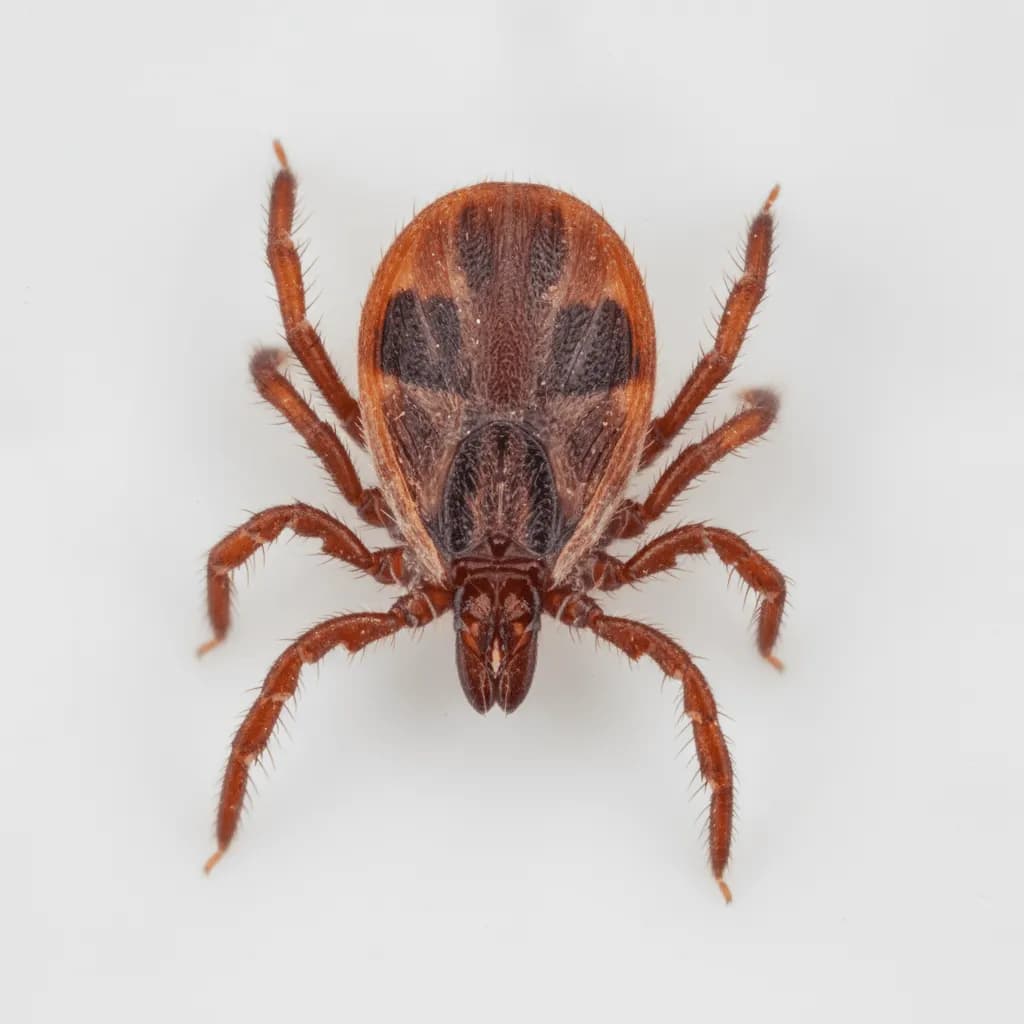
American Dog Tick
Dermacentor variabilis
The American Dog Tick is one of the most frequently encountered ticks in the eastern two-thirds of the United States.
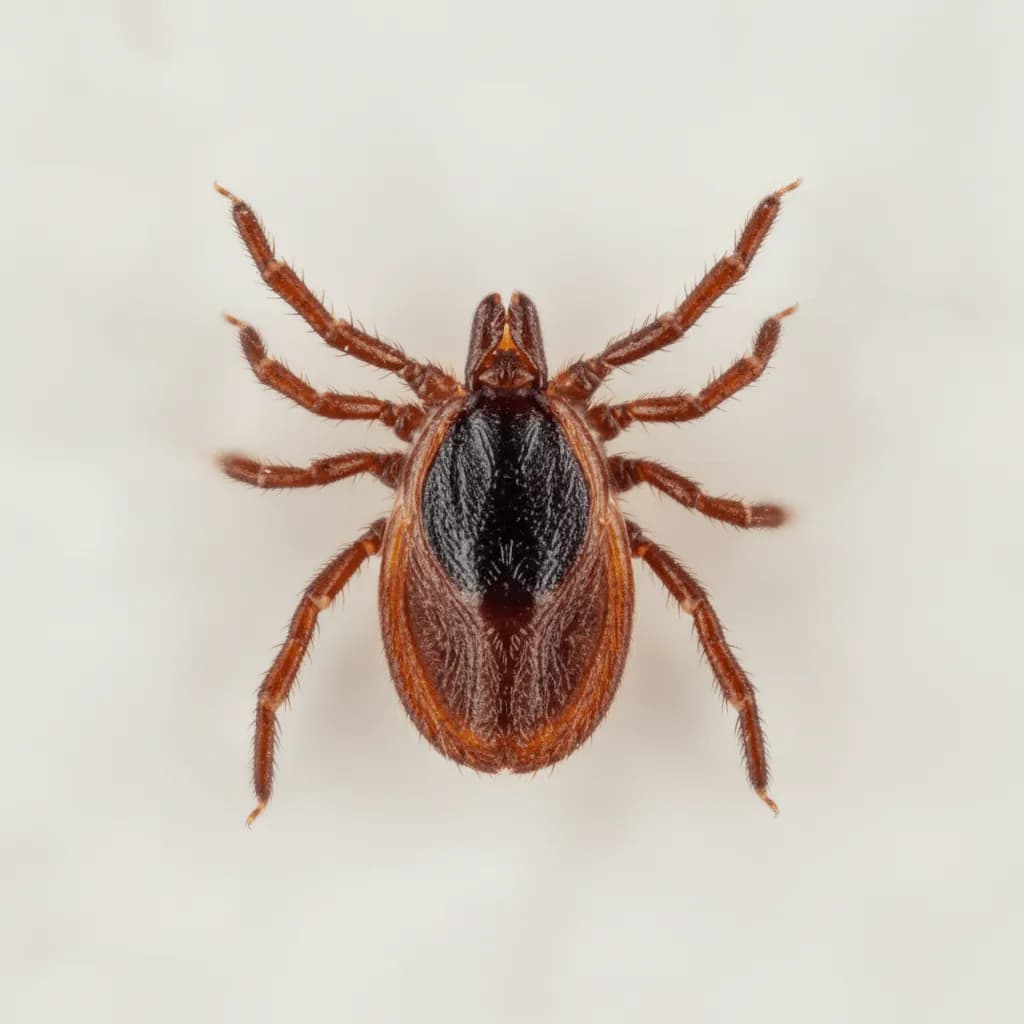
Blacklegged Tick
Ixodes scapularis
The Blacklegged Tick is the primary vector of Lyme disease, anaplasmosis, babesiosis, and Powassan virus in the eastern United States.
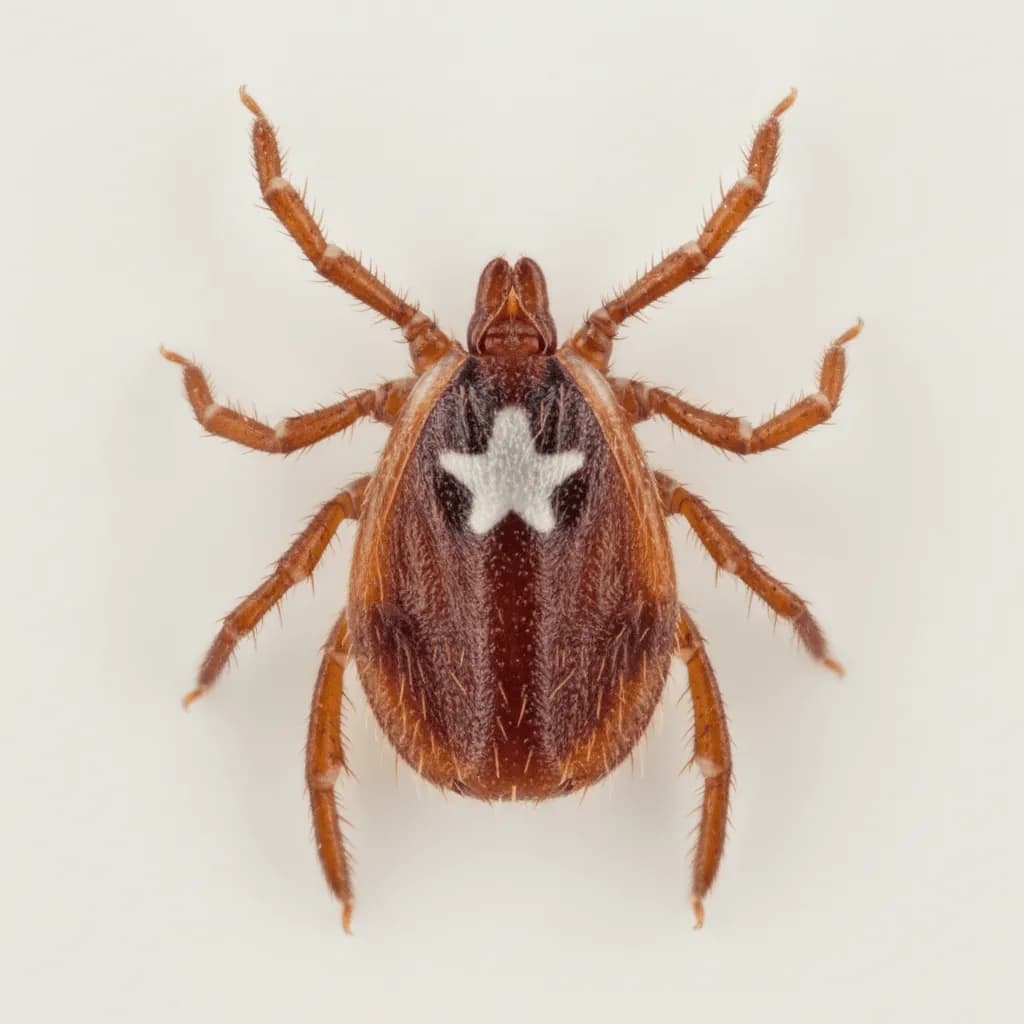
Lone Star Tick
Amblyomma americanum
The Lone Star Tick is an aggressive, three-host tick found throughout the southeastern and eastern United States.
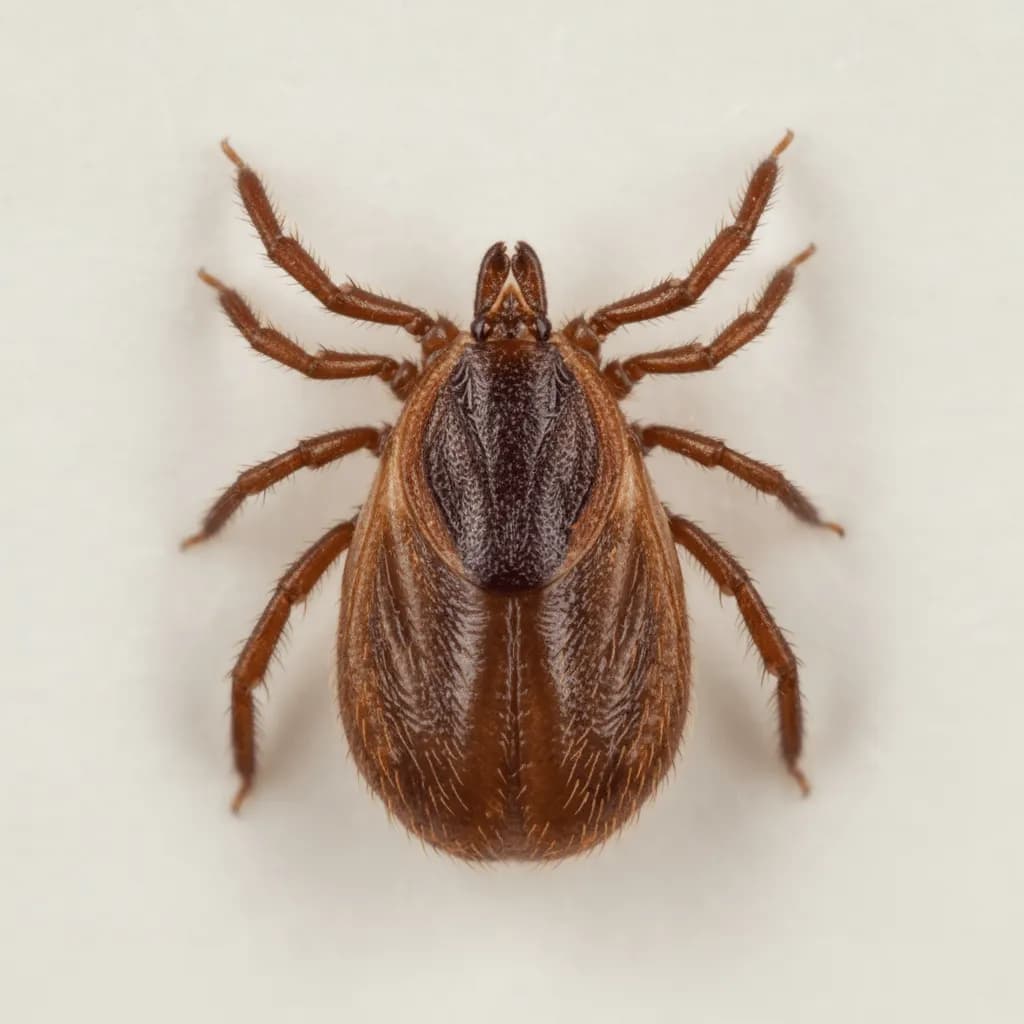
Brown Dog Tick
Rhipicephalus sanguineus
The Brown Dog Tick is unique among North American ticks in its ability to complete its entire life cycle indoors, making it a serious pest of homes and kennels.
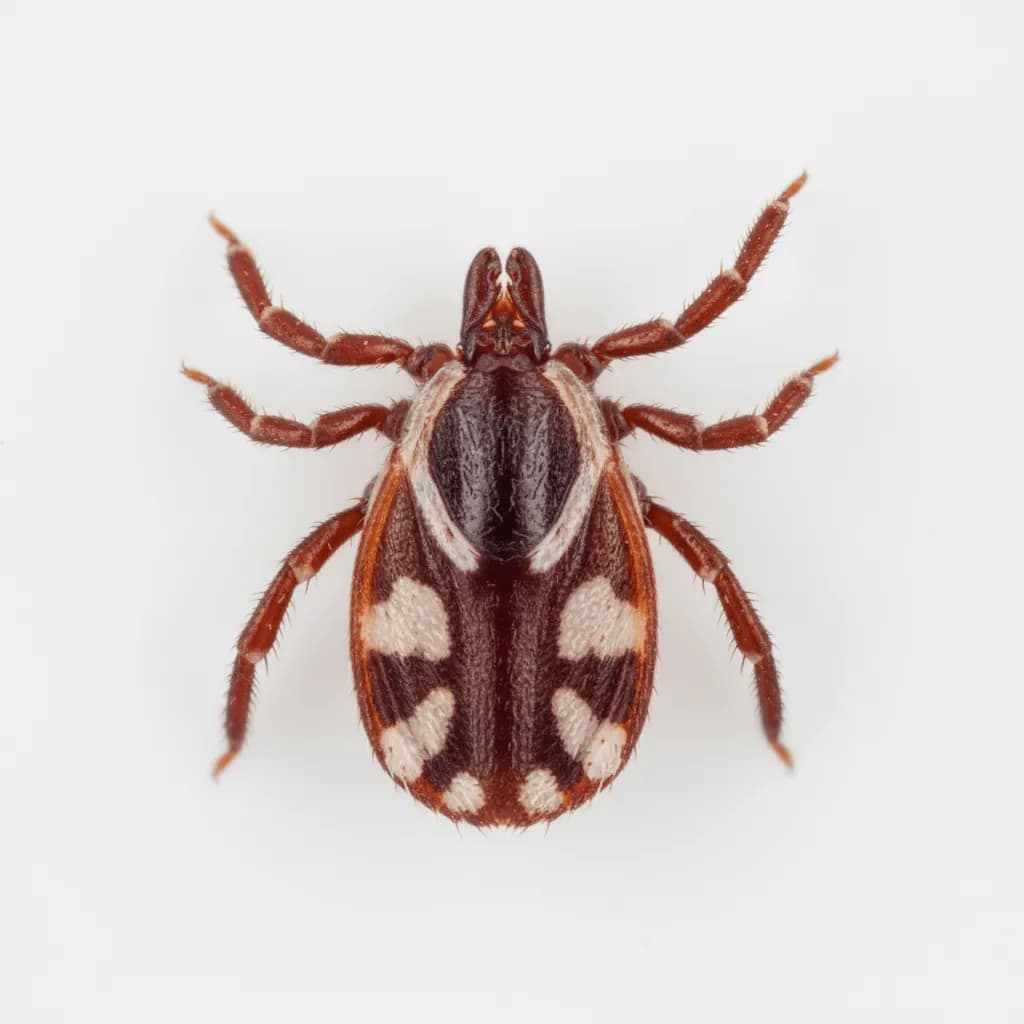
Gulf Coast Tick
Amblyomma maculatum
The Gulf Coast Tick is found primarily along the Atlantic and Gulf coasts of the United States, though its range has expanded inland in recent years.
Key Behaviors
Hard ticks quest for hosts by climbing to the tips of grass and low vegetation and extending their front legs to grab onto passing animals or humans. They embed their mouthparts firmly into the host's skin and feed for days. Disease transmission typically requires the tick to be attached for 24 to 48 hours. The blacklegged tick is the primary vector of Lyme disease, anaplasmosis, and babesiosis. The lone star tick transmits ehrlichiosis and is associated with the development of alpha-gal red meat allergy.
Risks & Concerns
Hard ticks transmit more diseases to humans than any other arthropod group in the United States, including Lyme disease, Rocky Mountain spotted fever, anaplasmosis, babesiosis, ehrlichiosis, and Powassan virus. Lyme disease alone accounts for over 400,000 estimated cases annually. Alpha-gal syndrome triggered by lone star tick bites causes potentially life-threatening allergic reactions to red meat. Brown dog ticks can establish indoor infestations in homes and kennels.
Identification Tip
Distinguished from soft ticks by their hard, visible scutum and visible mouthparts when viewed from above. Hard ticks feed for days while soft ticks feed for minutes to hours. Different species prefer different hosts and habitats, and each transmits different pathogens, making species identification important for assessing disease risk.
Quick Comparison
| Species | Size | Color | Key Trait |
|---|---|---|---|
| American Dog Tick | 5 mm unfed, up to 15 mm engorged | Brown with white or yellowish mottled markings on the dorsal shield | Ornate white mottled pattern on the scutum (dorsal shield); one of the most commonly encountered ticks in the eastern United States. Larger than blacklegged ticks. |
| Blacklegged Tick | 3 mm unfed (adult female), up to 10 mm engorged; nymphs are poppy-seed sized | Dark brown to black legs with an orange-brown body and dark brown scutum | Distinctive dark legs contrasting with an orange-brown abdomen; much smaller than the American dog tick. The nymphal stage (most likely to transmit Lyme disease) is tiny and easily overlooked. |
| Lone Star Tick | 4-6 mm unfed, up to 16 mm engorged | Reddish-brown; females have a single white dot (lone star) on the center of the back | Adult female has a distinctive single white spot on the dorsal shield. Very aggressive feeder that actively pursues hosts rather than passively questing. Known to cause alpha-gal syndrome (red meat allergy). |
| Brown Dog Tick | 3-5 mm unfed, up to 12 mm engorged | Uniformly reddish-brown with no ornate markings | Uniformly brown with no white markings or patterns; the only tick species in North America that can complete its entire life cycle indoors. Readily infests kennels and homes. |
| Gulf Coast Tick | 4-6 mm unfed, up to 15 mm engorged | Brown with silver-white ornate markings on the dorsal shield | Ornate silver-white markings on the scutum similar in size to lone star tick; primarily found along the Gulf Coast and southeastern coastline. Known vector of Rickettsia parkeri. |
Need Help With Hard ticks?
If you're seeing signs of hard ticks in or around your home, professional treatment is the fastest way to stop the problem. Lotus Pest Control offers free inspections to identify the issue and recommend the right solution.