
Flea & Tick
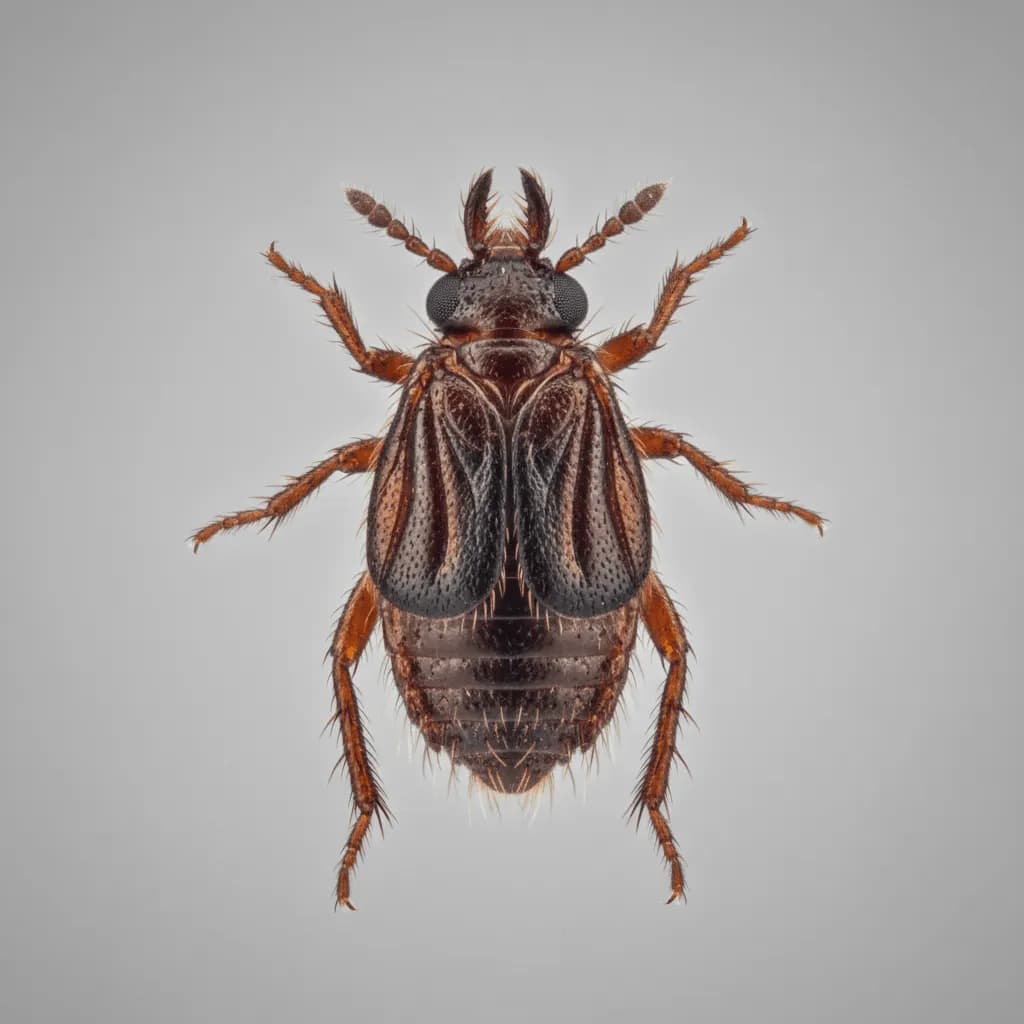
Fleas and ticks are parasitic arthropods that feed on the blood of mammals and birds, making them a year-round concern for pet owners and families. Fleas are insects known for their extraordinary jumping ability, while ticks are arachnids that attach to hosts for extended feeding periods. Both are capable of transmitting serious diseases to humans and animals. Flea infestations can build rapidly inside homes because of their fast reproductive cycle, while ticks pose ongoing risks in yards, parks, and wooded areas. Effective management requires treating both the animals and the environment simultaneously.
Species Covered
10
Species Groups
0
Common Traits
Fleas and ticks are both ectoparasites - they live on the exterior of their hosts - and both feed exclusively on blood. Fleas are small, laterally compressed insects that move through fur rapidly and reproduce at an impressive rate, with a single female producing up to 50 eggs per day. Ticks are slow-moving arachnids that embed their mouthparts into skin for feeding sessions lasting hours to days.
Species in This Category
All Flea & Tick
Signs of Infestation
- Pets scratching, biting, or grooming excessively, especially around the tail, neck, and ears
- Small, dark, fast-moving specks (fleas) visible on pets or bedding
- Flea dirt - tiny black pepper-like specks that turn red when moistened - on pet fur or sleeping areas
- Red, itchy bite marks on human ankles and lower legs
- Ticks found attached to skin after spending time outdoors in grassy or wooded areas
- Pale, oval flea eggs or pupae in carpet fibers, pet bedding, and upholstered furniture
Prevention
Flea and tick prevention requires a coordinated approach: veterinarian-recommended preventive treatments for all pets, regular vacuuming and laundering of pet bedding, and outdoor habitat management to reduce tick populations. Keeping lawns mowed, removing leaf litter, and creating gravel or mulch barriers between wooded areas and lawns all help reduce tick encounters. Year-round prevention is important because both pests can remain active in mild winters.
Frequently Asked Questions
Can I get fleas even if I don't have pets?
Why do I still have fleas after treating my pet?
How do I properly remove a tick?
What diseases do ticks carry in the United States?
How quickly do flea infestations develop?
Do flea bombs or foggers work?
Need Help With Flea & tick?
If you're seeing signs of flea & tick in or around your home, professional treatment is the fastest way to stop the problem. Lotus Pest Control offers free inspections to identify the issue and recommend the right solution.