
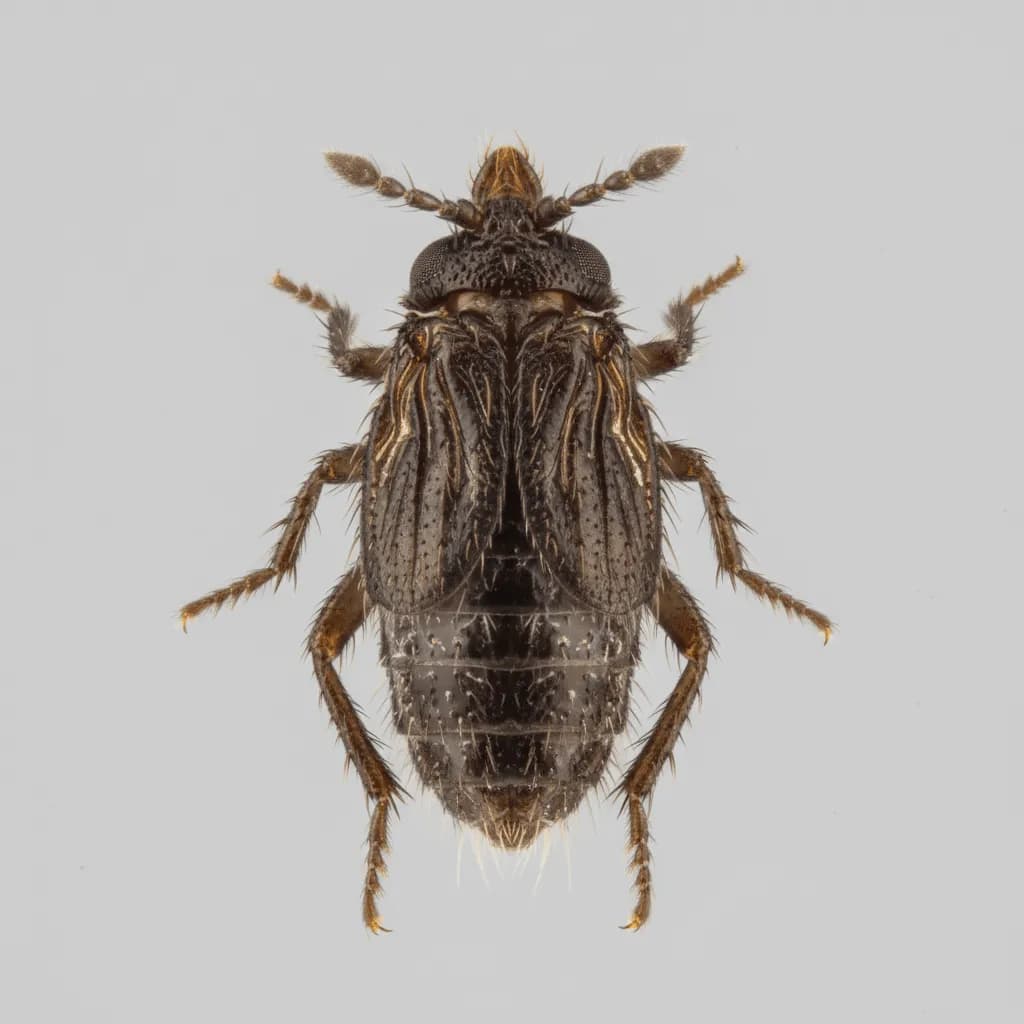
Oriental Rat Flea
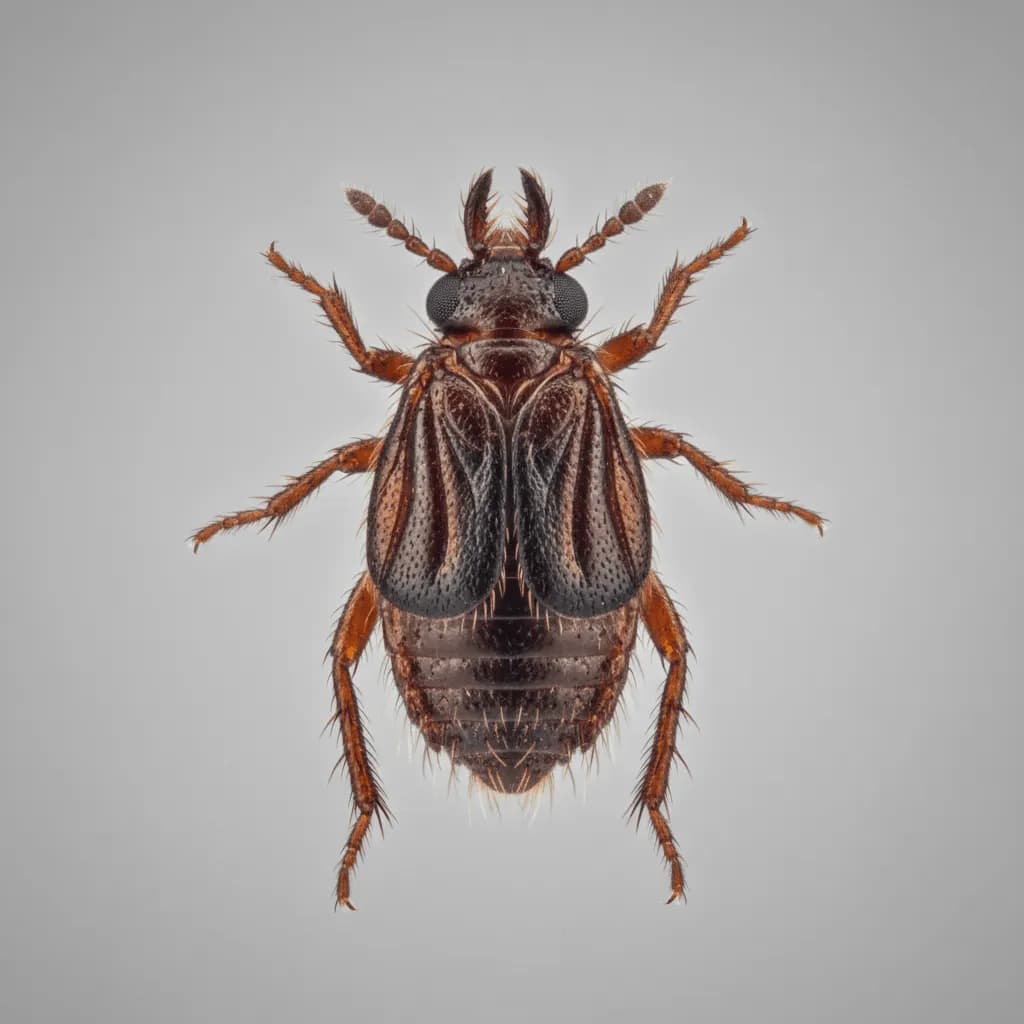
Xenopsylla cheopis
Also known as: Tropical Rat Flea
The Oriental Rat Flea is the most medically significant flea species in human history, serving as the primary vector of bubonic plague (Yersinia pestis) and murine typhus (Rickettsia typhi). It feeds primarily on rats and readily bites humans when rat hosts die. It remains a public health concern in port cities and areas with dense rodent populations.
Identification
Size
1.5-2.5 mm
Color
Dark brown, laterally compressed with a smooth rounded head
Key Trait
Smooth, rounded head without genal or pronotal combs; the primary vector of bubonic plague and murine typhus worldwide.
Behavior & Habitat
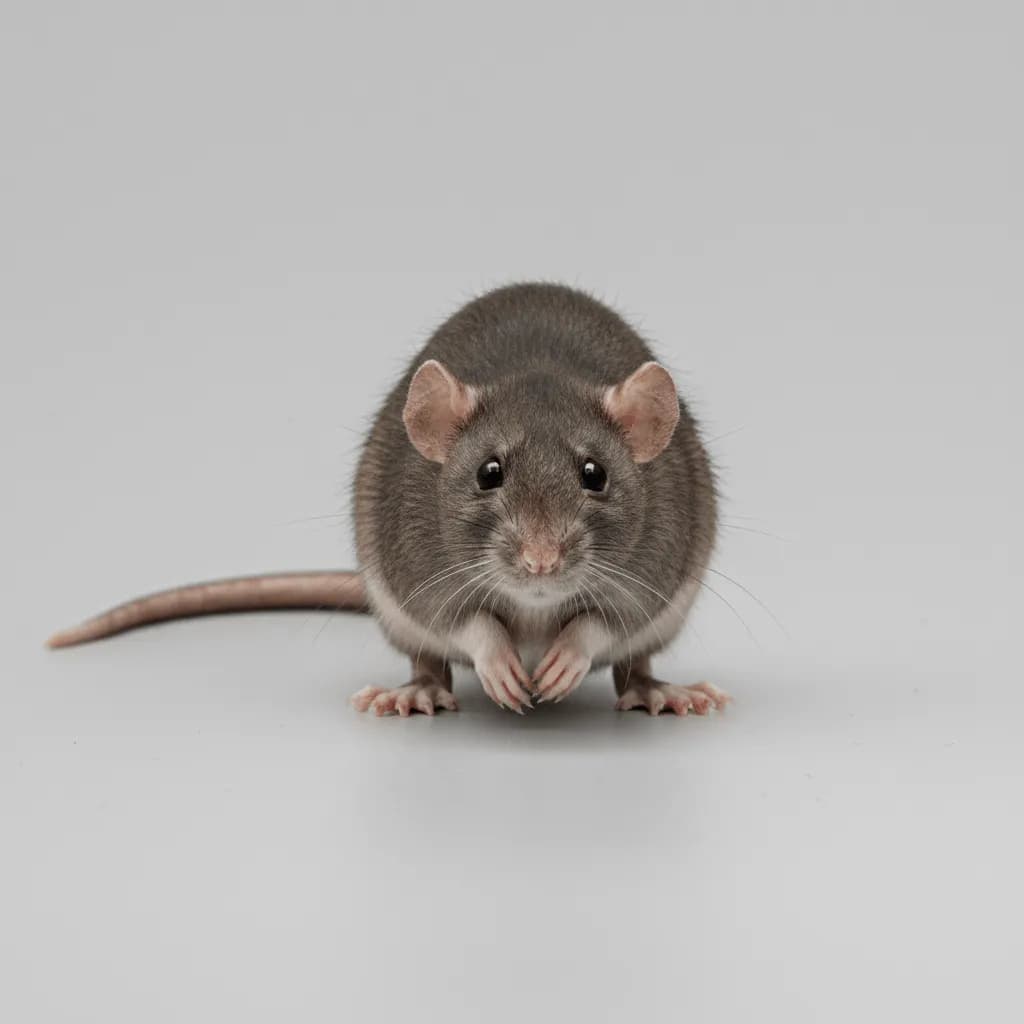
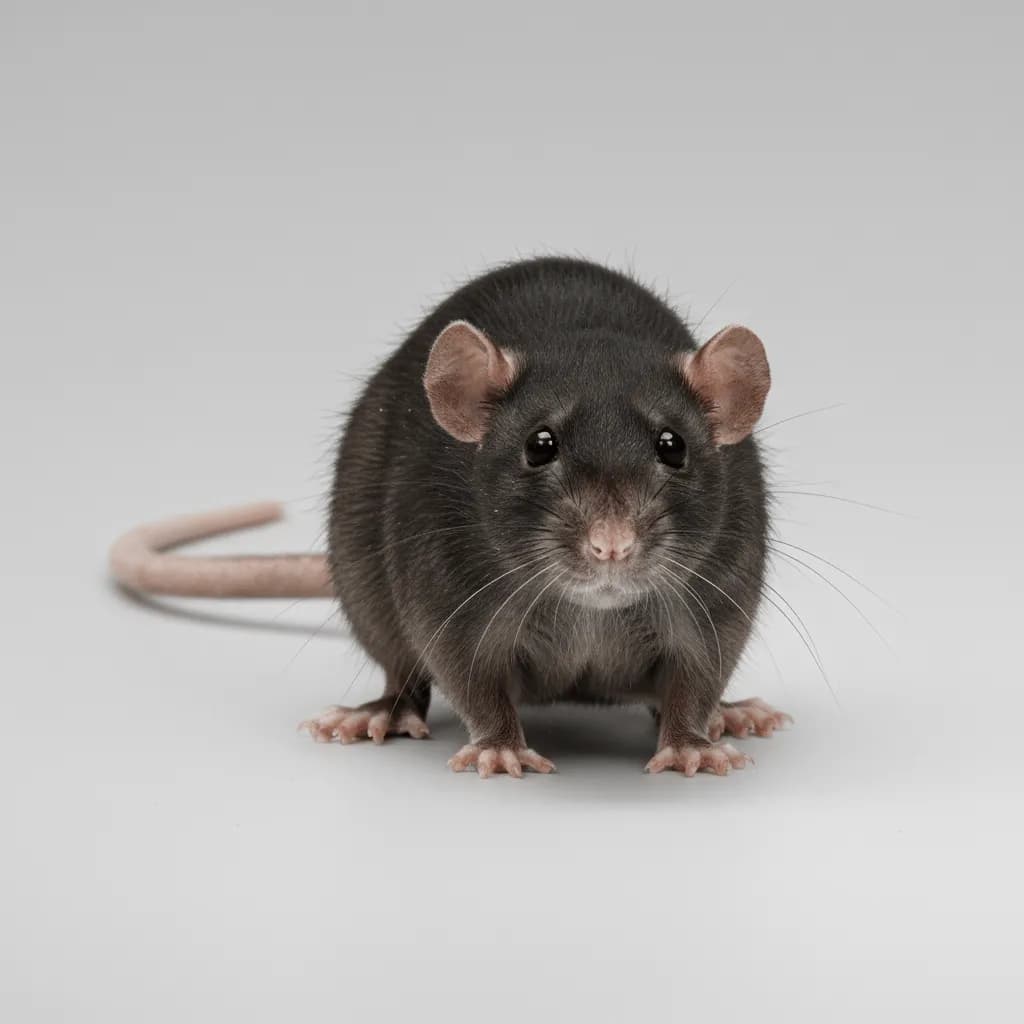
Feeds primarily on Norway rats and roof rats. When a rat host dies, fleas leave the carcass and seek new hosts, including humans. Plague bacteria multiply in the flea's gut, blocking normal feeding and causing the flea to regurgitate infected blood into bite wounds.
Habitat: Rat burrows, warehouses, port facilities, sewers, and any structure with rat infestations. Thrives in tropical and subtropical climates but occurs in temperate regions on commensal rats.
Diet: Blood from rats, mice, humans, and other mammals.
Signs of Infestation
- Evidence of active rat infestation in or near the structure
- Flea bites appearing on humans in areas with known rodent problems
- Fleas observed on trapped or dead rats
Risks & Damage
Primary vector of bubonic plague and murine typhus. Represents a serious public health threat wherever commensal rats are present.
Prevention Tips
- 1.Eliminate rat populations through professional rodent control
- 2.Seal all entry points that allow rats access to structures
- 3.Remove food sources and harborage that attract rats to the property
Why DIY Treatment Often Falls Short
Controlling oriental rat fleas requires eliminating the rat population first. Treating fleas without addressing the rodent infestation is futile, as new fleas continuously arrive on rats.
Professional Treatment
Professionals implement integrated pest management combining rodent control with flea treatment. Rat populations are eliminated first, then residual insecticides are applied to burrows, runways, and harborage areas. Monitoring ensures both rats and fleas are fully controlled.
Frequently Asked Questions
Is plague still a concern in the United States?
How does this flea transmit plague?
Should I worry about oriental rat fleas in my home?
Need Help With Oriental rat flea?
If you're seeing signs of oriental rat flea in or around your home, professional treatment is the fastest way to stop the problem. Lotus Pest Control offers free inspections to identify the issue and recommend the right solution.
At a Glance
- Category
- Fleas And Ticks
- Scientific Name
- Xenopsylla cheopis
- Size
- 1.5-2.5 mm
- Color
- Dark brown, laterally compressed with a smooth rounded head
- Key Trait
- Smooth, rounded head without genal or pronotal combs; the primary vector of bubonic plague and murine typhus worldwide.
- Regions
- Gulf Coast, Southeast, Southwest, West Coast, Mid Atlantic
- Threat Level
- High
- Risk Types
- health
- Seasonal Activity
- MarAprMayJunJulAugSepOctNovDecJanFebnonelowmoderatehighpeak