
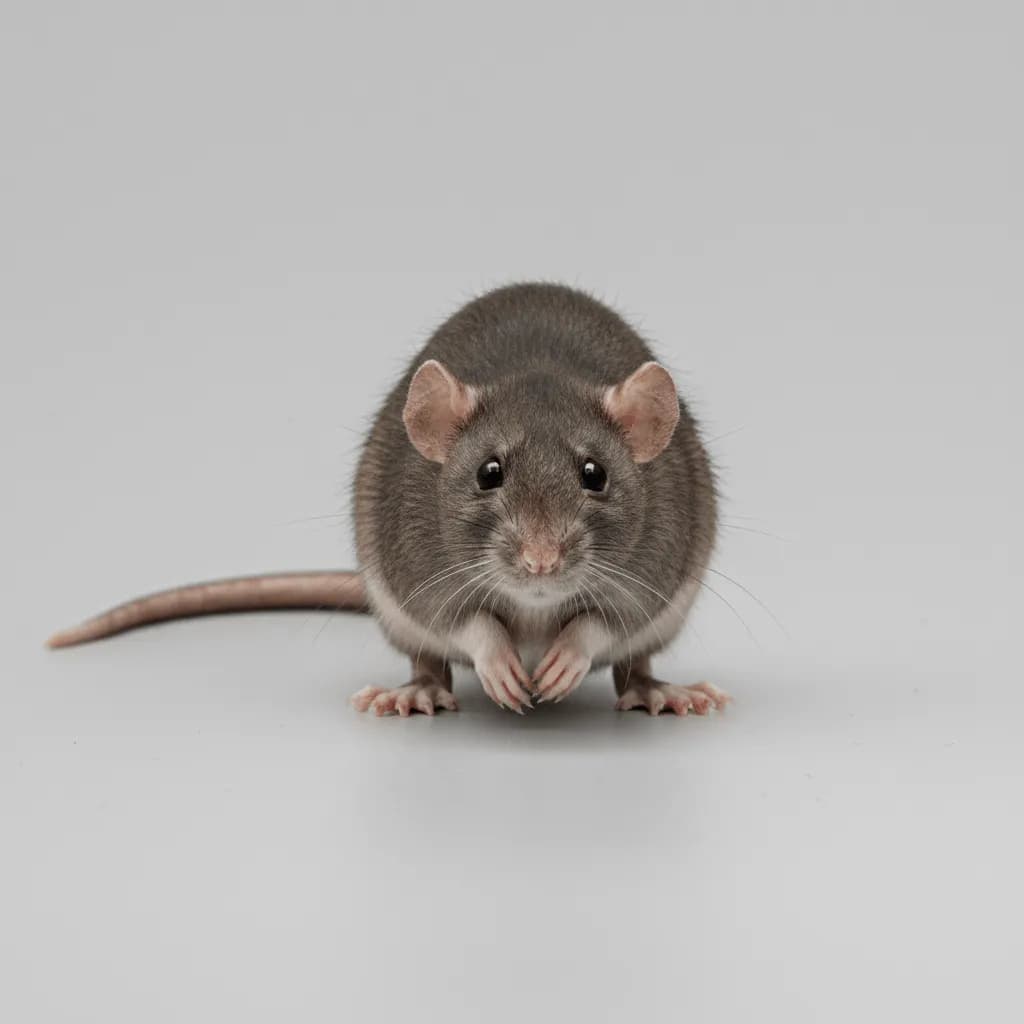
Norway Rat
Rattus norvegicus
Also known as: Brown Rat, Sewer Rat, Wharf Rat
The Norway Rat is the most widespread commensal rodent in the world and the dominant rat species in temperate North America. It is a powerful burrower that nests at ground level or below, frequently invading basements, sewers, and crawl spaces. Norway rats are responsible for significant food contamination, structural damage, and disease transmission.
Identification
Size
200-275 mm body length, plus 150-215 mm tail; 200-500 g
Color
Brown to grayish-brown with a lighter gray or white underside
Key Trait
Larger and heavier than the roof rat with a blunt nose, small ears, and a thick tail shorter than the combined length of head and body. Prefers ground-level and subterranean habitats.
Behavior & Habitat
Primarily nocturnal with predictable travel routes along walls and foundations. Neophobic, avoiding new objects in their environment for days. Excellent swimmers that inhabit sewers and can enter buildings through toilets. Colonies have a strict social hierarchy dominated by larger males.
Habitat: Basements, crawl spaces, sewers, ground-level burrows along foundations, garbage areas, and loading docks. Prefers lower floors and underground spaces.
Diet: Omnivorous with a preference for cereal grains, meat, fish, nuts, and fruit. Requires a daily water source and consumes approximately 25-30 g of food per day.
Signs of Infestation
- Blunt, capsule-shaped droppings (18-20 mm) found along walls and in basements
- Burrow openings (5-8 cm diameter) along foundations, under slabs, and in embankments
- Greasy rub marks and gnaw marks on wood, pipes, and wiring near ground level
Risks & Damage
Transmits leptospirosis, salmonellosis, rat-bite fever, and hantavirus. Contaminates food with droppings and urine.
Gnaws through wood, plastic pipes, and electrical wiring, causing water damage and fire hazards.
Contaminates and consumes stored food in homes, restaurants, and food processing facilities.
Prevention Tips
- 1.Seal all gaps larger than 12 mm in foundations, walls, and around utility penetrations
- 2.Store food in sealed metal or heavy plastic containers and eliminate water sources
- 3.Keep garbage in sealed bins and remove outdoor food sources including fallen fruit and bird feeders
Why DIY Treatment Often Falls Short
Norway rats are neophobic and learn to avoid traps after observing other rats being caught. Consumer-grade rodenticides are often improperly placed, creating secondary poisoning risks without eliminating the colony. Exclusion work requires professional-grade materials.
Professional Treatment
Professionals conduct a comprehensive inspection to identify entry points, nesting sites, and population size. Treatment combines exclusion sealing with commercial-grade materials, strategic bait station placement, snap trap programs, and sanitation recommendations. Monitoring ensures the population is eliminated and re-entry is prevented.
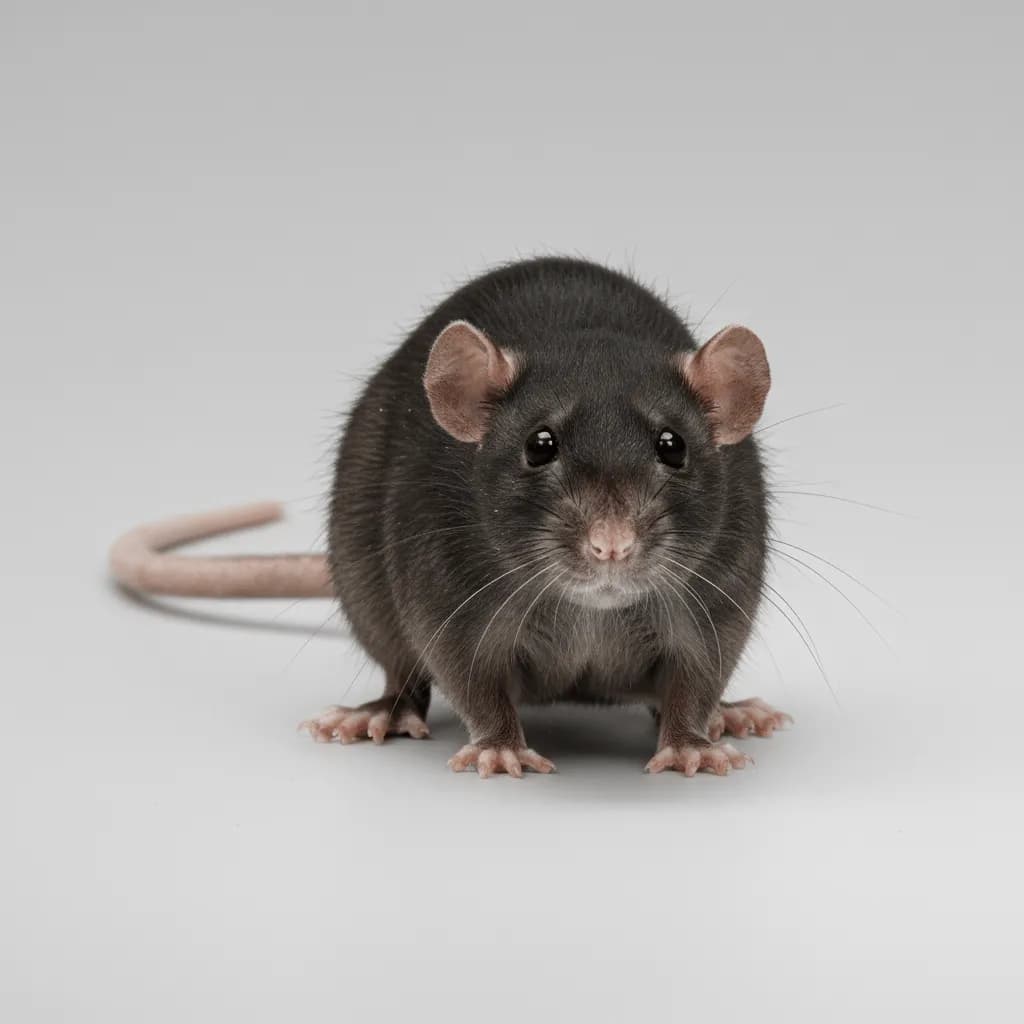
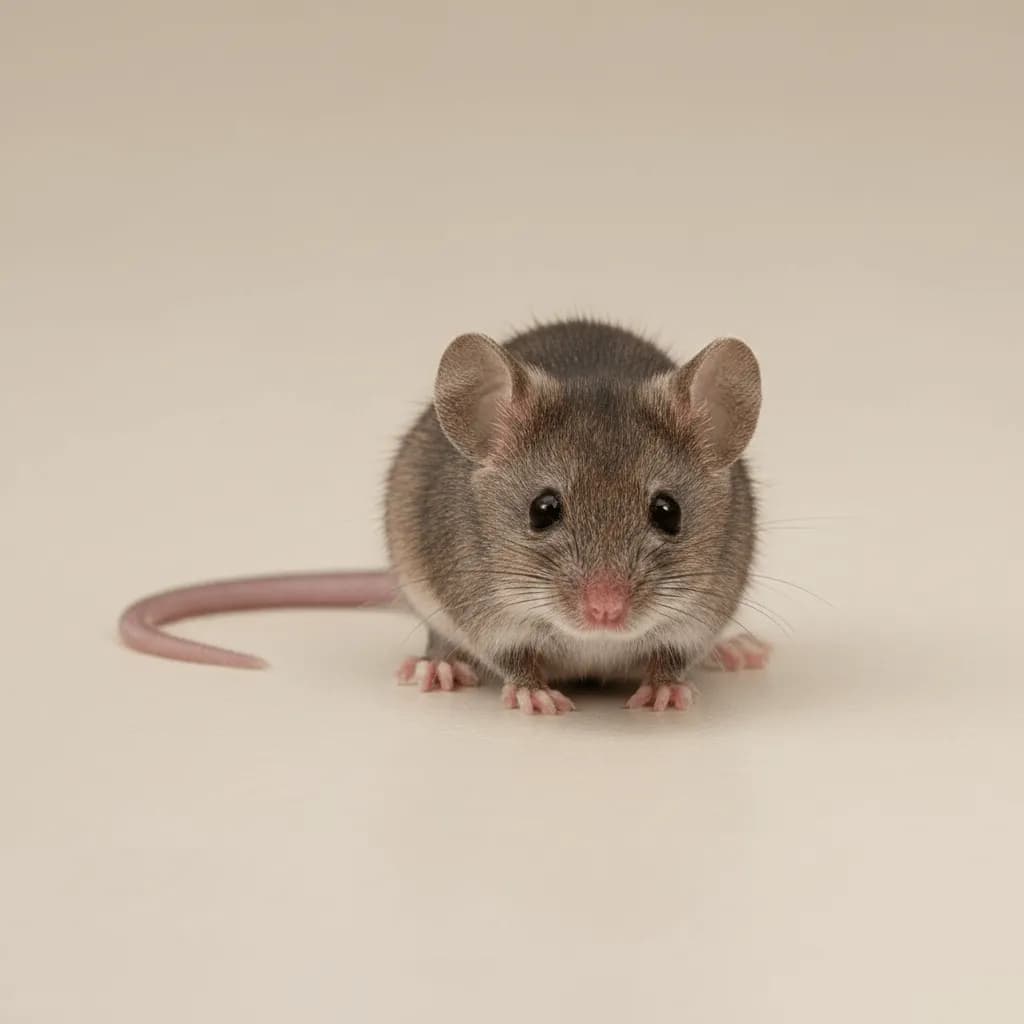
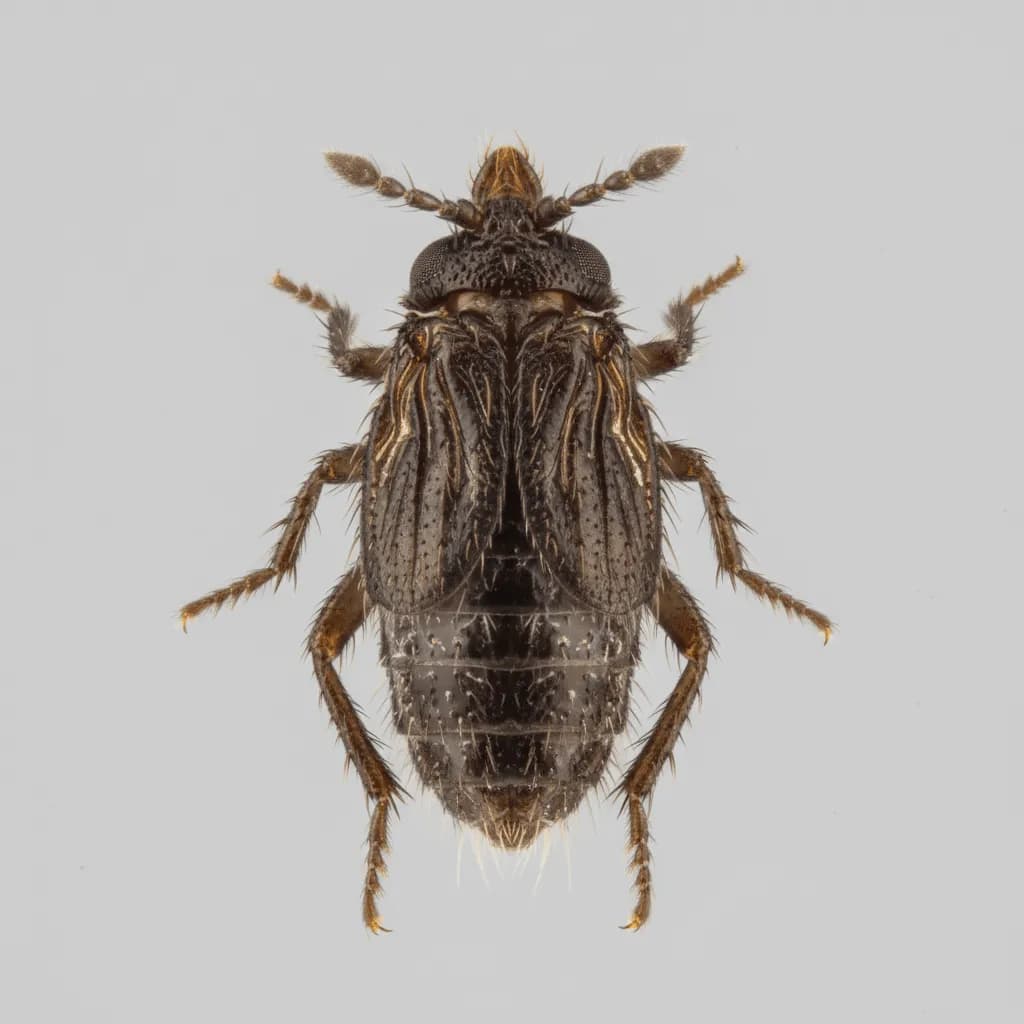
Frequently Asked Questions
How do I tell Norway rats from roof rats?
Can Norway rats really enter through toilets?
How fast do Norway rats reproduce?
Need Help With Norway rat?
If you're seeing signs of norway rat in or around your home, professional treatment is the fastest way to stop the problem. Lotus Pest Control offers free inspections to identify the issue and recommend the right solution.
At a Glance
- Category
- Rodents
- Scientific Name
- Rattus norvegicus
- Size
- 200-275 mm body length, plus 150-215 mm tail; 200-500 g
- Color
- Brown to grayish-brown with a lighter gray or white underside
- Key Trait
- Larger and heavier than the roof rat with a blunt nose, small ears, and a thick tail shorter than the combined length of head and body. Prefers ground-level and subterranean habitats.
- Regions
- Northeast, Mid Atlantic, Midwest, West Coast, Southeast, Pacific Northwest, Gulf Coast
- Threat Level
- Very High
- Risk Types
- healthstructuralfood
- Seasonal Activity
- MarAprMayJunJulAugSepOctNovDecJanFebnonelowmoderatehighpeak