
Rats
Rats are among the most destructive and historically significant pests, responsible for food contamination, structural damage, disease transmission, and fire hazards from gnawing on electrical wiring. The Norway rat and roof rat are the two primary pest species in the United States. Norway rats are larger, burrowing rats that dominate at ground level and below, while roof rats are agile climbers that inhabit attics, trees, and upper portions of structures. Both species are commensal, meaning they live in close association with humans and are dependent on human food and shelter.
Species in This Group (4)
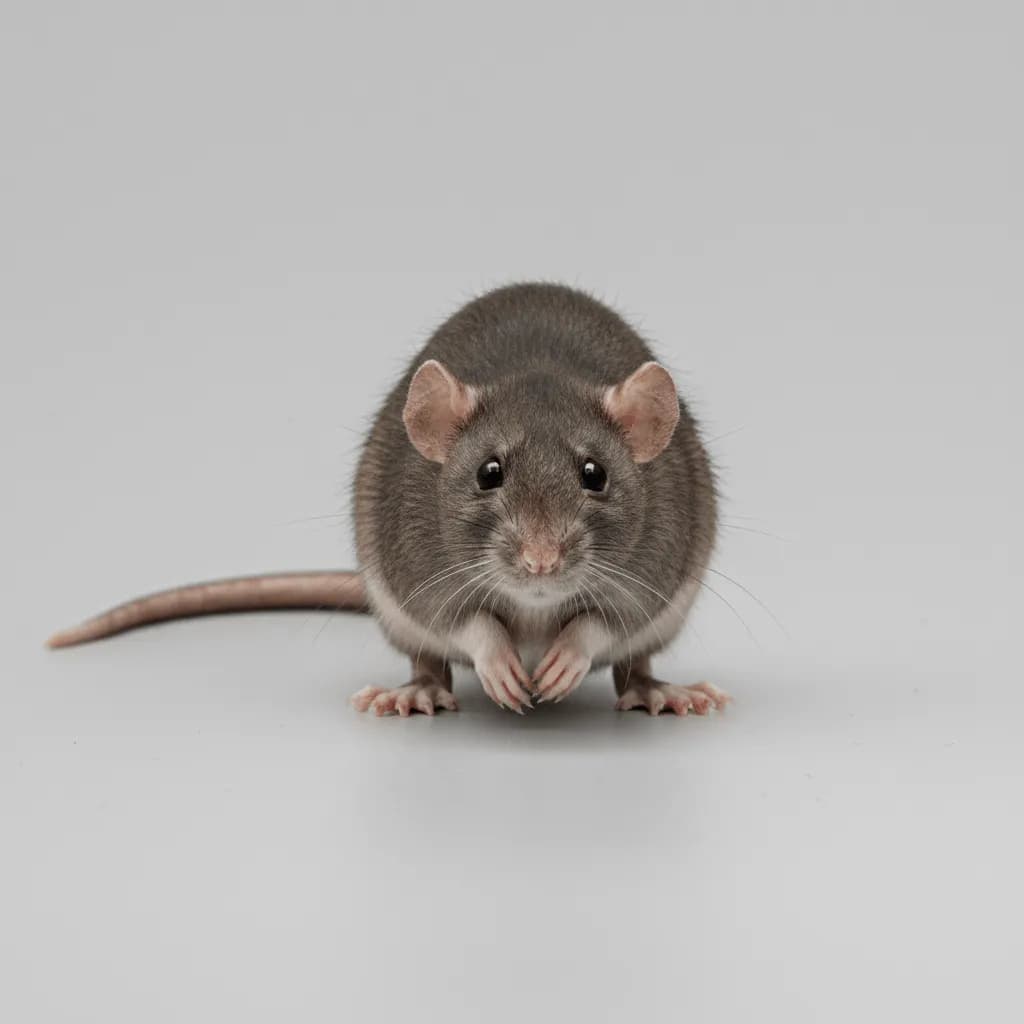
Norway Rat
Rattus norvegicus
The Norway Rat is the most widespread commensal rodent in the world and the dominant rat species in temperate North America.
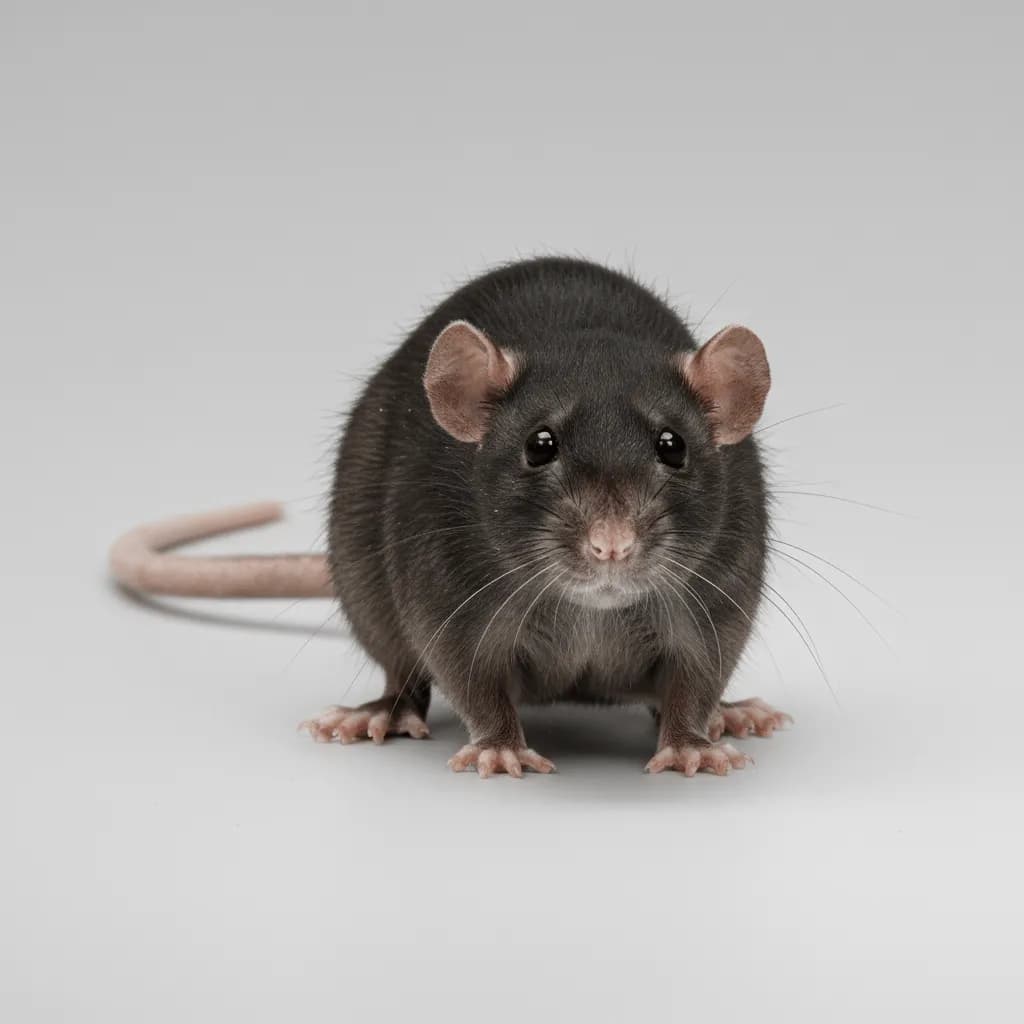
Roof Rat
Rattus rattus
The Roof Rat is an agile climbing rodent that prefers to nest in elevated locations such as attics, rafters, trees, and dense vine growth.
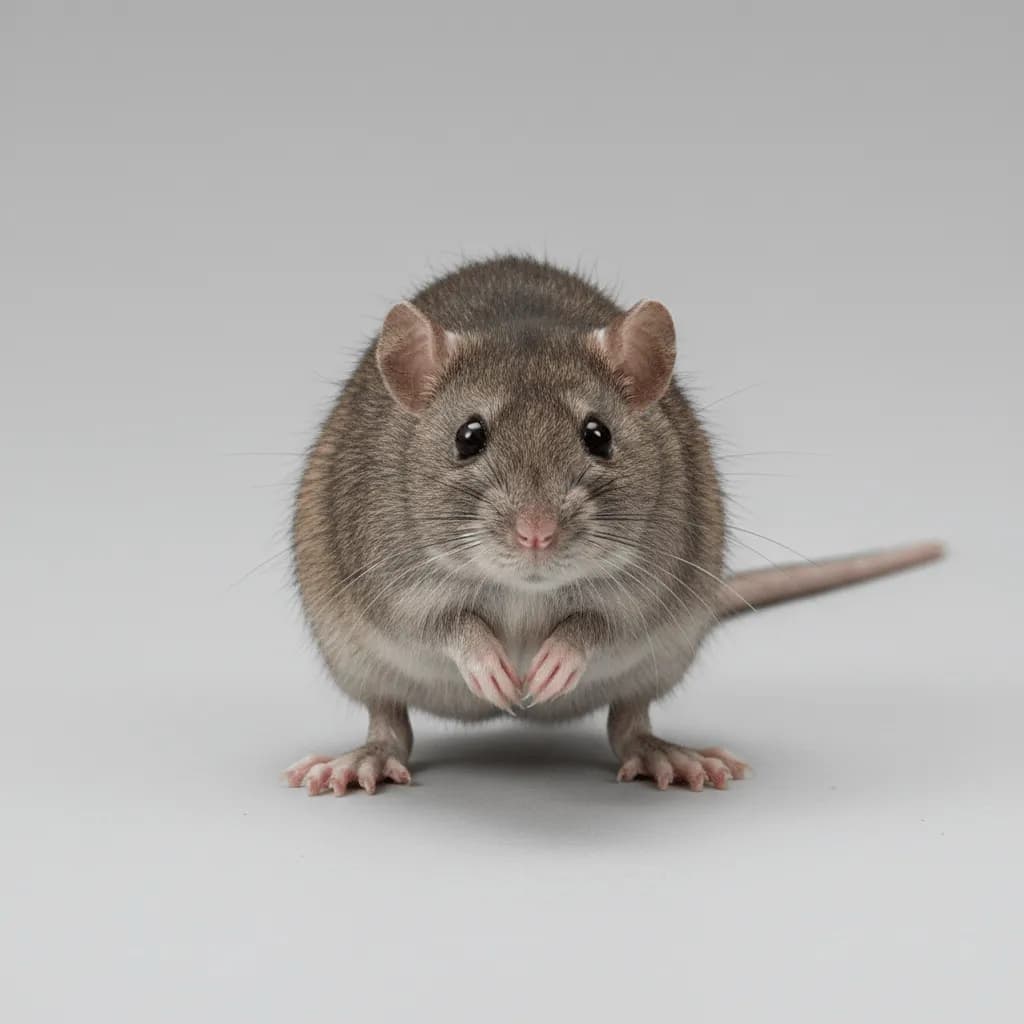
Cotton Rat
Sigmodon hispidus
The Cotton Rat is a native rodent of the southern United States that is primarily an agricultural and lawn pest rather than a household invader.
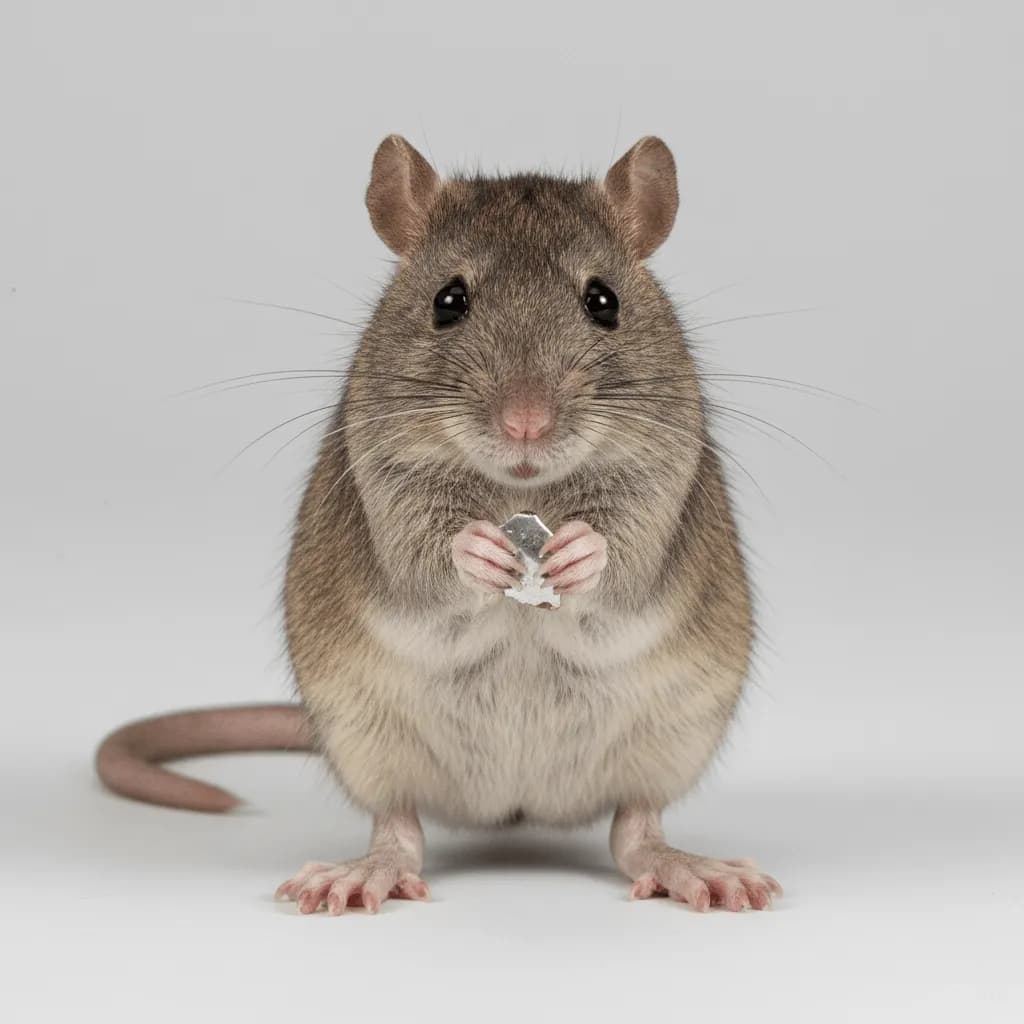
Pack Rat
Neotoma floridana
The Pack Rat, or Eastern Woodrat, is known for its habit of collecting objects and building elaborate stick nests called middens.
Key Behaviors
Rats are nocturnal, cautious, and neophobic, preferring to travel along walls and established pathways. They gnaw constantly to keep their continuously growing incisors in check, damaging wiring, plumbing, and structural materials. Norway rats burrow under foundations, along walls, and beneath debris. Roof rats enter structures at the roofline, traveling along power lines, tree limbs, and fence tops. Both species contaminate far more food than they consume through urine, feces, and hair.
Risks & Concerns
Rats transmit over 35 diseases including leptospirosis, hantavirus, rat-bite fever, and salmonellosis. They contaminate food with urine and feces, gnaw through electrical wiring causing fire hazards, and damage plumbing causing water leaks. A single rat can produce 25,000 droppings per year. Property damage from rats costs billions annually. Their reproductive rate - up to 12 young per litter with 4 to 7 litters per year - means populations grow rapidly when resources are available.
Identification Tip
Norway rats are larger, stockier, with blunt noses and shorter tails than their body length. Roof rats are sleeker, with pointed noses and longer tails than their body length. Norway rats dominate ground level and burrow; roof rats dominate upper levels and climb. Their different habits require different trap placement and exclusion strategies.
Quick Comparison
| Species | Size | Color | Key Trait |
|---|---|---|---|
| Norway Rat | 200-275 mm body length, plus 150-215 mm tail; 200-500 g | Brown to grayish-brown with a lighter gray or white underside | Larger and heavier than the roof rat with a blunt nose, small ears, and a thick tail shorter than the combined length of head and body. Prefers ground-level and subterranean habitats. |
| Roof Rat | 160-210 mm body length, plus 190-255 mm tail; 150-250 g | Black to dark brown with a lighter gray underside | Sleek body with a pointed nose, large ears, and a long tail that exceeds the combined length of head and body. An agile climber that prefers elevated spaces above ground level. |
| Cotton Rat | 125-180 mm body length, plus 80-130 mm tail; 80-200 g | Coarse, grizzled dark brown to grayish-brown with a grayish underside | Stocky body with coarse, grizzled fur, small eyes and ears, and a relatively short tail. Larger than a mouse but smaller than commensal rats. Primarily an outdoor and agricultural pest. |
| Pack Rat | 150-230 mm body length, plus 130-190 mm tail; 200-400 g | Brownish-gray on top with a white or cream underside and white feet | Distinctly bicolored with white underside and feet, large ears, large dark eyes, and a furry tail. Builds conspicuous stick nests (middens) that can be over a meter in diameter. |
Need Help With Rats?
If you're seeing signs of rats in or around your home, professional treatment is the fastest way to stop the problem. Lotus Pest Control offers free inspections to identify the issue and recommend the right solution.