
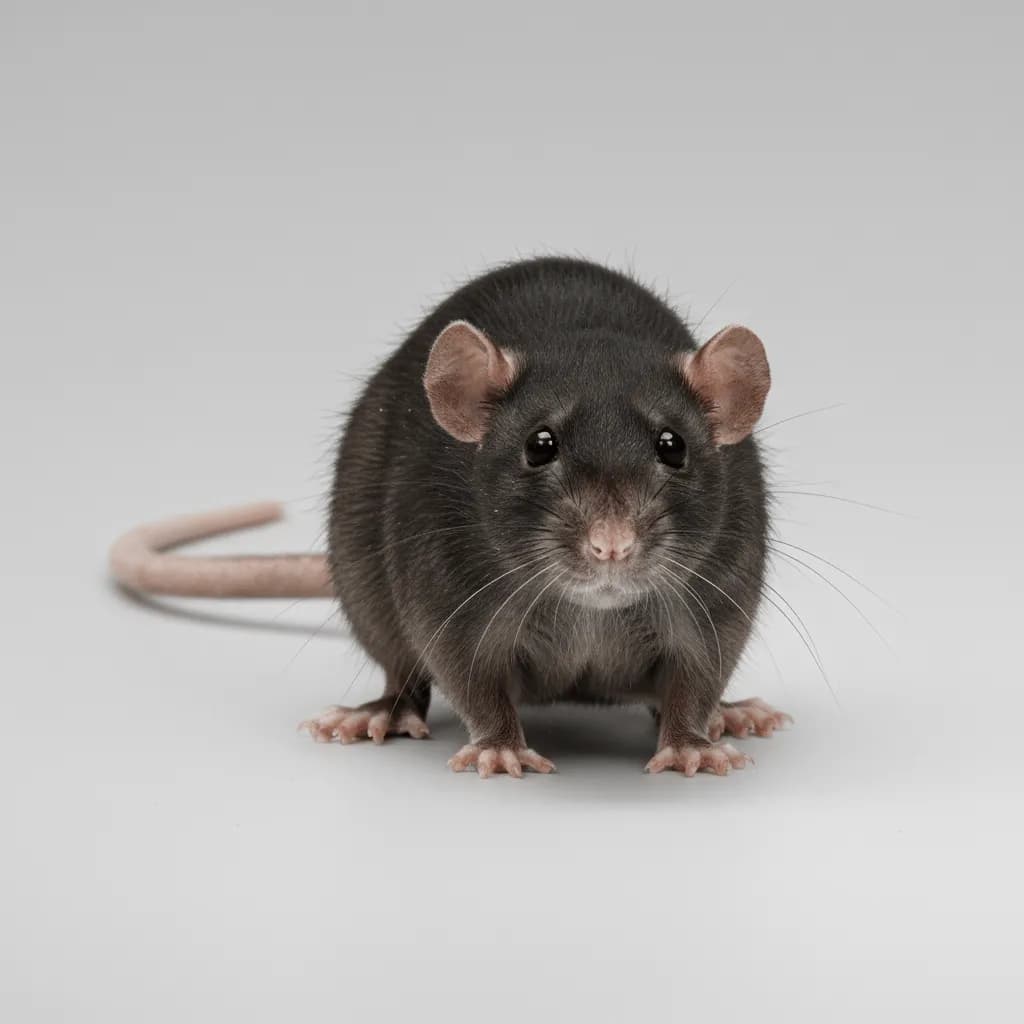
Roof Rat
Rattus rattus
Also known as: Black Rat, Ship Rat, Fruit Rat
The Roof Rat is an agile climbing rodent that prefers to nest in elevated locations such as attics, rafters, trees, and dense vine growth. It is the dominant rat species in tropical and subtropical regions and is particularly common in coastal areas. The roof rat is the species historically responsible for carrying the fleas that transmitted bubonic plague.
Identification
Size
160-210 mm body length, plus 190-255 mm tail; 150-250 g
Color
Black to dark brown with a lighter gray underside
Key Trait
Sleek body with a pointed nose, large ears, and a long tail that exceeds the combined length of head and body. An agile climber that prefers elevated spaces above ground level.
Behavior & Habitat
Highly agile climber that travels along power lines, tree branches, and rooflines. Less neophobic than the Norway rat and quicker to investigate new food sources and objects. Primarily nocturnal, with peak activity at dusk and just before dawn. Nests in colonies in elevated spaces.
Habitat: Attics, ceiling voids, palm trees, dense ivy and vine growth, woodpiles above ground, and overhead structures. Prefers elevated harborage and avoids ground-level burrows.
Diet: Omnivorous with a strong preference for fruits, nuts, seeds, and vegetables. Also eats insects, pet food, and bird seed. Requires less water than the Norway rat.
Signs of Infestation
- Spindle-shaped droppings (12-13 mm) found in attics, along rafters, and on overhead surfaces
- Sounds of running and gnawing in the attic or ceiling, especially at night
- Gnaw marks on fruit, electrical wiring, and wood in elevated spaces
Risks & Damage
Transmits plague, typhus, salmonellosis, and rat-bite fever. Contaminates food and surfaces with droppings and urine.
Gnaws through electrical wiring, wood, and PVC pipes in attics and walls, creating fire and water damage risks.
Frequently gnaws on electrical wiring in attics and wall voids, a significant cause of structure fires.
Prevention Tips
- 1.Trim tree branches and vines at least 4 feet from the roofline and utility lines
- 2.Seal all openings larger than 12 mm around the roofline, eaves, and utility penetrations
- 3.Remove or pick ripe fruit from trees promptly and clean fallen fruit from the ground
Why DIY Treatment Often Falls Short
Roof rats travel across rooflines and power lines, making entry points difficult to identify from ground level. They nest in hard-to-access attic spaces where consumer traps are rarely placed correctly. Sealing requires working at height with professional materials.
Professional Treatment
Professionals inspect attics, rooflines, and tree canopies to map entry points and travel routes. Treatment includes exclusion of all roofline and eave gaps, strategic trap placement in attic spaces, removal of overhanging vegetation, and bait station deployment. Ongoing monitoring prevents recolonization.
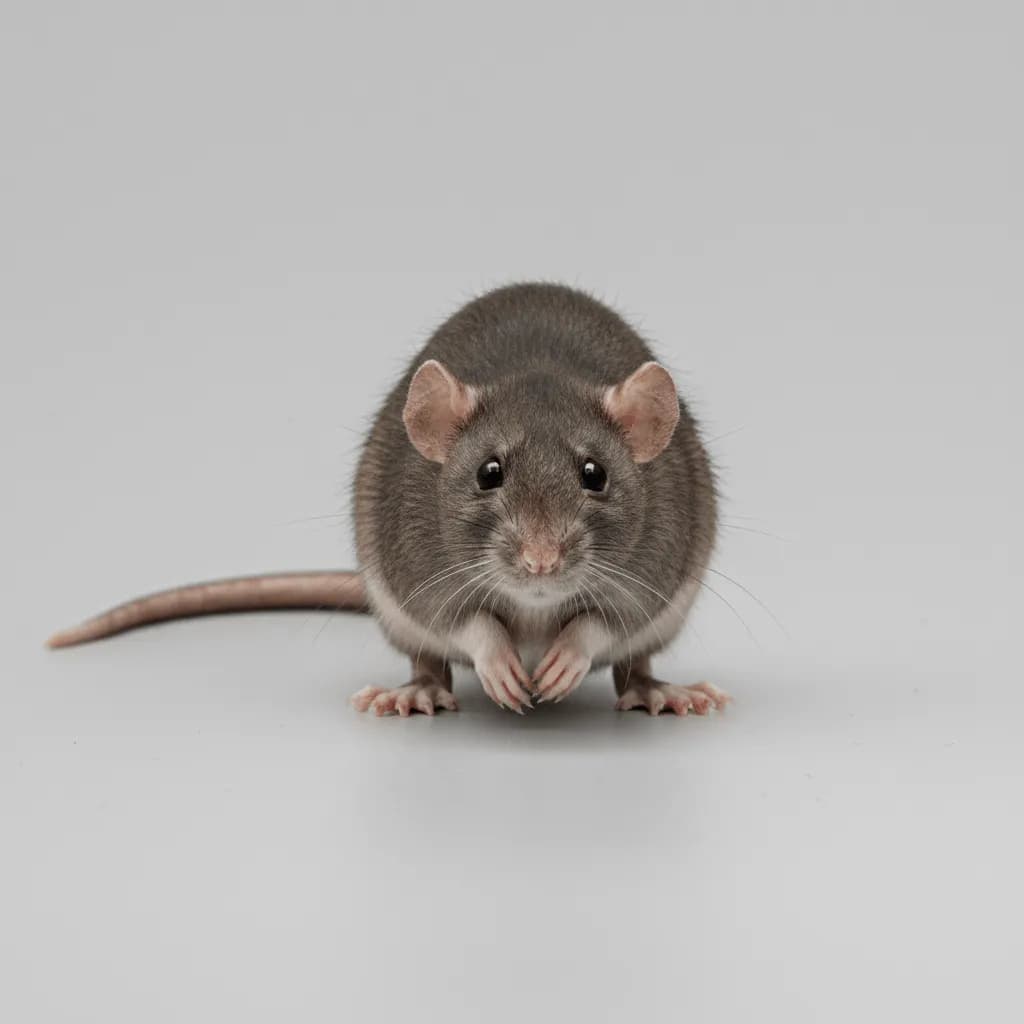
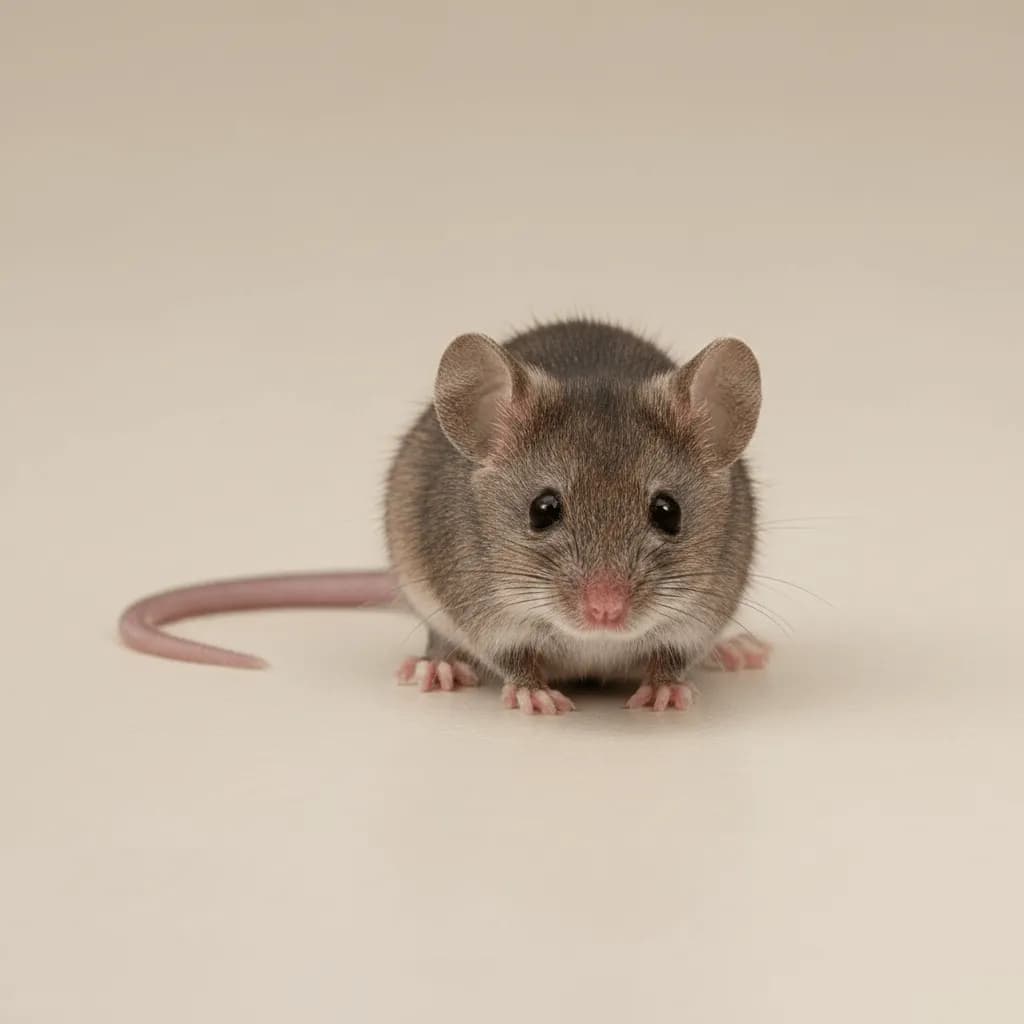
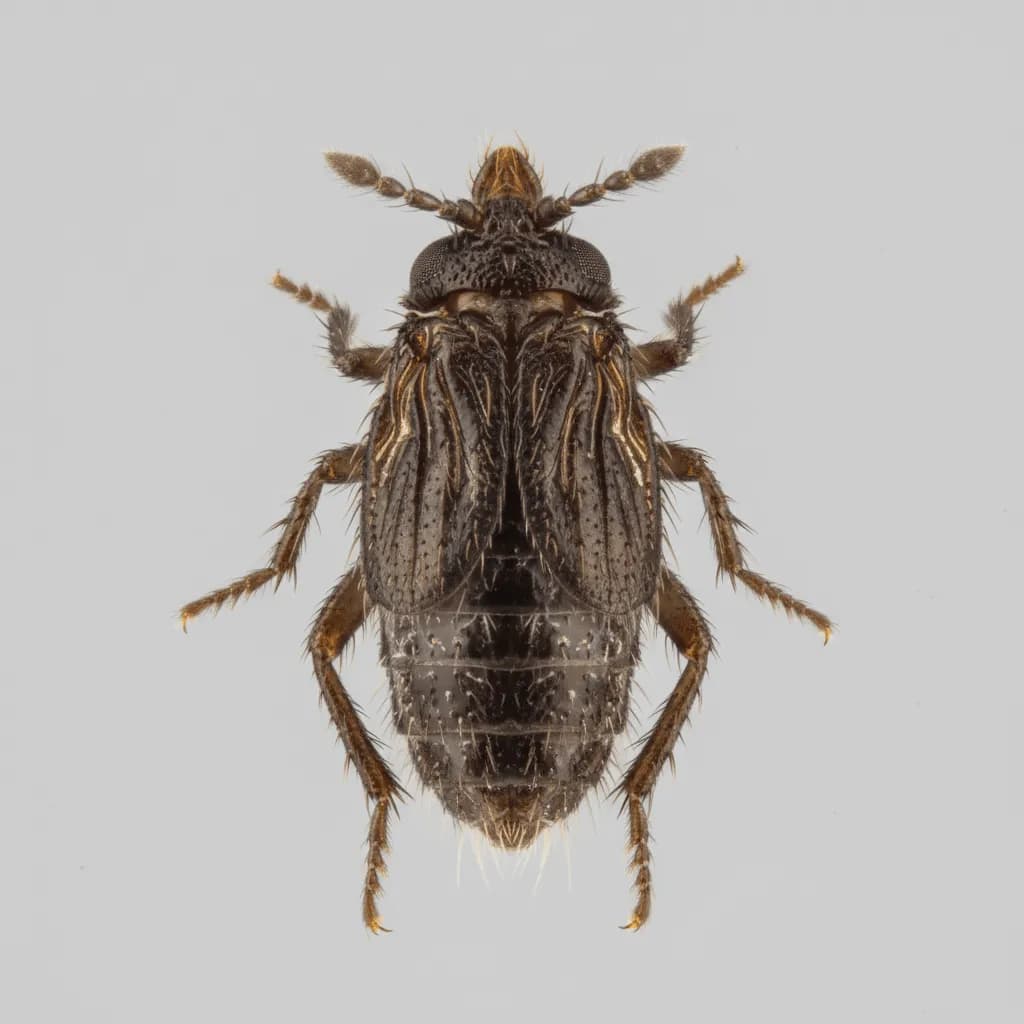
Frequently Asked Questions
Why do I hear noises in my attic at night?
Can roof rats climb walls?
Do citrus trees attract roof rats?
Need Help With Roof rat?
If you're seeing signs of roof rat in or around your home, professional treatment is the fastest way to stop the problem. Lotus Pest Control offers free inspections to identify the issue and recommend the right solution.
At a Glance
- Category
- Rodents
- Scientific Name
- Rattus rattus
- Size
- 160-210 mm body length, plus 190-255 mm tail; 150-250 g
- Color
- Black to dark brown with a lighter gray underside
- Key Trait
- Sleek body with a pointed nose, large ears, and a long tail that exceeds the combined length of head and body. An agile climber that prefers elevated spaces above ground level.
- Regions
- Southeast, Gulf Coast, Southwest, West Coast, Mid Atlantic, Pacific Northwest
- Threat Level
- Very High
- Risk Types
- healthstructuralelectricalfood
- Seasonal Activity
- MarAprMayJunJulAugSepOctNovDecJanFebnonelowmoderatehighpeak