
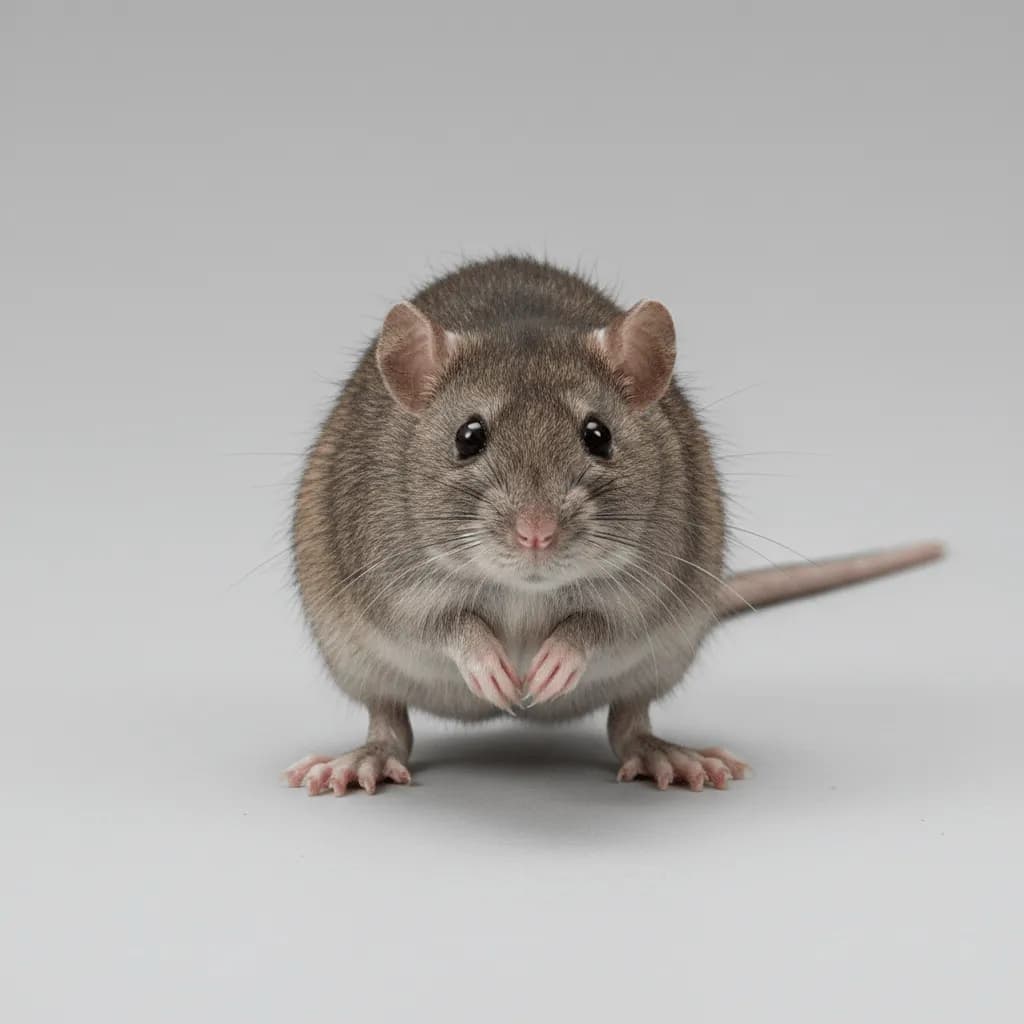
Cotton Rat
Sigmodon hispidus
Also known as: Hispid Cotton Rat
The Cotton Rat is a native rodent of the southern United States that is primarily an agricultural and lawn pest rather than a household invader. It damages crops, gardens, and lawns through its extensive runway systems and feeding activity. Cotton rats are also a reservoir for several diseases including hantavirus and carry parasites that can affect humans and pets.
Identification
Size
125-180 mm body length, plus 80-130 mm tail; 80-200 g
Color
Coarse, grizzled dark brown to grayish-brown with a grayish underside
Key Trait
Stocky body with coarse, grizzled fur, small eyes and ears, and a relatively short tail. Larger than a mouse but smaller than commensal rats. Primarily an outdoor and agricultural pest.
Behavior & Habitat
Diurnal and crepuscular, active during the day unlike most rodents. Creates extensive surface runway systems through grass and ground cover. Extremely prolific breeder that can reach plague-level population densities in favorable conditions. Occasionally enters structures but is primarily an outdoor species.
Habitat: Dense grass, overgrown fields, roadside ditches, sugarcane fields, and gardens. Builds surface runway systems through thick vegetation. Rarely enters homes but may invade garages and storage sheds.
Diet: Grasses, seeds, garden vegetables, sugarcane, eggs of ground-nesting birds, and insects.
Signs of Infestation
- Well-defined surface runways through thick grass and ground cover
- Clipped vegetation and grass stems along runway systems
- Damage to garden vegetables, sugarcane, and ornamental plantings at ground level
Risks & Damage
Creates extensive surface runway systems that damage turf and landscaping.
Causes significant damage to sugarcane, vegetable crops, and grain fields.
Reservoir for hantavirus (Bayou virus strain) and various parasites.
Prevention Tips
- 1.Keep lawns mowed short and remove dense ground cover near structures
- 2.Clear overgrown vegetation from fence lines, ditches, and field borders
- 3.Remove brush piles and debris that provide cover and nesting habitat
Why DIY Treatment Often Falls Short
Cotton rats inhabit dense vegetation over large areas and reproduce prolifically. Trapping a few individuals has no impact on the broader population, which continuously repopulates from surrounding overgrown habitat.
Professional Treatment
Professionals recommend habitat modification as the primary strategy, including mowing, brush removal, and elimination of dense ground cover. Rodenticide bait stations are deployed in agricultural settings. Exclusion work prevents entry into structures.
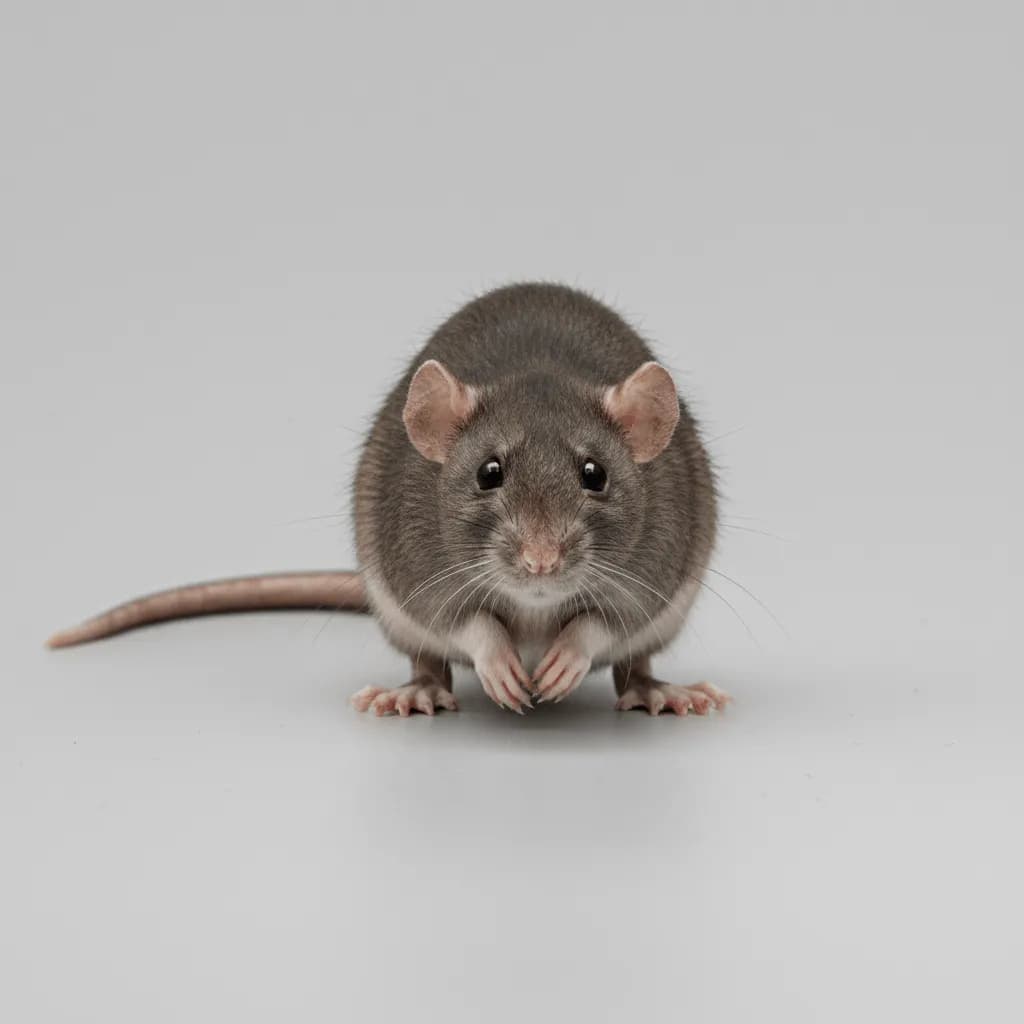
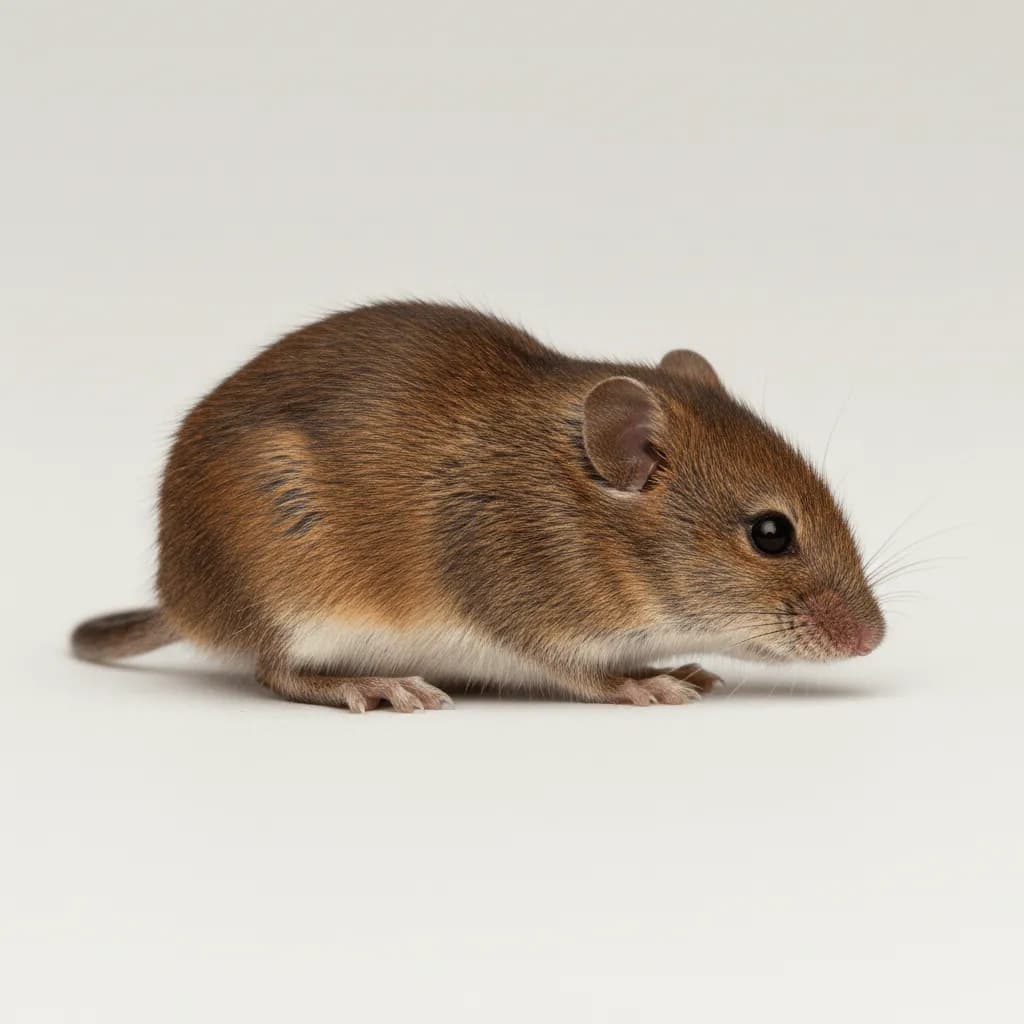
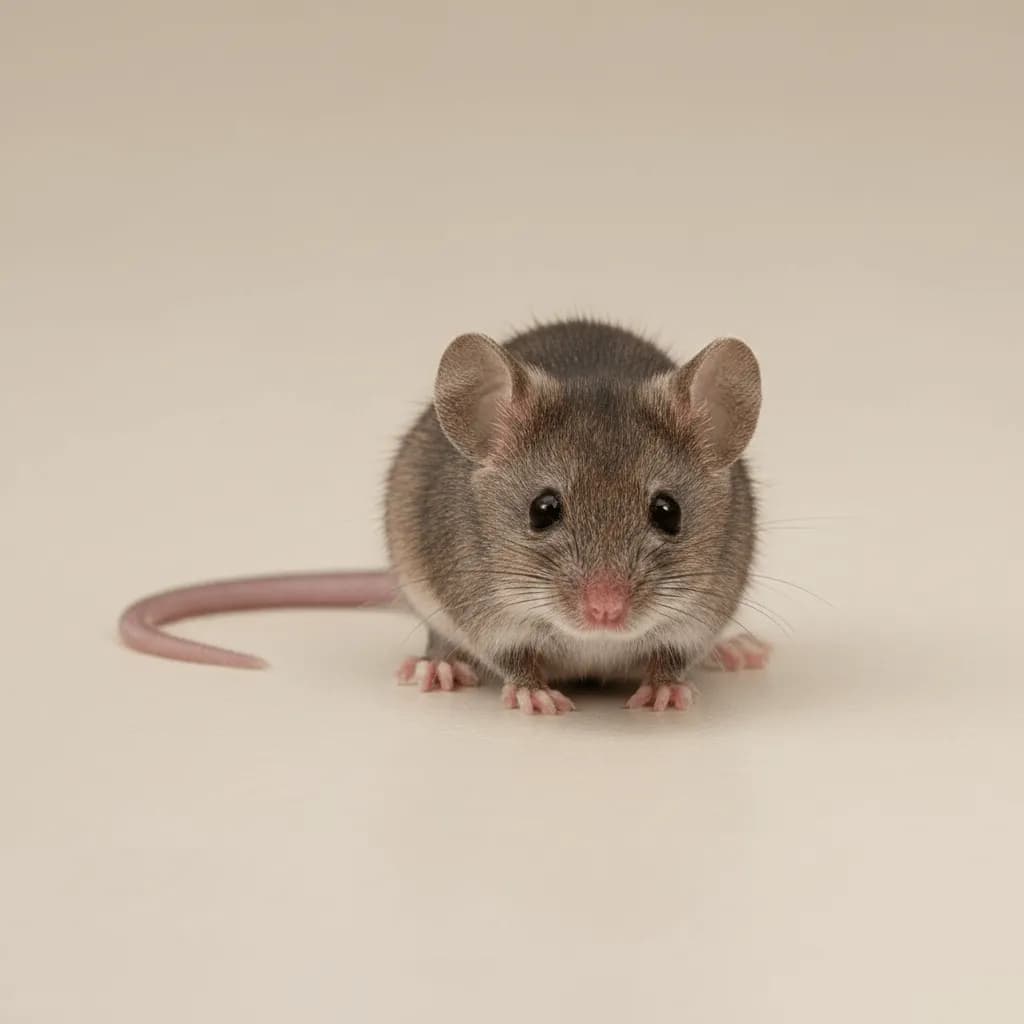
Frequently Asked Questions
Are cotton rats the same as regular rats?
Why is my lawn covered in tiny trails?
Do cotton rats carry diseases?
Need Help With Cotton rat?
If you're seeing signs of cotton rat in or around your home, professional treatment is the fastest way to stop the problem. Lotus Pest Control offers free inspections to identify the issue and recommend the right solution.
At a Glance
- Category
- Rodents
- Scientific Name
- Sigmodon hispidus
- Size
- 125-180 mm body length, plus 80-130 mm tail; 80-200 g
- Color
- Coarse, grizzled dark brown to grayish-brown with a grayish underside
- Key Trait
- Stocky body with coarse, grizzled fur, small eyes and ears, and a relatively short tail. Larger than a mouse but smaller than commensal rats. Primarily an outdoor and agricultural pest.
- Regions
- Southeast, Gulf Coast, Southwest, Mid Atlantic, Great Plains
- Threat Level
- Low
- Risk Types
- lawnagriculturalhealth
- Seasonal Activity
- MarAprMayJunJulAugSepOctNovDecJanFebnonelowmoderatehighpeak