
Fleas
Fleas are small, wingless, laterally compressed parasitic insects that feed on the blood of mammals and birds. The cat flea is by far the most common species found on pets and in homes, despite its name infesting both cats and dogs. A single female can lay up to 50 eggs per day, which fall off the host into carpeting, bedding, and upholstered furniture. Flea larvae develop in these protected environments, feeding on dried blood (flea dirt) that falls from the host. Pupae can remain dormant in cocoons for months, hatching in response to vibration, warmth, and carbon dioxide when a host is detected.
Species in This Group (4)
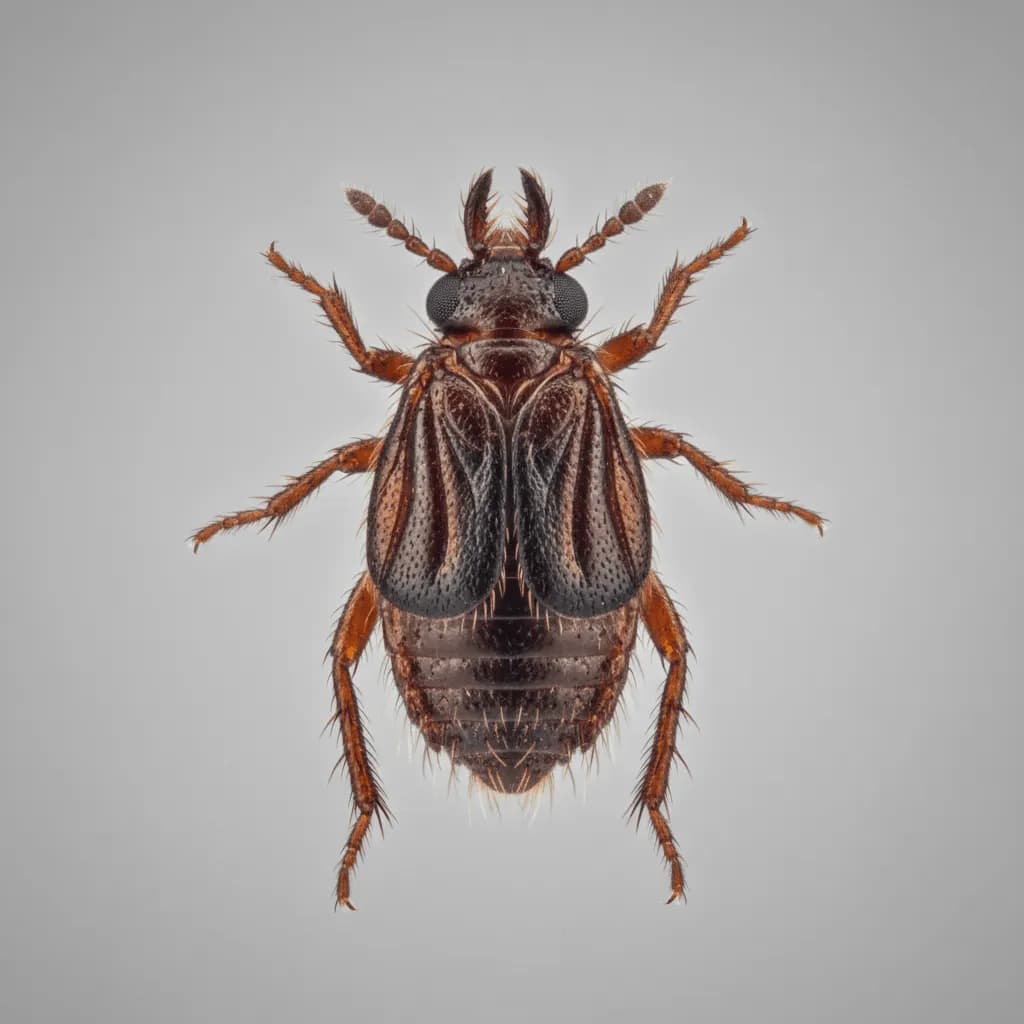
Cat Flea
Ctenocephalides felis
The Cat Flea is the most prevalent flea species in North America, infesting cats, dogs, and occasionally humans.
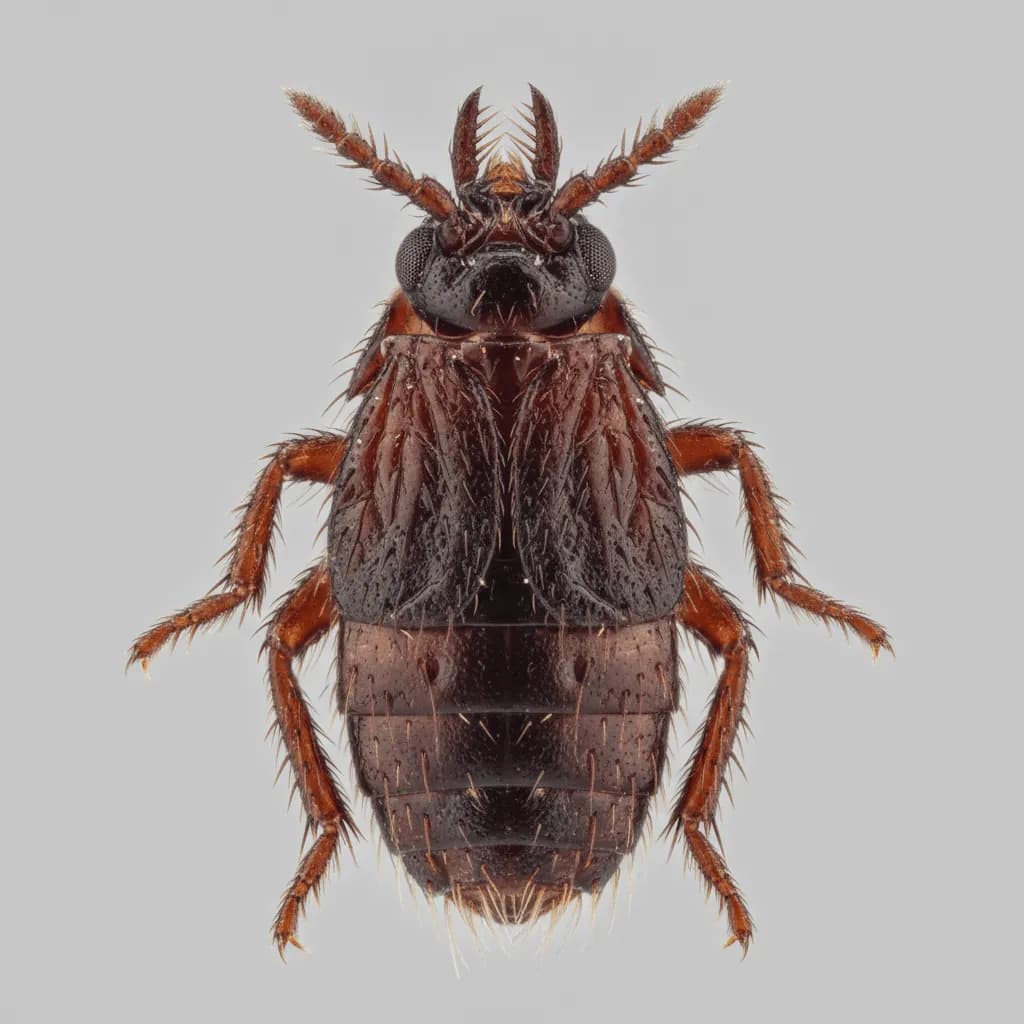
Dog Flea
Ctenocephalides canis
The Dog Flea is closely related to the cat flea and was historically considered the primary flea of domestic dogs.
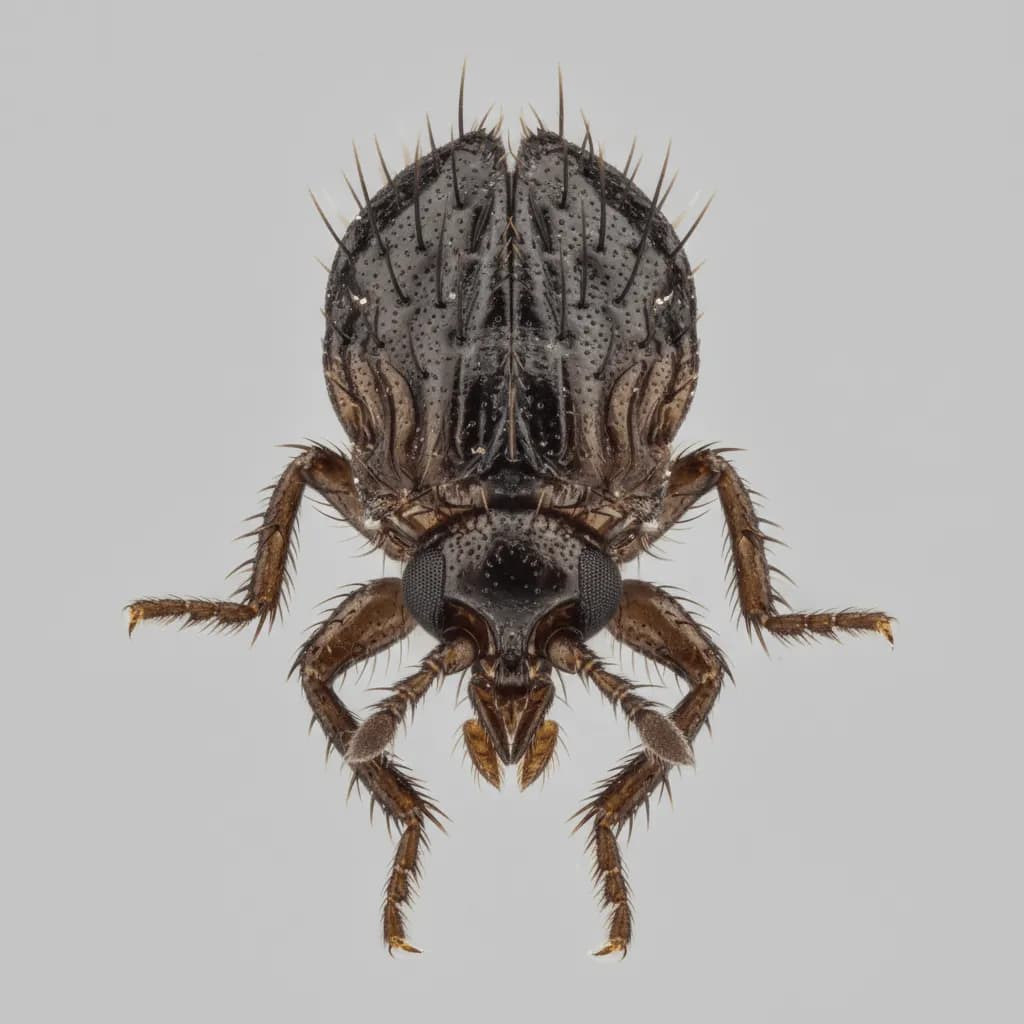
Human Flea
Pulex irritans
The Human Flea was once the dominant flea species found on people and is historically associated with plague transmission alongside the oriental rat flea.
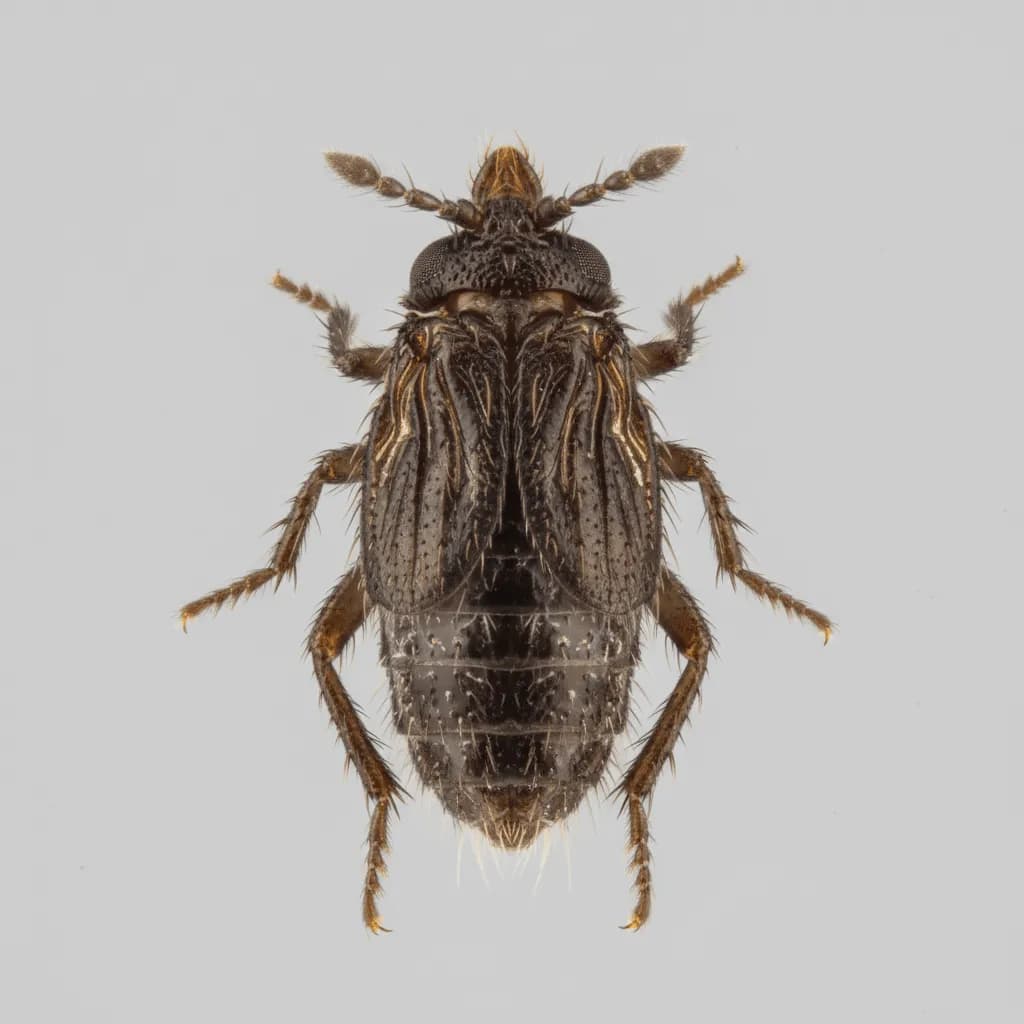
Oriental Rat Flea
Xenopsylla cheopis
The Oriental Rat Flea is the most medically significant flea species in human history, serving as the primary vector of bubonic plague (Yersinia pestis) and murine typhus (Rickettsia typhi).
Key Behaviors
Fleas are powerful jumpers that can leap up to 150 times their own body length to reach a host. They spend most of their life on the host animal, feeding and laying eggs. Larvae develop off the host in carpet fibers, pet bedding, and cracks in flooring. Pupae in cocoons are resistant to insecticides and can remain dormant for months, emerging when stimulated by vibration and warmth. This is why newly occupied homes or long-vacant rooms can produce sudden flea outbreaks.
Risks & Concerns
Fleas cause intense itching and dermatitis in both pets and humans. Flea allergy dermatitis is the most common skin disease in dogs and cats. Fleas transmit tapeworms to pets and children, and historically the cat flea transmitted plague (Yersinia pestis). Heavy infestations cause anemia in young, elderly, or debilitated animals. Flea control requires simultaneous treatment of pets, indoor environments, and outdoor habitats.
Quick Comparison
| Species | Size | Color | Key Trait |
|---|---|---|---|
| Cat Flea | 1.5-3 mm | Dark reddish-brown, laterally compressed body | Laterally flattened body with long hind legs adapted for jumping; most common flea species found on both cats and dogs despite the name. |
| Dog Flea | 1.5-3.2 mm | Dark brown, laterally compressed body | Very similar to the cat flea but with a more rounded head and shorter first spine on the genal comb; less common than C. felis in North America. |
| Human Flea | 1.5-4 mm | Dark brown to black, wingless and laterally compressed | Lacks both genal and pronotal combs (rows of spines on the head), distinguishing it from cat and dog fleas; historically the primary flea parasite of humans. |
| Oriental Rat Flea | 1.5-2.5 mm | Dark brown, laterally compressed with a smooth rounded head | Smooth, rounded head without genal or pronotal combs; the primary vector of bubonic plague and murine typhus worldwide. |
Need Help With Fleas?
If you're seeing signs of fleas in or around your home, professional treatment is the fastest way to stop the problem. Lotus Pest Control offers free inspections to identify the issue and recommend the right solution.