
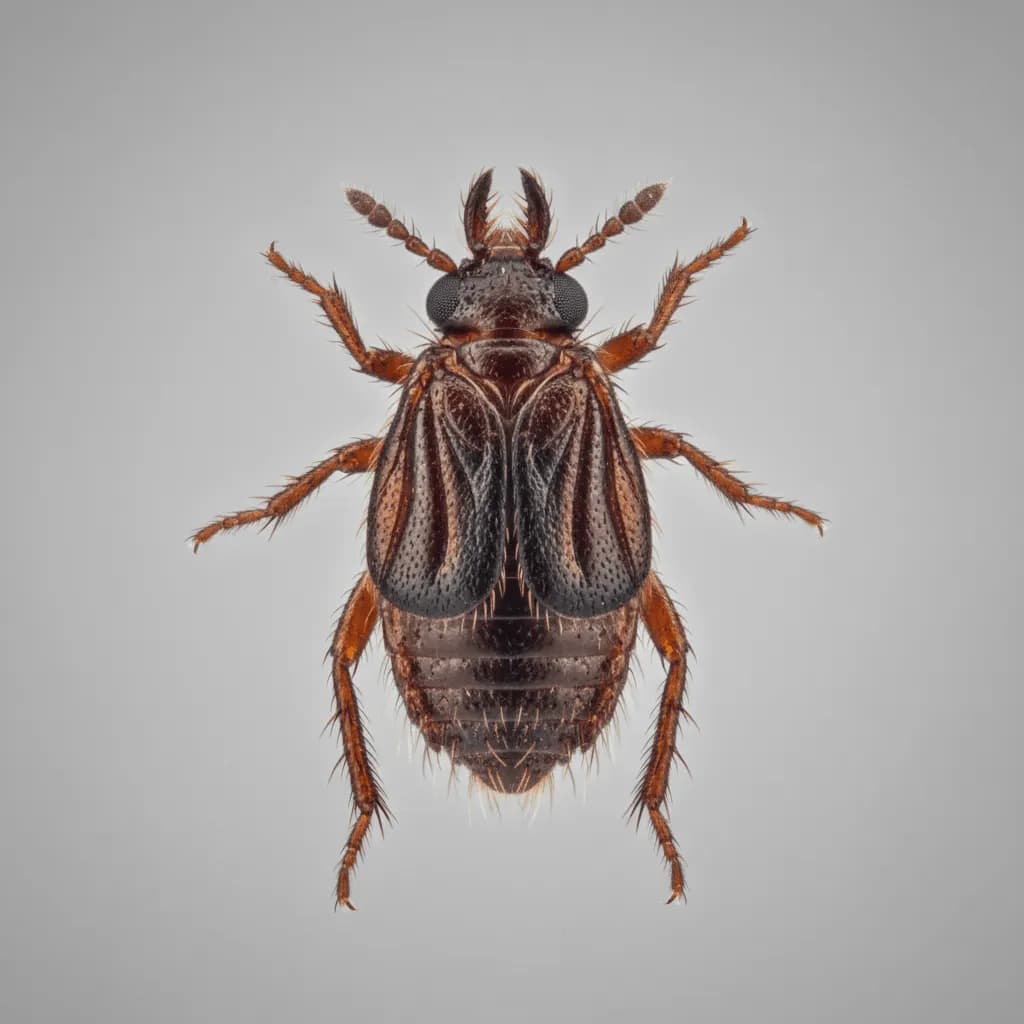
Cat Flea
Ctenocephalides felis
Also known as: Common Flea
The Cat Flea is the most prevalent flea species in North America, infesting cats, dogs, and occasionally humans. Despite its name, it is the dominant flea found on domestic dogs as well. Adults feed exclusively on blood and can consume up to 15 times their body weight daily.
Identification
Size
1.5-3 mm
Color
Dark reddish-brown, laterally compressed body
Key Trait
Laterally flattened body with long hind legs adapted for jumping; most common flea species found on both cats and dogs despite the name.
Behavior & Habitat
Adults jump onto hosts to feed and can leap up to 150 times their body length. Females lay 20-50 eggs per day directly on the host, which fall into carpets, bedding, and upholstery. Pupae can remain dormant for months waiting for vibrations that signal a nearby host.
Habitat: Homes with pets, animal bedding, carpets, upholstered furniture, and shaded outdoor areas where pets rest. Thrives in warm, humid environments.
Diet: Blood from cats, dogs, humans, and other warm-blooded mammals.
Signs of Infestation
- Pets scratching excessively and developing hot spots or hair loss
- Flea dirt (tiny black specks) visible on pet fur or bedding
- Small red bite marks on human ankles and lower legs
Risks & Damage
Causes flea allergy dermatitis, anemia in young animals, and transmits tapeworms to pets.
Bites humans causing itchy welts and can transmit murine typhus and Bartonella (cat scratch disease).
Prevention Tips
- 1.Maintain year-round flea prevention treatment on all household pets
- 2.Vacuum carpets, rugs, and upholstered furniture frequently
- 3.Wash pet bedding in hot water weekly
Why DIY Treatment Often Falls Short
Over-the-counter foggers fail to reach flea pupae hidden deep in carpet fibers, and untreated outdoor areas allow rapid reinfestation.
Professional Treatment
Professionals apply insect growth regulators (IGRs) combined with adulticides to both interior and exterior areas. Treatment targets all life stages and includes follow-up visits to break the reproductive cycle.
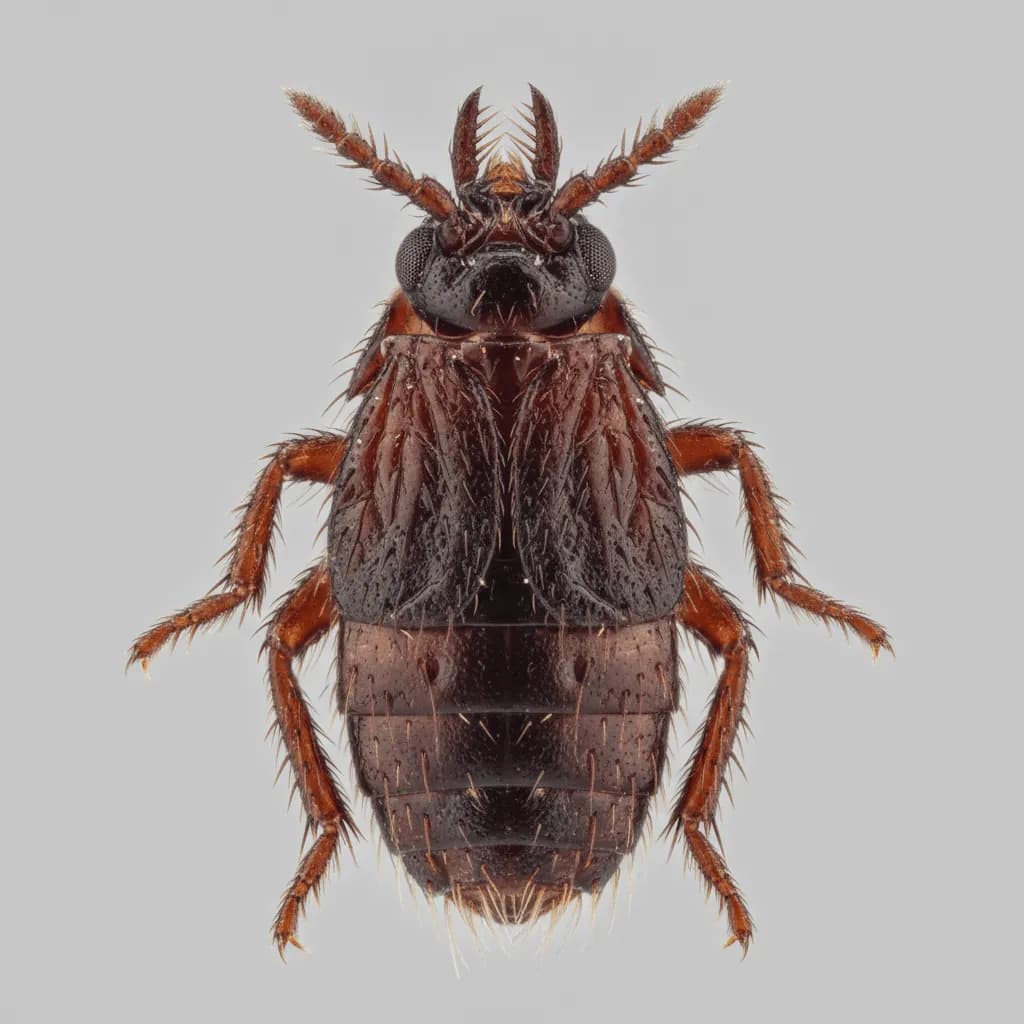
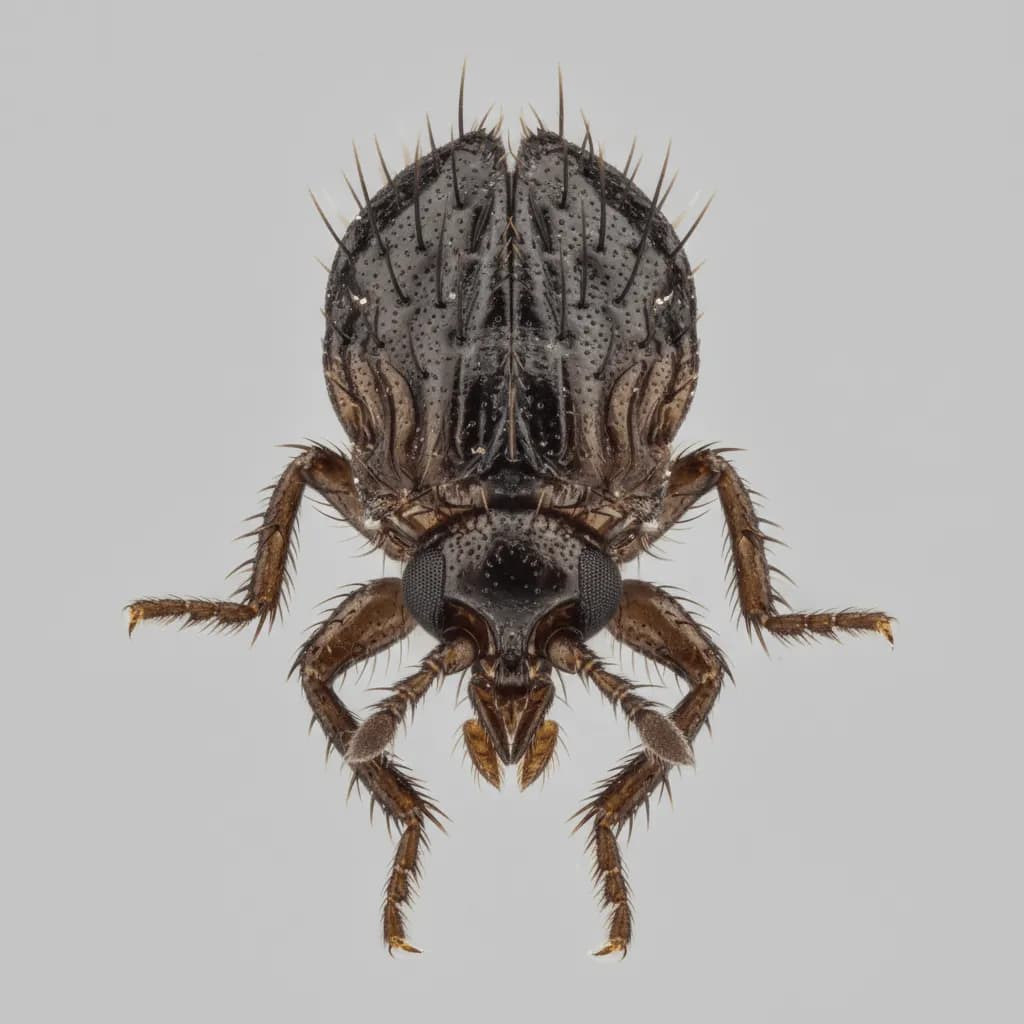
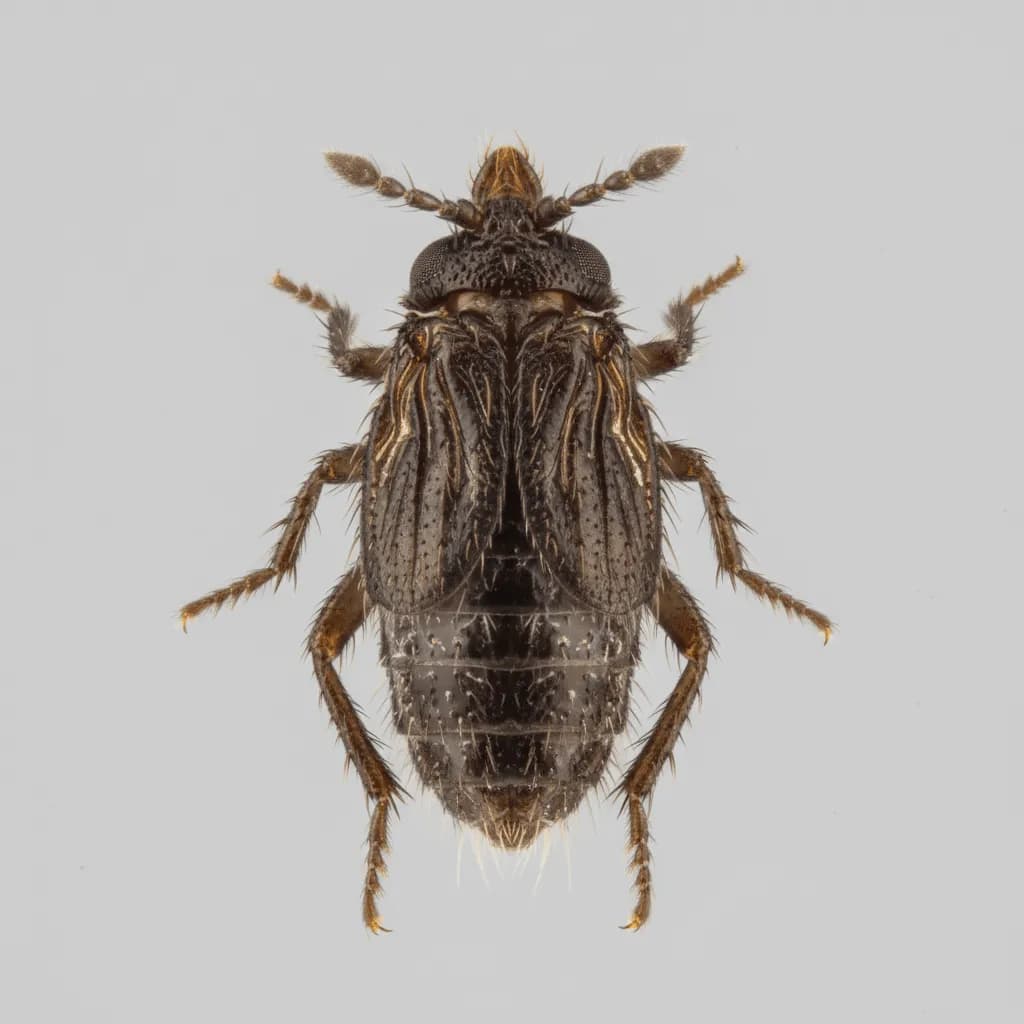
Frequently Asked Questions
Why do I still see fleas after treating my pet?
Can cat fleas live on humans?
How long does a flea infestation take to resolve?
Need Help With Cat flea?
If you're seeing signs of cat flea in or around your home, professional treatment is the fastest way to stop the problem. Lotus Pest Control offers free inspections to identify the issue and recommend the right solution.
At a Glance
- Category
- Fleas And Ticks
- Scientific Name
- Ctenocephalides felis
- Size
- 1.5-3 mm
- Color
- Dark reddish-brown, laterally compressed body
- Key Trait
- Laterally flattened body with long hind legs adapted for jumping; most common flea species found on both cats and dogs despite the name.
- Regions
- Southeast, Southwest, Gulf Coast, Mid Atlantic, Northeast, Midwest, West Coast
- Threat Level
- Moderate
- Risk Types
- petshealth
- Seasonal Activity
- MarAprMayJunJulAugSepOctNovDecJanFebnonelowmoderatehighpeak