

White-Footed Mouse
Peromyscus leucopus
Also known as: Woodmouse
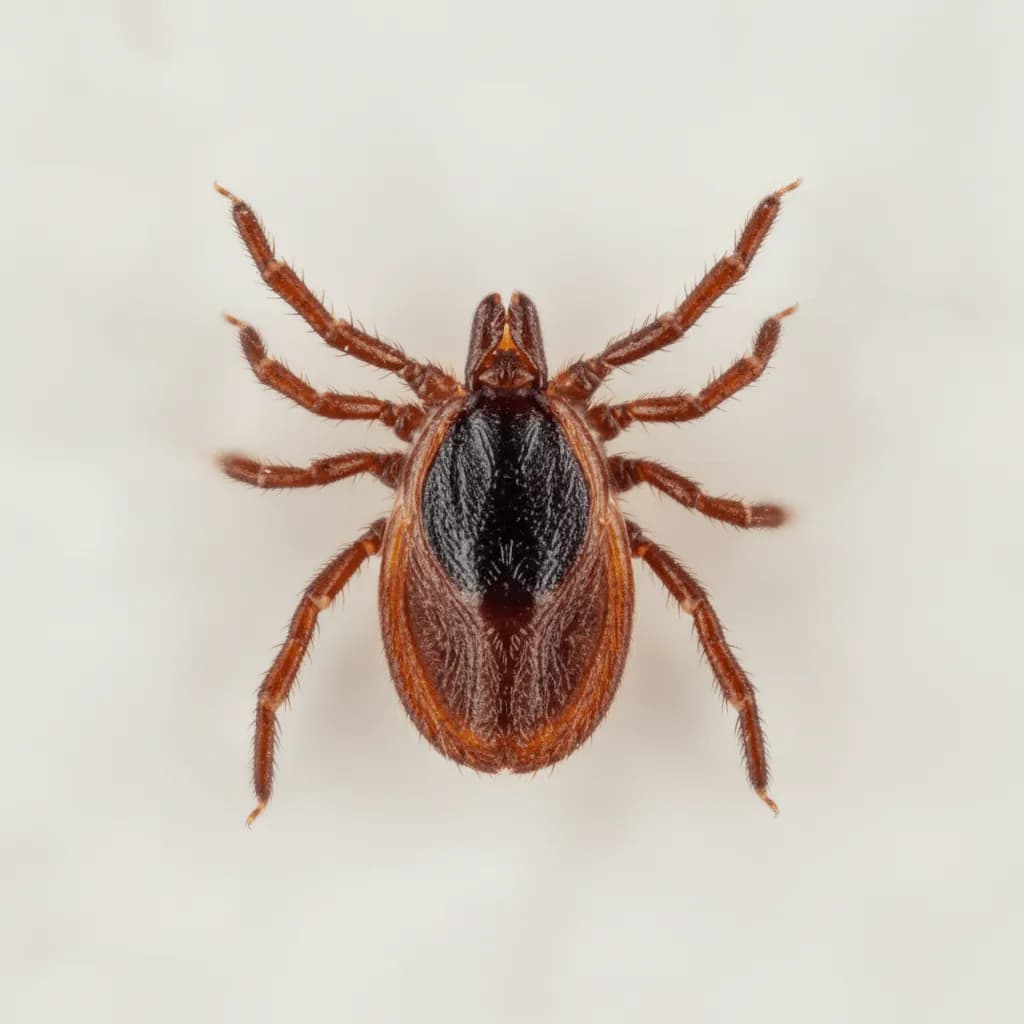
The White-Footed Mouse is the most important reservoir host for the Lyme disease spirochete in the eastern United States, infecting larval blacklegged ticks that later transmit the disease to humans. It is abundant in deciduous forests, suburbs, and exurban areas throughout the eastern half of the continent. Like the deer mouse, it invades homes and outbuildings in cooler months.
Identification
Size
80-100 mm body length, plus 65-95 mm tail; 15-25 g
Color
Reddish-brown to orange-brown on top with a white underside and white feet
Key Trait
Very similar to the deer mouse but typically has a slightly shorter, less distinctly bicolored tail. Critically, it is the primary reservoir host for the Lyme disease spirochete (Borrelia burgdorferi).
Behavior & Habitat
Nocturnal and semi-arboreal, nesting in tree cavities, bird houses, and wall voids. Stores seeds and nuts in caches. Home range increases during breeding season. Frequently enters suburban homes in fall, nesting in attics, garages, and basements.
Habitat: Deciduous forests, forest edges, suburban yards with brushy areas, stone walls, and woodpiles. Invades homes, sheds, and garages in fall and winter.
Diet: Seeds, nuts, berries, insects, and other invertebrates. Caches large quantities of acorns and other mast for winter.
Signs of Infestation
- Small droppings in attics, basements, and garages of homes near wooded areas
- Nests of shredded material found in bird houses, stored equipment, and wall voids
- Acorn and seed caches discovered in unusual indoor locations
Risks & Damage
Primary reservoir of Borrelia burgdorferi (Lyme disease) and Anaplasma phagocytophilum (anaplasmosis). Directly fuels the blacklegged tick disease cycle.
Prevention Tips
- 1.Remove stone walls, brush piles, and woodpiles near the home that provide nesting habitat
- 2.Seal gaps larger than 6 mm around foundations, eaves, and utility entries
- 3.Store firewood at least 20 feet from the home and elevate it off the ground
Why DIY Treatment Often Falls Short
White-footed mice are extremely abundant in suburban-woodland environments and continuously reinvade from surrounding habitat. Trapping alone cannot keep pace with reproduction and immigration from adjacent natural areas.
Professional Treatment
Professionals implement exclusion sealing combined with interior trapping and exterior bait stations. In Lyme disease-endemic areas, rodent-targeted tick control (bait boxes that treat mice with acaricide) can simultaneously reduce both mouse and tick populations around the home.


Frequently Asked Questions
Why is this mouse so important for Lyme disease?
How do I tell white-footed mice from deer mice?
Can controlling mice reduce my Lyme disease risk?
Need Help With White-footed mouse?
If you're seeing signs of white-footed mouse in or around your home, professional treatment is the fastest way to stop the problem. Lotus Pest Control offers free inspections to identify the issue and recommend the right solution.
At a Glance
- Category
- Rodents
- Scientific Name
- Peromyscus leucopus
- Size
- 80-100 mm body length, plus 65-95 mm tail; 15-25 g
- Color
- Reddish-brown to orange-brown on top with a white underside and white feet
- Key Trait
- Very similar to the deer mouse but typically has a slightly shorter, less distinctly bicolored tail. Critically, it is the primary reservoir host for the Lyme disease spirochete (Borrelia burgdorferi).
- Regions
- Northeast, Mid Atlantic, Midwest, Southeast, Great Plains
- Threat Level
- Moderate
- Risk Types
- health
- Seasonal Activity
- MarAprMayJunJulAugSepOctNovDecJanFebnonelowmoderatehighpeak