
Moles
Moles are insectivorous mammals with powerful, broad front paws adapted for digging that create conspicuous tunnel systems and soil mounds in lawns and gardens. The eastern mole is the most common pest species in the eastern United States. Despite popular belief, moles are not rodents but belong to the order Eulipotyphla. They feed primarily on earthworms and grubs, not plant material. A single mole can tunnel up to 100 feet per day, creating raised surface tunnels and conical soil mounds that damage lawns and landscape beds. They are solitary and territorial, with one mole often responsible for extensive damage.
Species in This Group (3)
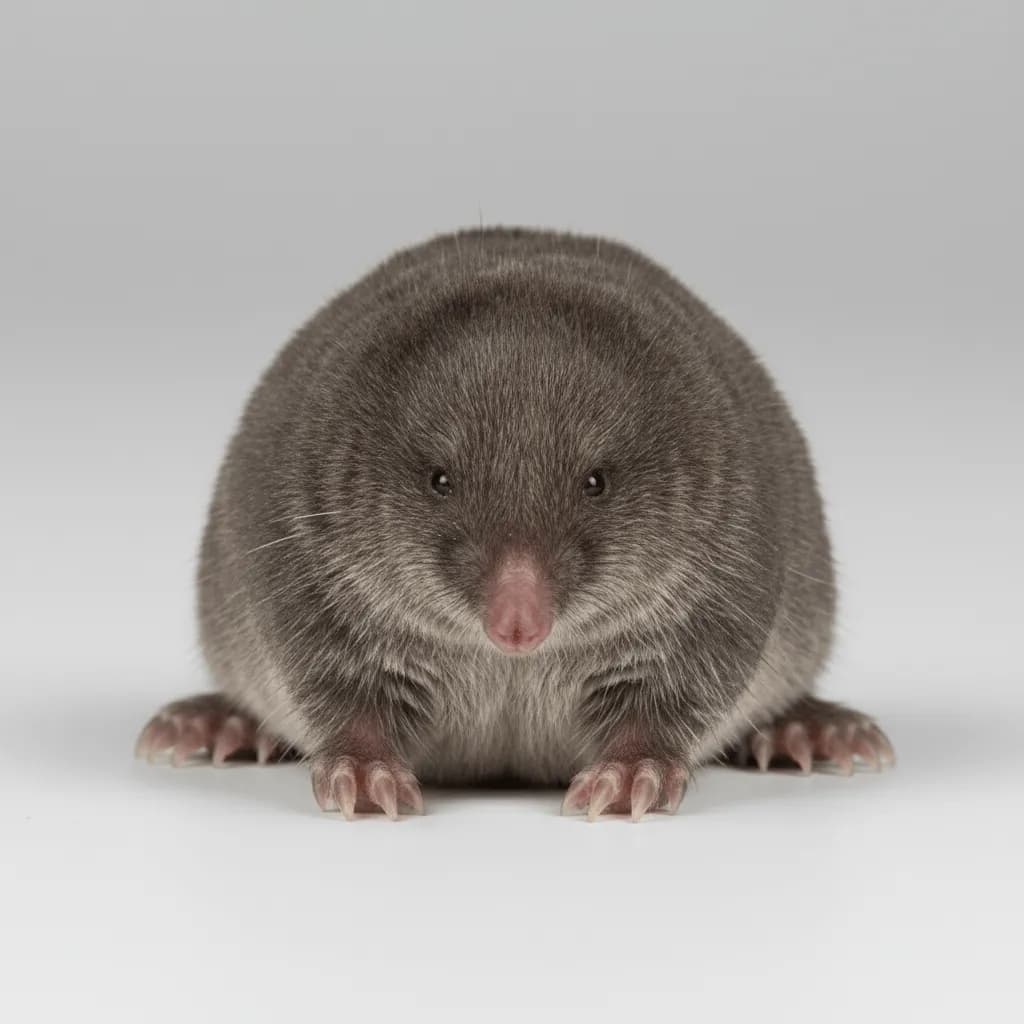
Eastern Mole
Scalopus aquaticus
The Eastern Mole is the most common and widespread mole in the eastern United States and the primary cause of mole damage to residential lawns.
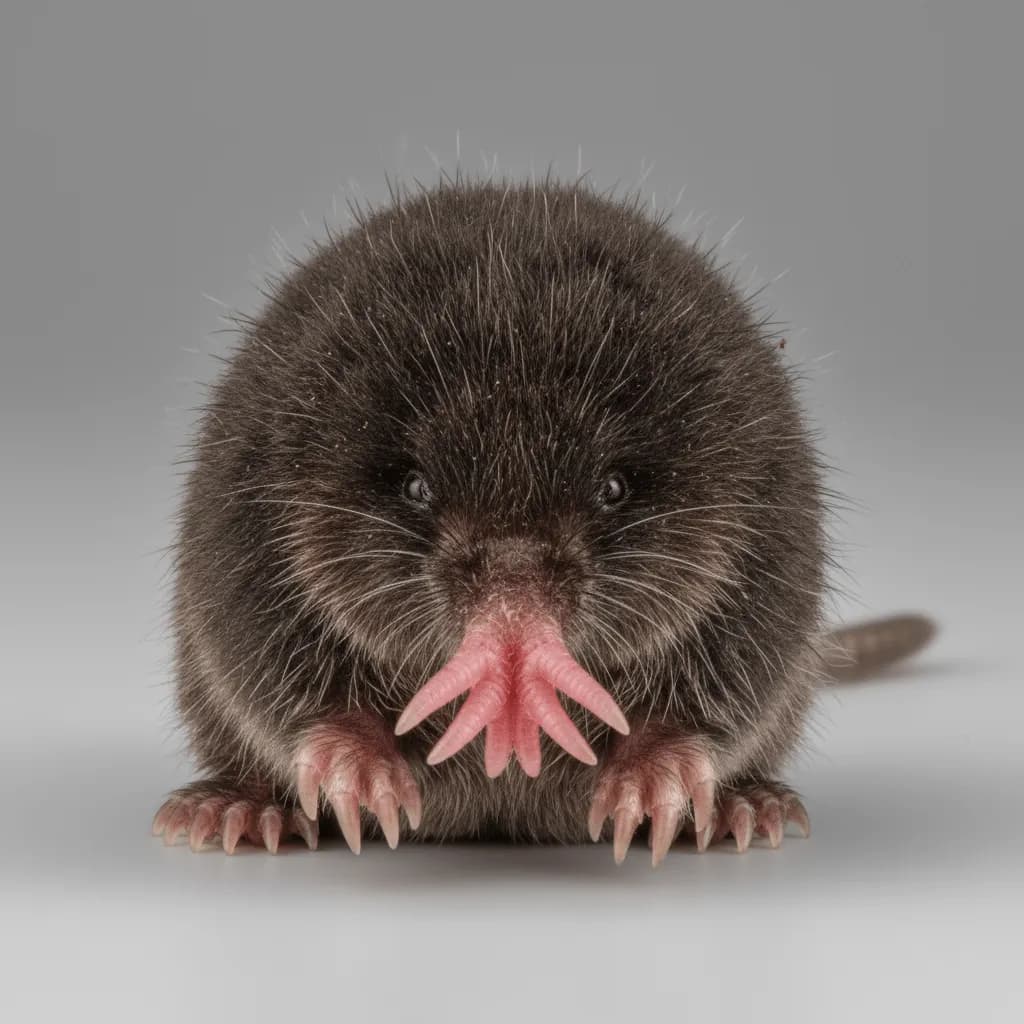
Star-Nosed Mole
Condylura cristata
The Star-Nosed Mole is one of the most distinctive mammals in North America, instantly recognizable by the ring of 22 fleshy tentacles on its nose.
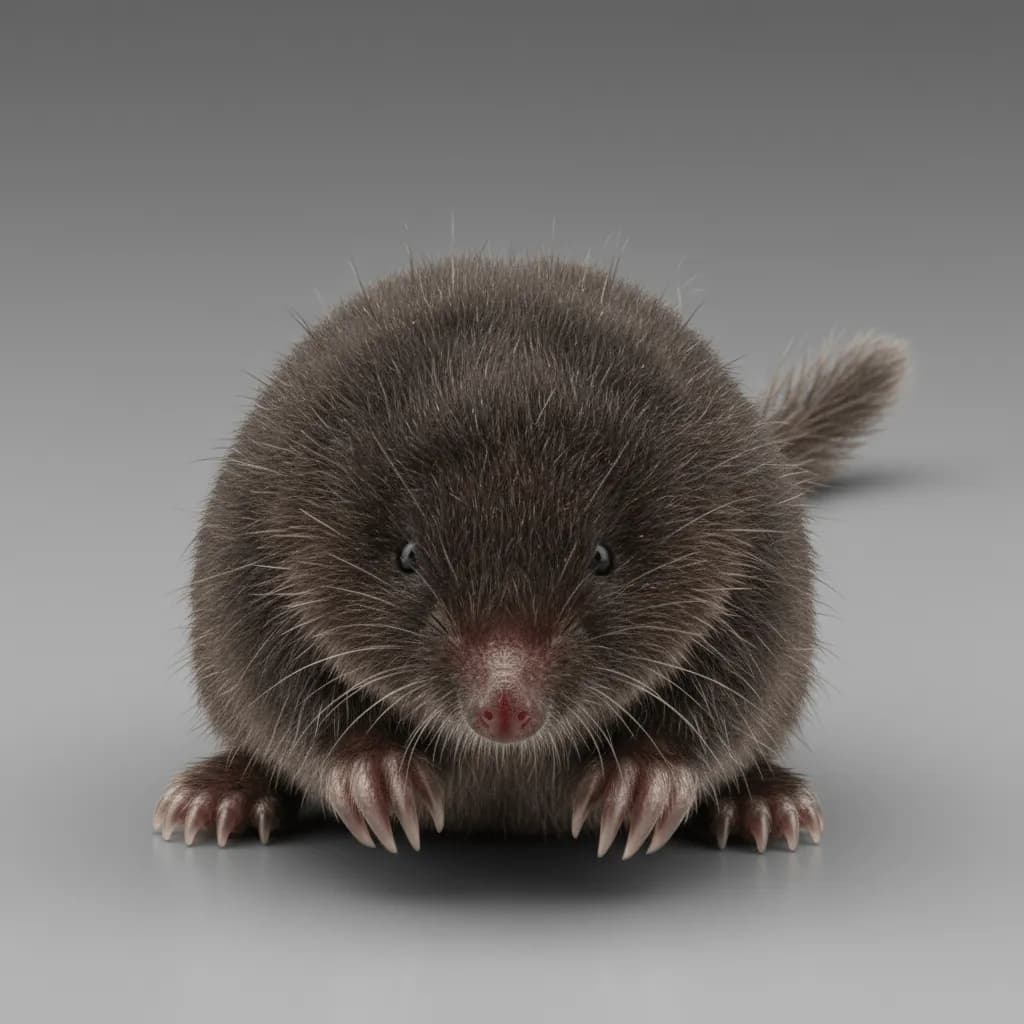
Hairy-Tailed Mole
Parascalops breweri
The Hairy-Tailed Mole is the smallest of the three mole species commonly found in the eastern United States.
Key Behaviors
Moles are almost entirely subterranean, rarely appearing on the surface. They create two types of tunnels: shallow surface tunnels visible as raised ridges in lawns, and deeper permanent tunnels 6 to 10 inches below the surface. Conical soil mounds mark the intersection of deep tunnels with the surface. They feed on earthworms, grubs, and soil insects, consuming up to 100 percent of their body weight daily. They are active year-round but create the most visible surface damage in spring and fall.
Risks & Concerns
Moles damage lawns by creating unsightly raised tunnels and soil mounds. Their tunneling disrupts grass roots, creating dead patches along tunnel lines. Mole activity in garden beds displaces bulbs and seedlings. While they consume lawn grubs (which is beneficial), the cosmetic damage to turf is the primary complaint. They are solitary, so what appears to be a large infestation is often the work of one or two individuals.
Identification Tip
Moles are distinguished from voles by their large, paddle-shaped front feet, velvety fur, and conical soil mounds. Voles create surface runways in grass but do not produce soil mounds. Moles eat insects and worms; voles eat plants. Many homeowners confuse the two, but their damage patterns and management strategies are completely different.
Quick Comparison
| Species | Size | Color | Key Trait |
|---|---|---|---|
| Eastern Mole | 120-170 mm body length, plus 20-38 mm tail; 54-99 g | Dark gray to silvery-gray with velvety fur that can lay flat in any direction | Velvety gray fur, powerful spade-like front feet oriented outward for digging, no visible ears or eyes, and a fleshy, hairless pink nose. Creates conspicuous raised ridges and volcano-shaped dirt mounds in lawns. |
| Star-Nosed Mole | 150-200 mm body length, plus 55-85 mm tail; 35-75 g | Dark brown to black with dense, water-repellent fur | Unmistakable ring of 22 pink, fleshy tentacles surrounding the nose tip. Longer tail than other moles, which swells with fat reserves in winter. The fastest-eating mammal on earth, identifying and consuming food in under 230 milliseconds. |
| Hairy-Tailed Mole | 115-140 mm body length, plus 23-36 mm tail; 40-64 g | Dark slate-gray to black with velvety, dense fur | Thickly furred, club-shaped tail that distinguishes it from the naked-tailed eastern mole and the long-tailed star-nosed mole. Smallest of the three common eastern mole species. |
Need Help With Moles?
If you're seeing signs of moles in or around your home, professional treatment is the fastest way to stop the problem. Lotus Pest Control offers free inspections to identify the issue and recommend the right solution.