
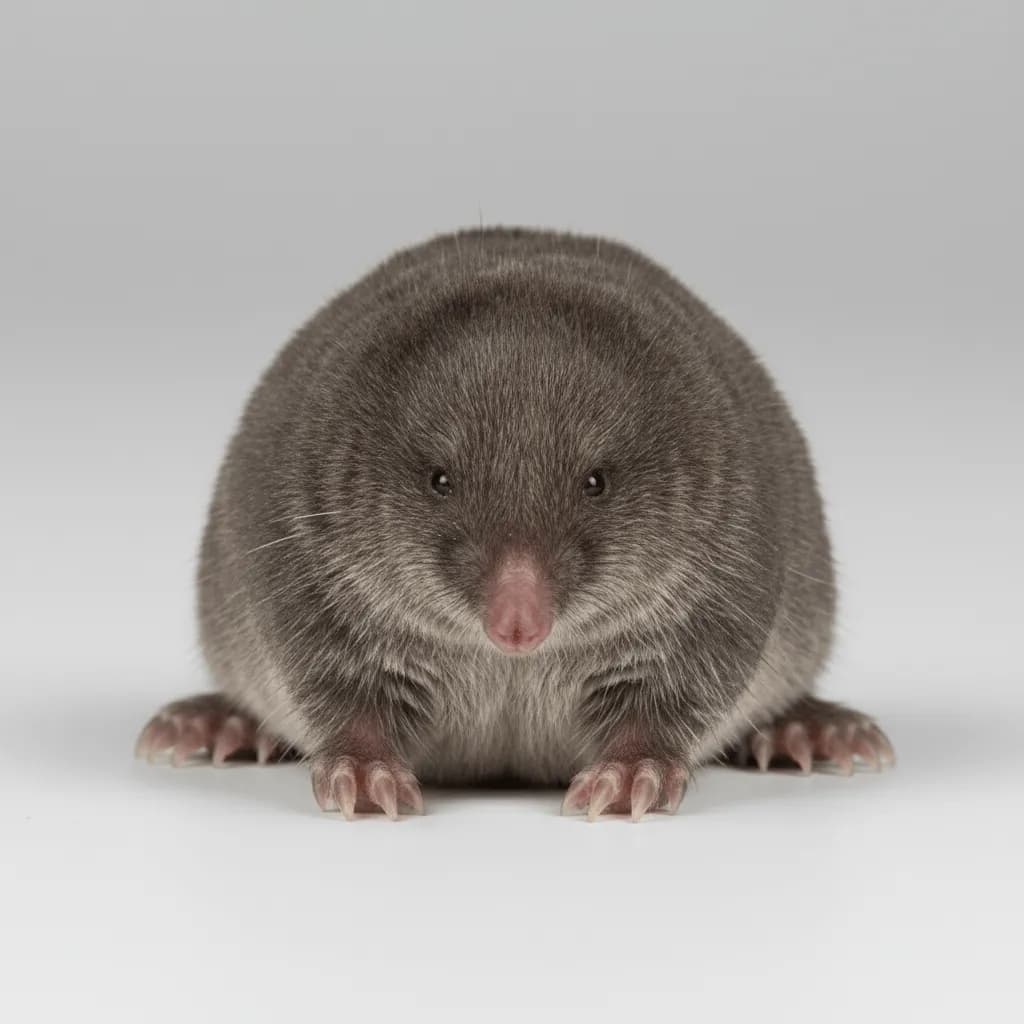
Eastern Mole
Scalopus aquaticus
Also known as: Common Mole
The Eastern Mole is the most common and widespread mole in the eastern United States and the primary cause of mole damage to residential lawns. Despite their reputation as pests, moles are beneficial insectivores that consume enormous quantities of grubs, earthworms, and soil insects. Their tunneling aerates the soil but creates unsightly raised ridges and dirt mounds that frustrate homeowners.
Identification
Size
120-170 mm body length, plus 20-38 mm tail; 54-99 g
Color
Dark gray to silvery-gray with velvety fur that can lay flat in any direction
Key Trait
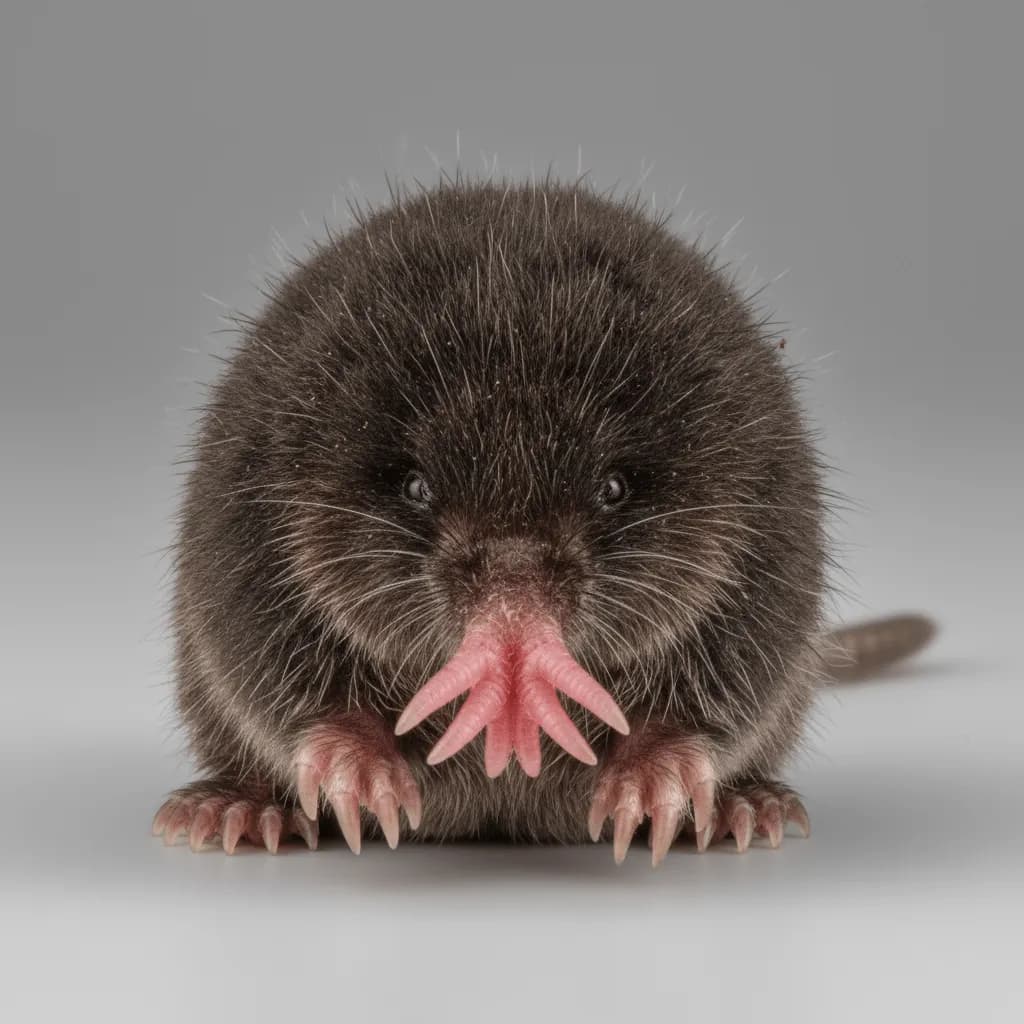
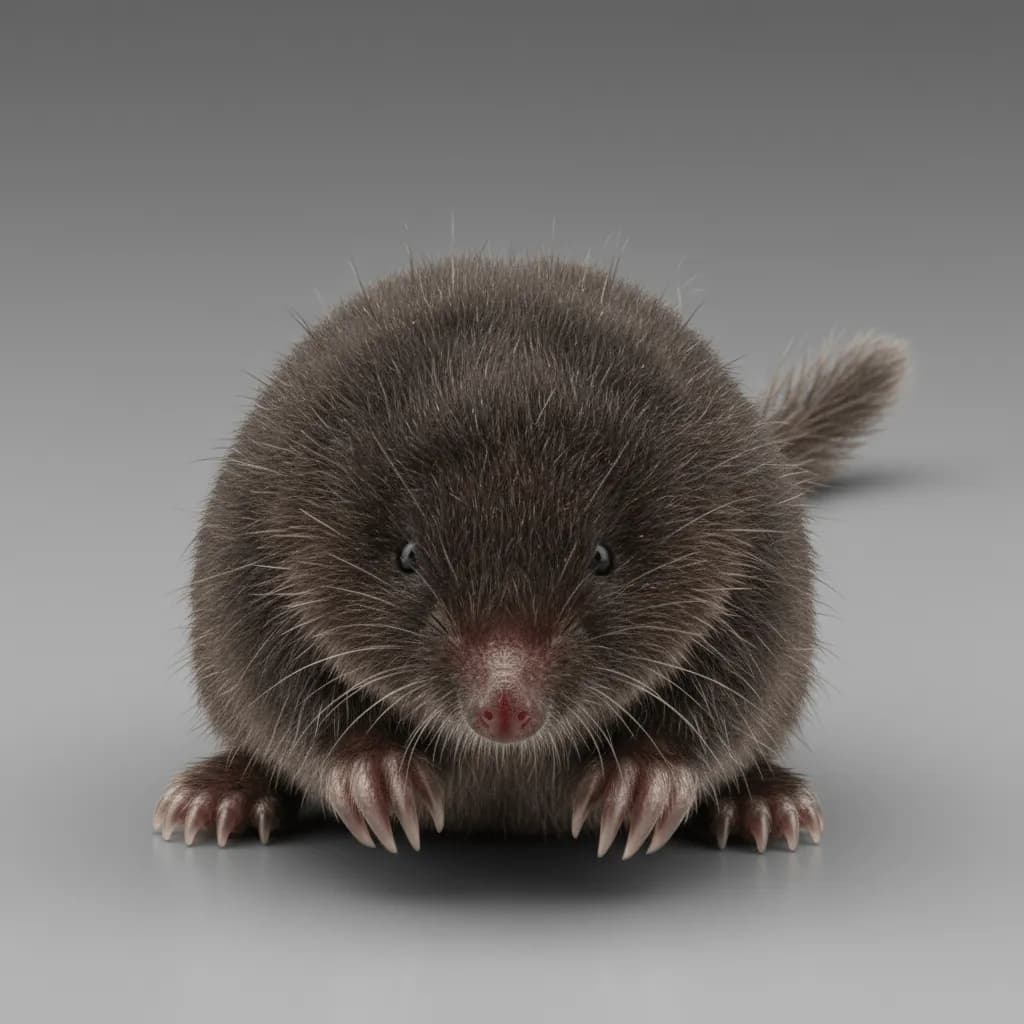
Velvety gray fur, powerful spade-like front feet oriented outward for digging, no visible ears or eyes, and a fleshy, hairless pink nose. Creates conspicuous raised ridges and volcano-shaped dirt mounds in lawns.
Behavior & Habitat
Solitary and territorial. Creates two types of tunnels: shallow surface tunnels (feeding runs visible as raised ridges) and deeper permanent tunnels used for travel and nesting. Can dig 18 feet of new tunnel per hour. Active day and night with peaks of activity in the early morning and late evening.
Habitat: Lawns, gardens, parks, golf courses, and any area with moist, loamy soil rich in earthworms and grubs. Prefers well-watered, maintained turf.
Diet: Earthworms (primary food), grubs, beetle larvae, ants, and other soil invertebrates. Consumes 70-100% of its body weight daily. Does not eat plant roots or bulbs.
Signs of Infestation
- Raised surface ridges running across the lawn in irregular patterns
- Volcano-shaped mounds of excavated dirt on the lawn surface
- Soft, spongy turf where shallow tunnels have separated grass roots from soil
Risks & Damage
Creates unsightly surface tunnels and dirt mounds that damage turf aesthetics and can undermine root systems by separating roots from soil contact.
Prevention Tips
- 1.Reduce soil grub populations with targeted grub control products to remove the primary food source
- 2.Avoid overwatering lawns, as moist soil attracts earthworms and moles
- 3.Install below-ground barriers of hardware cloth or gravel around high-value garden areas
Why DIY Treatment Often Falls Short
Home remedies (castor oil, vibrating stakes, gum, moth balls) have no scientific support for mole control. Consumer traps are difficult to set properly in active tunnels. Eliminating grubs reduces one food source but moles switch to earthworms, which cannot be eliminated.
Professional Treatment
Professionals identify active tunnel systems through careful observation and tamping tests. Commercial-grade mole traps are placed in confirmed active runs. Gel or worm-shaped baits containing bromethalin may supplement trapping. Exclusion barriers protect specific areas like garden beds.
Frequently Asked Questions
Are moles eating my plant roots?
Will eliminating grubs get rid of moles?
Why does my lawn have so many mole tunnels in spring?
Need Help With Eastern mole?
If you're seeing signs of eastern mole in or around your home, professional treatment is the fastest way to stop the problem. Lotus Pest Control offers free inspections to identify the issue and recommend the right solution.
At a Glance
- Category
- Rodents
- Scientific Name
- Scalopus aquaticus
- Size
- 120-170 mm body length, plus 20-38 mm tail; 54-99 g
- Color
- Dark gray to silvery-gray with velvety fur that can lay flat in any direction
- Key Trait
- Velvety gray fur, powerful spade-like front feet oriented outward for digging, no visible ears or eyes, and a fleshy, hairless pink nose. Creates conspicuous raised ridges and volcano-shaped dirt mounds in lawns.
- Regions
- Northeast, Mid Atlantic, Southeast, Midwest, Great Plains, Gulf Coast
- Threat Level
- Low
- Risk Types
- lawn
- Seasonal Activity
- MarAprMayJunJulAugSepOctNovDecJanFebnonelowmoderatehighpeak