
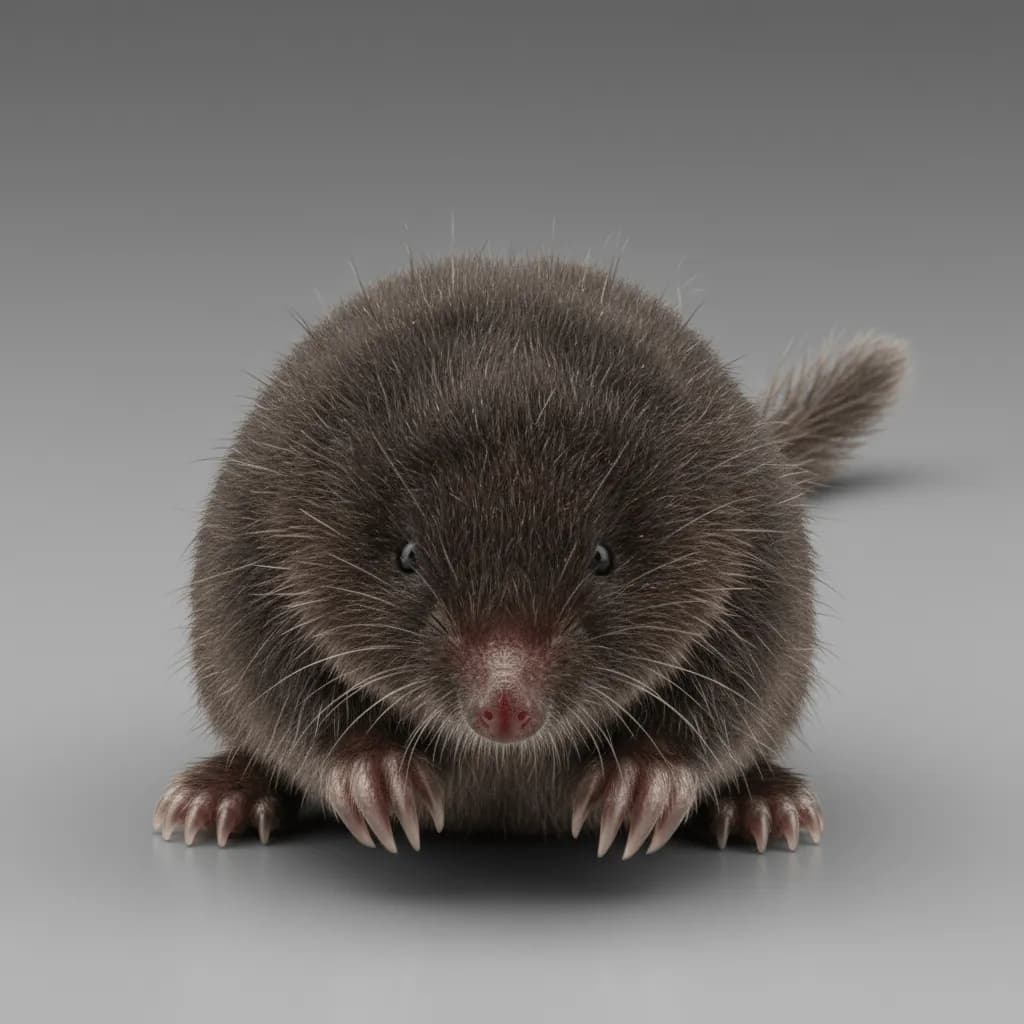
Hairy-Tailed Mole
Parascalops breweri
Also known as: Brewer's Mole
The Hairy-Tailed Mole is the smallest of the three mole species commonly found in the eastern United States. It prefers well-drained, sandy or loamy soils in forested and open areas at higher elevations. While it causes the same type of lawn damage as the eastern mole, it is generally less common in low-elevation residential settings and more often encountered in hilly or mountainous terrain.
Identification
Size
115-140 mm body length, plus 23-36 mm tail; 40-64 g
Color
Dark slate-gray to black with velvety, dense fur
Key Trait
Thickly furred, club-shaped tail that distinguishes it from the naked-tailed eastern mole and the long-tailed star-nosed mole. Smallest of the three common eastern mole species.
Behavior & Habitat
Creates both shallow surface tunnels and deeper permanent burrow systems. More surface-active than other moles and occasionally seen above ground, especially at night. May form loose colonies in favorable habitat, unlike the strictly solitary eastern mole. Active year-round with increased surface tunneling in spring and fall.
Habitat: Sandy and loamy soils in forests, meadows, fields, and lawns, particularly in hilly and mountainous terrain. Prefers well-drained soils and is less common in heavy clay or very wet areas.
Diet: Earthworms, beetle grubs, ants, centipedes, and other soil invertebrates. Less reliant on earthworms than the eastern mole.
Signs of Infestation
- Raised surface tunnel ridges in lawns and gardens, particularly on hillsides
- Excavated dirt mounds smaller than those produced by eastern moles
- Tunneling activity concentrated in well-drained, sandy or loamy soil areas
Risks & Damage
Creates surface tunnels and mounds that damage turf aesthetics and disrupt root-soil contact in lawns and gardens.
Prevention Tips
- 1.Apply targeted grub control to reduce insect prey in the lawn
- 2.Use below-ground hardware cloth barriers around sensitive garden areas
- 3.Reduce excessive irrigation that increases earthworm density near the soil surface
Why DIY Treatment Often Falls Short
Hairy-tailed moles are elusive and create extensive tunnel networks in difficult terrain. Consumer traps placed in inactive tunnels are ineffective, and correctly identifying active runs requires experience and proper tamping tests.
Professional Treatment
Professionals identify active tunnel runs using systematic tamping tests and deploy commercial-grade mole traps in confirmed active tunnels. Baiting with bromethalin-based products supplements trapping. Habitat assessment and targeted grub reduction help reduce foraging activity in treated areas.
Frequently Asked Questions
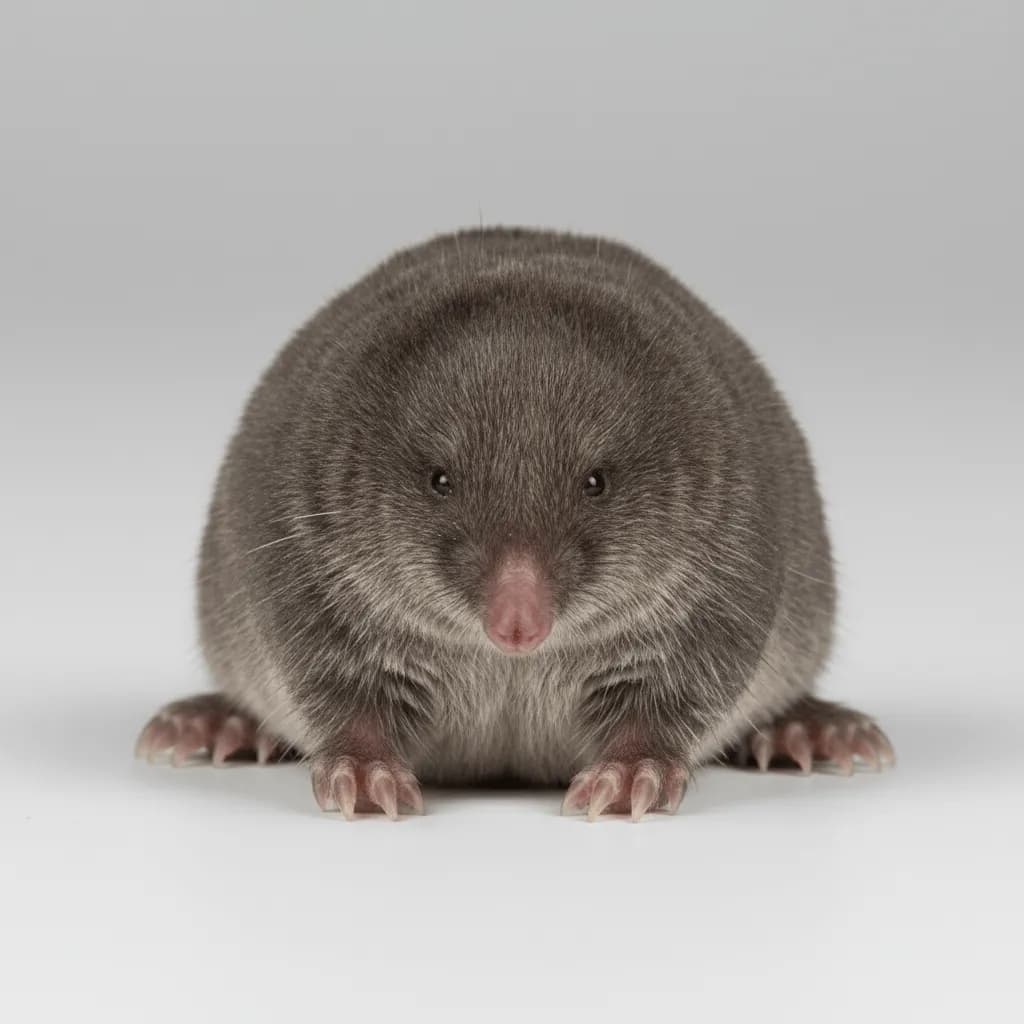
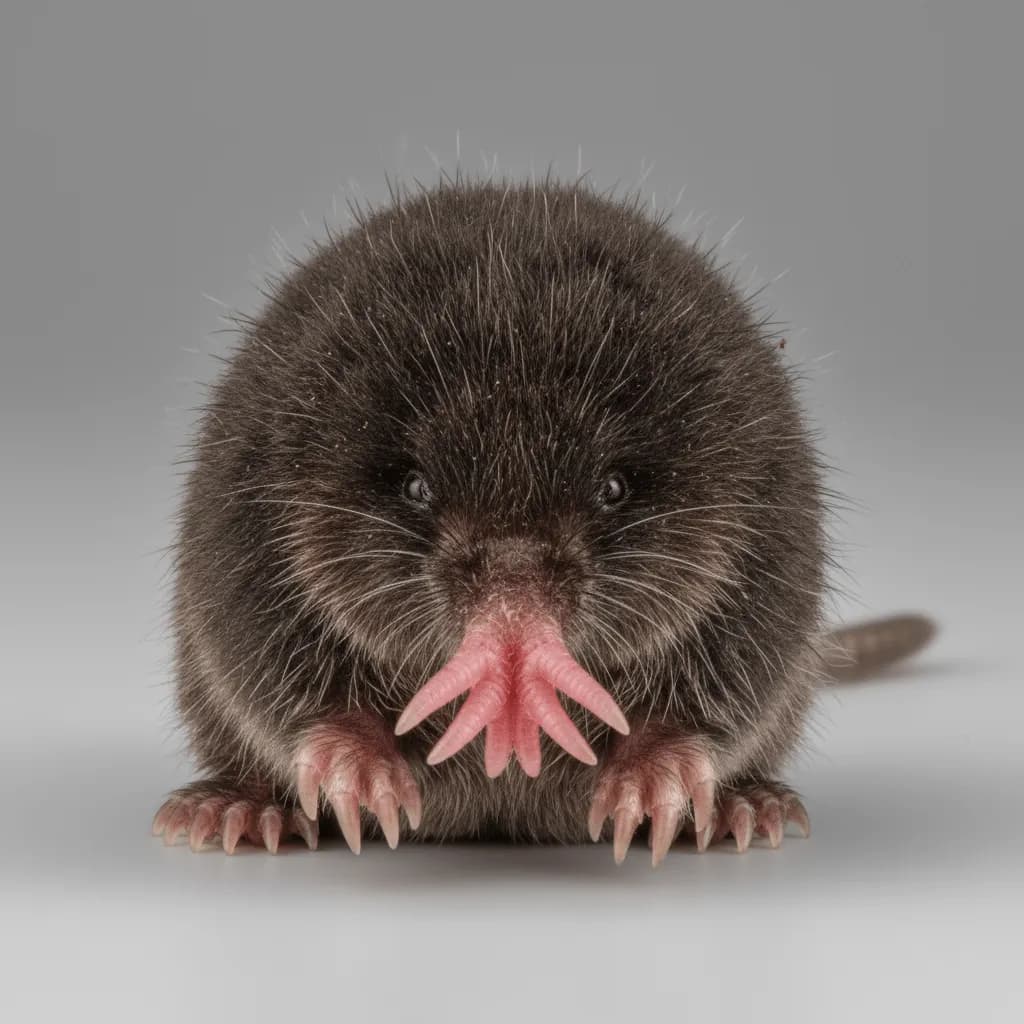
How do I tell a hairy-tailed mole from an eastern mole?
Why are moles in my hillside lawn but not my flat yard?
Are hairy-tailed moles harmful?
Need Help With Hairy-tailed mole?
If you're seeing signs of hairy-tailed mole in or around your home, professional treatment is the fastest way to stop the problem. Lotus Pest Control offers free inspections to identify the issue and recommend the right solution.
At a Glance
- Category
- Rodents
- Scientific Name
- Parascalops breweri
- Size
- 115-140 mm body length, plus 23-36 mm tail; 40-64 g
- Color
- Dark slate-gray to black with velvety, dense fur
- Key Trait
- Thickly furred, club-shaped tail that distinguishes it from the naked-tailed eastern mole and the long-tailed star-nosed mole. Smallest of the three common eastern mole species.
- Regions
- Northeast, Mid Atlantic, Mountain West
- Threat Level
- Low
- Risk Types
- lawn
- Seasonal Activity
- MarAprMayJunJulAugSepOctNovDecJanFebnonelowmoderatehighpeak