
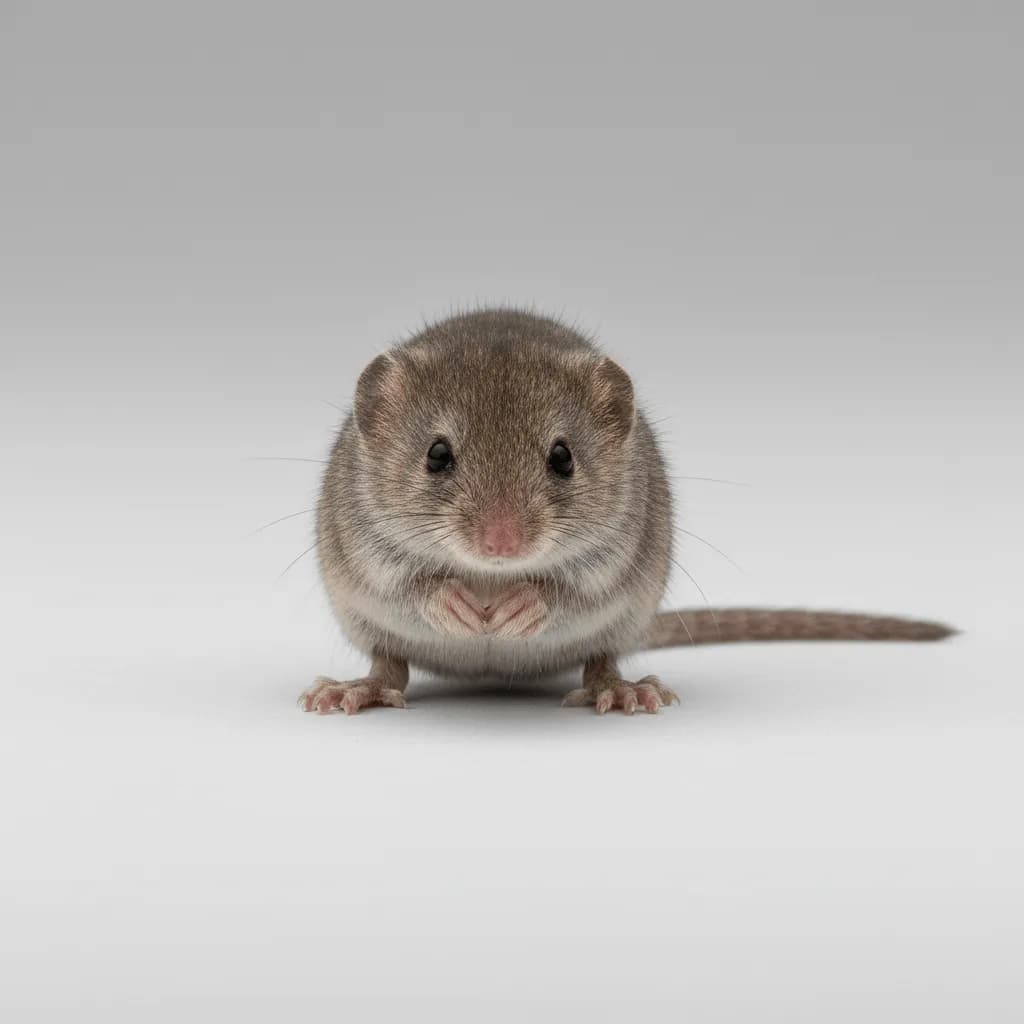
Northern Short-Tailed Shrew
Blarina brevicauda
Also known as: Short-Tailed Shrew
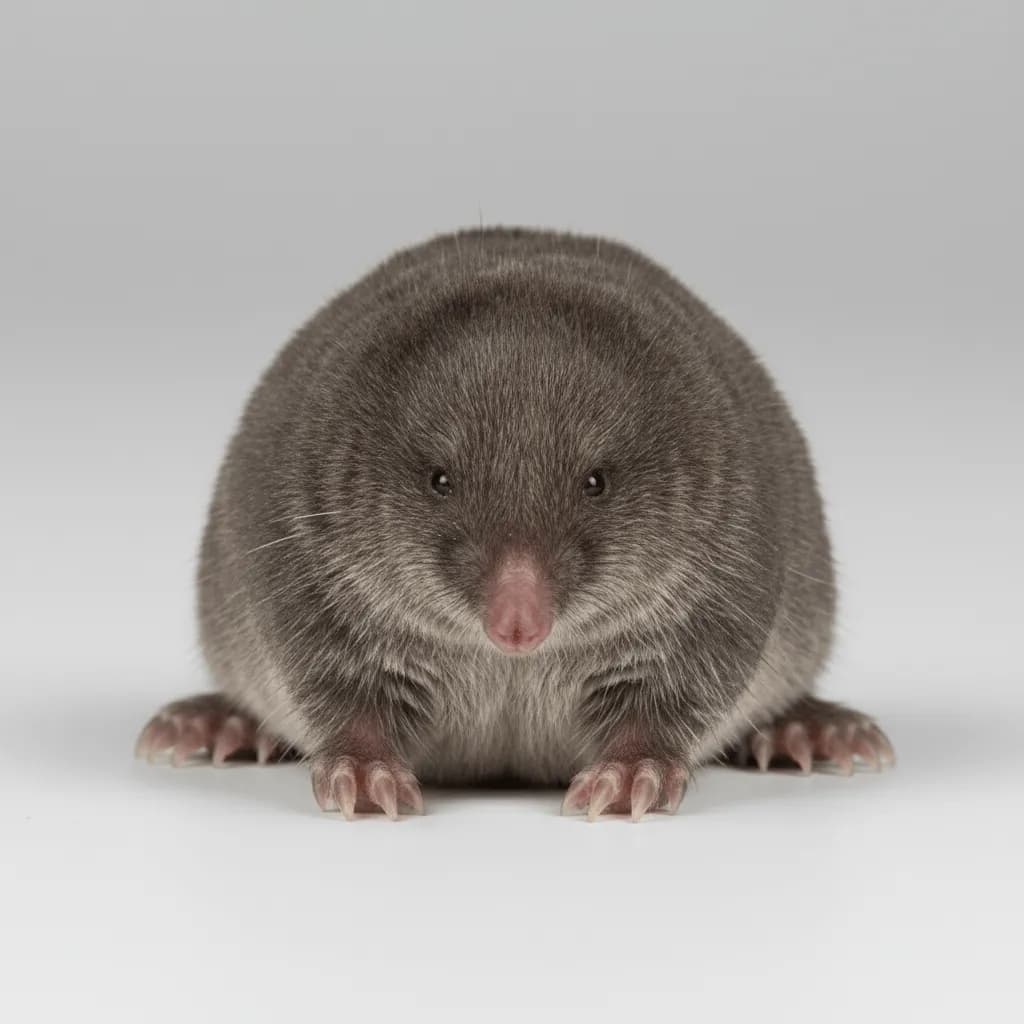
The Northern Short-Tailed Shrew is the most common shrew in the northeastern United States and one of the few venomous mammals in the world. Its saliva contains a neurotoxin (blarina toxin) that can paralyze small prey and cause pain in humans who are bitten. Despite its small size, it has an enormous appetite, consuming up to three times its body weight daily to fuel its extraordinarily high metabolic rate.
Identification
Size
75-105 mm body length, plus 17-30 mm tail; 15-30 g
Color
Dark slate-gray to silvery-gray with dense, velvety fur
Key Trait
One of the few venomous mammals; produces toxic saliva that paralyzes prey. Very short tail, tiny eyes, and a long pointed snout. Larger and heavier than most shrews. Extremely high metabolic rate requiring near-constant feeding.
Behavior & Habitat
Active day and night in cycles of roughly 30 minutes of activity followed by 30 minutes of rest. Must eat every few hours or starve due to an extremely high metabolic rate. Echolocates using high-frequency clicks to navigate dark tunnels. Paralyzes prey with venomous saliva and may cache living but immobilized invertebrates for later consumption.
Habitat: Forest floors, meadows, gardens, and yards with deep leaf litter or thick ground cover. Uses mole tunnels, vole runways, and self-made tunnels through leaf litter and loose topsoil.
Diet: Insects, earthworms, snails, slugs, mice, salamanders, and other small vertebrates. Also eats seeds, fungi, and vegetation. Caches paralyzed prey in underground chambers.
Signs of Infestation
- Cats bringing small, gray, mouse-like animals with long pointed snouts into the home (cats typically will not eat shrews due to scent glands)
- Small tunnels through leaf litter and shallow soil, similar to vole runways
- Occasional musky odor from shrew scent glands in areas of activity
Risks & Damage
Can deliver a painful venomous bite if handled. Strong musky odor from scent glands makes them unpalatable to predators and unpleasant when present near homes.
Prevention Tips
- 1.Remove deep leaf litter and dense ground cover from areas immediately adjacent to the home
- 2.Seal gaps around foundations larger than 6 mm to prevent entry
- 3.Reduce outdoor lighting that attracts insects, which in turn attract shrews
Why DIY Treatment Often Falls Short
Shrews are rarely the target of pest control and typically do not cause significant property damage. Standard rodent traps and baits are often ineffective on shrews due to their different biology and dietary preferences. Most encounters are incidental.
Professional Treatment
Professional intervention for shrews is rarely needed. When shrews enter homes, professionals identify and seal entry points and recommend habitat modification to make the immediate surroundings less attractive. Snap traps baited with peanut butter or insects can remove individual indoor intruders.
Frequently Asked Questions
Are shrews venomous?
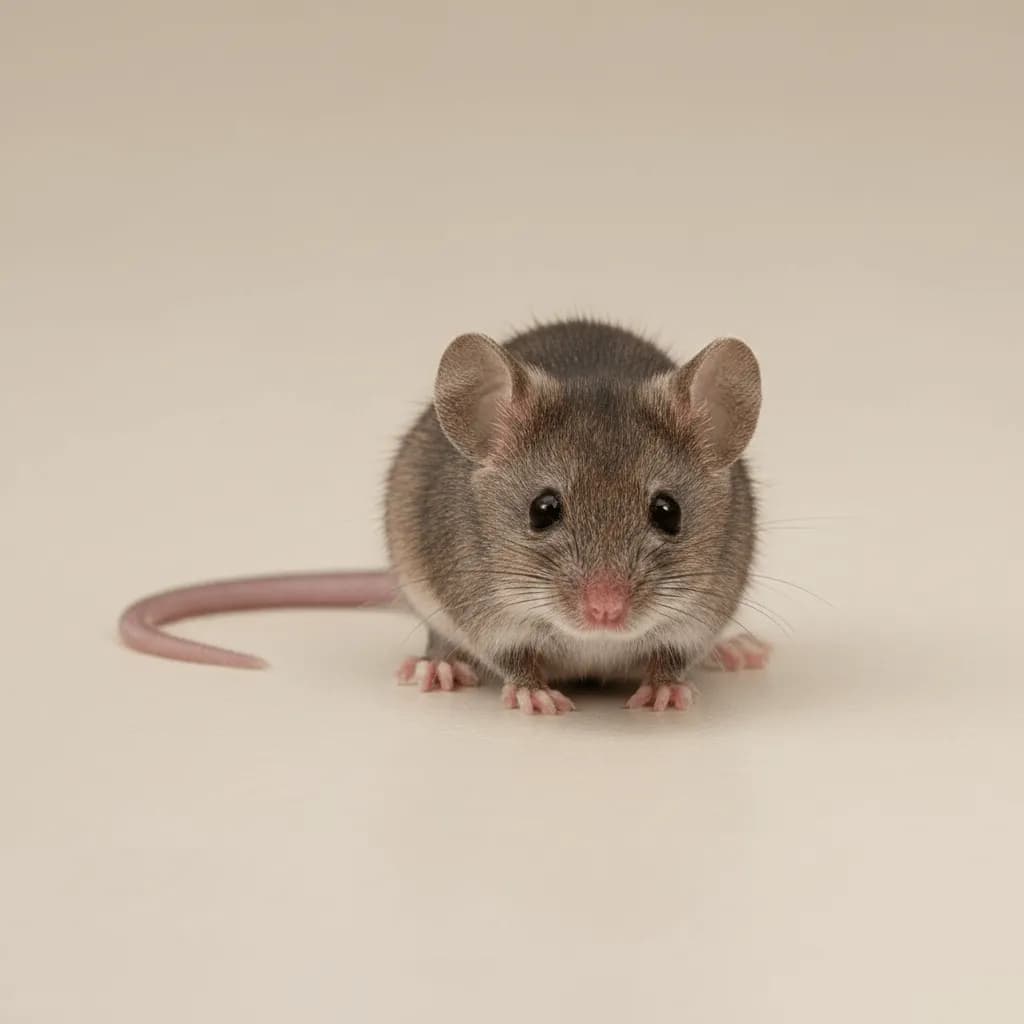
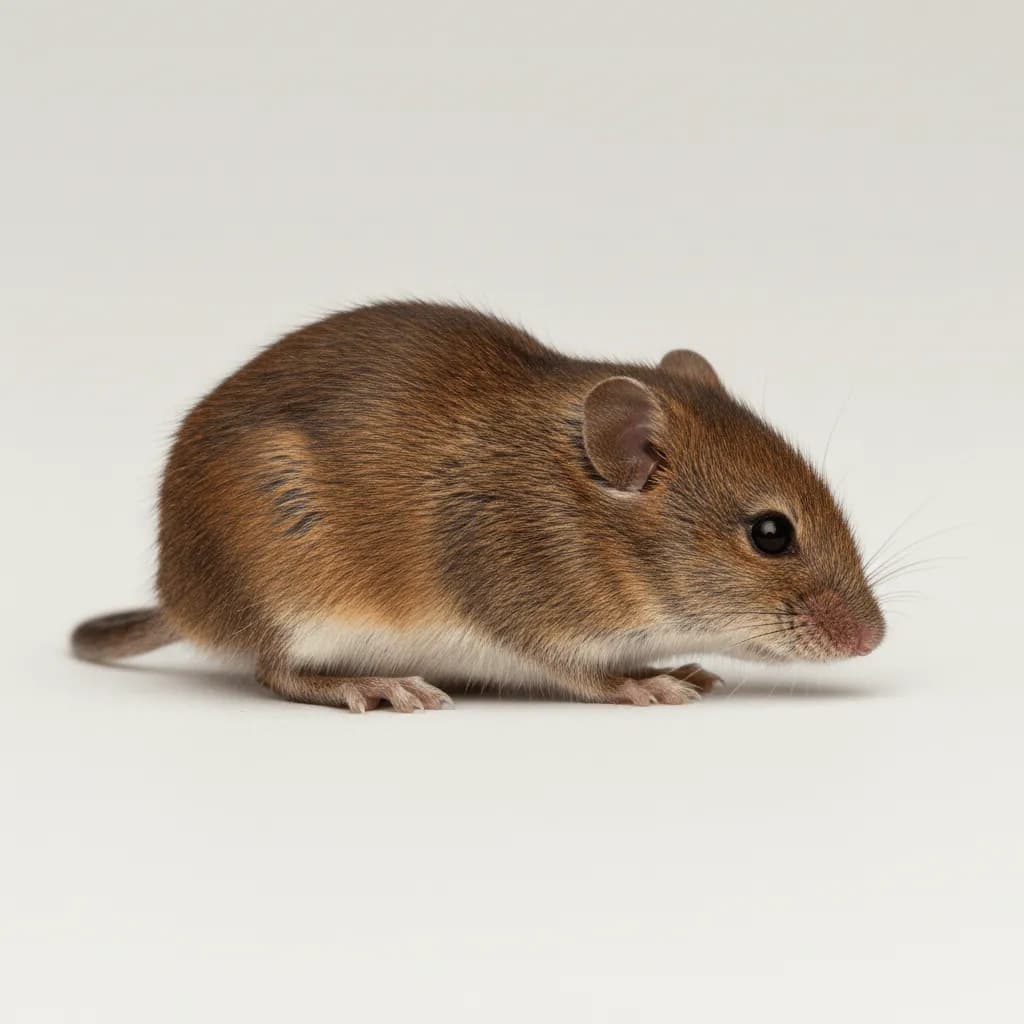
Is a shrew the same as a mouse?
Why does my cat bring home shrews but not eat them?
Need Help With Northern short-tailed shrew?
If you're seeing signs of northern short-tailed shrew in or around your home, professional treatment is the fastest way to stop the problem. Lotus Pest Control offers free inspections to identify the issue and recommend the right solution.
At a Glance
- Category
- Rodents
- Scientific Name
- Blarina brevicauda
- Size
- 75-105 mm body length, plus 17-30 mm tail; 15-30 g
- Color
- Dark slate-gray to silvery-gray with dense, velvety fur
- Key Trait
- One of the few venomous mammals; produces toxic saliva that paralyzes prey. Very short tail, tiny eyes, and a long pointed snout. Larger and heavier than most shrews. Extremely high metabolic rate requiring near-constant feeding.
- Regions
- Northeast, Mid Atlantic, Midwest, Southeast, Great Plains
- Threat Level
- Very Low
- Risk Types
- nuisance
- Seasonal Activity
- MarAprMayJunJulAugSepOctNovDecJanFebnonelowmoderatehighpeak