
Voles
Voles are small, stocky rodents that cause extensive damage to lawns, gardens, orchards, and ornamental plantings. Often called meadow mice or field mice, they are distinguished from mice by their short tails, small eyes, and blunt noses. They create visible runway systems in lawns by chewing grass at the base, producing a network of one-to-two-inch-wide surface trails through turf. They also girdle tree trunks and shrub stems beneath snow cover in winter, killing landscape plants. Populations cycle dramatically, with peak years producing devastation to landscape plantings.
Species in This Group (3)
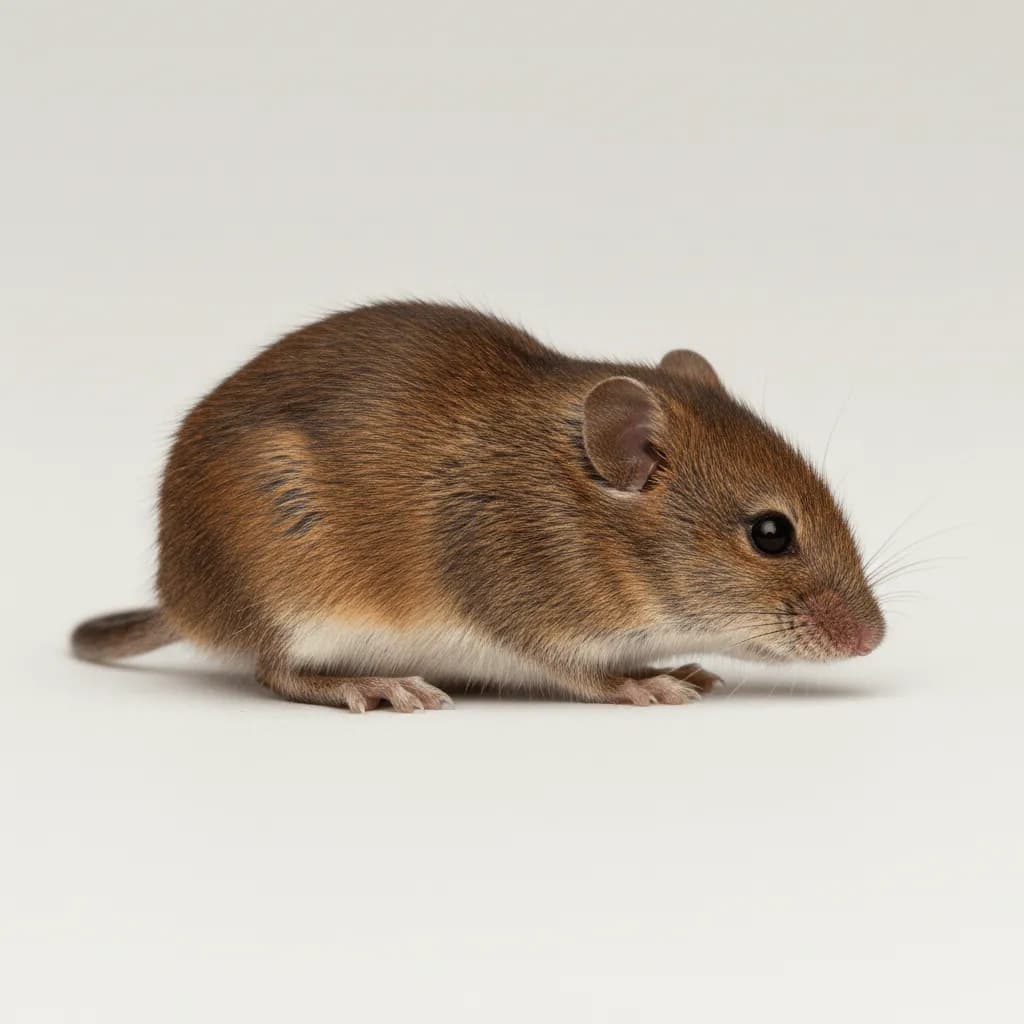
Meadow Vole
Microtus pennsylvanicus
The Meadow Vole is the most common vole in North America and one of the most prolific mammals on earth, with some populations reaching densities of hundreds per acre.
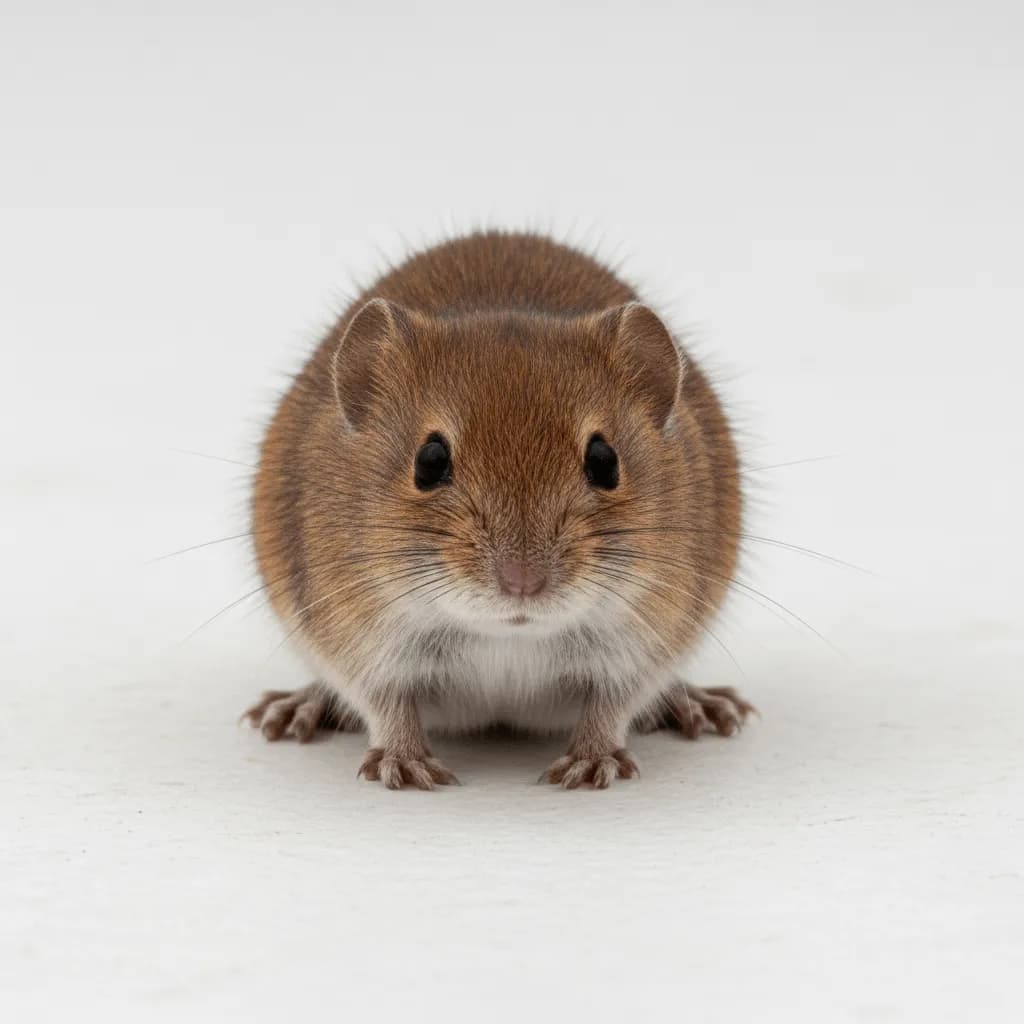
Prairie Vole
Microtus ochrogaster
The Prairie Vole inhabits grasslands, prairies, and dry meadows across the central United States.
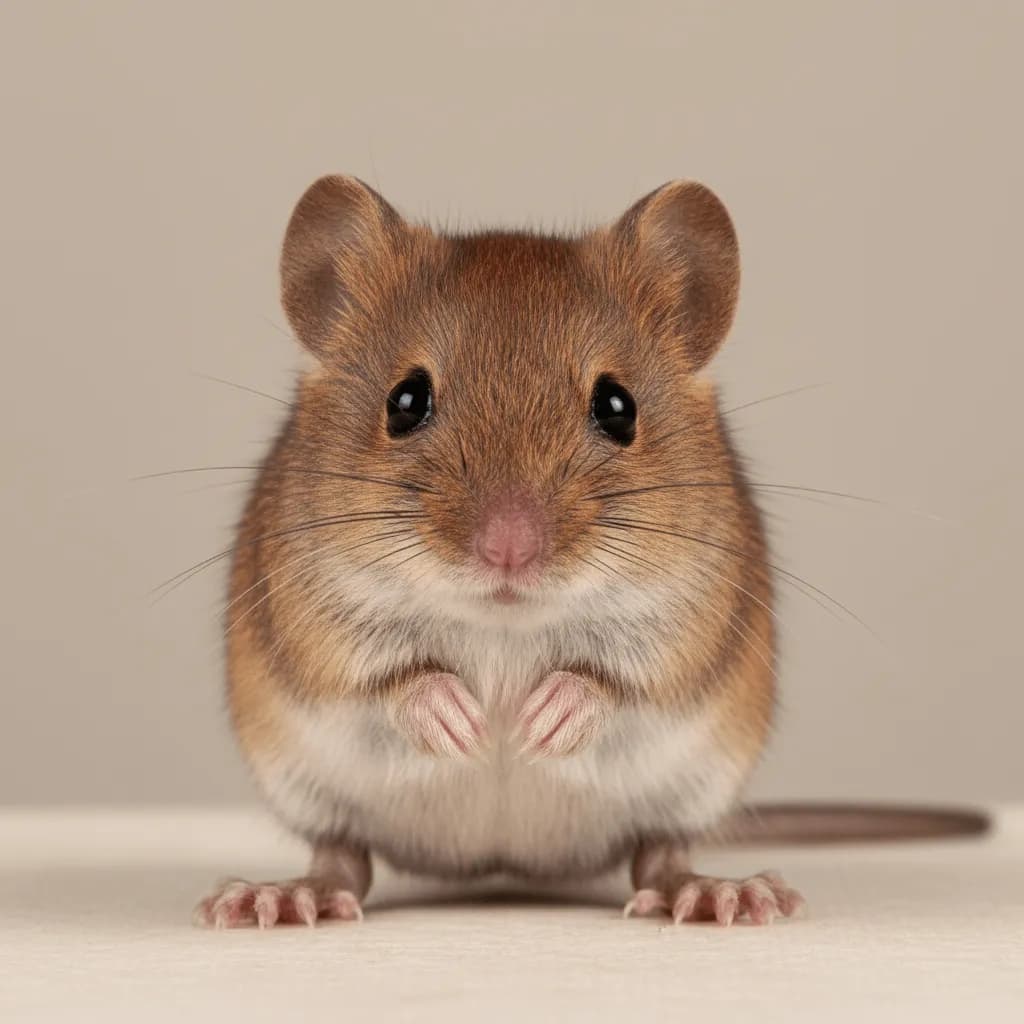
Pine Vole
Microtus pinetorum
The Pine Vole is the most subterranean of North American voles, spending most of its time in shallow underground tunnel systems.
Key Behaviors
Voles are active day and night, year-round, creating surface runways through grass and shallow tunnel systems in soil. They feed on grass, roots, bulbs, tubers, bark, and garden crops. They girdle the bark of trees and shrubs at and below the soil surface, particularly under snow cover in winter when their activity is hidden. Population cycles produce boom years with densities exceeding 100 voles per acre. They do not typically enter structures.
Risks & Concerns
Voles cause extensive damage to lawns through runway creation, kill landscape trees and shrubs by girdling bark, and destroy garden crops and flower bulbs. Spring reveal of winter vole damage to lawns and tree trunks is a major source of homeowner frustration. Young fruit trees and ornamental shrubs are particularly vulnerable. Hardware cloth tree guards and reducing mulch and ground cover around plantings are key prevention measures.
Quick Comparison
| Species | Size | Color | Key Trait |
|---|---|---|---|
| Meadow Vole | 89-120 mm body length, plus 33-64 mm tail; 33-65 g | Dark brown to chestnut-brown with a grayish underside | Compact, stocky body with a short tail (much shorter than body length), small ears partially hidden by fur, and small eyes. Creates extensive surface runway systems through grass. |
| Prairie Vole | 85-130 mm body length, plus 25-40 mm tail; 30-50 g | Grizzled yellowish-brown to dark brown with a grayish-buff underside | Very similar to the meadow vole but found in drier grassland habitats. Shorter tail and lighter coloration adapted to prairie environments. One of the few mammals known to form socially monogamous pair bonds. |
| Pine Vole | 70-110 mm body length, plus 17-25 mm tail; 20-37 g | Rich auburn-brown with a grayish underside | Smallest and most subterranean of the voles. Auburn fur is softer and sleeker than other voles, adapted for tunneling. Very short tail and small eyes. Damages trees and shrubs by gnawing roots below ground. |
Need Help With Voles?
If you're seeing signs of voles in or around your home, professional treatment is the fastest way to stop the problem. Lotus Pest Control offers free inspections to identify the issue and recommend the right solution.