

Pine Vole
Microtus pinetorum
Also known as: Woodland Vole
The Pine Vole is the most subterranean of North American voles, spending most of its time in shallow underground tunnel systems. Unlike meadow voles that create surface runways, pine voles damage tree and shrub roots from below ground, making their presence difficult to detect until plants decline. They are a serious pest of orchards throughout the eastern United States.
Identification
Size
70-110 mm body length, plus 17-25 mm tail; 20-37 g
Color
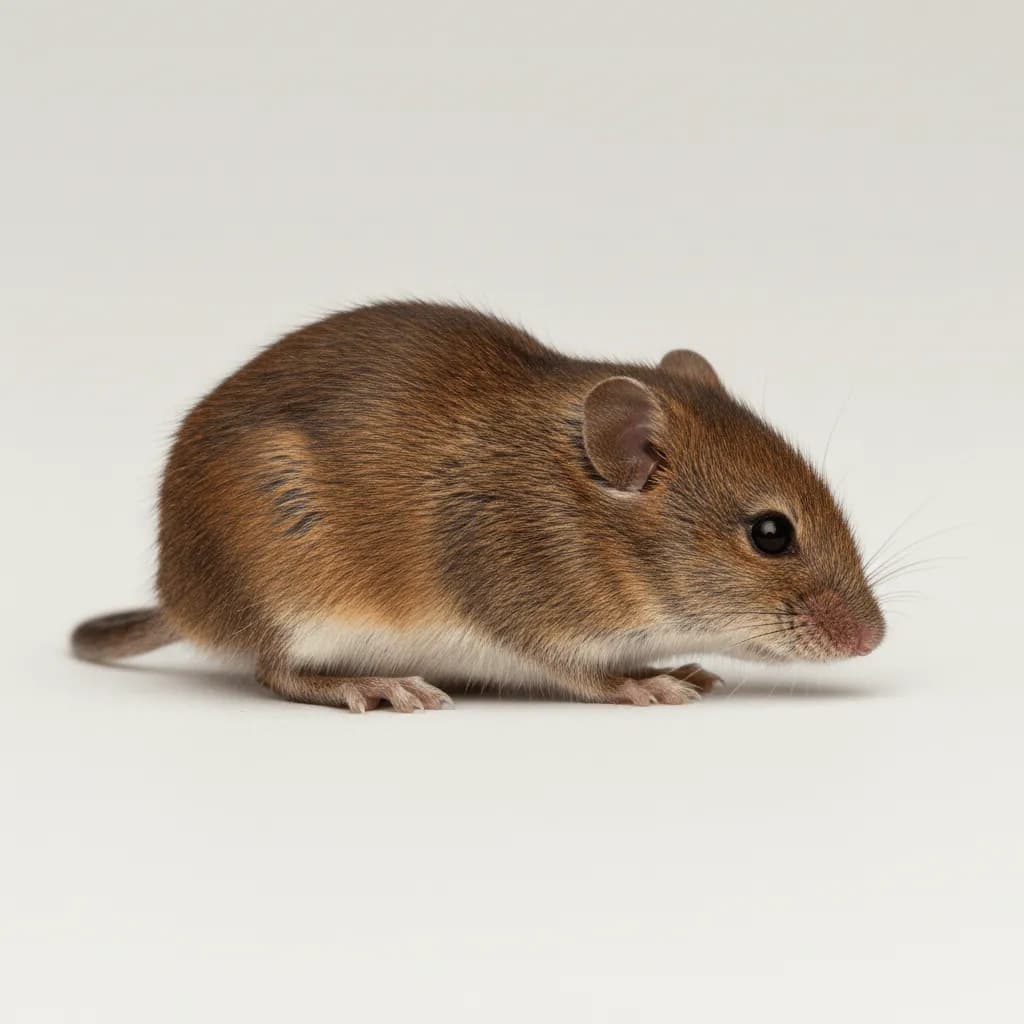
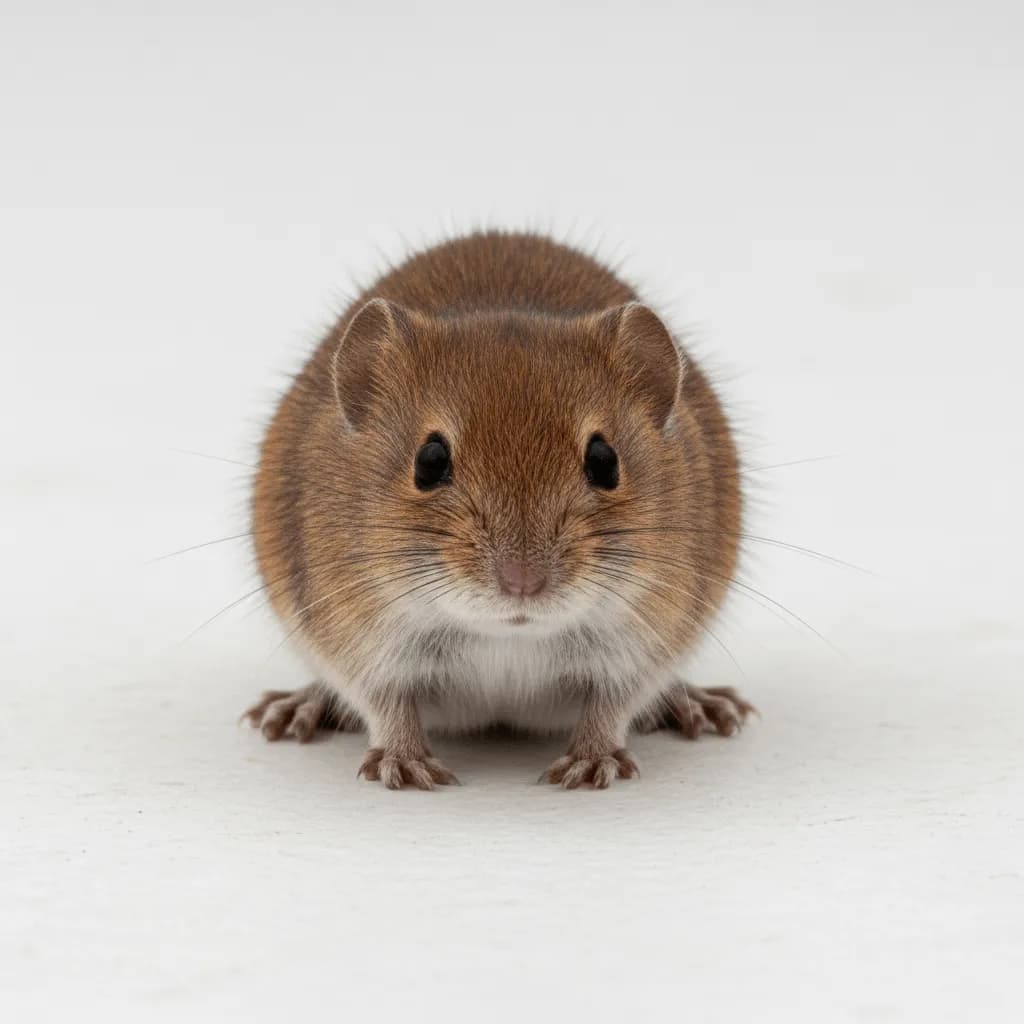
Rich auburn-brown with a grayish underside
Key Trait
Smallest and most subterranean of the voles. Auburn fur is softer and sleeker than other voles, adapted for tunneling. Very short tail and small eyes. Damages trees and shrubs by gnawing roots below ground.
Behavior & Habitat
Primarily subterranean, tunneling through the upper soil layer and leaf litter. Rarely seen on the surface. Creates shallow tunnel systems that connect to deeper burrows. Social, living in extended family groups that share tunnel networks. Active day and night year-round.
Habitat: Deciduous forests, orchards, gardens, and landscaped yards with deep mulch or leaf litter. Tunnels through loose, organic-rich topsoil and beneath heavy mulch layers.
Diet: Roots, tubers, bulbs, bark from tree roots, and underground portions of plants. Also eats seeds, fallen fruit, and fungi found in the soil layer.
Signs of Infestation
- Trees and shrubs declining without obvious above-ground cause; roots found gnawed when examined
- Soft, spongy areas in mulched beds where shallow tunnels collapse underfoot
- Bulbs and root vegetables eaten from below with no surface disturbance
Risks & Damage
Tunnel systems undermine turf and create soft, uneven ground in landscaped areas.
Girdles tree roots in orchards, causing tree decline and death. Major pest of apple orchards in the eastern U.S.
Prevention Tips
- 1.Keep mulch pulled back 12 inches from tree trunks and no deeper than 3 inches
- 2.Install below-grade hardware cloth barriers around valued trees and garden beds
- 3.Reduce leaf litter and organic debris that provides tunneling substrate near plantings
Why DIY Treatment Often Falls Short
Pine voles live underground where surface traps and sprays are completely ineffective. Their tunnel systems are hidden beneath mulch and soil, making detection and treatment extremely difficult without professional knowledge and equipment.
Professional Treatment
Professionals probe for tunnel systems and apply rodenticide bait directly into active burrows. Habitat modification including mulch reduction and installation of below-grade root barriers protects valued plantings. Monitoring programs track activity and prevent re-establishment.
Frequently Asked Questions
Why are my trees dying even though they look fine above ground?
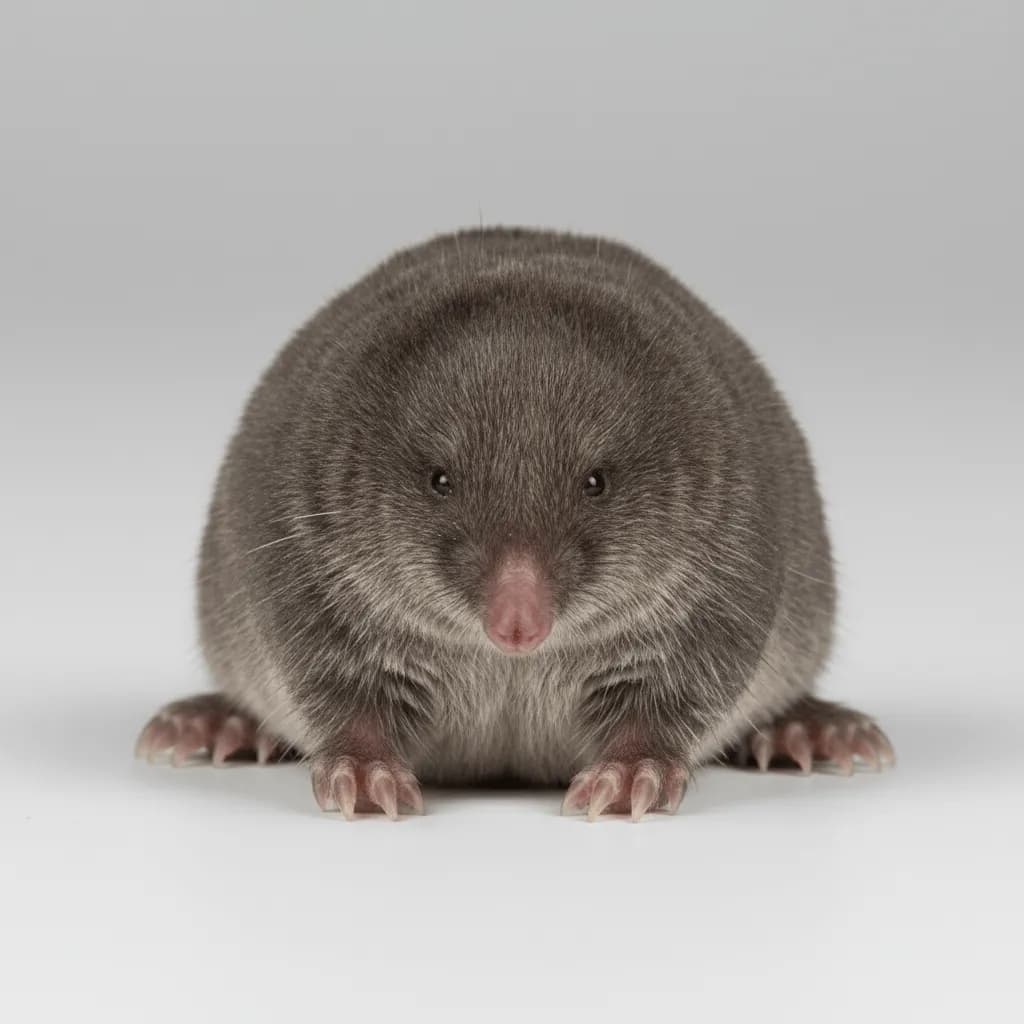
How are pine voles different from moles?
Does deep mulch attract pine voles?
Need Help With Pine vole?
If you're seeing signs of pine vole in or around your home, professional treatment is the fastest way to stop the problem. Lotus Pest Control offers free inspections to identify the issue and recommend the right solution.
At a Glance
- Category
- Rodents
- Scientific Name
- Microtus pinetorum
- Size
- 70-110 mm body length, plus 17-25 mm tail; 20-37 g
- Color
- Rich auburn-brown with a grayish underside
- Key Trait
- Smallest and most subterranean of the voles. Auburn fur is softer and sleeker than other voles, adapted for tunneling. Very short tail and small eyes. Damages trees and shrubs by gnawing roots below ground.
- Regions
- Northeast, Mid Atlantic, Southeast, Midwest
- Threat Level
- Moderate
- Risk Types
- lawnagricultural
- Seasonal Activity
- MarAprMayJunJulAugSepOctNovDecJanFebnonelowmoderatehighpeak