
Black Widow Spiders
Black widow spiders are the most medically significant spiders in North America, found in all 48 contiguous states. Females are glossy black with the iconic red hourglass marking on the underside of the abdomen, though markings vary by species. Their venom is a potent neurotoxin that disrupts nerve signaling and causes severe pain, muscle cramping, and systemic symptoms. They build strong, irregular webs in dark, sheltered locations close to the ground, including under rocks, in meter boxes, beneath patio furniture, and in garages and sheds.
Species in This Group (4)
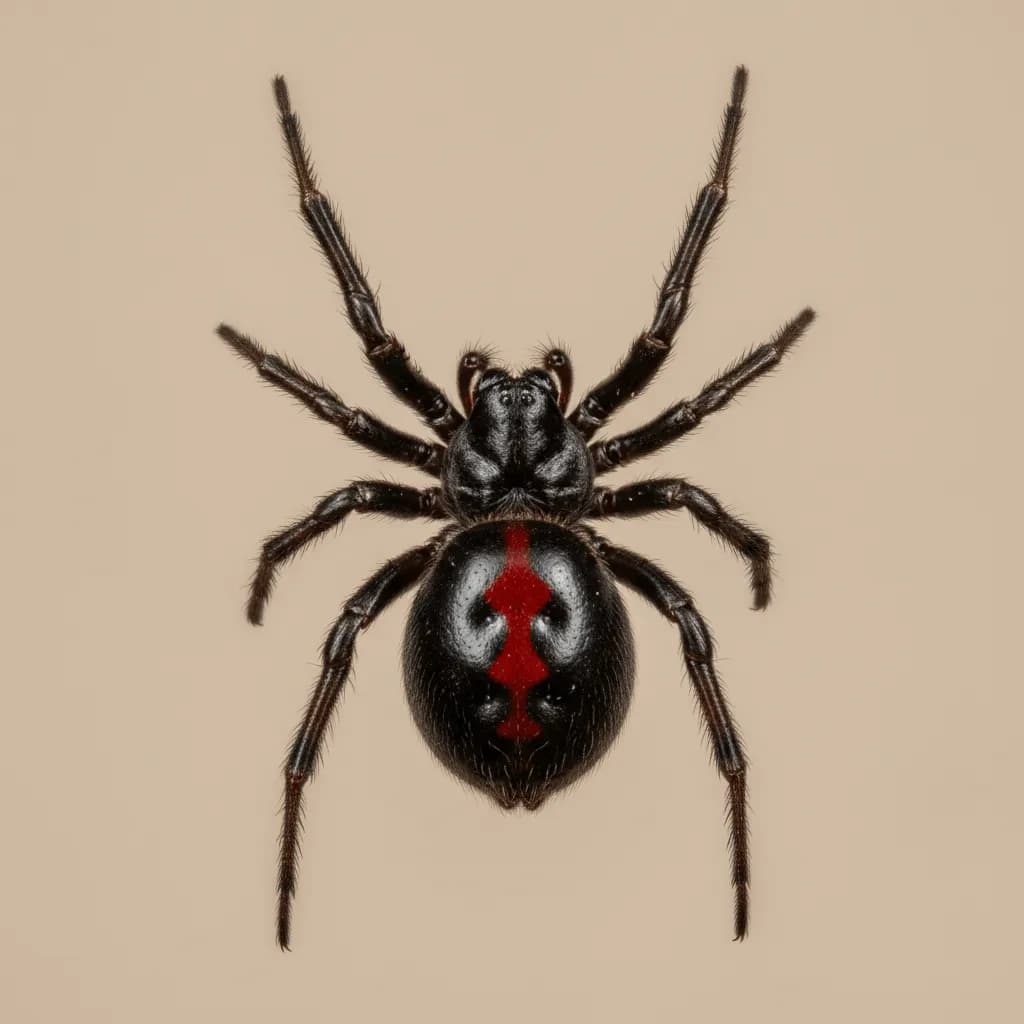
Southern Black Widow
Latrodectus mactans
The Southern Black Widow is the most recognized venomous spider in North America.
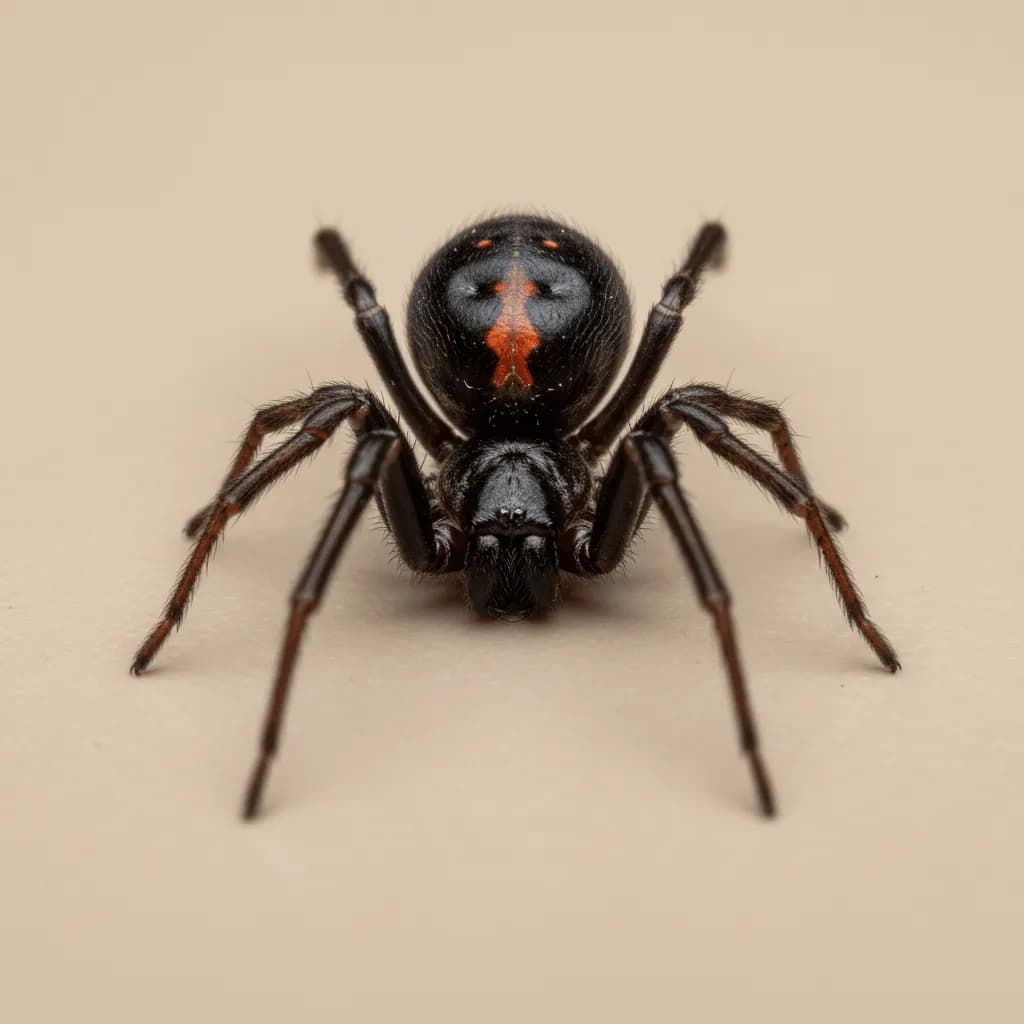
Northern Black Widow
Latrodectus variolus
The Northern Black Widow is found in the northeastern and midwestern United States, overlapping with the Southern species in the mid-Atlantic.
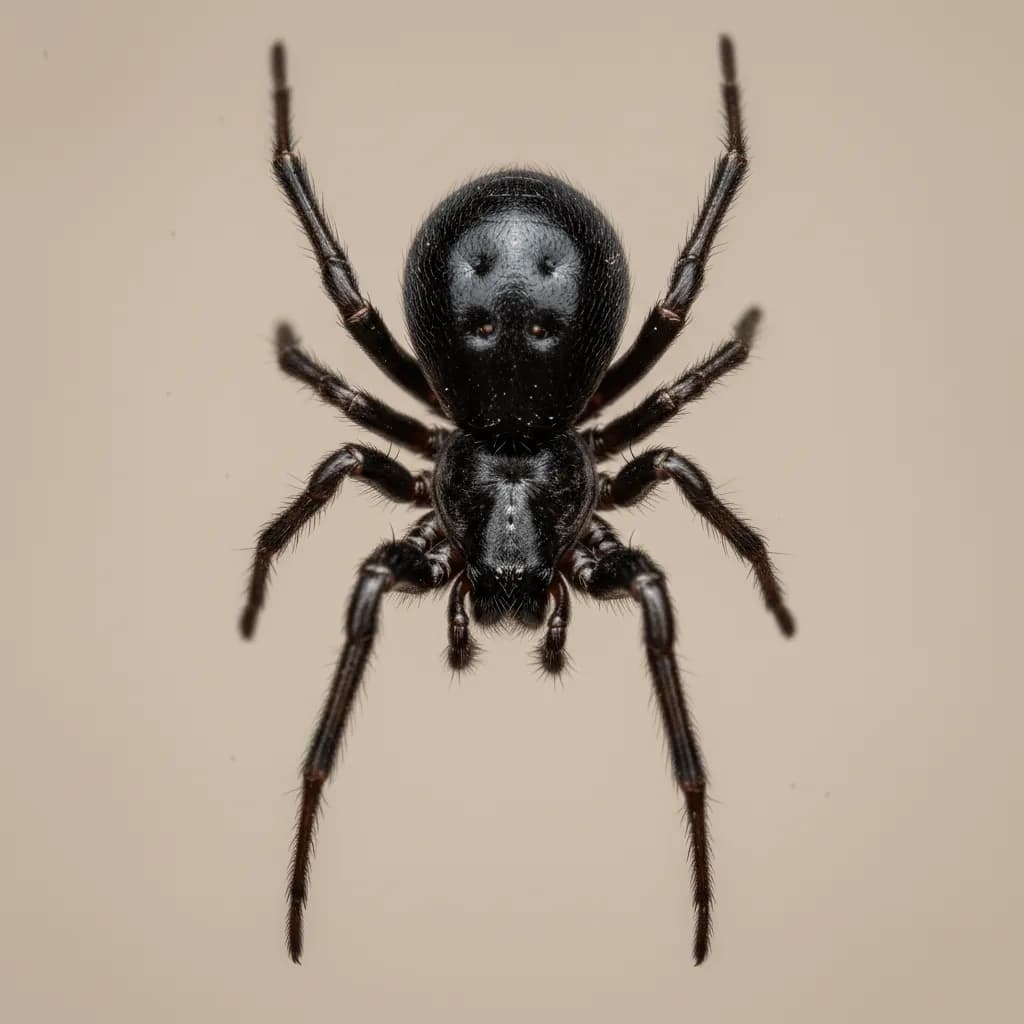
Western Black Widow
Latrodectus hesperus
The Western Black Widow is the predominant black widow species across the western United States.
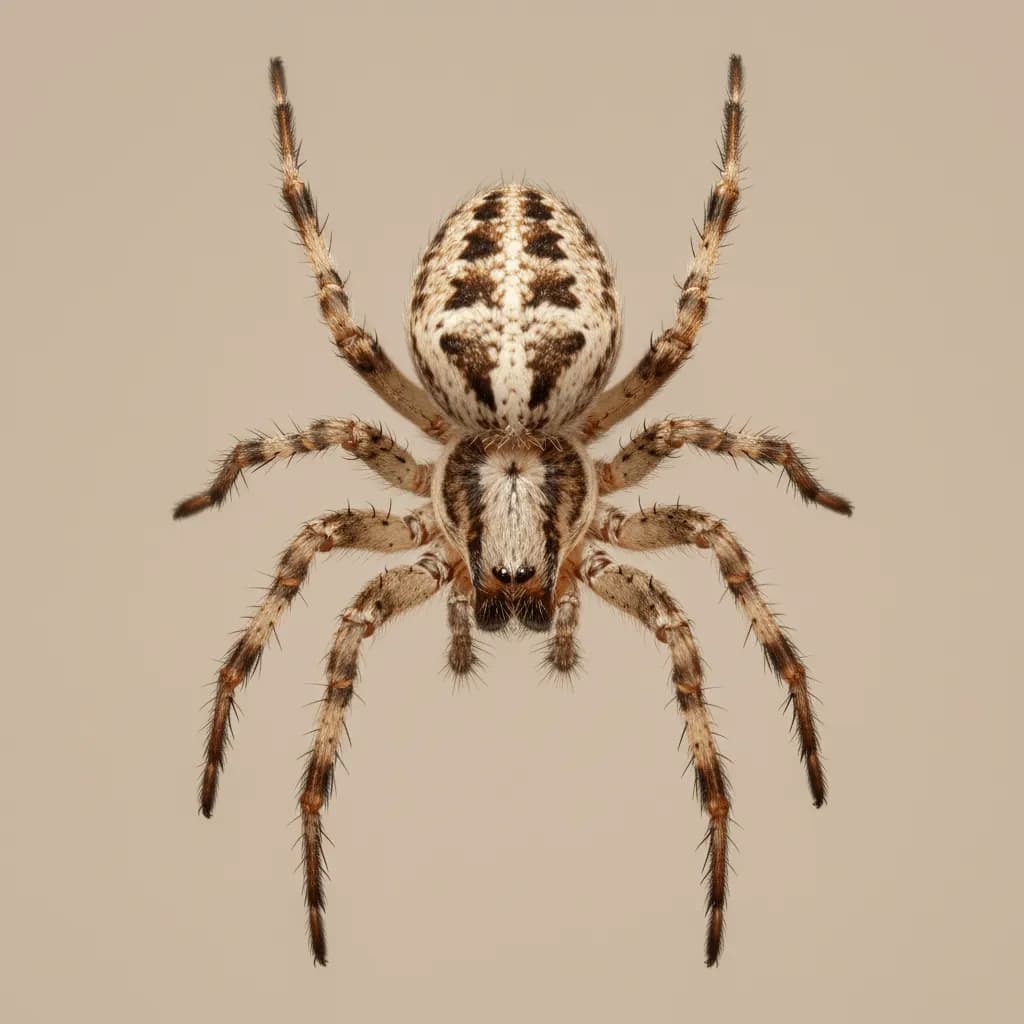
Brown Widow
Latrodectus geometricus
The Brown Widow is a cosmopolitan species that has expanded rapidly across the southern United States.
Key Behaviors
Black widows are shy, sedentary spiders that remain on or near their webs. They hang inverted in the web with the hourglass marking visible. They are most active at night and will retreat or play dead when disturbed, biting only when trapped against the skin. Web location preference varies by species, but all choose dark, sheltered sites near ground level.
Risks & Concerns
Black widow venom causes latrodectism, characterized by severe muscle pain and cramping, abdominal rigidity, nausea, sweating, and elevated blood pressure. Symptoms typically peak within a few hours and may persist for days. While fatalities are extremely rare with modern medical care, bites require medical attention, particularly in children, the elderly, and those with cardiovascular conditions. Antivenom is available for severe cases.
Quick Comparison
| Species | Size | Color | Key Trait |
|---|---|---|---|
| Southern Black Widow | 8-13 mm (female body) | Females are glossy black with a red hourglass on the underside of the abdomen | Glossy black female with a bright red hourglass marking on the ventral abdomen; male is much smaller and brown. |
| Northern Black Widow | 8-11 mm (female body) | Black with a broken red hourglass and red spots on the dorsal abdomen | Hourglass marking is often broken into two separate red triangles; red spots on the top of the abdomen. |
| Western Black Widow | 8-13 mm (female body) | Glossy black with a complete red hourglass on the ventral abdomen | The primary black widow species in western North America; red hourglass is typically complete and well-defined. |
| Brown Widow | 7-10 mm (female body) | Tan to dark brown with an orange-red hourglass marking; legs banded light and dark | Tan to brown coloring with banded legs and a spiky egg sac, unlike the smooth sac of black widows. |
Need Help With Black widow spiders?
If you're seeing signs of black widow spiders in or around your home, professional treatment is the fastest way to stop the problem. Lotus Pest Control offers free inspections to identify the issue and recommend the right solution.