
Spider
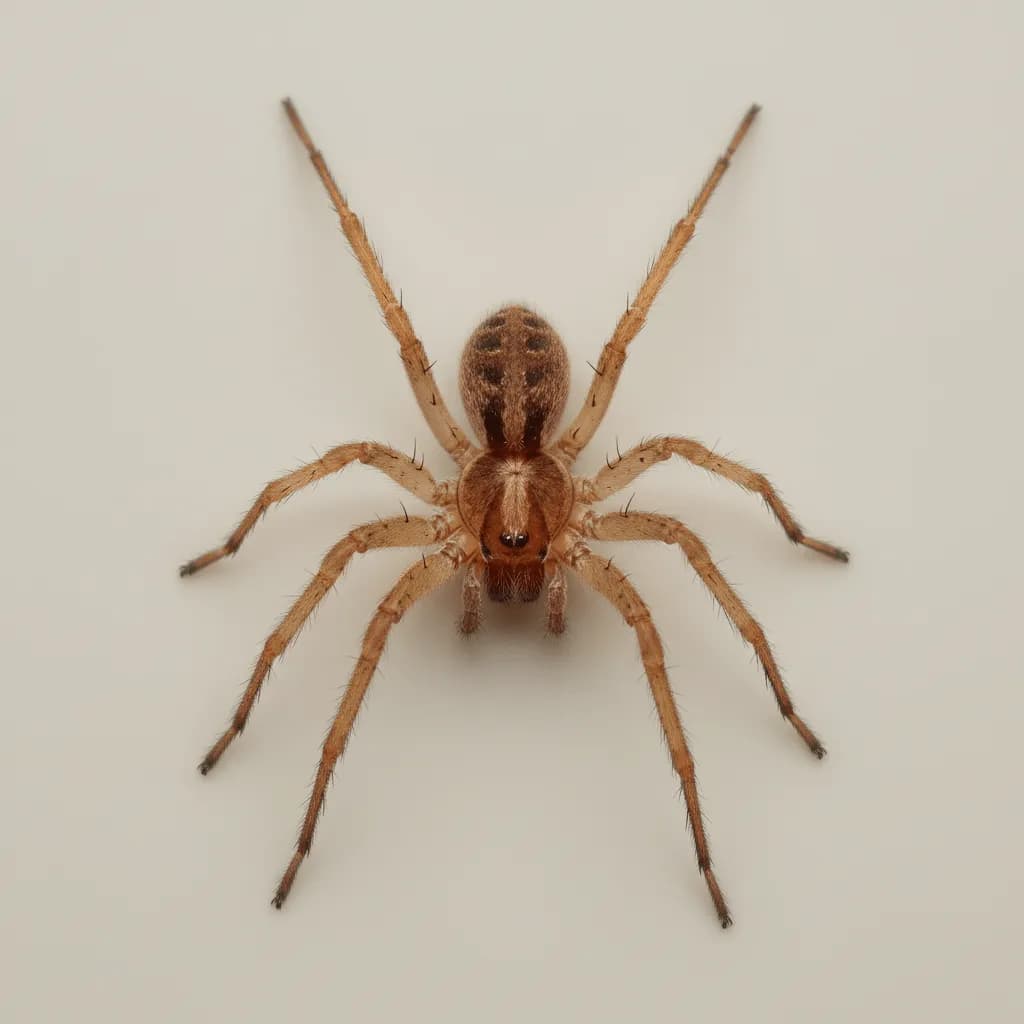
Spiders are arachnids found in virtually every terrestrial habitat, with more than 3,000 species documented in the United States. The overwhelming majority are harmless to humans and actually beneficial because they prey on insects. However, two groups - brown recluse and black widow spiders - are medically significant and found across large portions of the country. Spiders enter homes in search of prey, shelter, and mates, and their presence often indicates an underlying insect problem. Managing spider populations means addressing both the spiders themselves and the prey insects that attract them.
Species Covered
20
Species Groups
10
Common Traits
All spiders are predatory arachnids with eight legs, two body segments, and the ability to produce silk. They feed almost exclusively on other arthropods, using webs, ambush tactics, or active hunting depending on the species. Most species are solitary, nocturnal, and prefer undisturbed areas like corners, closets, basements, and garages.
Species in This Category
Brown Recluse Spiders
2 species
Brown recluse spiders are medically significant spiders found primarily in the south-central United States.
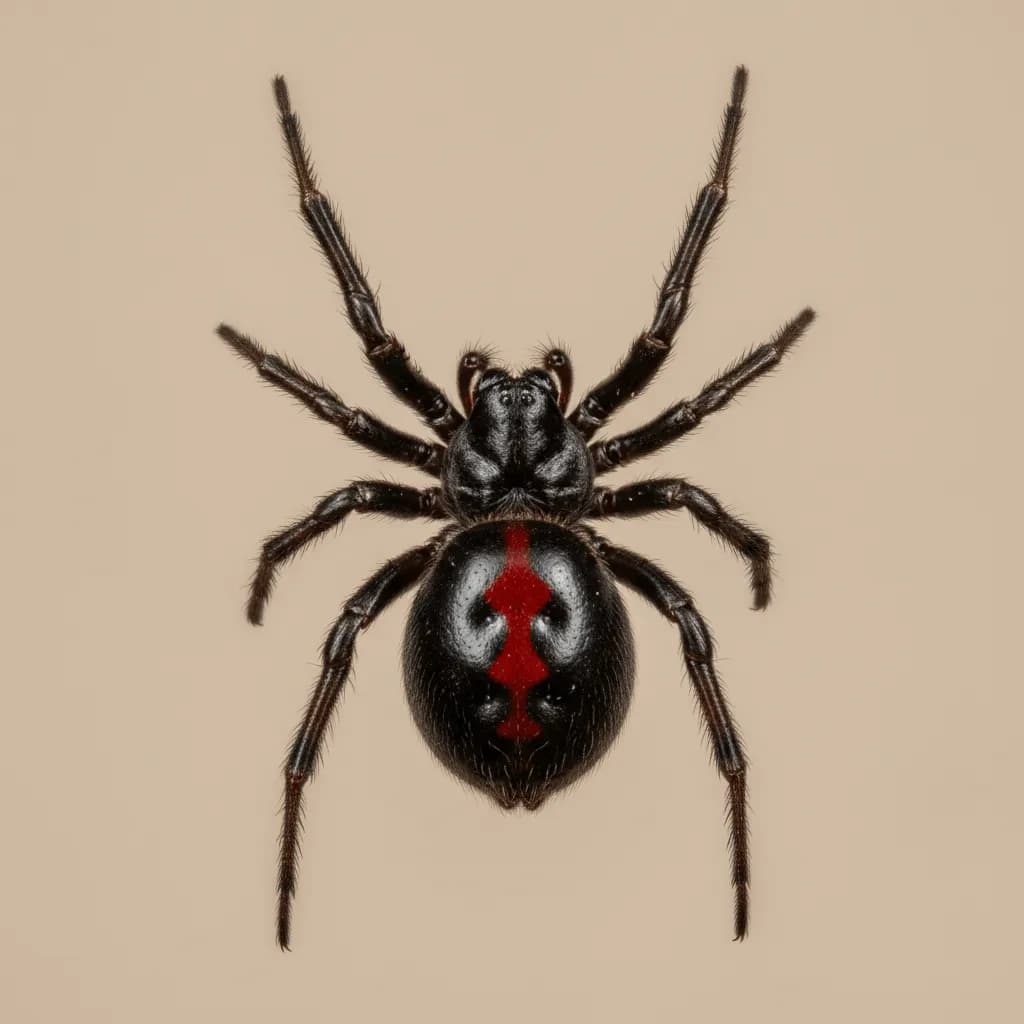
Black Widow Spiders
4 species
Black widow spiders are the most medically significant spiders in North America, found in all 48 contiguous states.
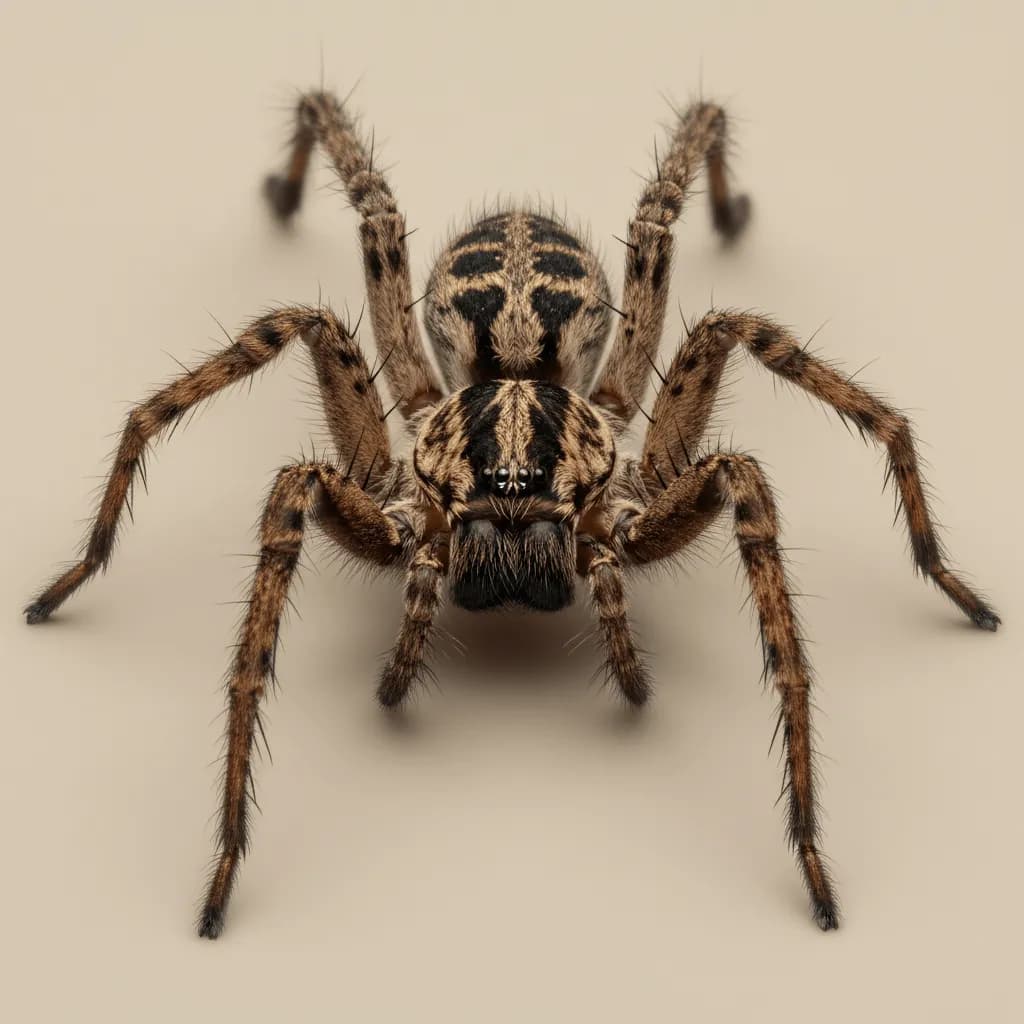
Wolf Spiders
3 species
Wolf spiders are large, hairy, fast-running ground spiders that hunt actively rather than building webs.
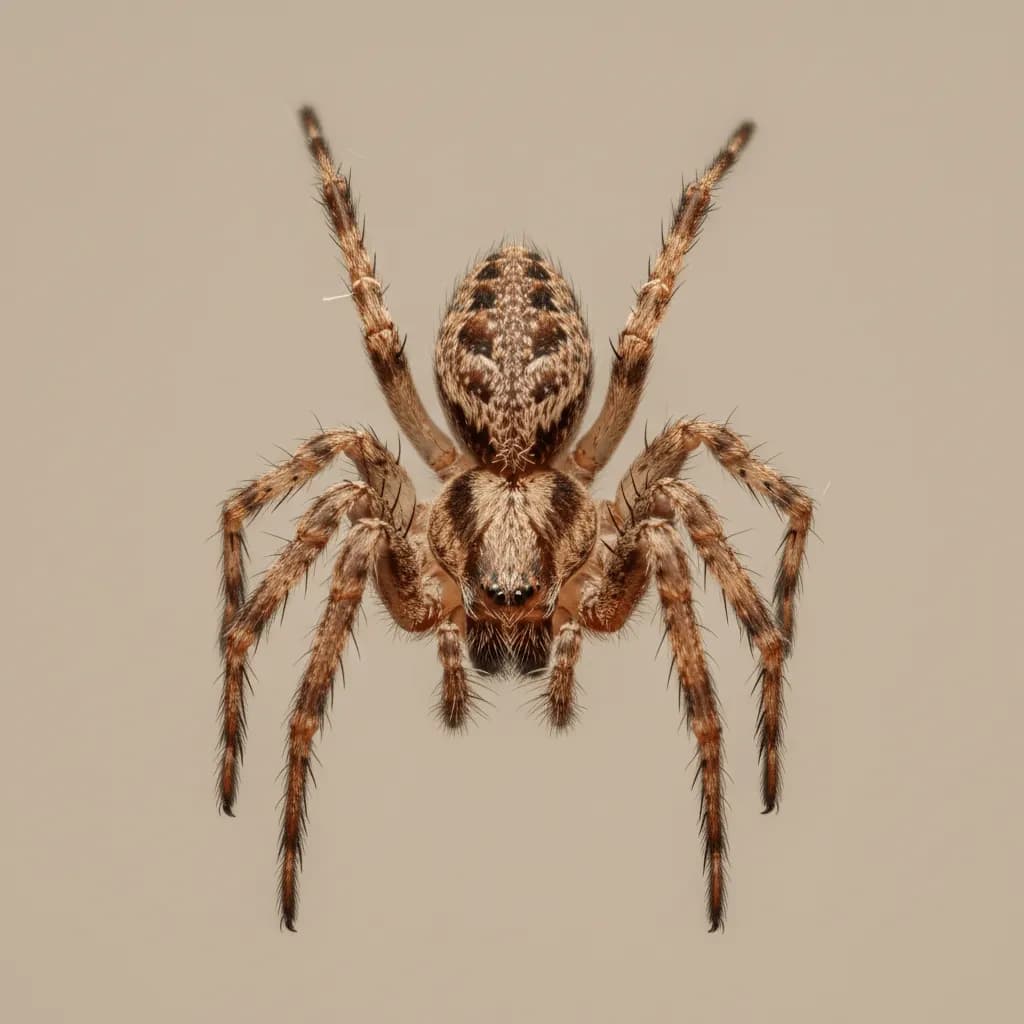
House Spiders
2 species
House spiders are a diverse group of cobweb-building spiders that are among the most common spiders found inside homes worldwide.
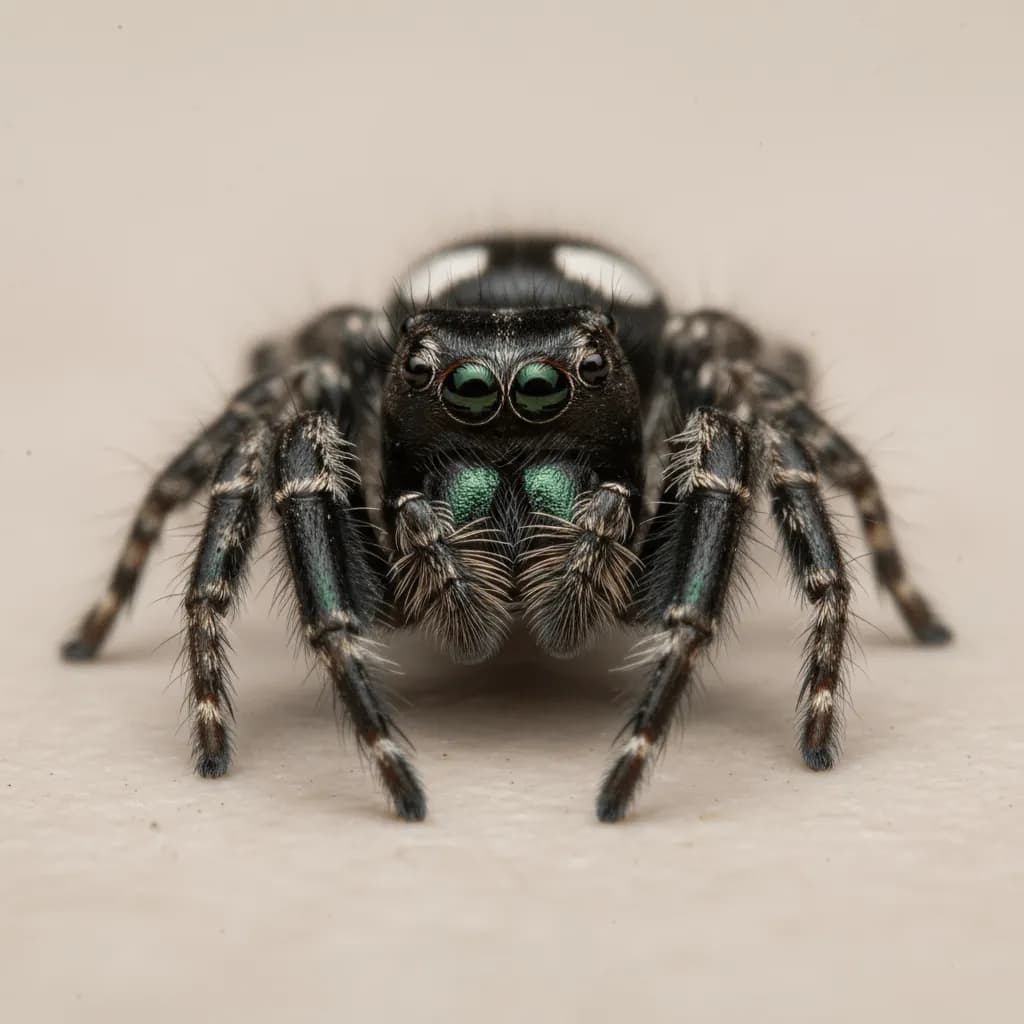
Jumping Spiders
3 species
Jumping spiders are compact, alert, and visually-oriented spiders known for their excellent eyesight and precise jumping ability.
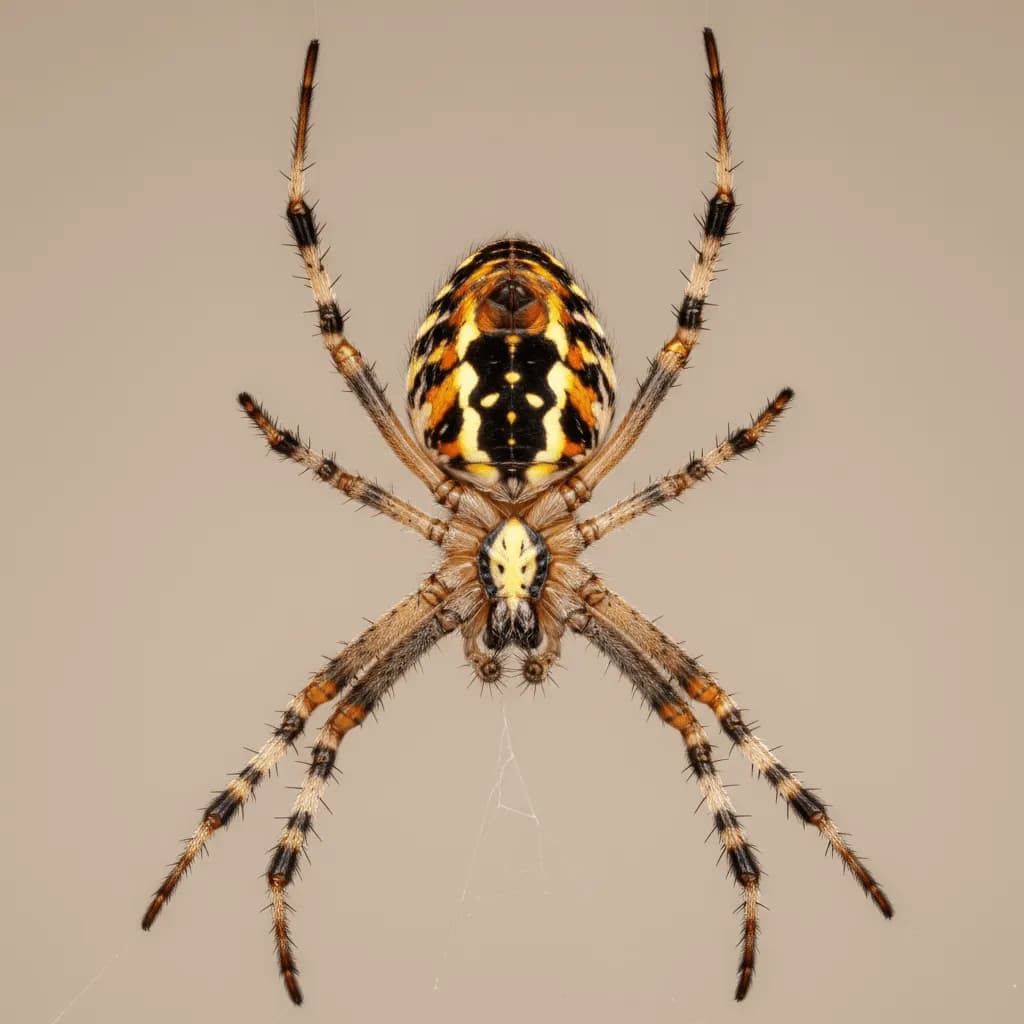
Orb Weaver Spiders
4 species
Orb weavers are the quintessential web-building spiders, constructing the large, circular, wheel-shaped webs commonly associated with spiders.
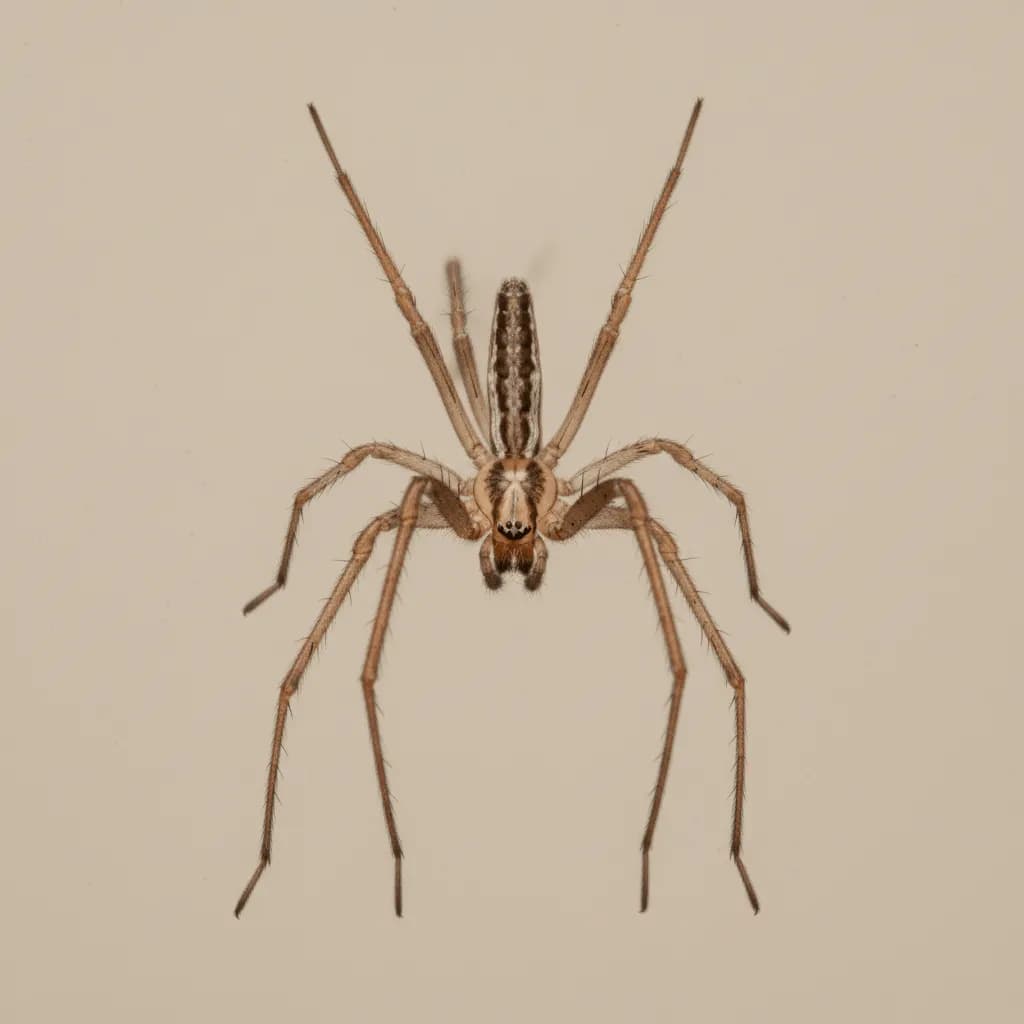
Cellar Spiders
2 species
Cellar spiders, commonly called daddy long legs spiders, are delicate, long-legged spiders that build loose, irregular webs in dark, undisturbed areas like basements, cellars, garages, and crawl spaces.
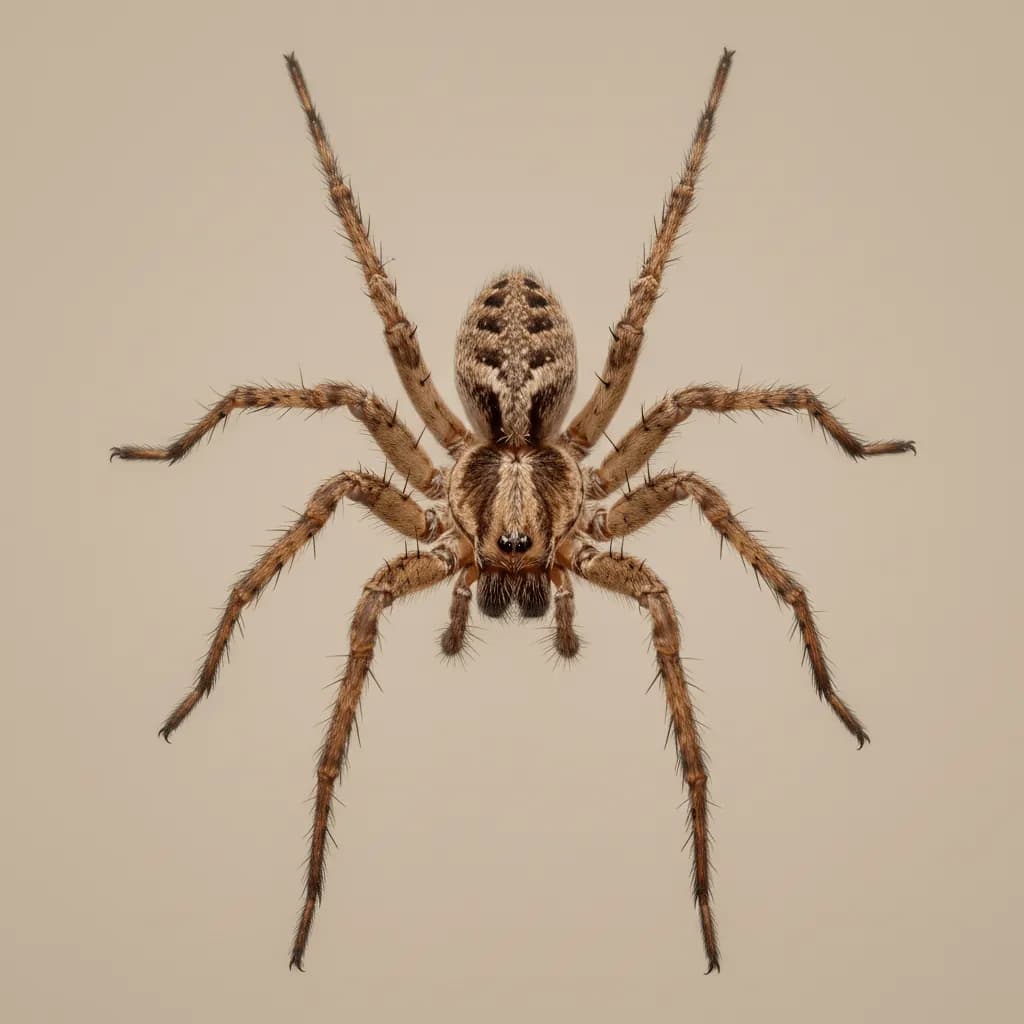
Hobo Spiders
1 species
Hobo spiders are funnel-web building spiders found primarily in the Pacific Northwest.
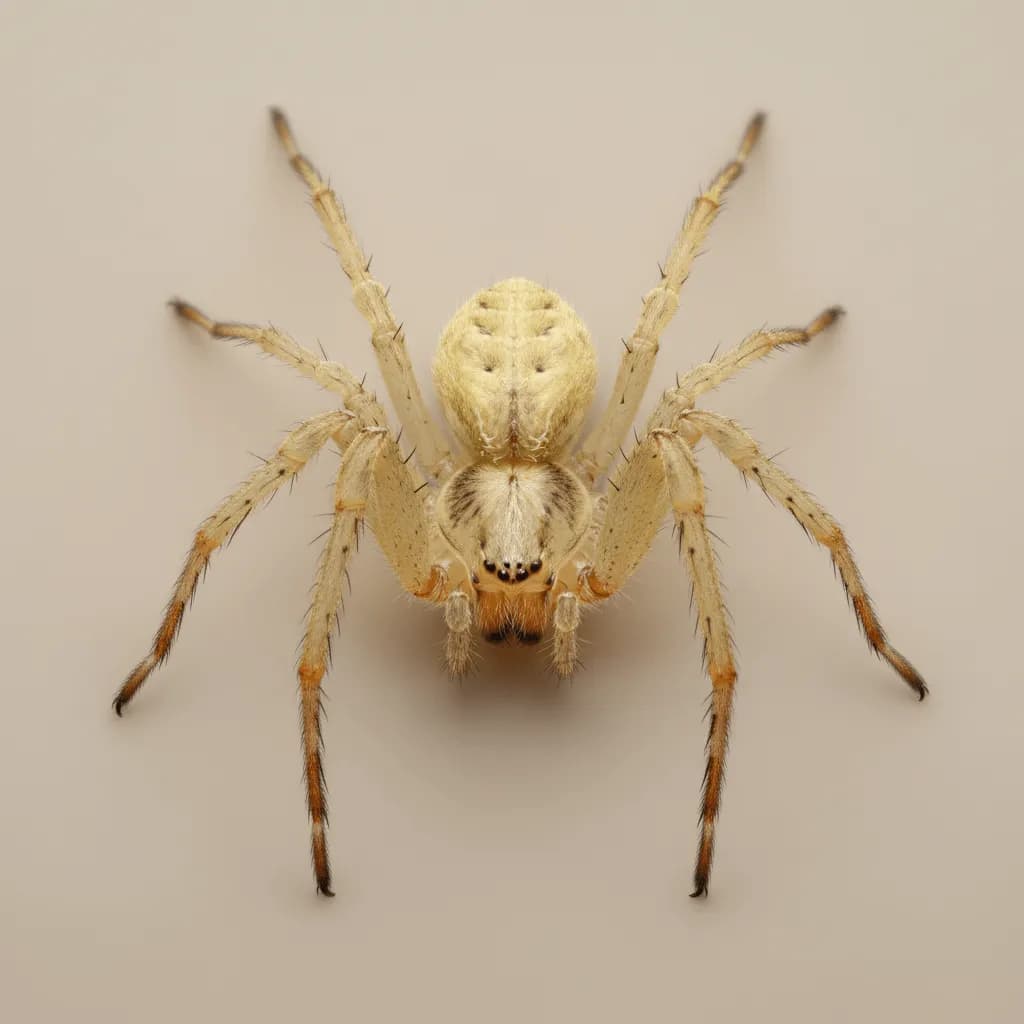
Sac Spiders
2 species
Sac spiders are small to medium-sized pale yellow or green spiders that are among the most frequently encountered biting spiders in the United States.
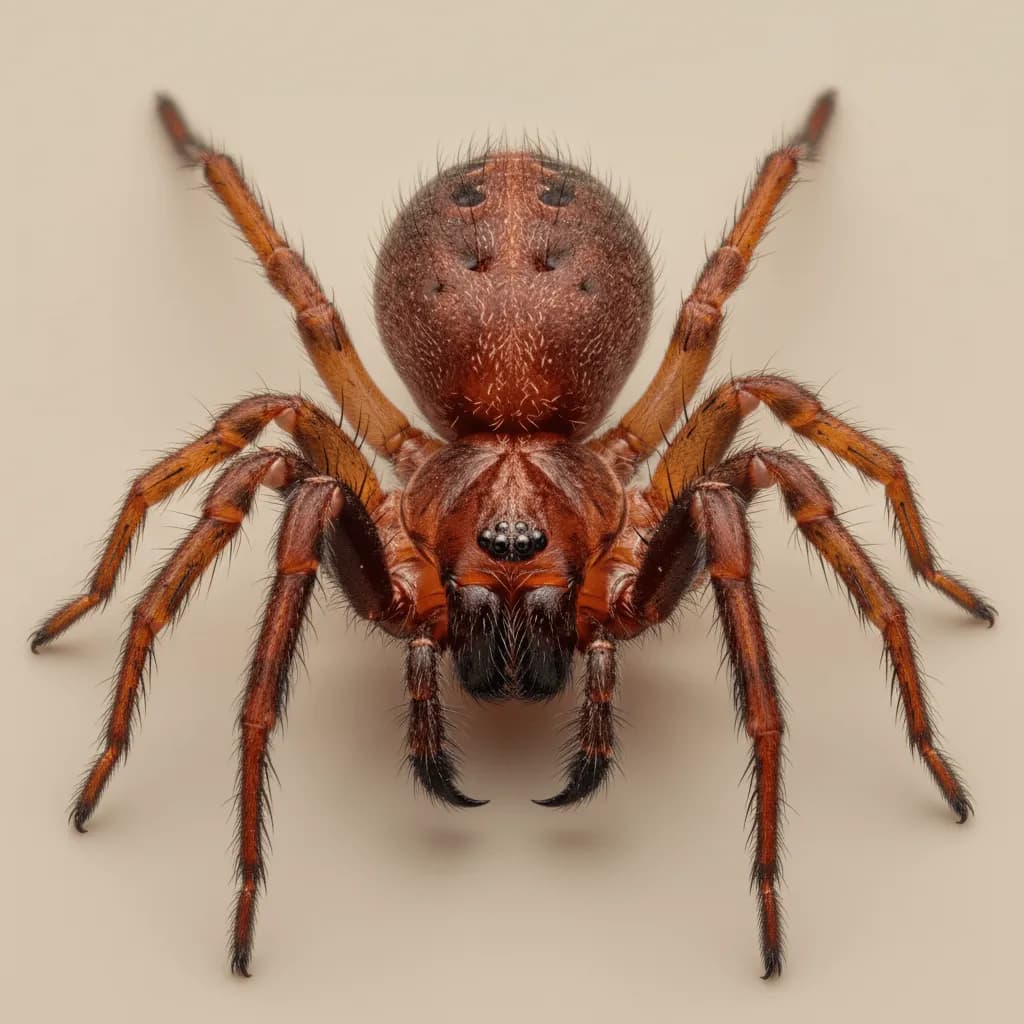
Woodlouse Spiders
1 species
The Woodlouse Spider is a specialist predator of woodlice (pillbugs and sowbugs).
All Spider
Signs of Infestation
- Webs accumulating in corners, window frames, eaves, and seldom-used rooms
- Egg sacs - small, silken pouches attached to webs or hidden in sheltered spots
- Live spiders spotted on walls, ceilings, or in sinks and bathtubs
- An increase in other insects, which serve as the spiders' food source
- Shed exoskeletons in low-traffic areas like attics or crawl spaces
Prevention
Spider prevention works best as part of a broader pest management strategy that reduces indoor insect populations. Decluttering storage areas, sealing cracks around doors and windows, and switching exterior lights to yellow or sodium vapor bulbs (which attract fewer insects) all help. Regular vacuuming of corners, closets, and undisturbed spaces removes webs, egg sacs, and the spiders themselves.
Frequently Asked Questions
Are most house spiders dangerous?
How can I tell a brown recluse from other brown spiders?
Why do I keep finding spiders in my bathtub?
Do spiders lay eggs inside the house?
Will pest control spray get rid of all my spiders?
Need Help With Spider?
If you're seeing signs of spider in or around your home, professional treatment is the fastest way to stop the problem. Lotus Pest Control offers free inspections to identify the issue and recommend the right solution.