
House Spiders
House spiders are a diverse group of cobweb-building spiders that are among the most common spiders found inside homes worldwide. The common house spider builds tangled, three-dimensional webs in corners, under furniture, in basements, and around window frames. They are small to medium-sized spiders with bulbous abdomens and are generally tan to brown with mottled patterning. Multiple species in the family Theridiidae are called house spiders, and they are closely related to widow spiders though they lack medically significant venom.
Species in This Group (3)
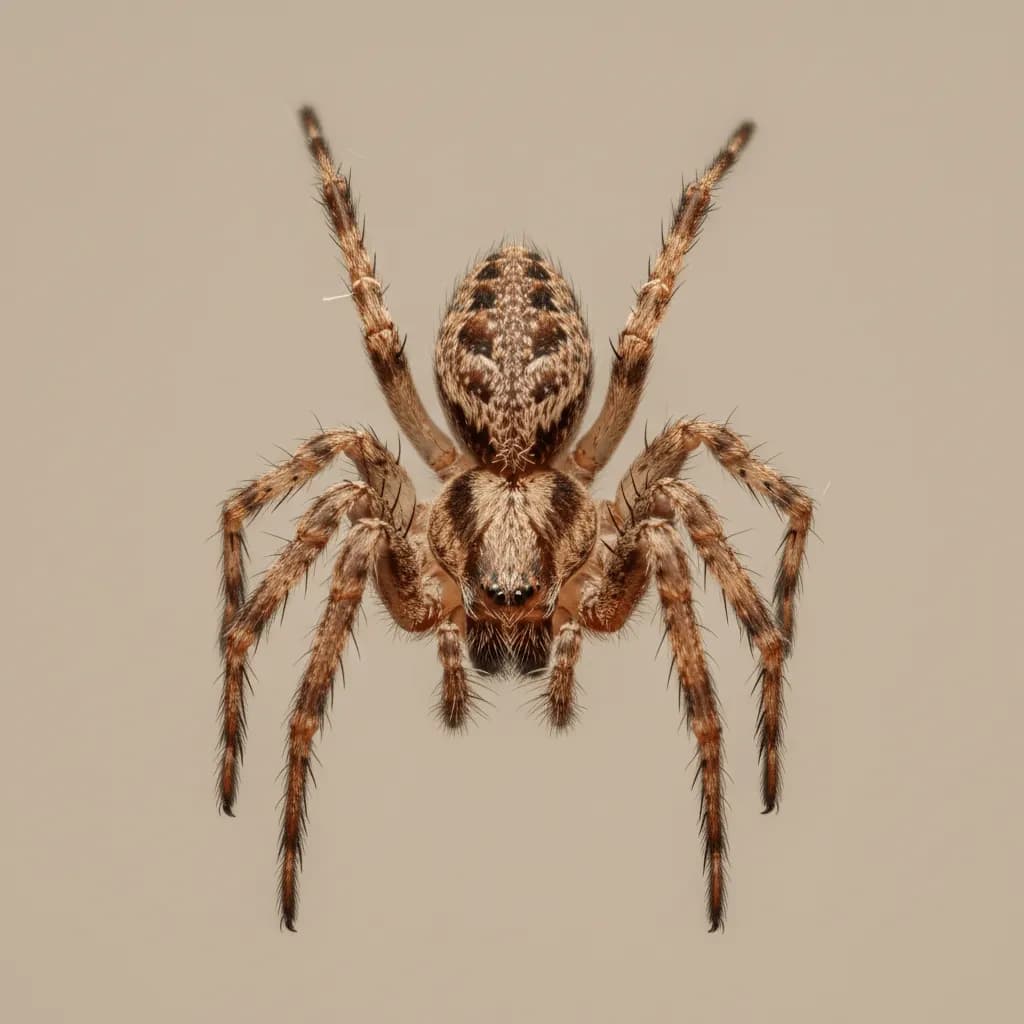
Common House Spider
Parasteatoda tepidariorum
The Common House Spider is responsible for most of the cobwebs found in homes.
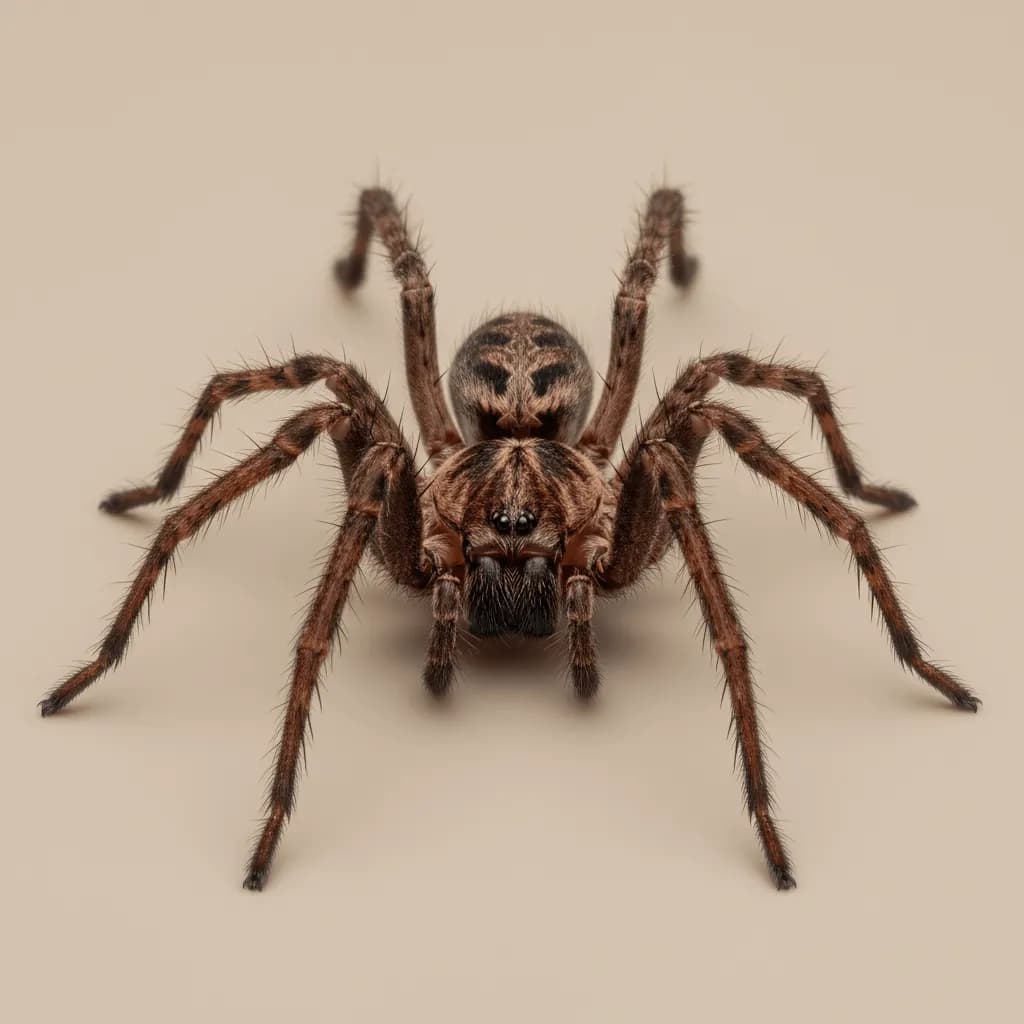
Giant House Spider
Eratigena atrica
The Giant House Spider is one of the largest spiders encountered in homes in the Pacific Northwest.
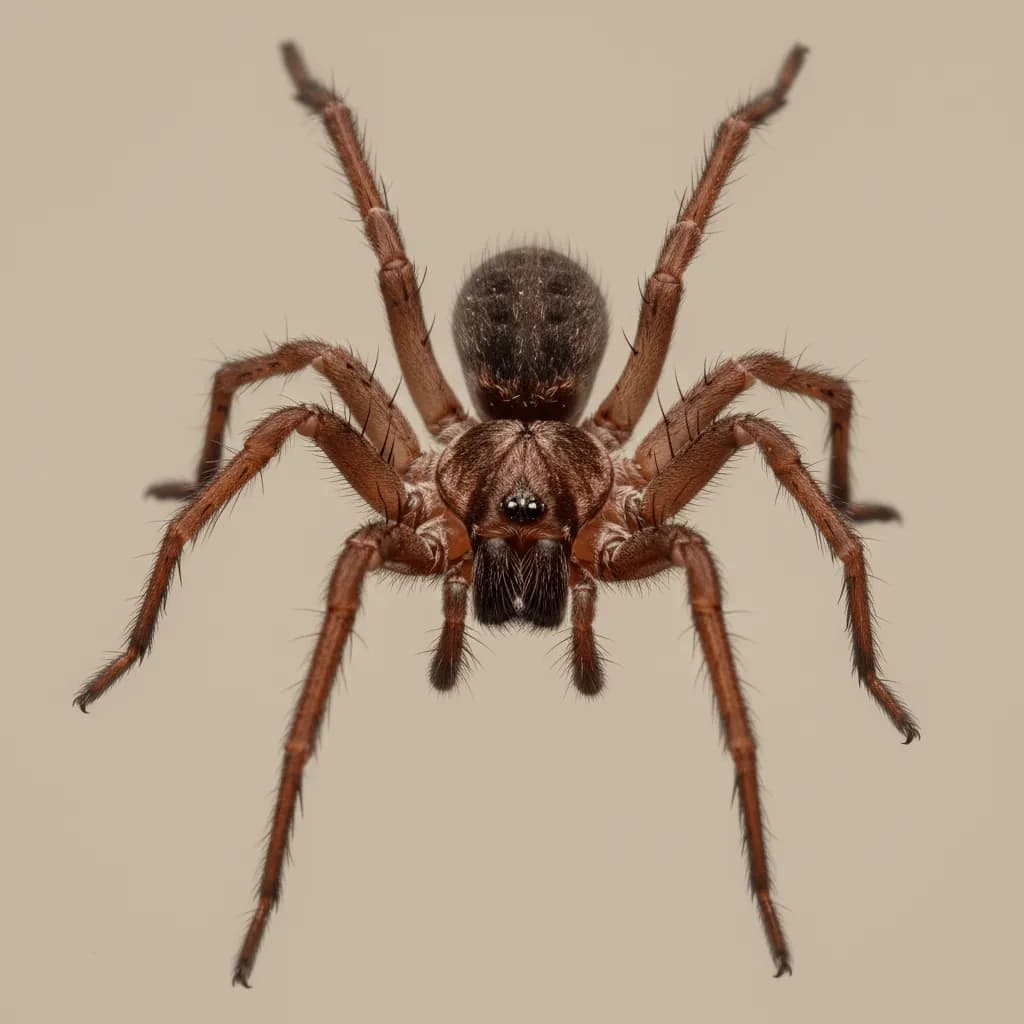
Southern House Spider
Kukulcania hibernalis
The Southern House Spider is one of the most commonly misidentified spiders in the southeastern United States, with males regularly mistaken for brown recluse spiders.
Key Behaviors
House spiders build irregular cobwebs in undisturbed corners, closets, garages, and basements. They are sedentary, rarely leaving their webs. Old webs accumulate dust and debris, creating the classic abandoned cobweb appearance. They feed on small insects trapped in their webs. Males are often seen wandering during mating season, which increases their visibility.
Risks & Concerns
House spiders are harmless to humans and are actually beneficial predators. Their primary impact is aesthetic - accumulating cobwebs in corners, basements, and garages require frequent cleaning and generate homeowner complaints. They do not cause structural damage or transmit disease. Bites are rare and produce only minor, localized reactions.
Quick Comparison
| Species | Size | Color | Key Trait |
|---|---|---|---|
| Common House Spider | 5-8 mm | Tan to brownish-gray with darker mottled patterns | Bulbous abdomen with mottled pattern; builds messy cobwebs in corners and along ceiling edges. |
| Giant House Spider | 12-18 mm (body), leg span up to 75 mm | Brown with darker chevron markings on the abdomen | Very large leg span; funnel-shaped sheet web; common in the Pacific Northwest. |
| Southern House Spider | 13-19 mm (body length); females larger and bulkier than males | Females are dark brown to charcoal gray; males are khaki to amber brown with longer legs | Males are frequently mistaken for brown recluse spiders due to similar size and color, but lack the violin marking; females build distinctive radial crevice webs. |
Need Help With House spiders?
If you're seeing signs of house spiders in or around your home, professional treatment is the fastest way to stop the problem. Lotus Pest Control offers free inspections to identify the issue and recommend the right solution.