
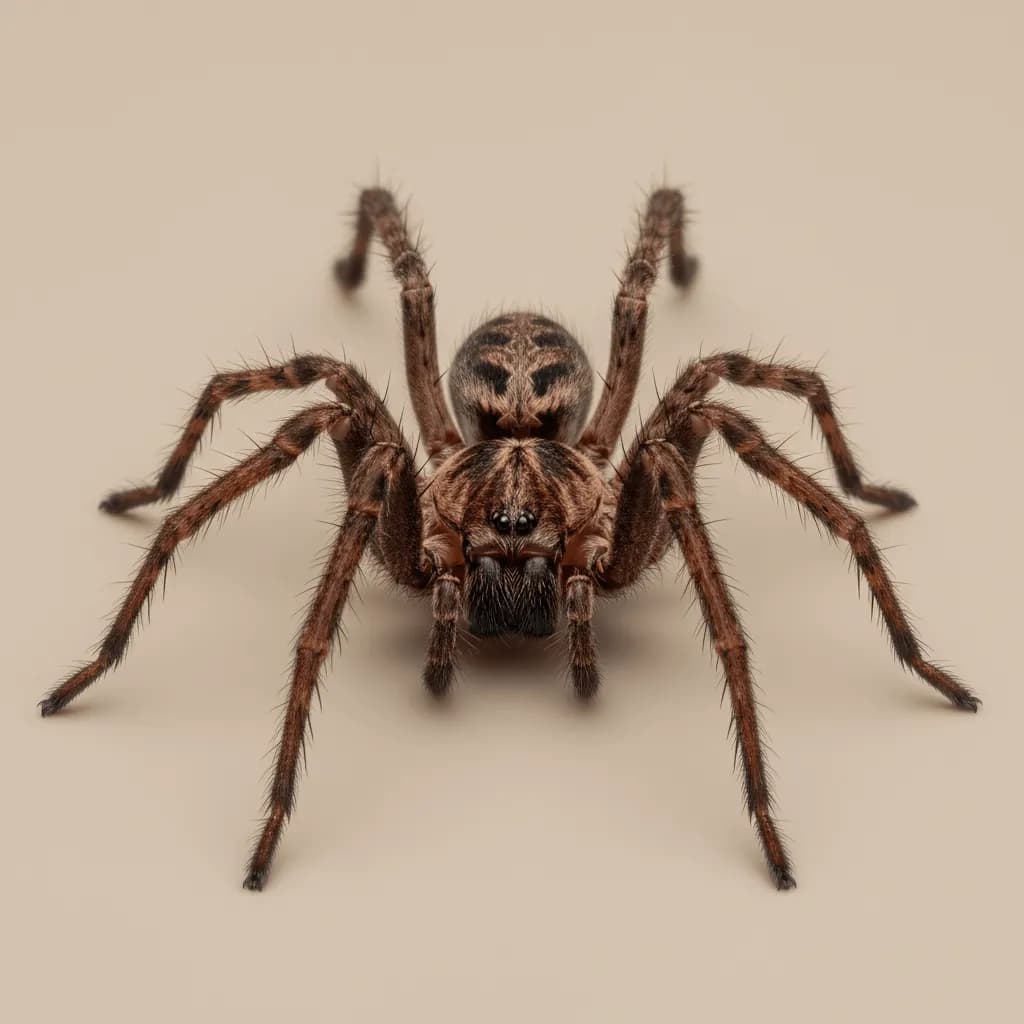
Giant House Spider
Eratigena atrica
The Giant House Spider is one of the largest spiders encountered in homes in the Pacific Northwest. It builds funnel-shaped sheet webs in corners and behind furniture. Despite its intimidating size, it is harmless and actually displaces the potentially more medically relevant hobo spider.
Identification
Size
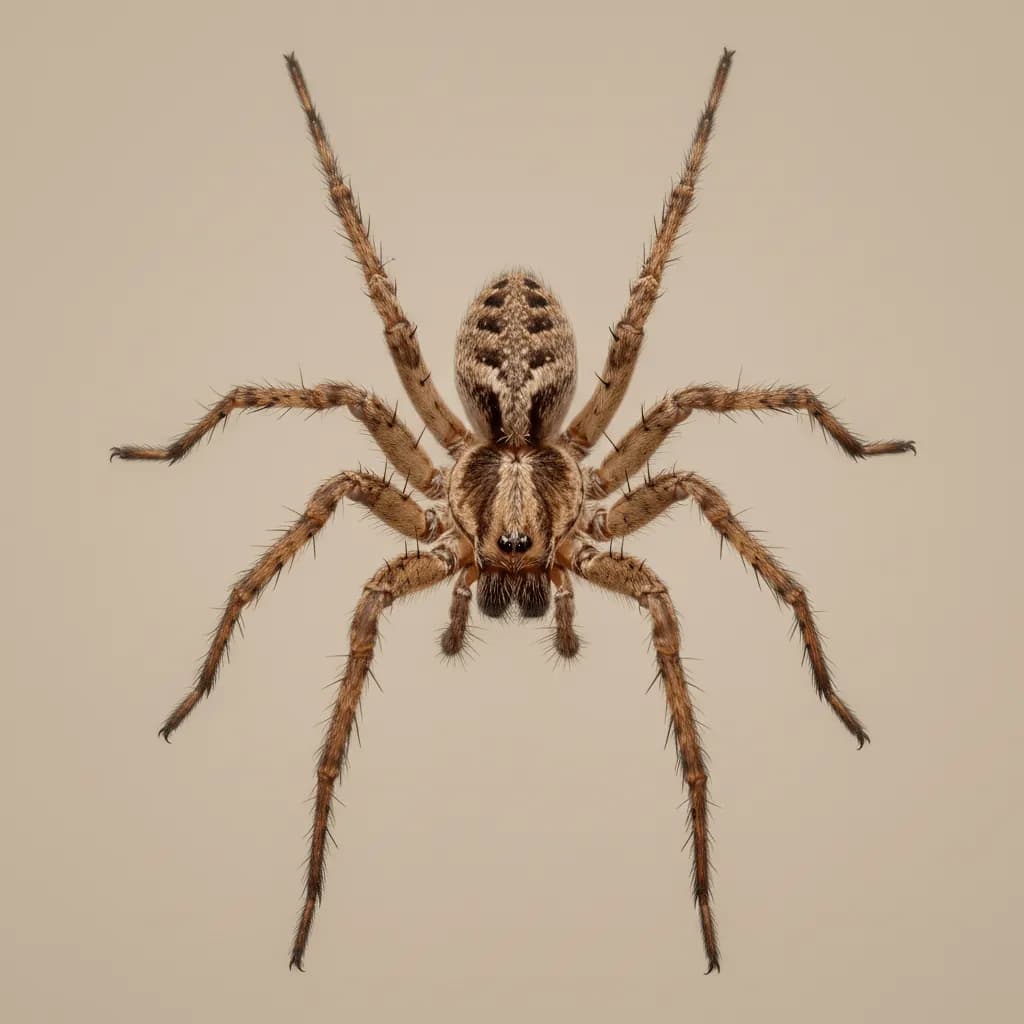
12-18 mm (body), leg span up to 75 mm
Color
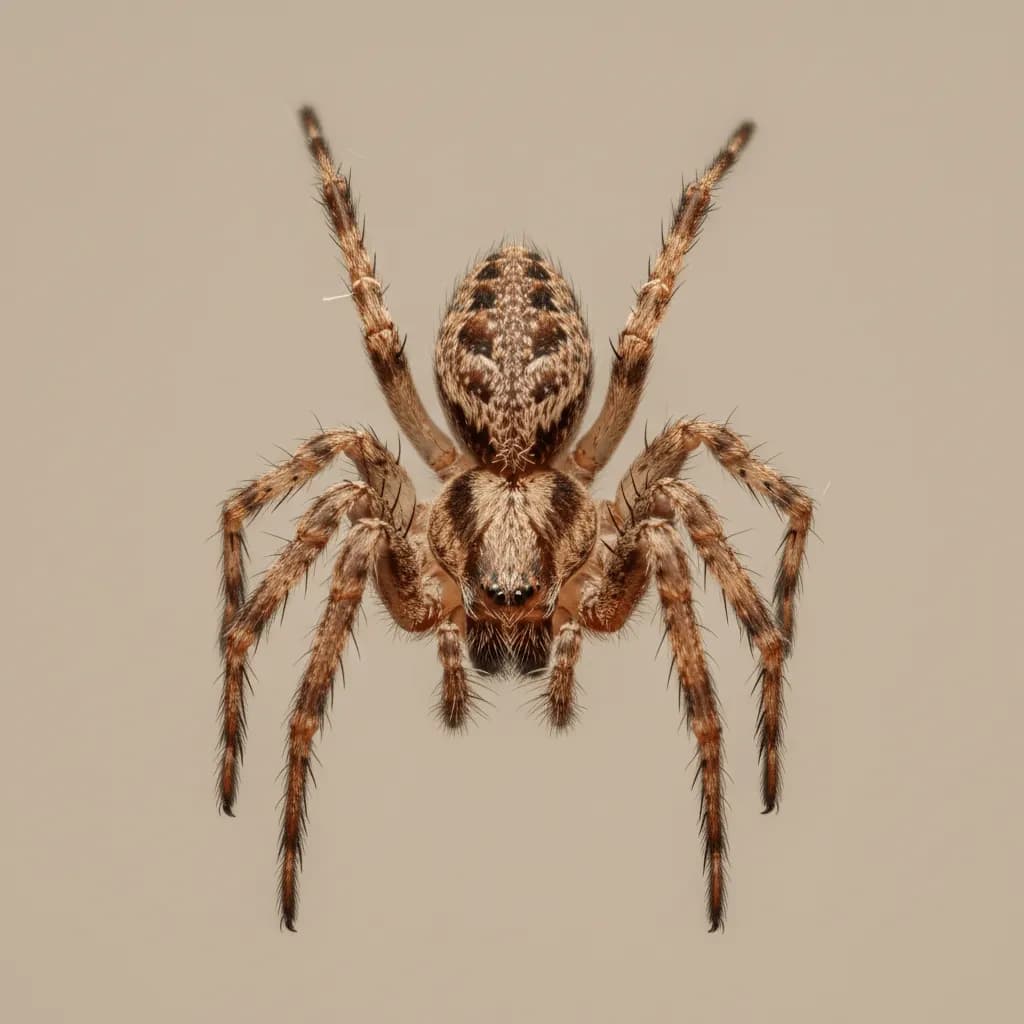
Brown with darker chevron markings on the abdomen
Key Trait
Very large leg span; funnel-shaped sheet web; common in the Pacific Northwest.
Behavior & Habitat
Males wander widely during fall mating season and are often seen running across floors. Females stay near their funnel webs. They are fast runners, among the fastest spider species in the world.
Habitat: Basements, garages, crawl spaces, and dark corners of homes. Outdoors under bark, in wood stacks, and in garden sheds. Most common in the Pacific Northwest.
Diet: Insects and other spiders, including hobo spiders.
Signs of Infestation
- Large brown spiders running across floors in fall
- Funnel-shaped webs in corners and behind furniture
- Sightings concentrated in basements and garages
Risks & Damage
Very large size and speed cause alarm, but the spider is completely harmless.
Prevention Tips
- 1.Seal gaps around basement doors and windows
- 2.Reduce clutter in basements and garages
- 3.Use sticky traps to monitor for wandering males in fall
Why DIY Treatment Often Falls Short
These are solitary spiders, not a colony pest. Spraying is unnecessary and ineffective. Exclusion and clutter reduction are the practical approach.
Professional Treatment
Professional treatment is rarely warranted. If desired, technicians focus on exclusion, exterior perimeter treatments, and interior sticky trap monitoring.
Frequently Asked Questions
Is the giant house spider dangerous?
Why do I see them running across my floor?
Do they compete with hobo spiders?
Need Help With Giant house spider?
If you're seeing signs of giant house spider in or around your home, professional treatment is the fastest way to stop the problem. Lotus Pest Control offers free inspections to identify the issue and recommend the right solution.
At a Glance
- Category
- Spiders
- Scientific Name
- Eratigena atrica
- Size
- 12-18 mm (body), leg span up to 75 mm
- Color
- Brown with darker chevron markings on the abdomen
- Key Trait
- Very large leg span; funnel-shaped sheet web; common in the Pacific Northwest.
- Regions
- Pacific Northwest
- Threat Level
- Very Low
- Risk Types
- nuisance
- Seasonal Activity
- MarAprMayJunJulAugSepOctNovDecJanFebnonelowmoderatehighpeak