
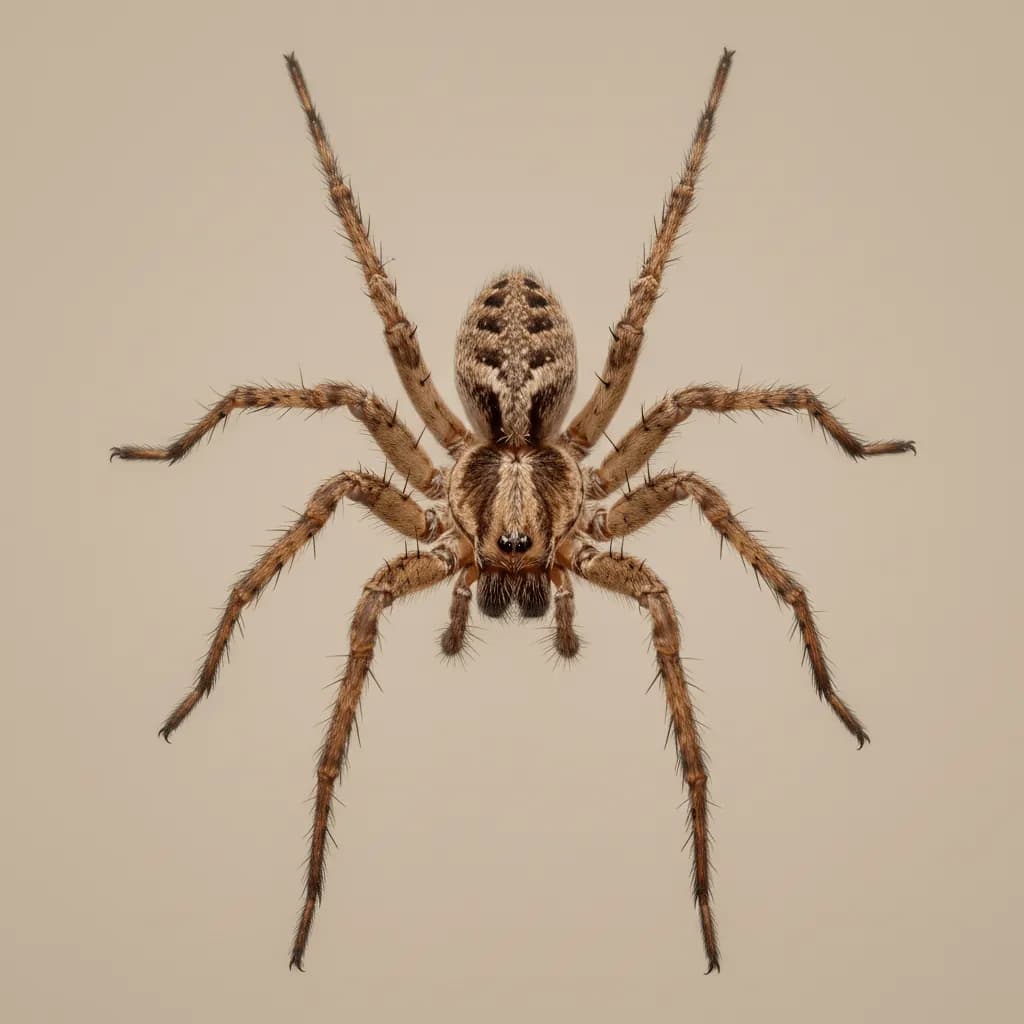
Hobo Spider
Eratigena agrestis
Also known as: Aggressive House Spider
The Hobo Spider is a European species established in the Pacific Northwest. It was once considered medically significant, but recent research has largely debunked claims that its bite causes necrotic lesions. It builds funnel-shaped webs at ground level and is commonly found in basements and window wells.
Identification
Size
10-14 mm
Color
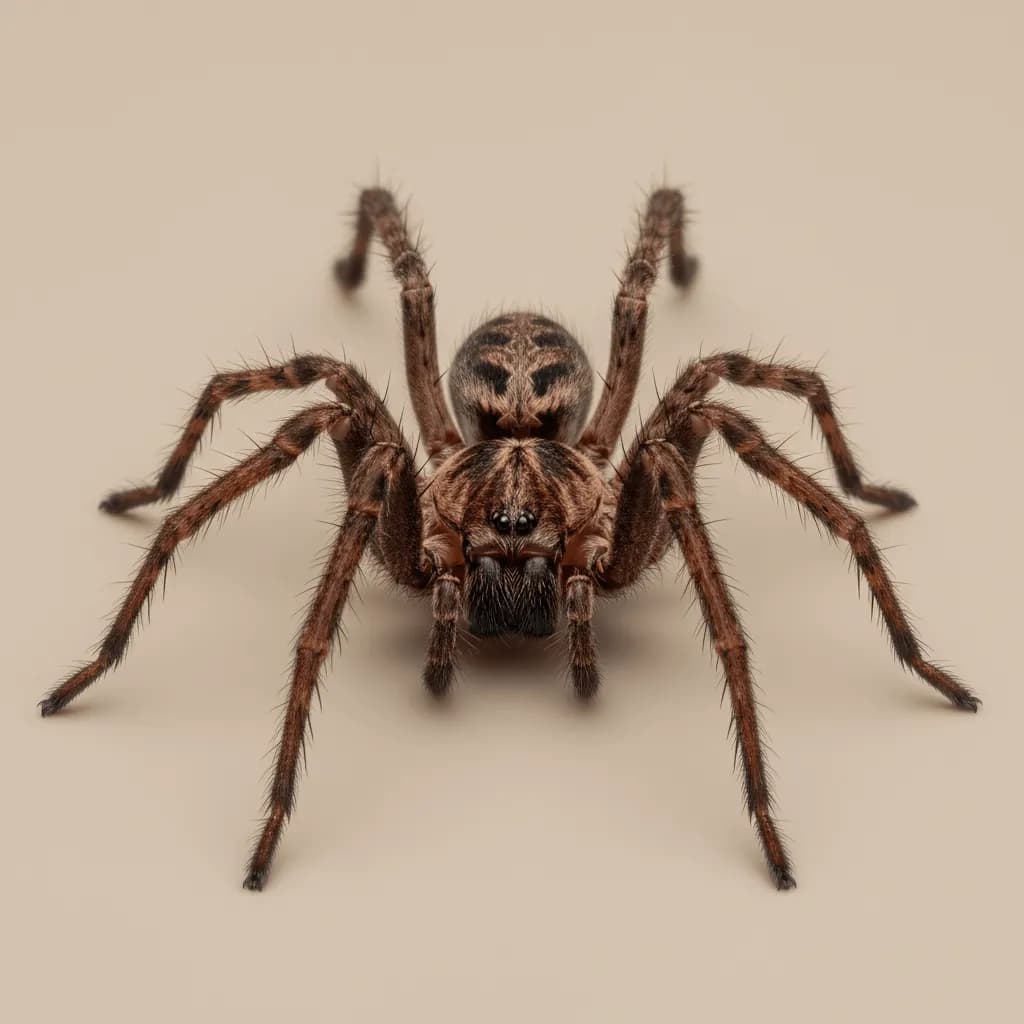
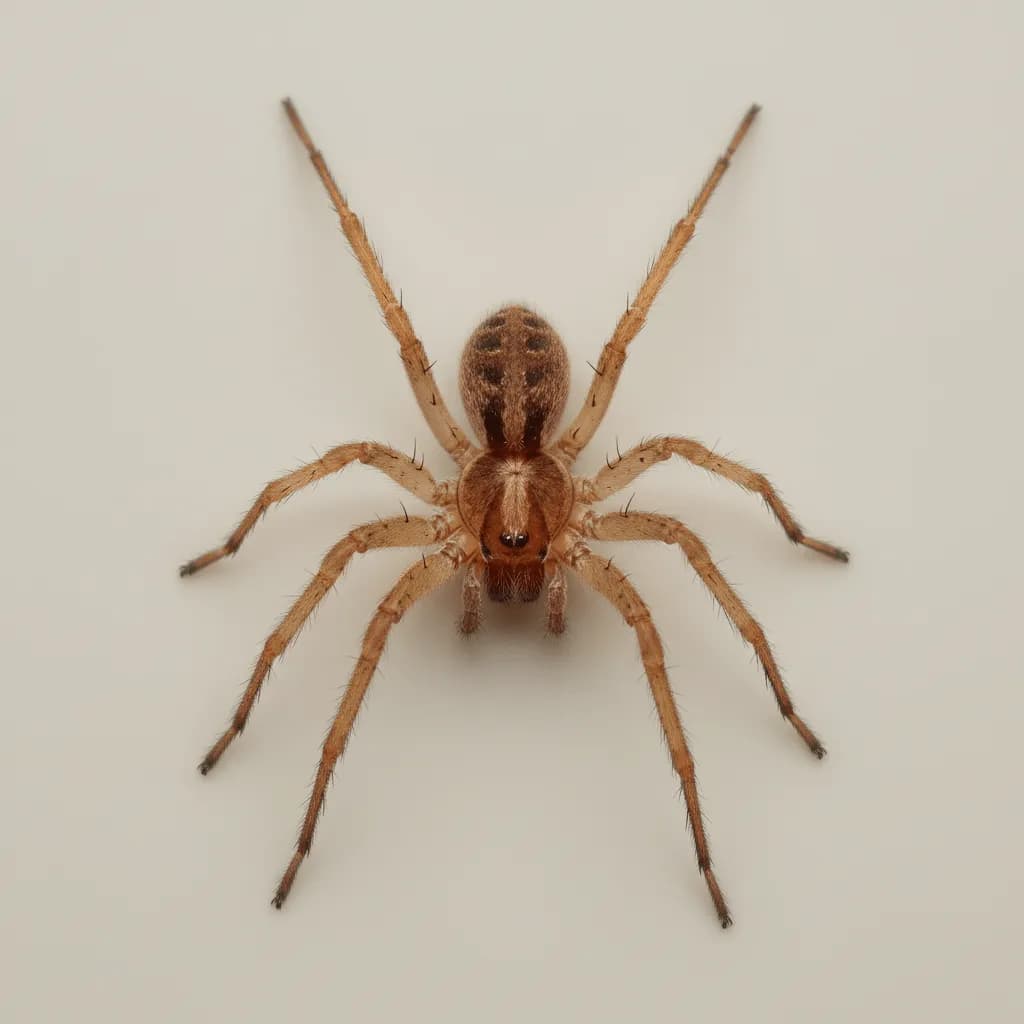
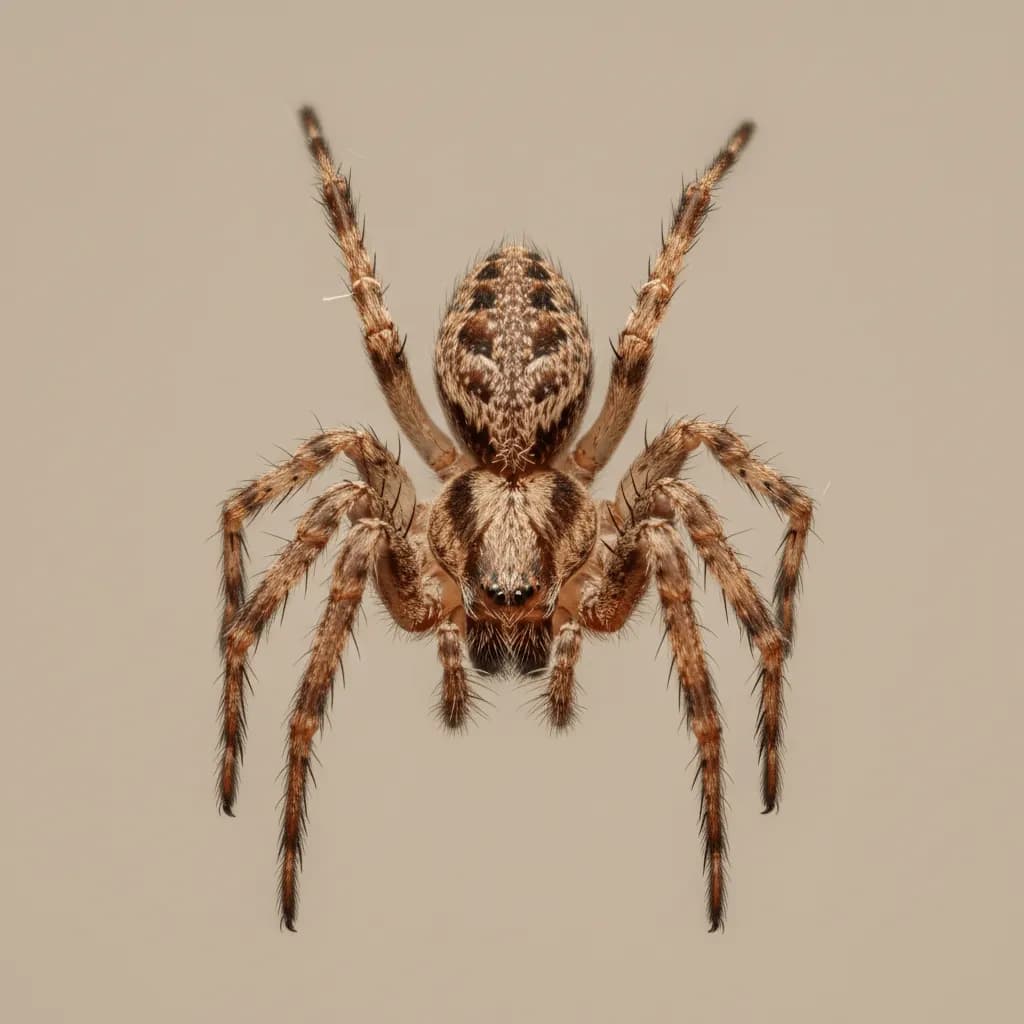
Brown with lighter chevron patterns on the abdomen
Key Trait
Funnel-shaped web; difficult to distinguish from other brown spiders without expert identification; found primarily in the Pacific Northwest.
Behavior & Habitat
Males wander in late summer and fall during mating season and are the most commonly encountered sex. Builds funnel webs at ground level. Not aggressive despite the alternate common name - this name refers to its aggressiveness toward other spiders.
Habitat: Ground-level crevices, window wells, basements, under concrete, and in rock retaining walls. Most common in the Pacific Northwest.
Diet: Insects and other arthropods that wander into funnel webs.
Signs of Infestation
- Funnel-shaped webs at ground level in basements and window wells
- Brown spiders wandering across floors in fall
Risks & Damage
Wandering males in fall cause concern; bite effects are generally mild and localized.
Prevention Tips
- 1.Seal gaps around basement windows and doors
- 2.Install window well covers
- 3.Remove ground-level debris near the foundation
- 4.Use sticky traps along basement walls
Why DIY Treatment Often Falls Short
Hobo spiders are wandering males seeking mates, not a colony pest. Indoor sprays do not prevent new spiders from entering during mating season. Exclusion is more effective.
Professional Treatment
Professionals focus on sealing entry points, applying perimeter treatments, and placing monitoring traps. Education about the spider's low medical risk is an important part of service.
Frequently Asked Questions
Are hobo spider bites dangerous?
How do I identify a hobo spider?
Why are they called aggressive house spiders?
Need Help With Hobo spider?
If you're seeing signs of hobo spider in or around your home, professional treatment is the fastest way to stop the problem. Lotus Pest Control offers free inspections to identify the issue and recommend the right solution.
At a Glance
- Category
- Spiders
- Scientific Name
- Eratigena agrestis
- Size
- 10-14 mm
- Color
- Brown with lighter chevron patterns on the abdomen
- Key Trait
- Funnel-shaped web; difficult to distinguish from other brown spiders without expert identification; found primarily in the Pacific Northwest.
- Regions
- Pacific Northwest
- Threat Level
- Low
- Risk Types
- nuisance
- Seasonal Activity
- MarAprMayJunJulAugSepOctNovDecJanFebnonelowmoderatehighpeak