
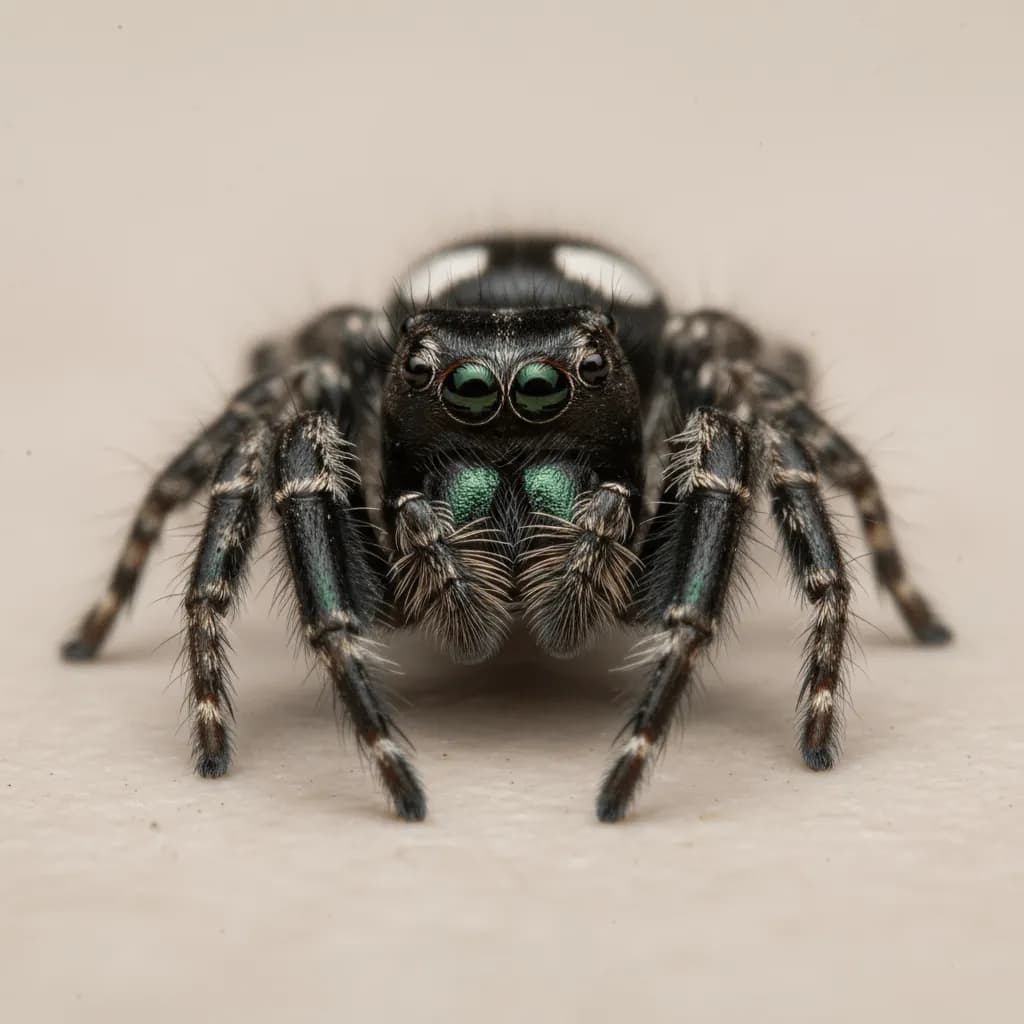
Bold Jumping Spider
Phidippus audax
Also known as: Daring Jumping Spider
The Bold Jumping Spider is a charismatic, active hunter recognized by its large forward-facing eyes and distinctive jumping behavior. It stalks and pounces on prey rather than building webs. Often found on exterior walls, fences, and window sills, it is harmless and beneficial.
Identification
Size
8-15 mm
Color
Black with white or orange spots and iridescent blue-green chelicerae (fangs)
Key Trait
Compact body with large forward-facing eyes; jumps to pounce on prey; iridescent blue-green mouthparts.
Behavior & Habitat
Active during the day, hunting by sight with their exceptional vision. Capable of jumping many times their body length to capture prey. Curious and may turn to face humans who approach. Retreats into silken shelters at night.
Habitat: Exterior walls, fences, garden plants, and window sills. Occasionally enters homes but does not thrive indoors.
Diet: Flies, mosquitoes, small moths, and other insects hunted by sight.
Signs of Infestation
- Small black spiders with white spots jumping on exterior walls
- Spiders observed stalking flies on window screens
Risks & Damage
Occasionally startles people by jumping but is completely harmless and beneficial.
Prevention Tips
- 1.Seal gaps around windows to prevent indoor entry
- 2.No treatment is typically needed - they are beneficial
Why DIY Treatment Often Falls Short
Treatment is unnecessary for jumping spiders. They are beneficial pest predators and their presence indicates a healthy ecosystem around the home.
Professional Treatment
Professional treatment is not recommended for jumping spiders. If large numbers are present, the focus should be on reducing the prey insect population they are hunting.
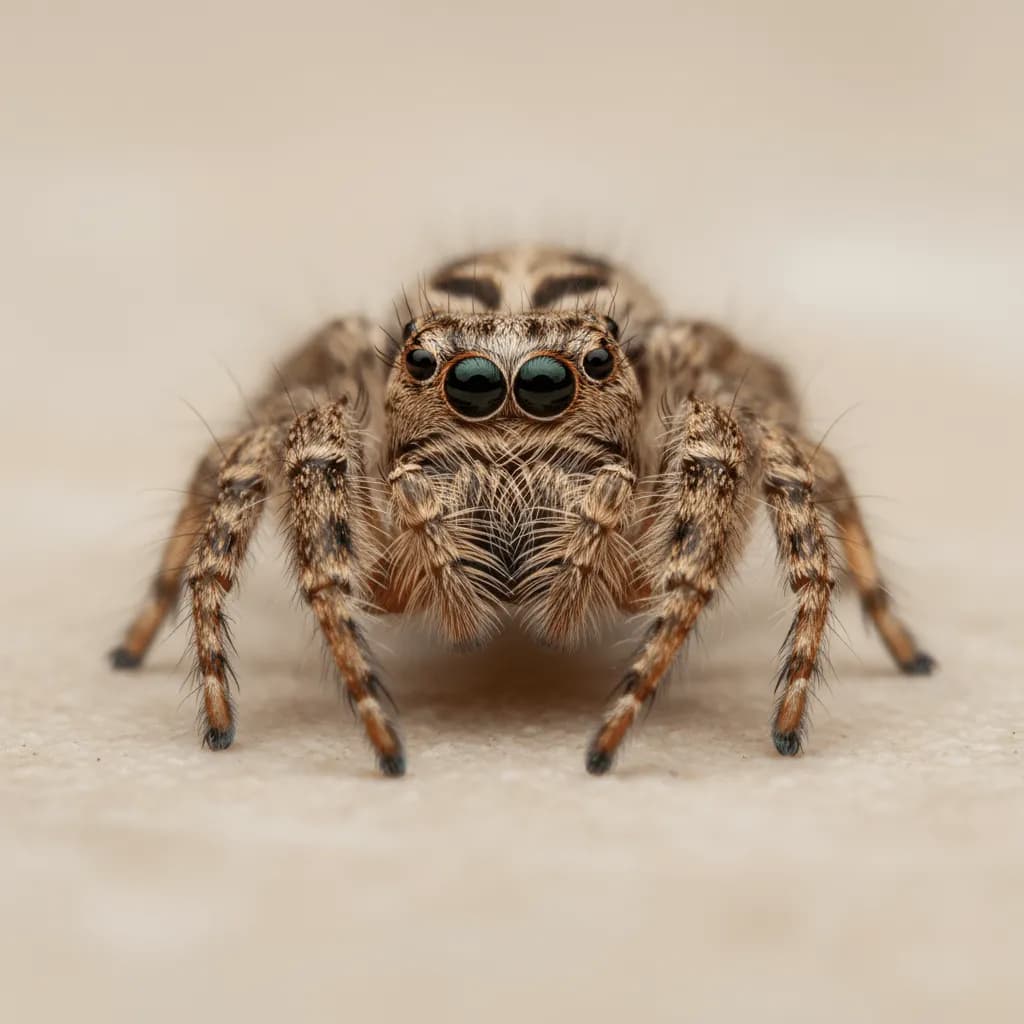
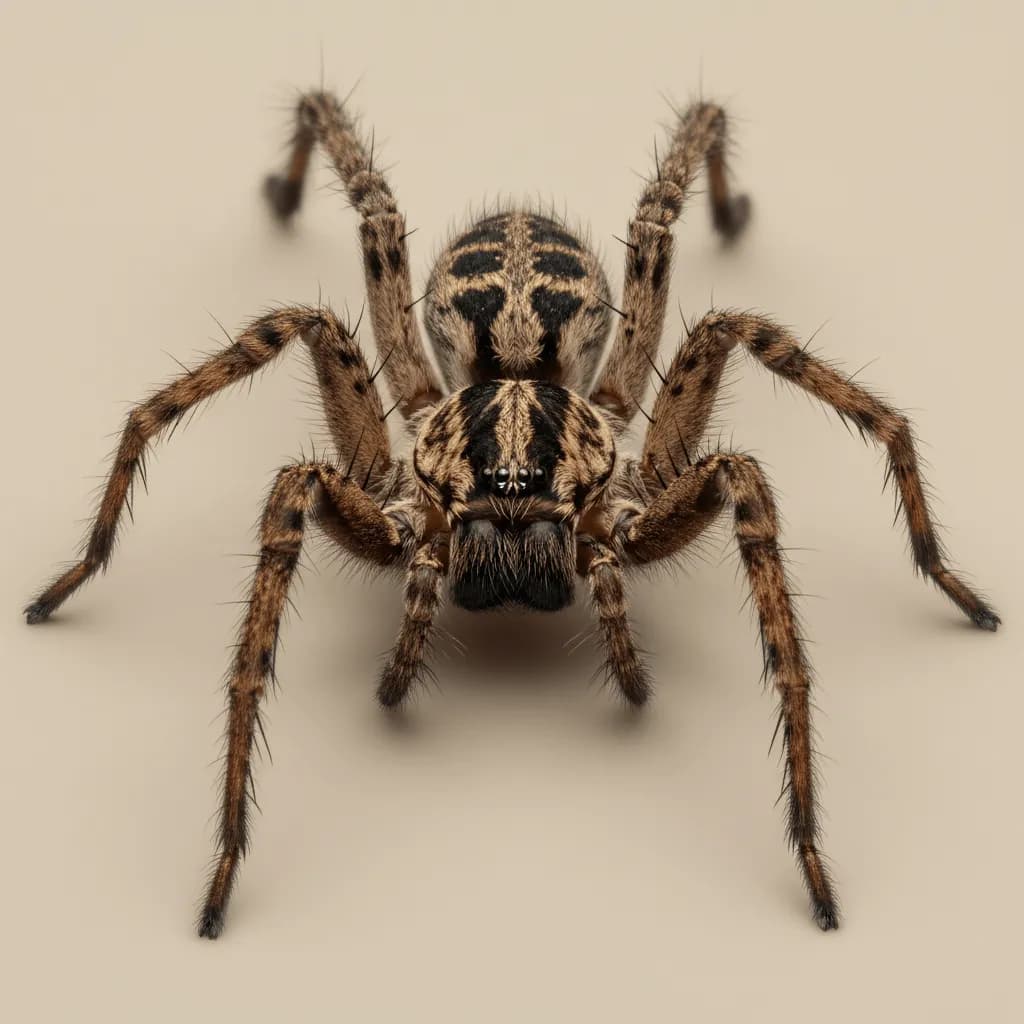
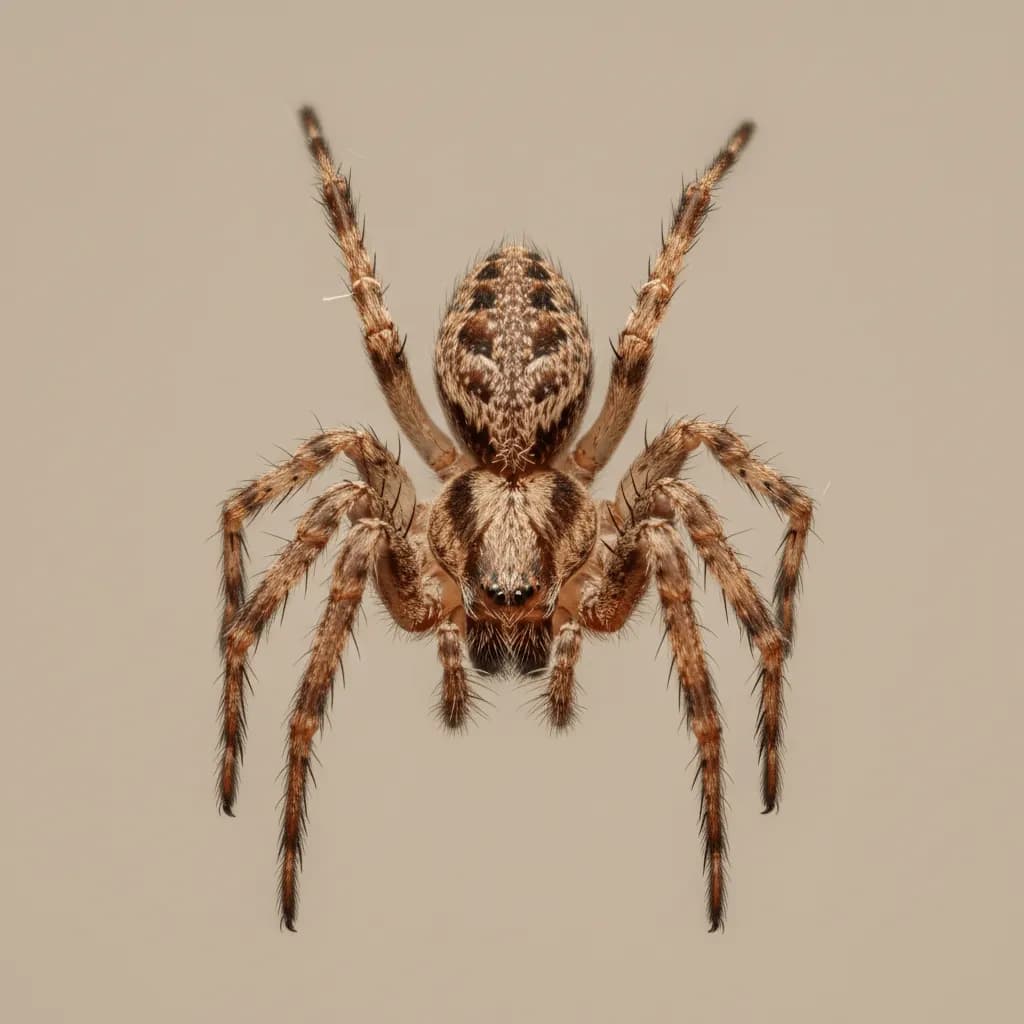
Frequently Asked Questions
Are jumping spiders dangerous?
Why do jumping spiders seem to look at me?
Do jumping spiders bite?
Need Help With Bold jumping spider?
If you're seeing signs of bold jumping spider in or around your home, professional treatment is the fastest way to stop the problem. Lotus Pest Control offers free inspections to identify the issue and recommend the right solution.
At a Glance
- Category
- Spiders
- Scientific Name
- Phidippus audax
- Size
- 8-15 mm
- Color
- Black with white or orange spots and iridescent blue-green chelicerae (fangs)
- Key Trait
- Compact body with large forward-facing eyes; jumps to pounce on prey; iridescent blue-green mouthparts.
- Regions
- Northeast, Southeast, Midwest, South Central
- Threat Level
- Very Low
- Risk Types
- nuisance
- Seasonal Activity
- MarAprMayJunJulAugSepOctNovDecJanFebnonelowmoderatehighpeak