
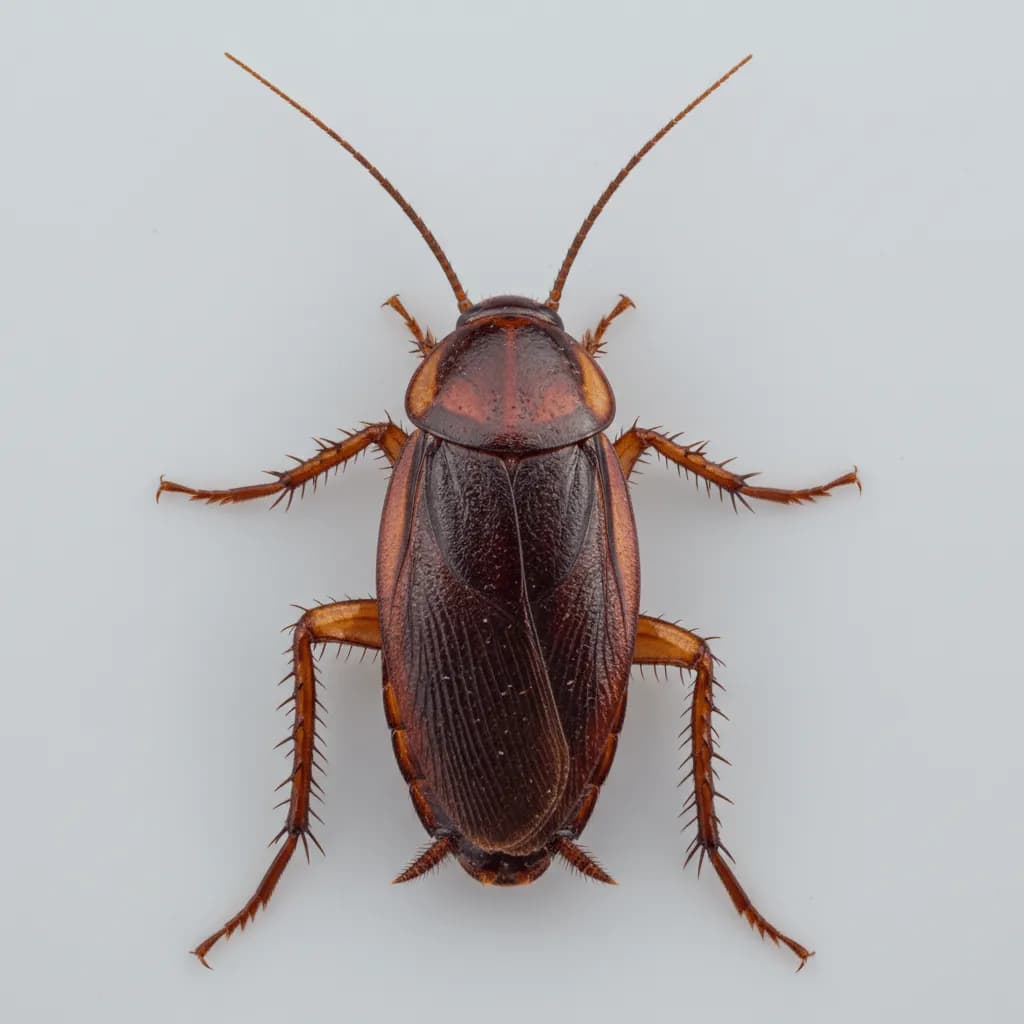
Oriental Cockroach
Blatta orientalis
Also known as: Water Bug, Black Beetle
The Oriental Cockroach is a dark, sluggish species associated with damp, cool environments. It has a strong musty odor and is frequently found in basements, crawl spaces, and around floor drains. Females are nearly wingless and males have shortened wings that cover about three-quarters of the abdomen, but neither sex flies.
Identification
Size
25-30 mm
Color
Shiny dark brown to black
Key Trait
Glossy black appearance; strong musty odor; females have vestigial wings and cannot fly.
Behavior & Habitat
Slower and less wary than other cockroach species. Prefers cool, damp locations and is often found outdoors under mulch, stones, and leaf litter during warm months. Moves indoors through foundation cracks and door thresholds as temperatures drop.
Habitat: Basements, crawl spaces, floor drains, damp garages, and around water heaters. Outdoors in mulch beds, under stepping stones, and in meter boxes. Thrives in cool, moist conditions that other cockroach species avoid.
Diet: Decaying organic matter, garbage, sewage, and starchy foods.
Signs of Infestation
- Shiny dark roaches near floor drains and in basements
- Strong musty odor in damp areas of the home
- Egg capsules (dark, purse-shaped) dropped in basements or crawl spaces
- Roaches found under mulch or landscape stones along the foundation
Risks & Damage
Feeds on garbage and sewage, mechanically spreading bacteria and pathogens to indoor surfaces.
The strong musty odor and alarming appearance cause significant homeowner distress.
Prevention Tips
- 1.Eliminate moisture in basements with dehumidifiers and sump pumps
- 2.Seal cracks and gaps in the foundation and around door thresholds
- 3.Remove leaf litter and organic debris from the foundation perimeter
- 4.Screen floor drains and utility penetrations
- 5.Store firewood away from the home on elevated racks
Why DIY Treatment Often Falls Short
Oriental cockroaches hide in damp, hard-to-reach areas like drain pipes and crawl space debris. Store-bought sprays do not penetrate these harborages, and the moisture conditions that attract them must be corrected for lasting control.
Professional Treatment
Professionals apply residual treatments to damp harborage areas, place bait stations near drains and in crawl spaces, and treat exterior perimeters with granular or liquid barriers. Moisture remediation recommendations are an essential part of the service.
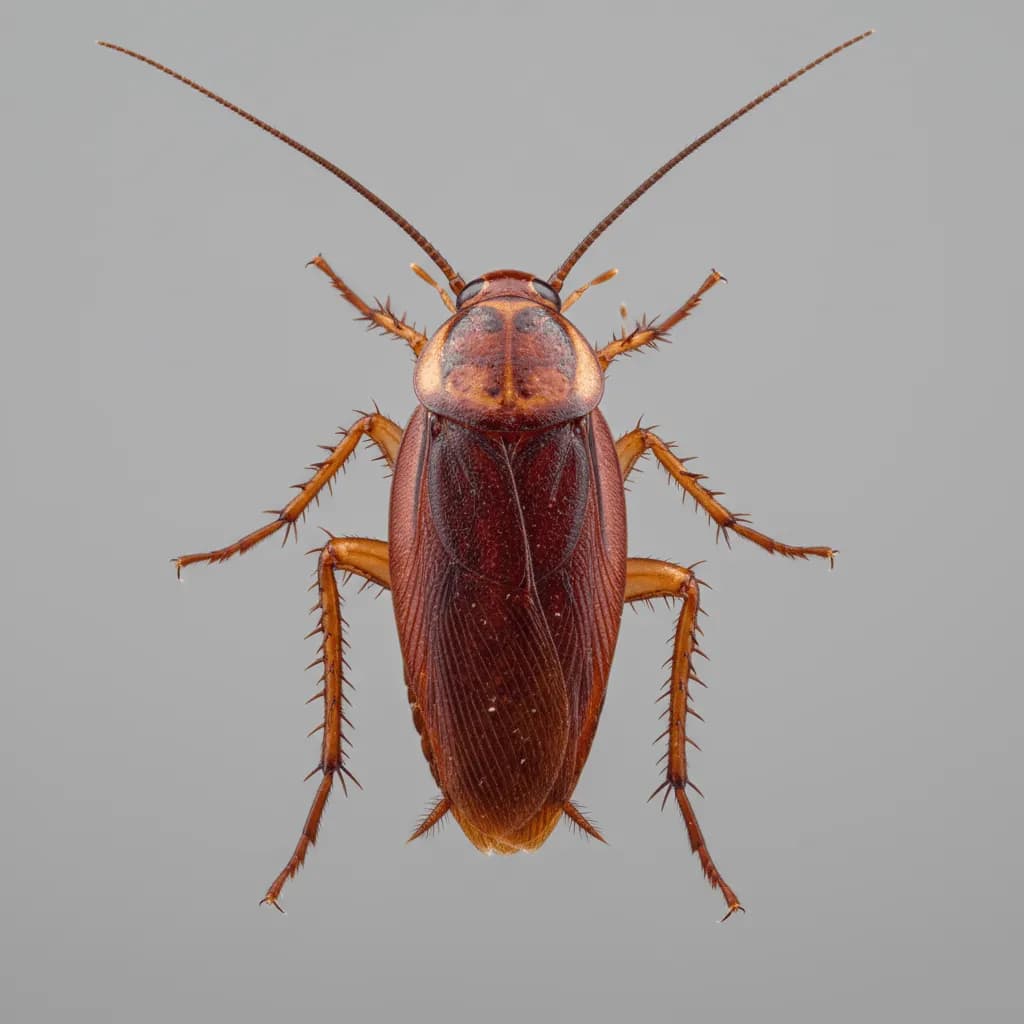
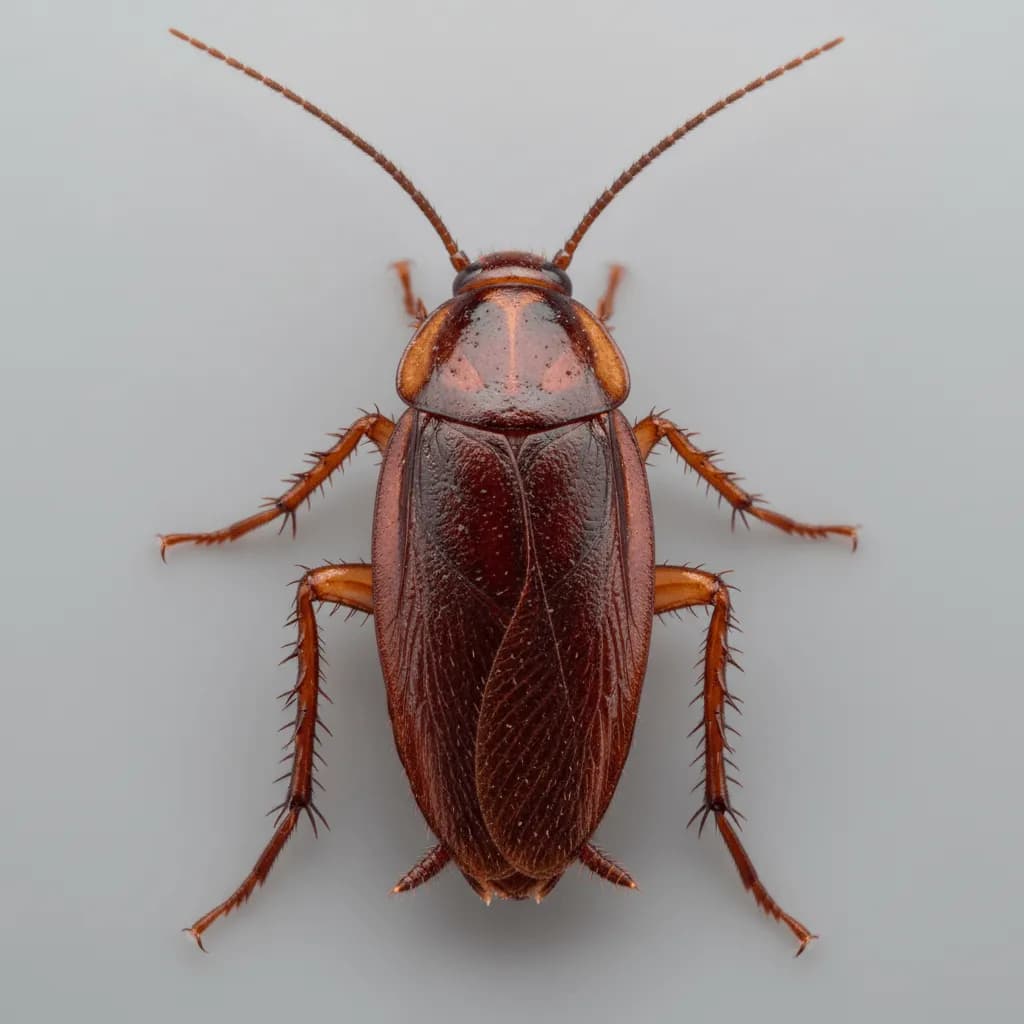
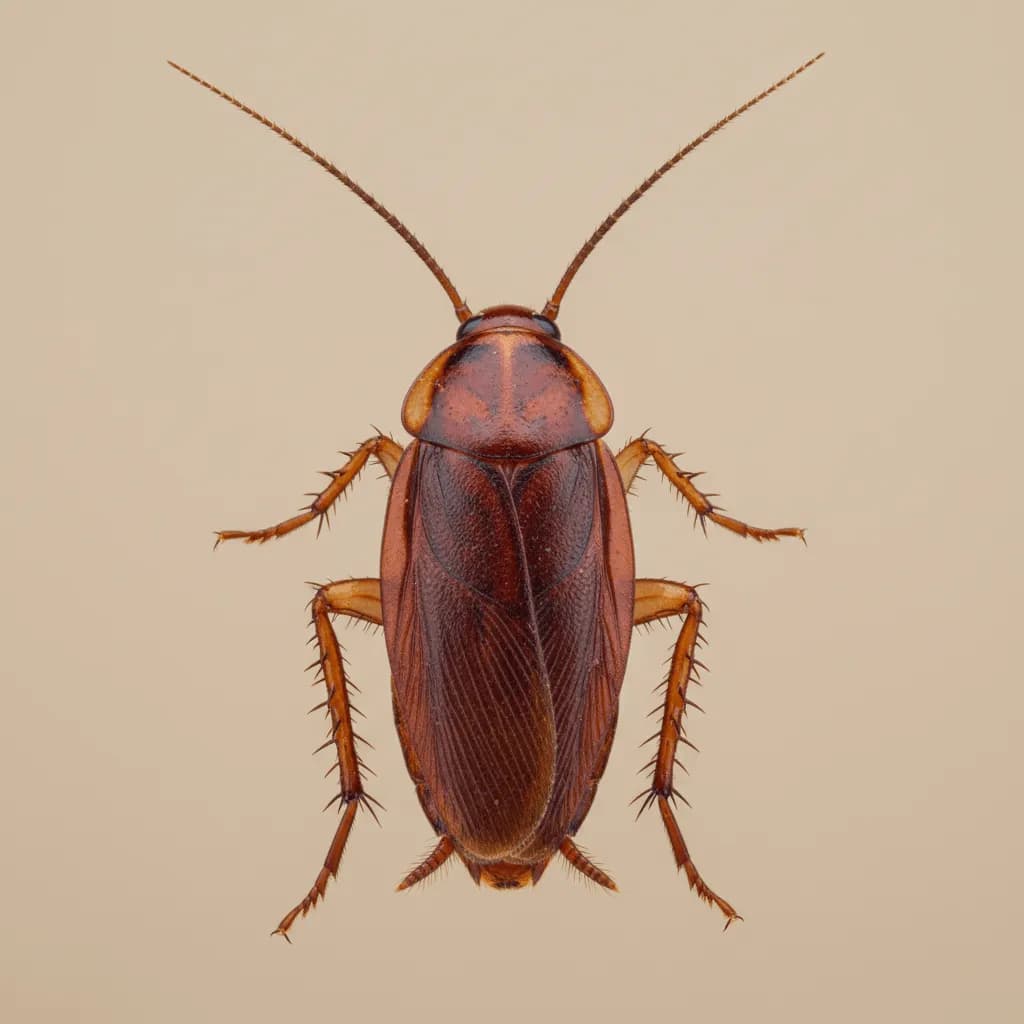
Related Pests
Frequently Asked Questions
Why do Oriental cockroaches smell so bad?
Can Oriental cockroaches climb smooth surfaces?
Are Oriental cockroaches seasonal?
Need Help With Oriental cockroach?
If you're seeing signs of oriental cockroach in or around your home, professional treatment is the fastest way to stop the problem. Lotus Pest Control offers free inspections to identify the issue and recommend the right solution.
At a Glance
- Category
- Cockroaches
- Scientific Name
- Blatta orientalis
- Size
- 25-30 mm
- Color
- Shiny dark brown to black
- Key Trait
- Glossy black appearance; strong musty odor; females have vestigial wings and cannot fly.
- Regions
- Northeast, Midwest, Mid Atlantic, Pacific Northwest
- Threat Level
- Moderate
- Risk Types
- healthnuisance
- Seasonal Activity
- MarAprMayJunJulAugSepOctNovDecJanFebnonelowmoderatehighpeak