
Cockroach
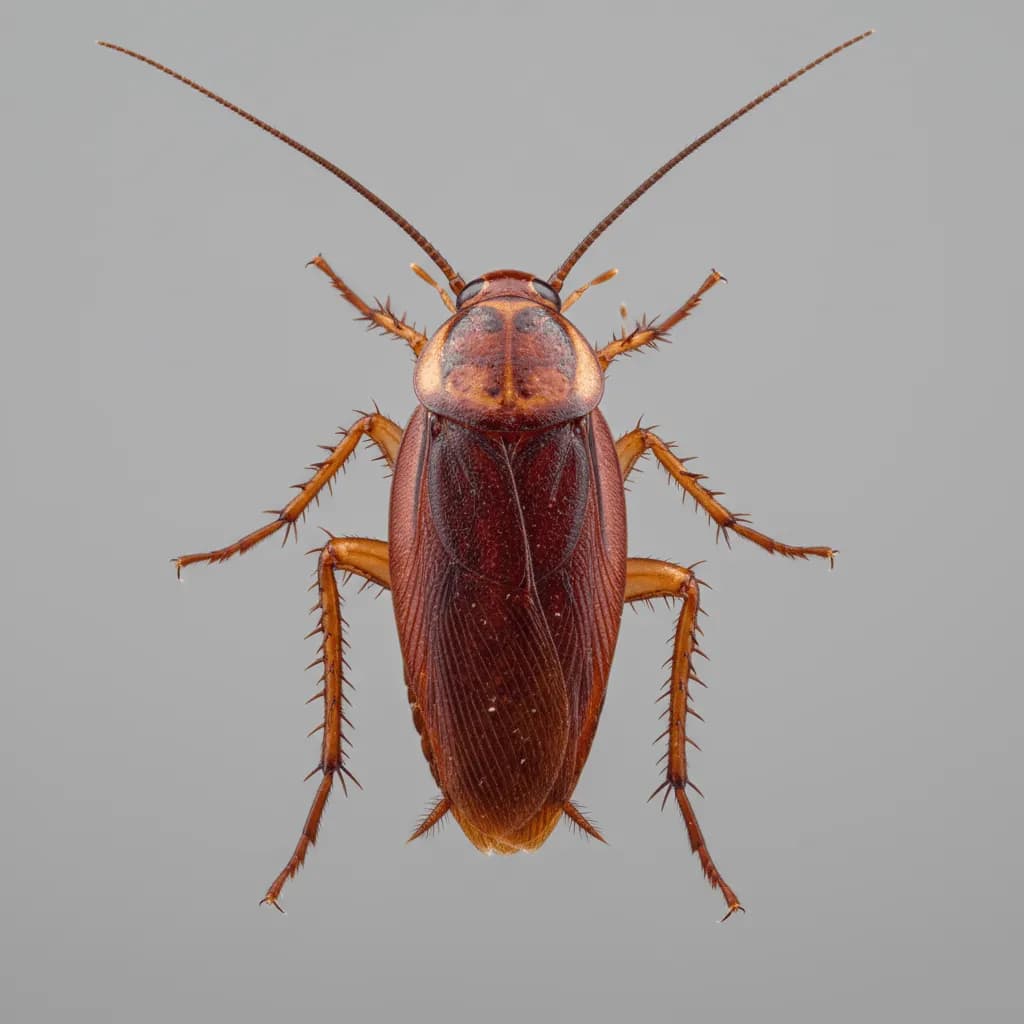
Cockroaches are one of the oldest and most resilient insect groups on the planet, with fossils dating back over 300 million years. In the United States, the most common household species include the German cockroach, American cockroach, and Oriental cockroach. They thrive in warm, humid environments and are primarily nocturnal, meaning a daytime sighting often indicates a significant population. Cockroaches reproduce rapidly - a single German cockroach and her offspring can theoretically produce hundreds of thousands of descendants in a year. Their presence is strongly associated with allergen buildup, asthma triggers, and the spread of pathogens.
Species Covered
12
Species Groups
11
Common Traits
Cockroaches are nocturnal scavengers with flattened, oval bodies that allow them to squeeze through remarkably narrow gaps. They are omnivorous and opportunistic, feeding on virtually anything organic - from crumbs and grease to book bindings and wallpaper paste. All common household species prefer warm, moist, dark harborage areas close to food and water.
Species in This Category
German Cockroaches
1 species
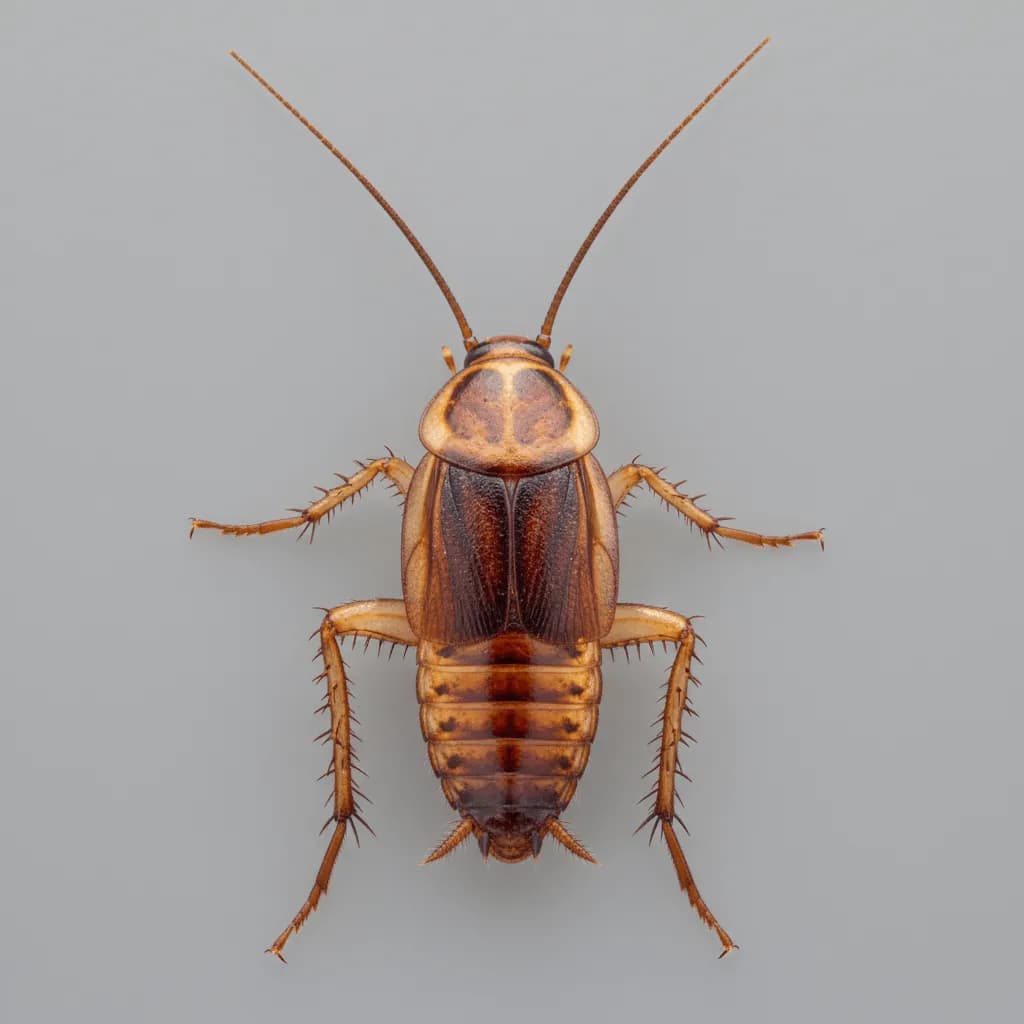
German cockroaches are the most common and economically significant cockroach pest worldwide.
American Cockroaches
1 species
American cockroaches are the largest common cockroach species in the United States, measuring up to 2 inches in length.
Oriental Cockroaches
1 species
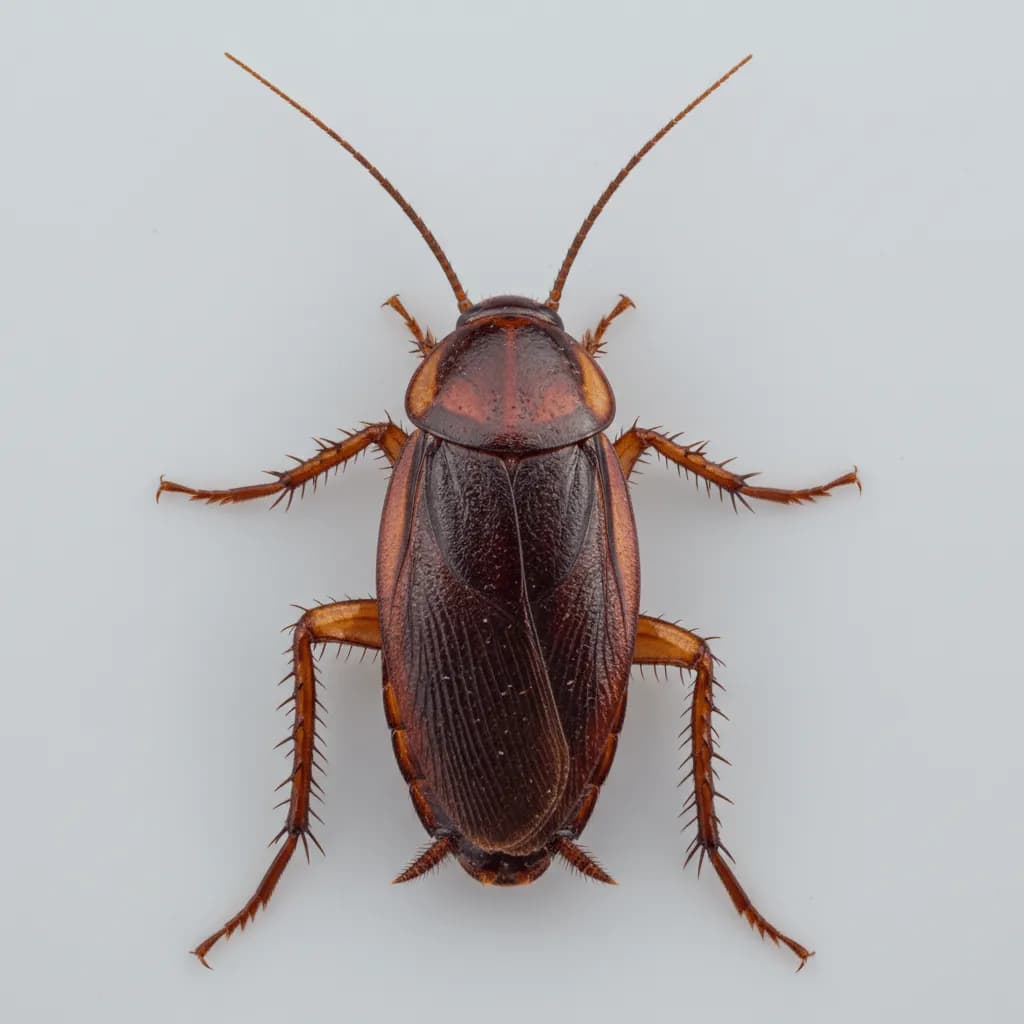
Oriental cockroaches are shiny, dark brown to black cockroaches often called waterbugs due to their strong association with damp, cool environments.
Brown-Banded Cockroaches
1 species
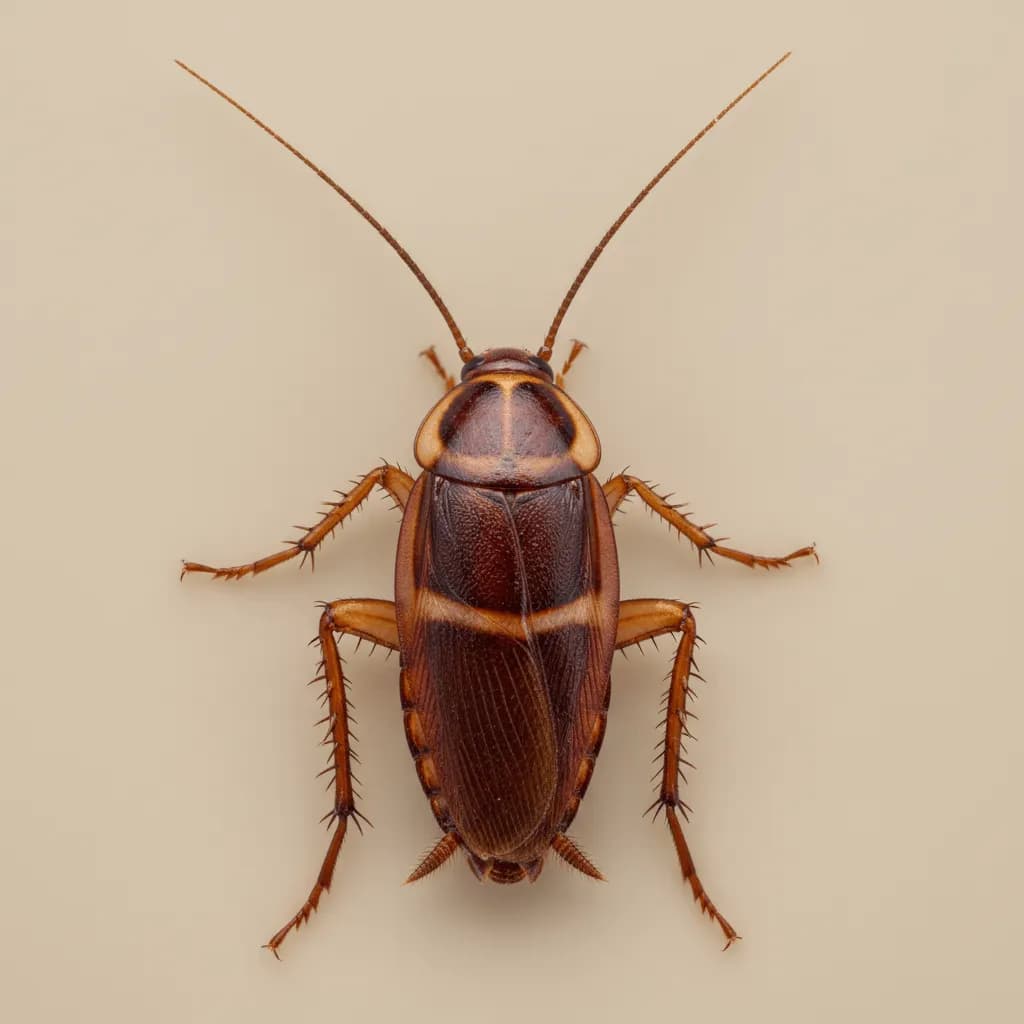
Brown-banded cockroaches are small, light brown cockroaches distinguished by two lighter-colored bands running across their wings and abdomen.
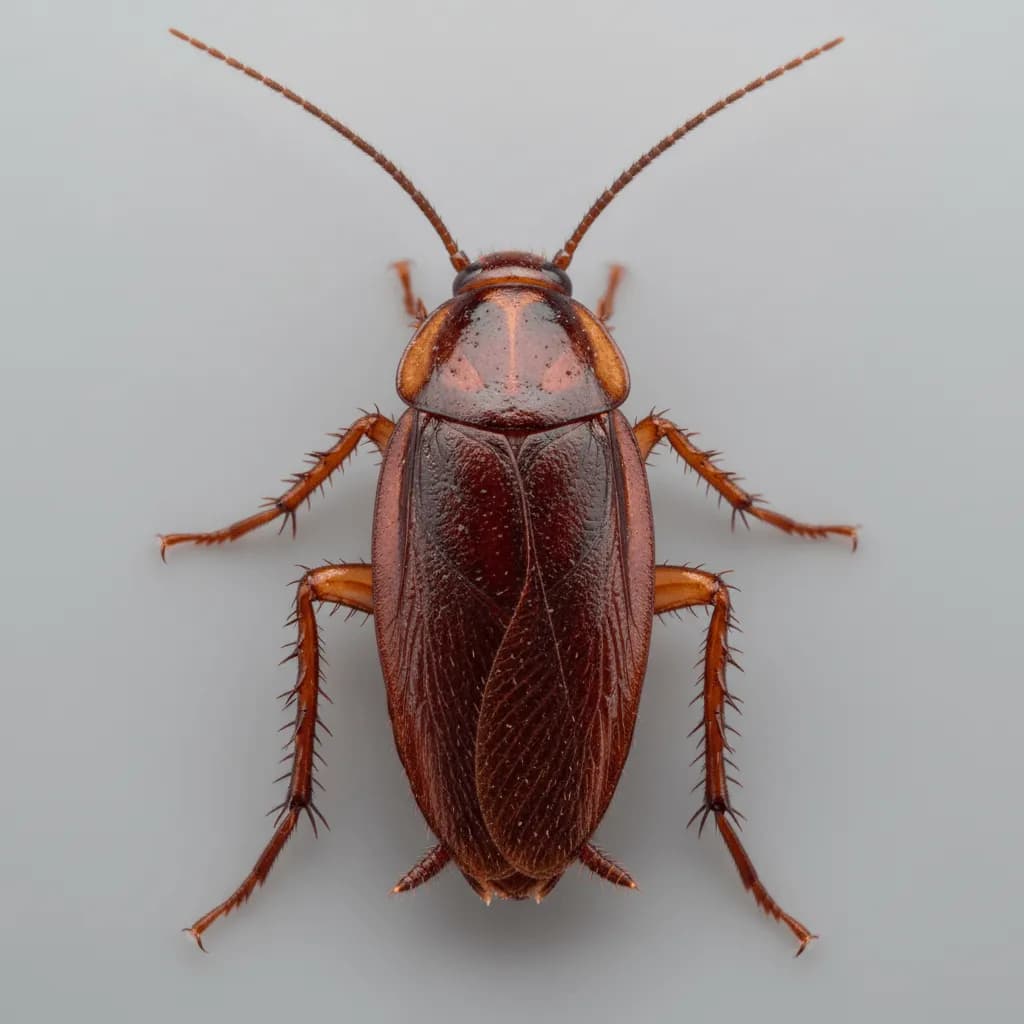
Smokybrown Cockroaches
1 species
Smokybrown cockroaches are large, uniformly dark mahogany-brown cockroaches that are strong fliers and highly attracted to light.
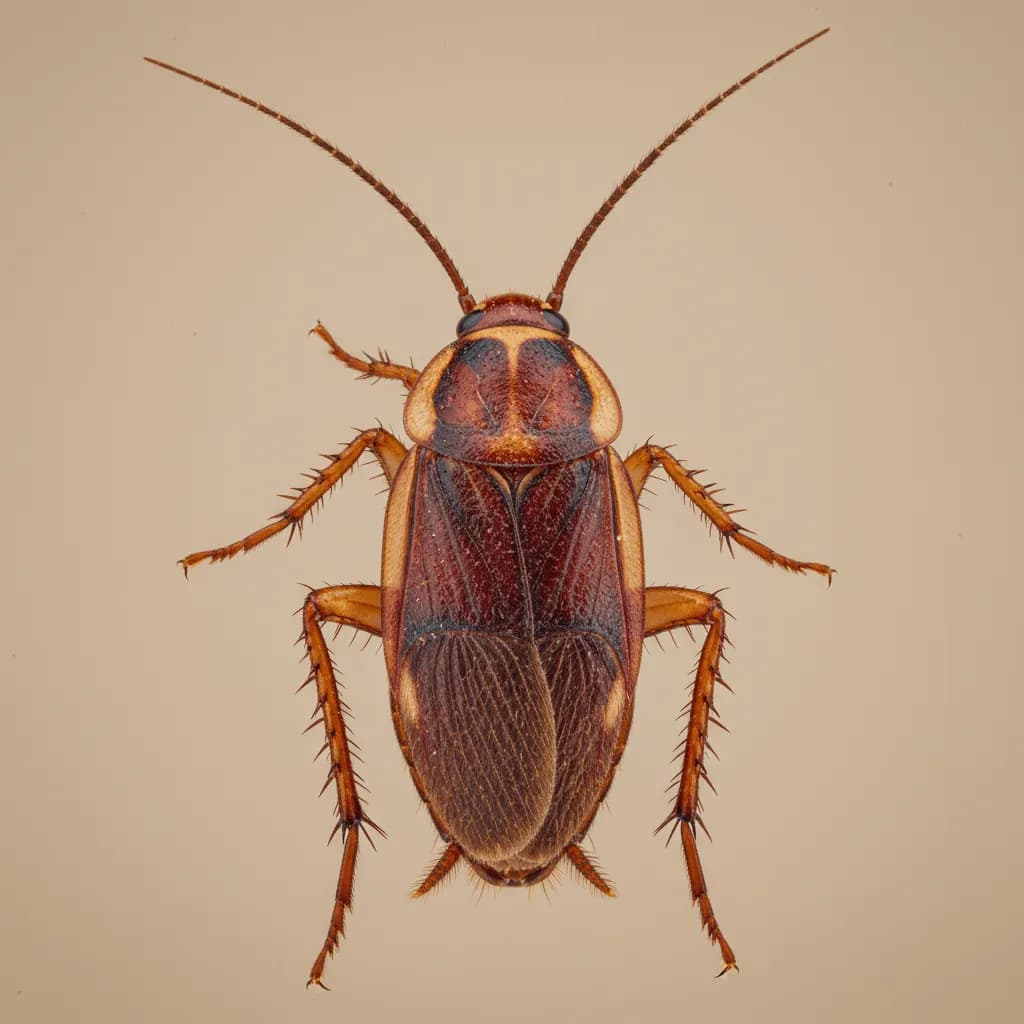
Wood Cockroaches
2 species
Wood cockroaches are a group of native North American species that normally live under loose bark, in firewood piles, and in leaf litter in wooded areas.
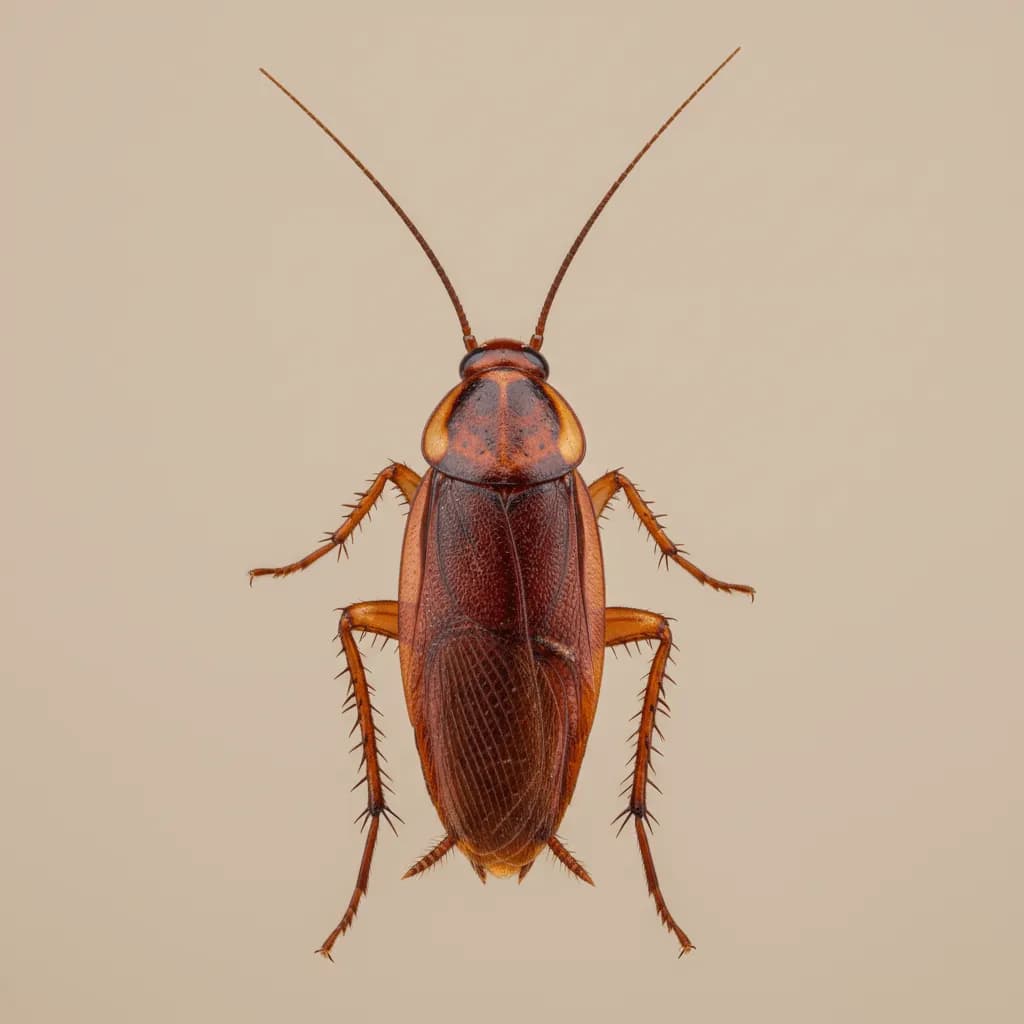
Asian Cockroaches
1 species
Asian cockroaches are a relatively recent invasive species first identified in Florida in 1986 that has since spread across the Gulf Coast states.
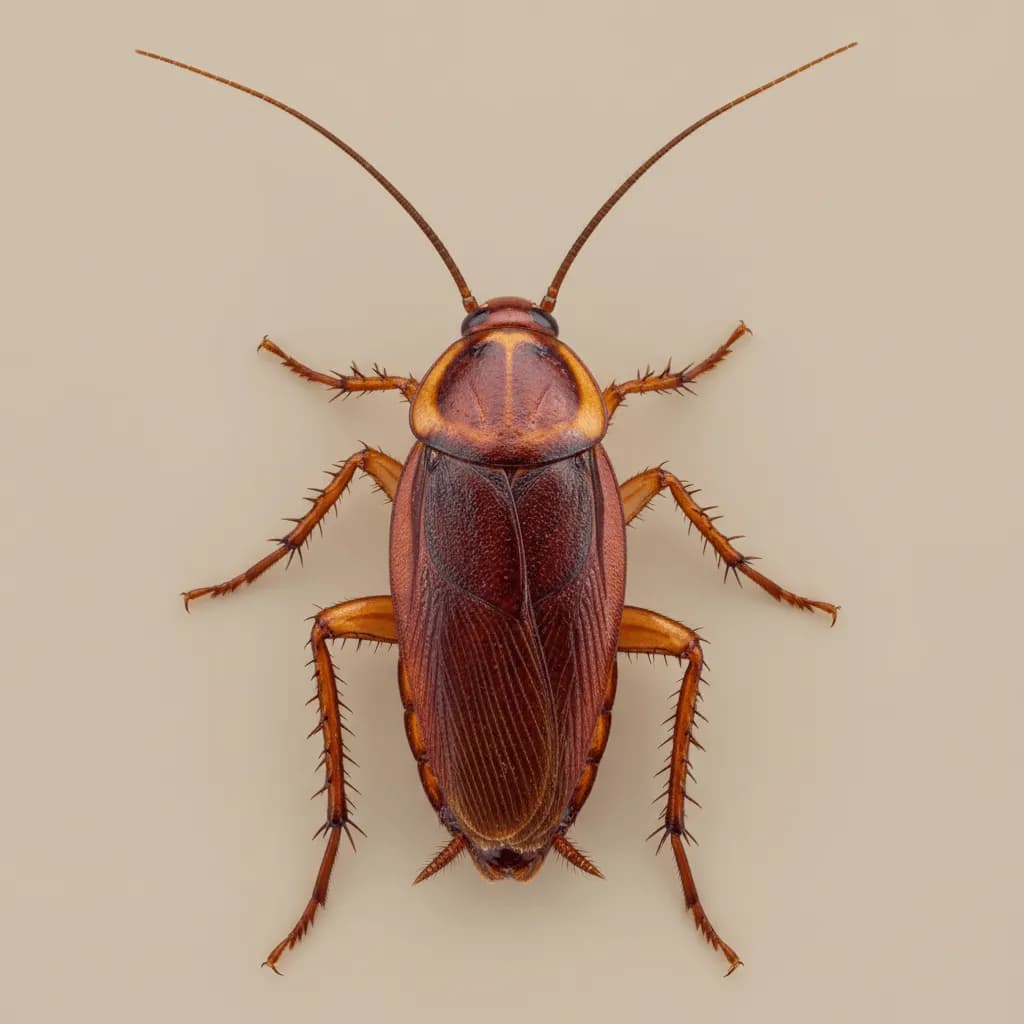
Australian Cockroaches
1 species
Australian cockroaches are large, reddish-brown cockroaches similar in size to American cockroaches but distinguished by prominent yellow margins on the thorax and yellow streaks at the base of the forewings.
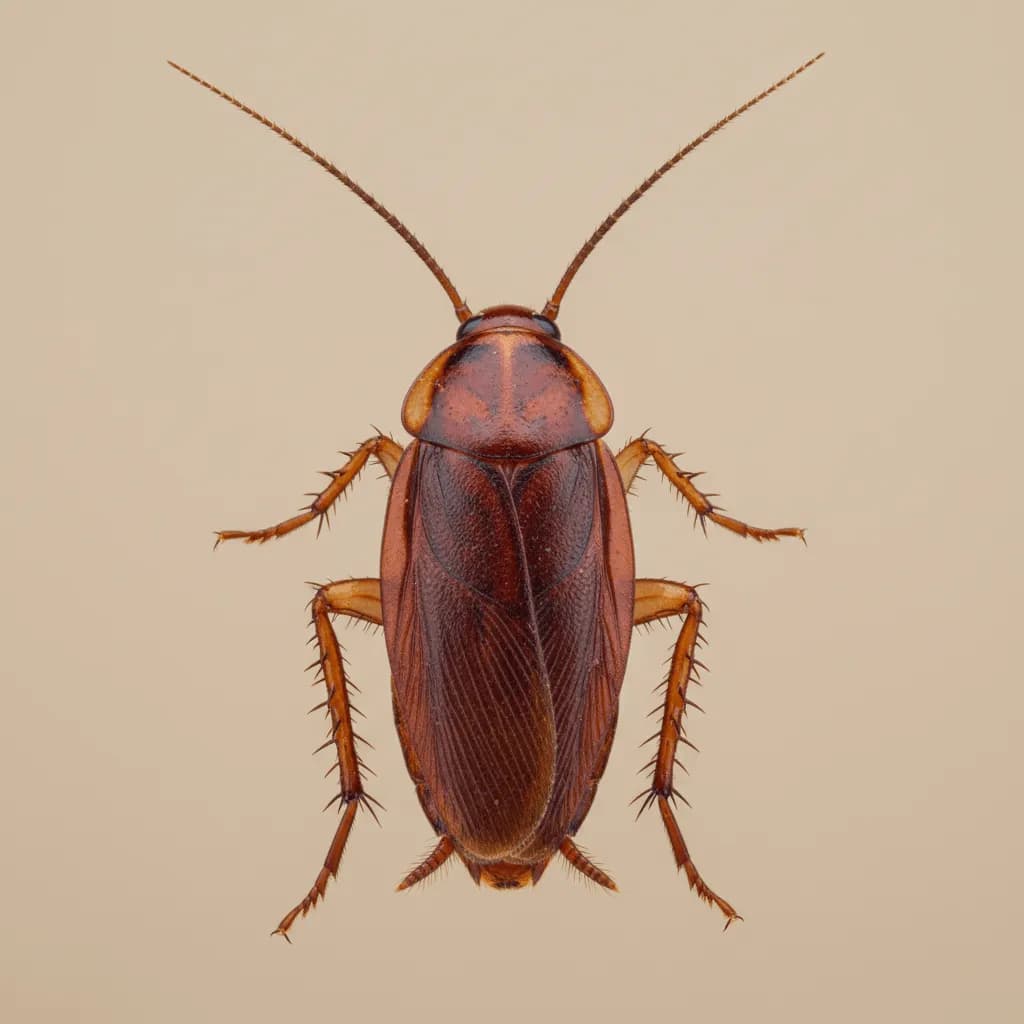
Turkestan Cockroaches
1 species
Turkestan cockroaches are a rapidly spreading invasive species that has become the dominant outdoor cockroach in much of the southwestern United States, displacing the oriental cockroach in many areas.
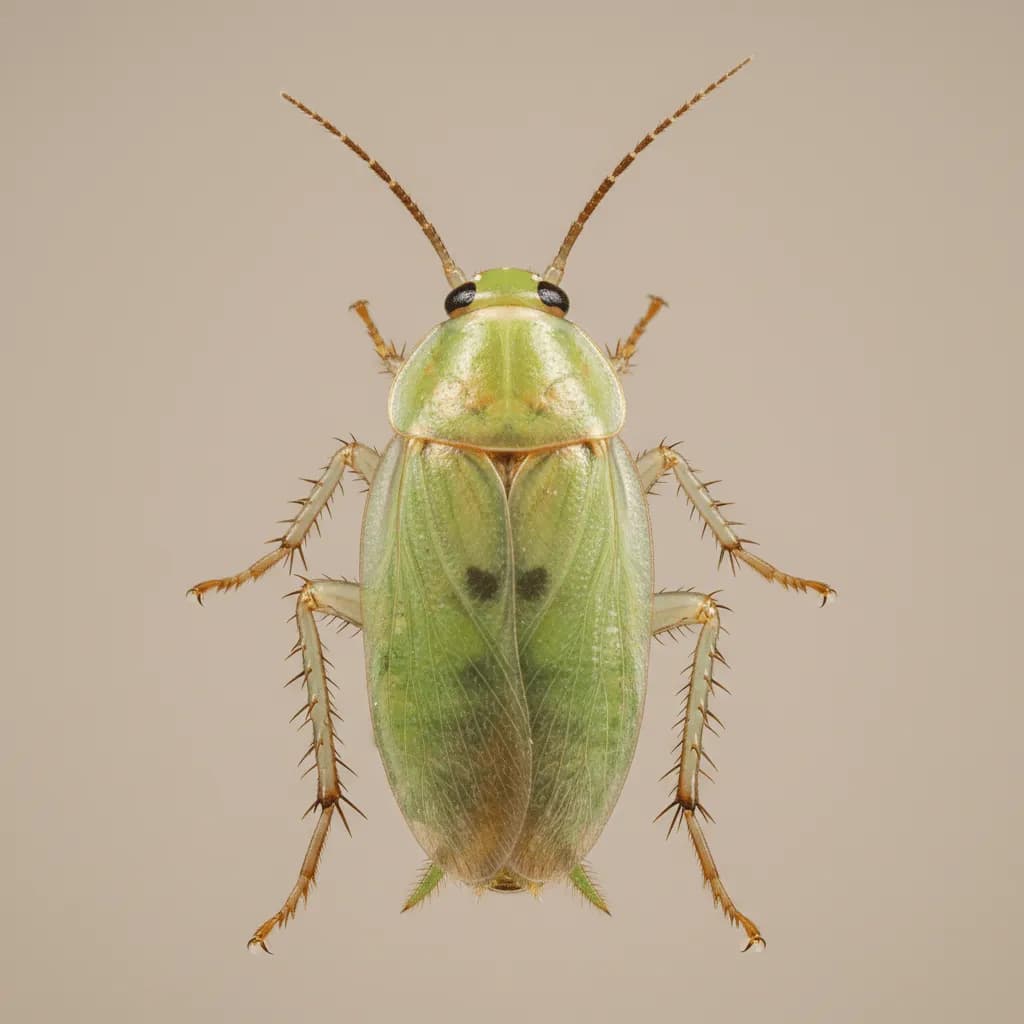
Cuban Cockroaches
1 species
The Cuban Cockroach is one of the few brightly colored cockroaches encountered in the United States.
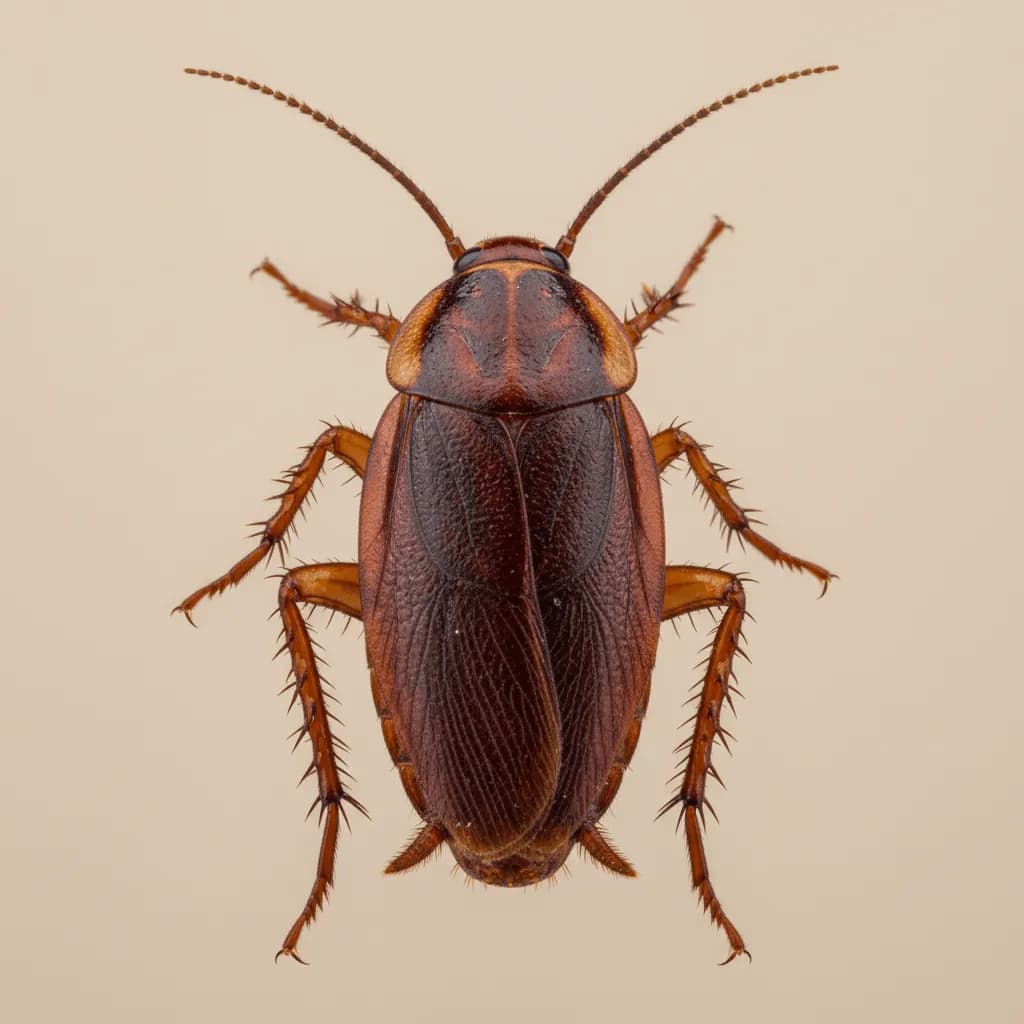
Florida Woods Cockroaches
1 species
The Florida Woods Cockroach is a large, slow-moving roach native to the southeastern United States.
All Cockroach
Signs of Infestation
- Live cockroaches spotted at night, especially in kitchens and bathrooms
- Small, dark, pepper-like droppings along baseboards, in drawers, or under sinks
- Brown, capsule-shaped egg cases (oothecae) in hidden crevices
- A musty, oily odor in areas of heavy infestation
- Smear marks - dark, irregular streaks on walls or surfaces near water sources
- Shed skins (exoskeletons) accumulating behind appliances or in cabinets
Prevention
Cockroach prevention revolves around denying them the three things they need most: food, water, and shelter. This means rigorous sanitation, fixing leaks promptly, and sealing entry points such as gaps around pipes, electrical conduits, and door sweeps. Because cockroaches can hitchhike into homes inside grocery bags, cardboard boxes, and used appliances, inspecting incoming items is also an important habit.
Frequently Asked Questions
Does seeing one cockroach mean I have an infestation?
Are cockroaches only found in dirty homes?
Can cockroaches make my family sick?
Why do cockroaches seem to survive everything?
How quickly can a cockroach problem get out of control?
What is the difference between German and American cockroaches?
Need Help With Cockroach?
If you're seeing signs of cockroach in or around your home, professional treatment is the fastest way to stop the problem. Lotus Pest Control offers free inspections to identify the issue and recommend the right solution.