
Common Pests in the Pacific Northwest
The Pacific Northwest's cool, wet climate creates a unique pest environment dominated by moisture-loving species. Carpenter ants and dampwood termites thrive in the region's abundant rainfall and dense timber construction. While many heat-loving species are less prevalent here, the region faces growing challenges from invasive species and rodent pressure in urban centers.
Marine west coast climate with cool, wet winters and mild, dry summers; annual rainfall ranges from 35 to over 100 inches depending on elevation and proximity to the coast.
Seasonal Pest Activity
spring
Carpenter ants swarm and establish new colonies in water-damaged siding, decks, and structural timbers. Dampwood termites become active in wet wood in crawl spaces and foundation areas. Odorous house ants trail into kitchens in massive numbers. Cluster flies emerge from overwintering sites.
summer
Yellowjackets build ground nests and aerial nests that grow throughout the season. Hobo spiders, giant house spiders, and wolf spiders are active in homes and garages. Carpenter bees bore into unpainted wood. Mosquitoes breed in forested wetlands and neglected containers. Fleas become active on pets and in yards.
fall
Giant house spiders and hobo spiders invade homes in large numbers during their mating season. Roof rats and Norway rats push indoors as fall rains intensify. Stink bugs and lady beetles seek overwintering shelter. Cluster flies aggregate on south-facing walls.
winter
Rats and mice are the dominant pest throughout the rainy season. Dampwood termites and carpenter ants remain active in wet wood that never dries out. Silverfish and earwigs are common in damp basements and crawl spaces. German cockroaches persist in heated restaurants and apartments.
Top Pests in the Pacific Northwest (55)
These pests are commonly encountered across Washington, Oregon, Idaho.
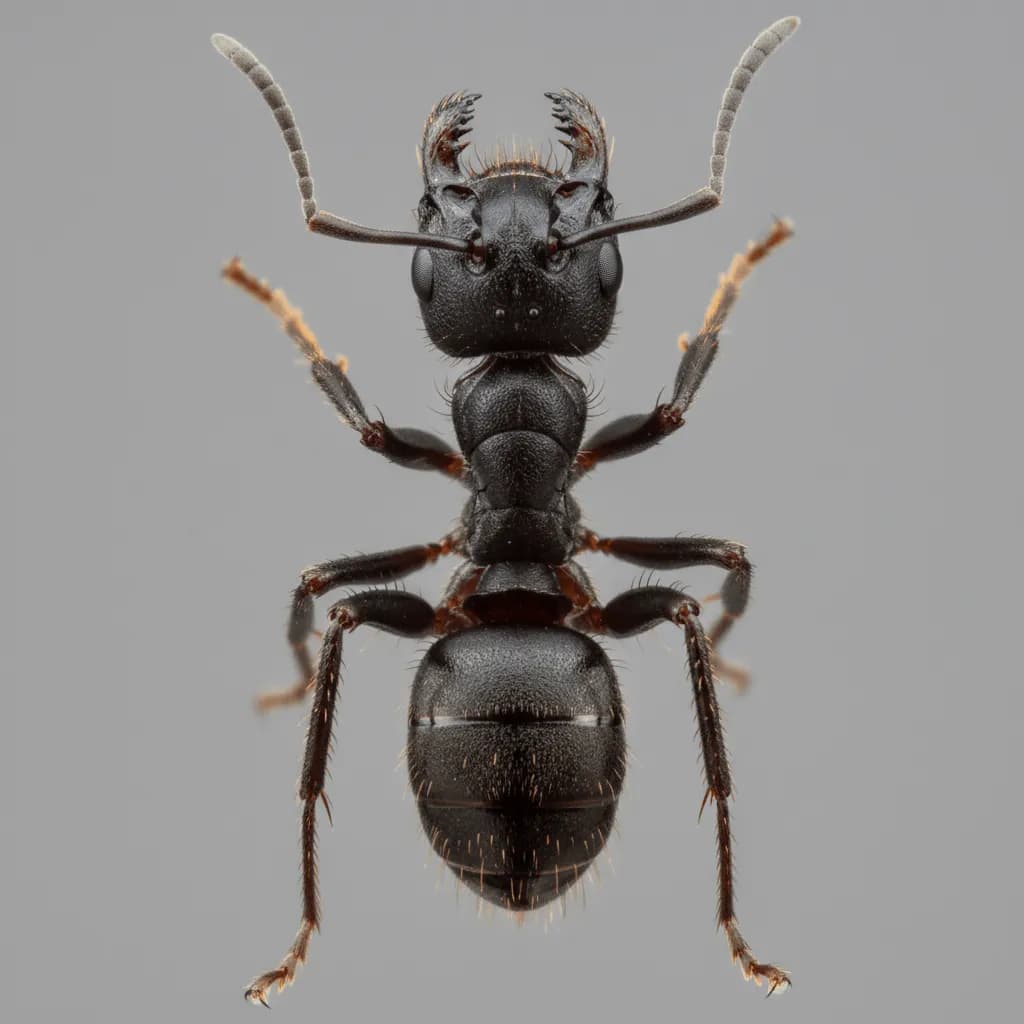
Black Carpenter Ant
Camponotus pennsylvanicus
The Black Carpenter Ant is the most common structural-pest ant in North America.
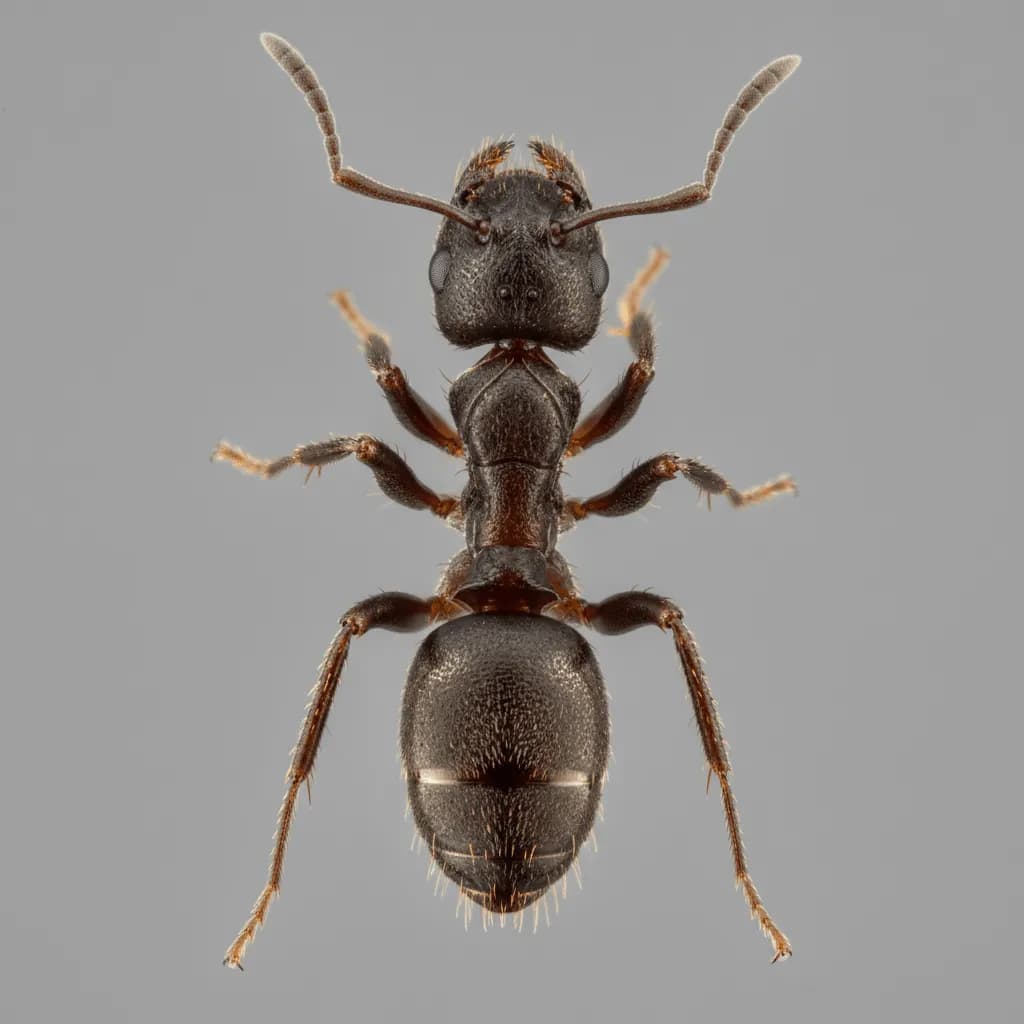
Odorous House Ant
Tapinoma sessile
The Odorous House Ant is one of the most common household-invading ants in the United States.
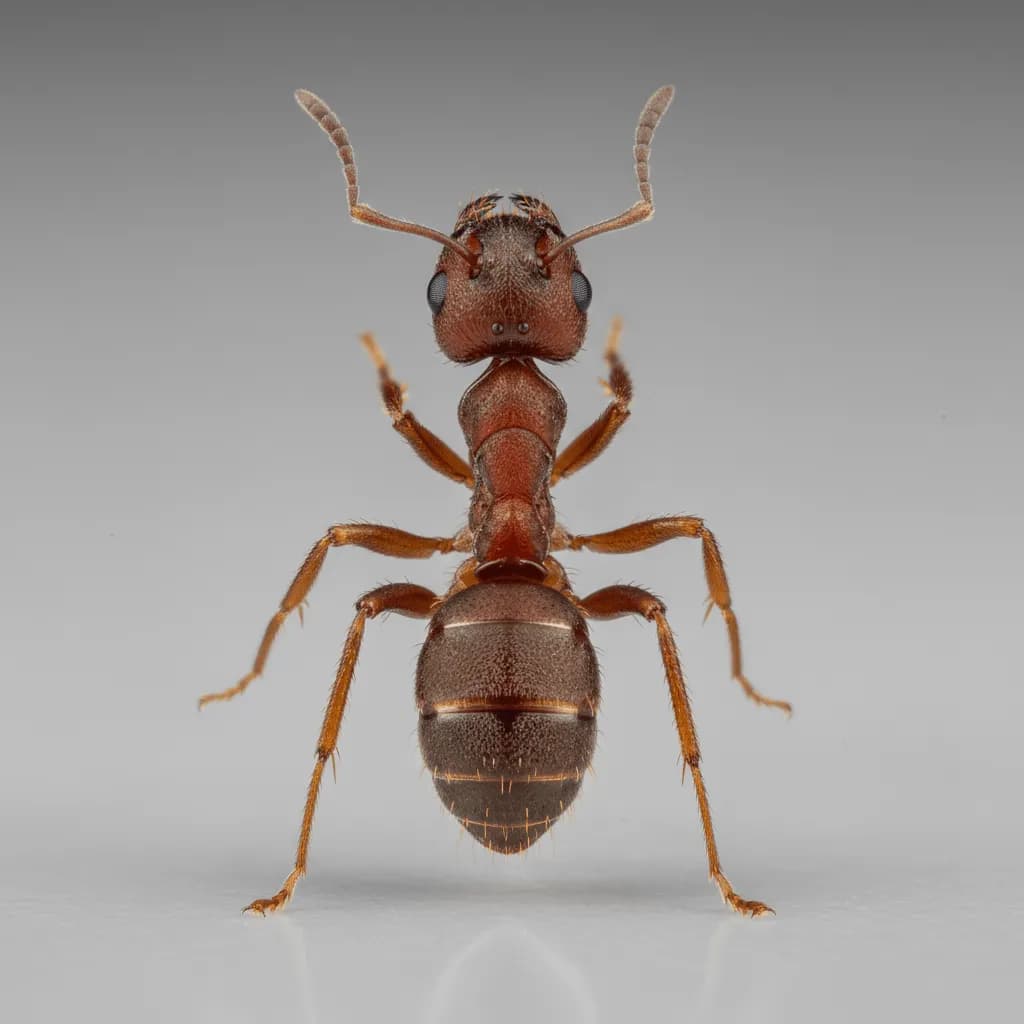
Pavement Ant
Tetramorium caespitum
Pavement Ants are among the most common ant pests in the northeastern and midwestern United States.
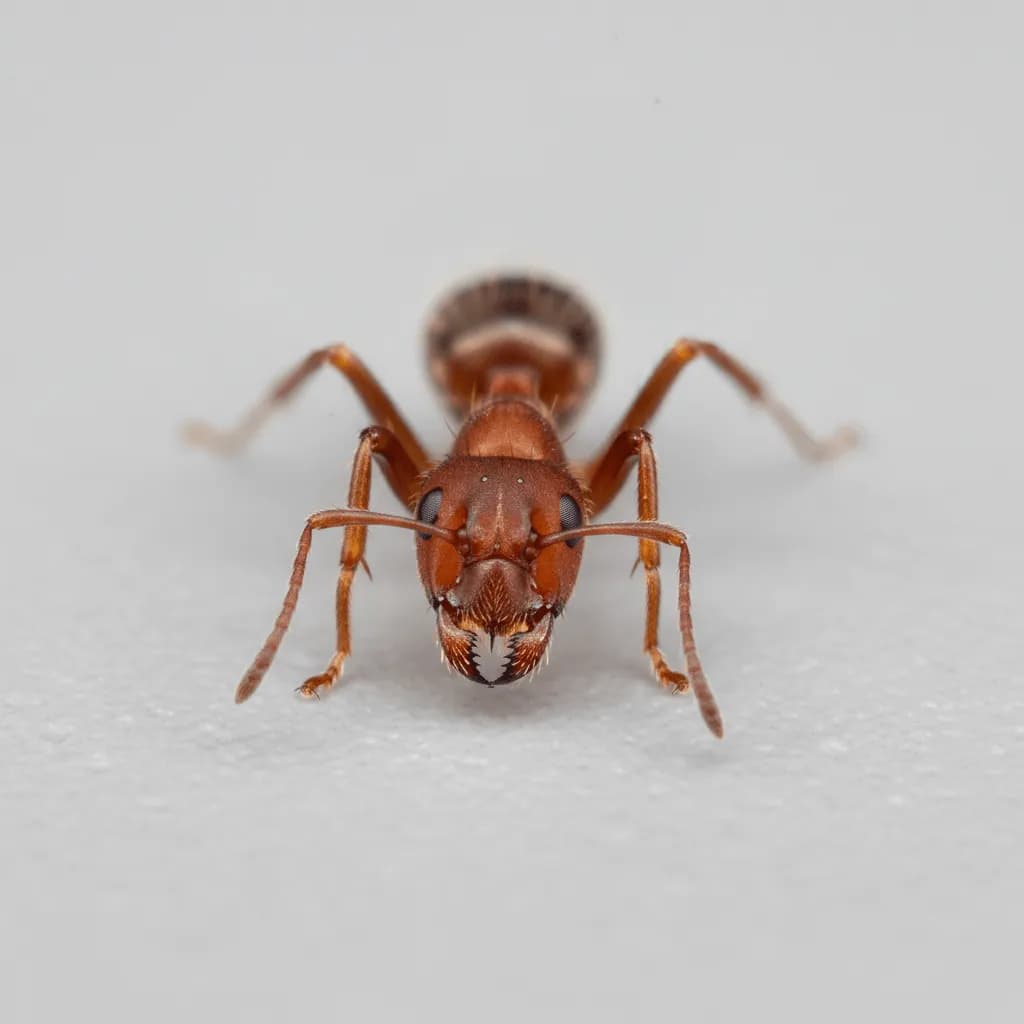
Argentine Ant
Linepithema humile
The Argentine Ant is an invasive species that forms enormous supercolonies stretching hundreds of miles.
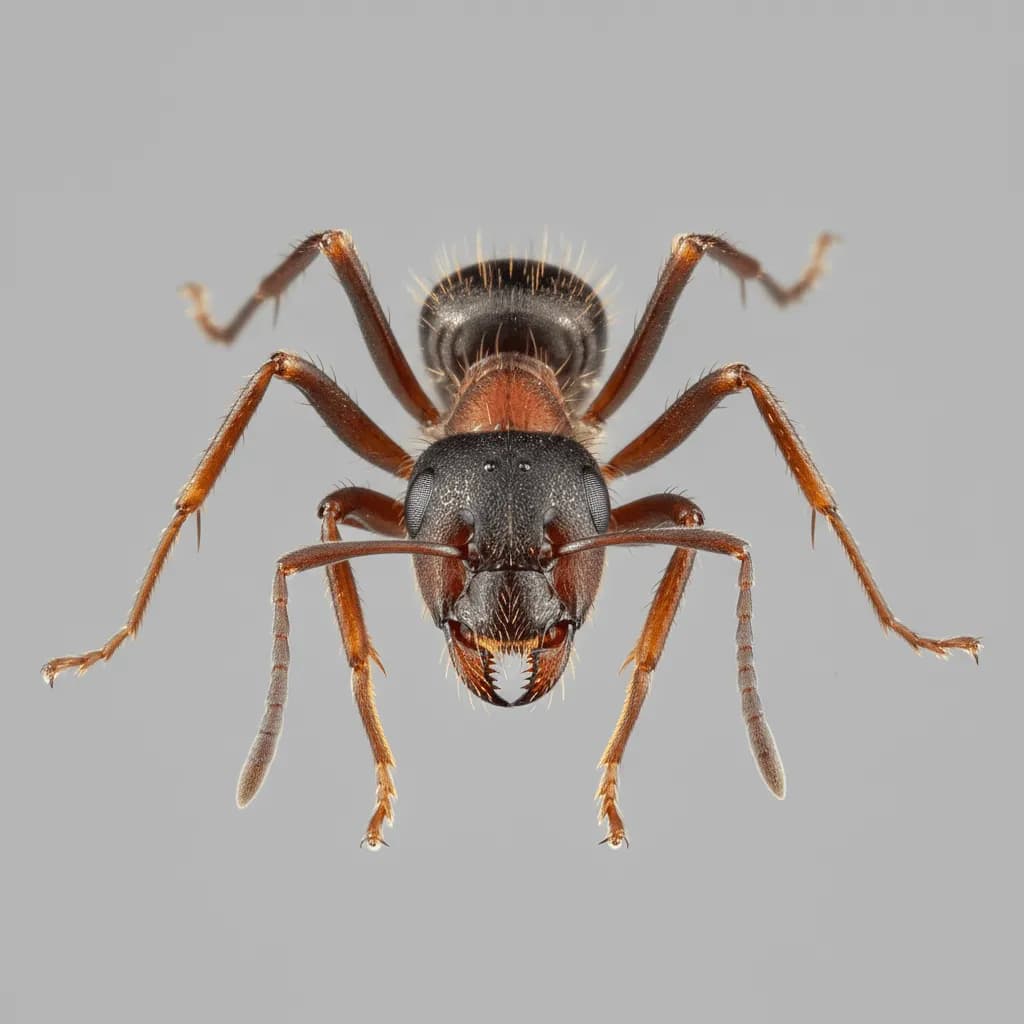
Field Ant
Formica spp.
Field Ants are a large genus with many species across North America.
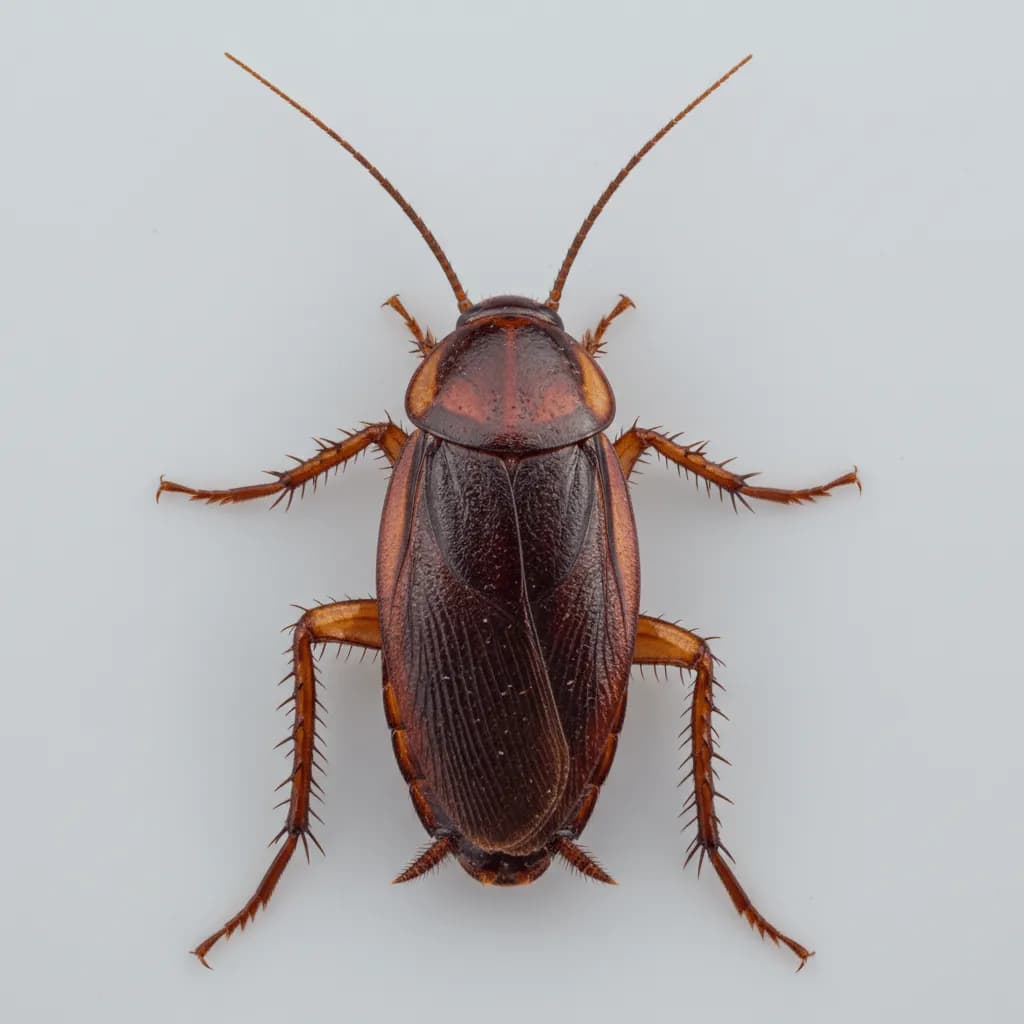
Oriental Cockroach
Blatta orientalis
The Oriental Cockroach is a dark, sluggish species associated with damp, cool environments.
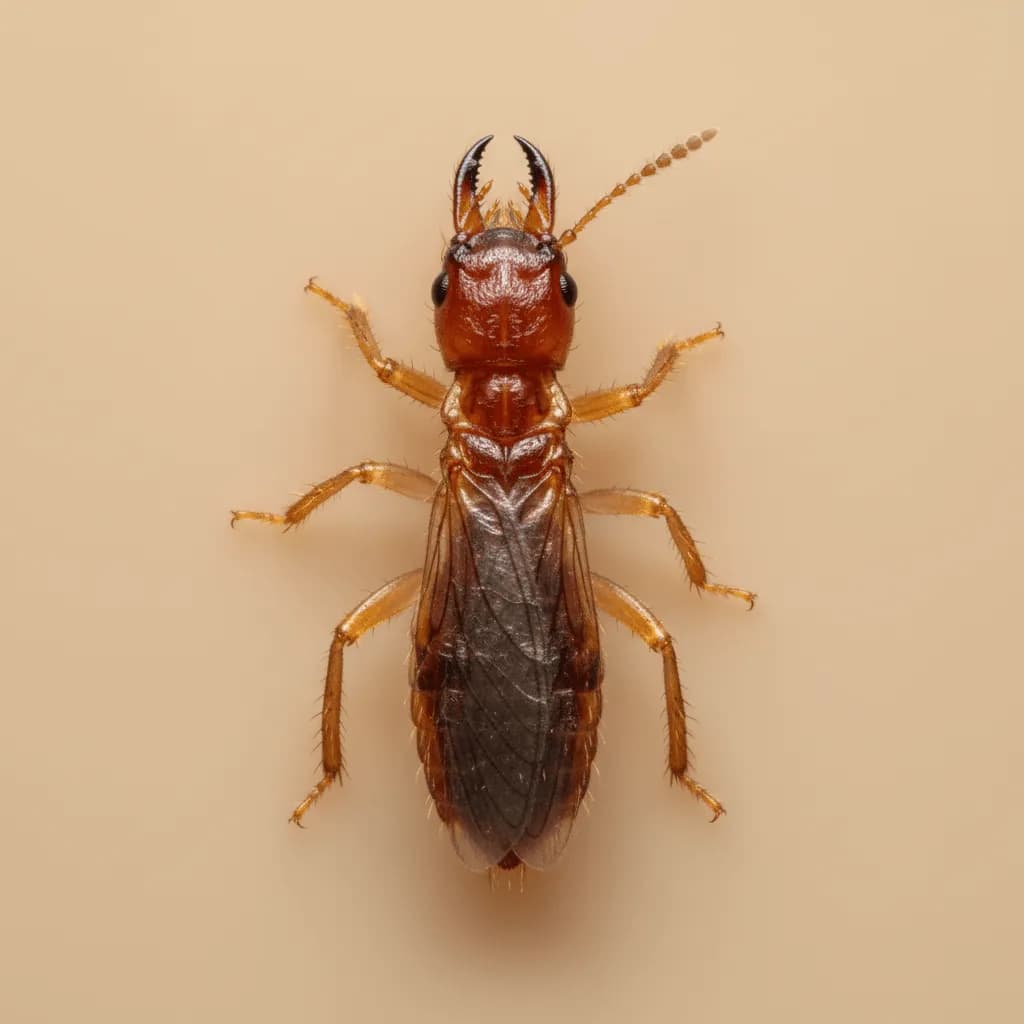
Pacific Dampwood Termite
Zootermopsis angusticollis
The Pacific Dampwood Termite is one of the largest termite species in North America.
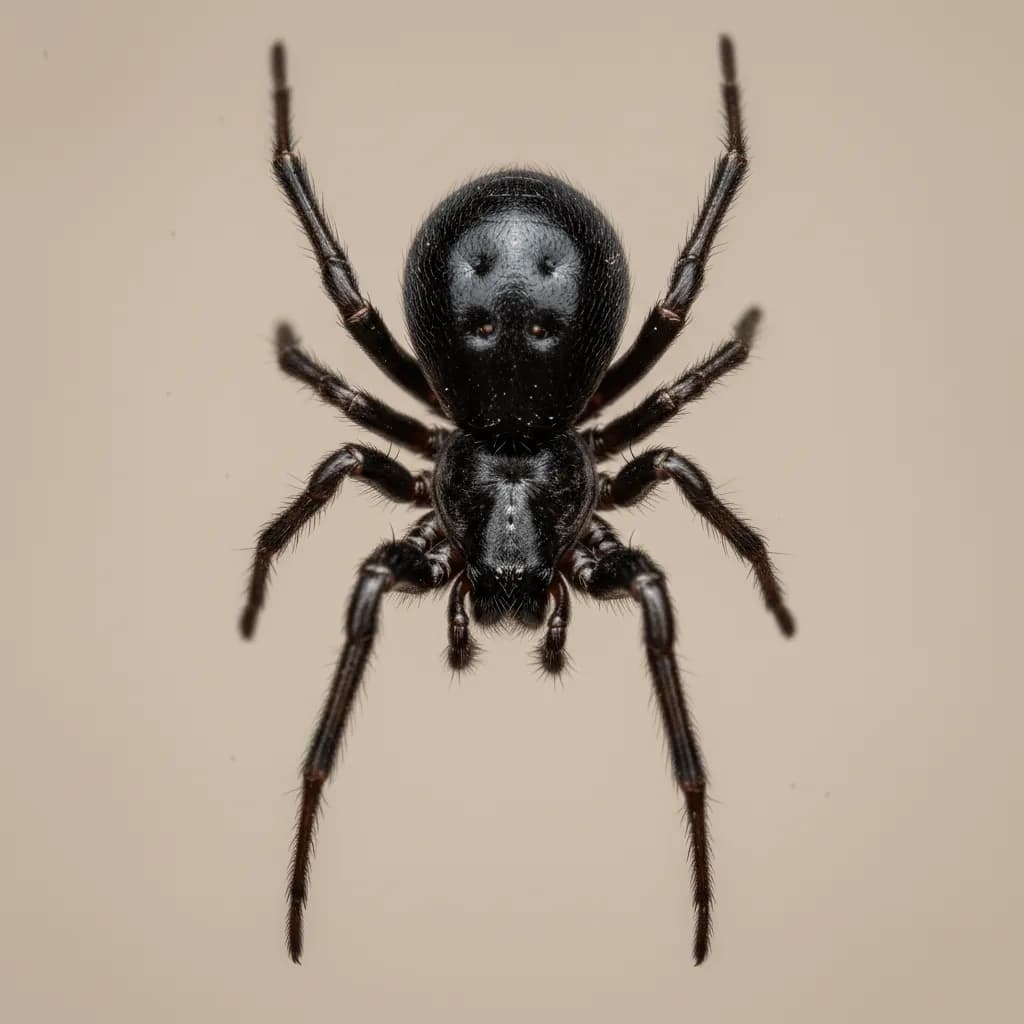
Western Black Widow
Latrodectus hesperus
The Western Black Widow is the predominant black widow species across the western United States.
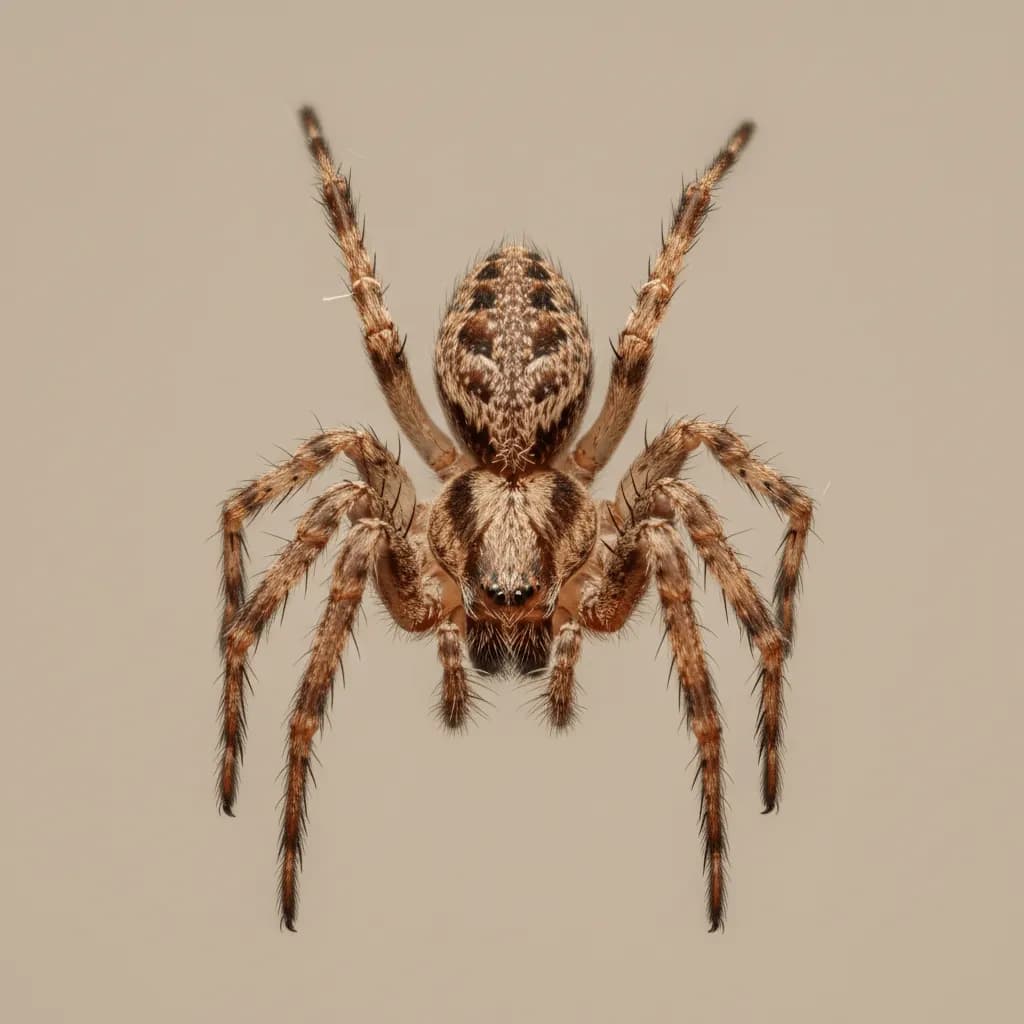
Common House Spider
Parasteatoda tepidariorum
The Common House Spider is responsible for most of the cobwebs found in homes.
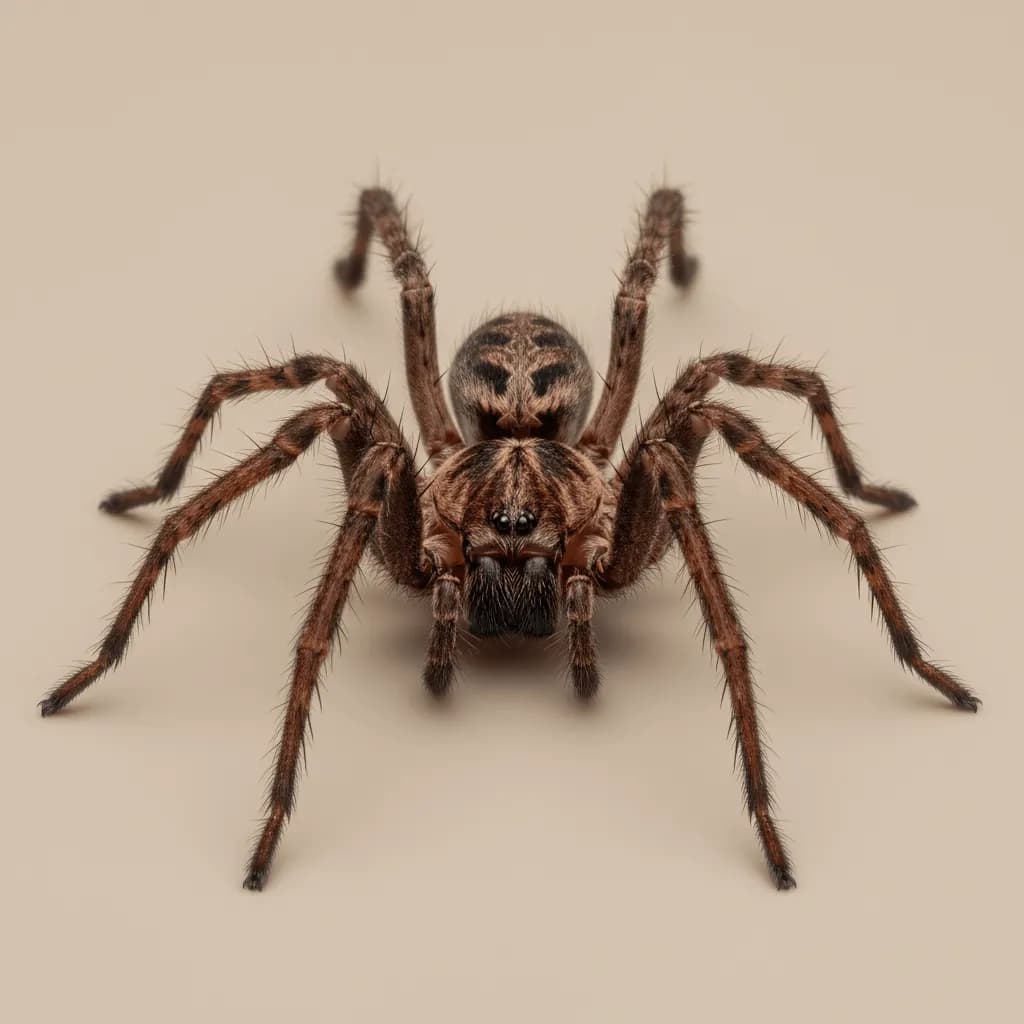
Giant House Spider
Eratigena atrica
The Giant House Spider is one of the largest spiders encountered in homes in the Pacific Northwest.
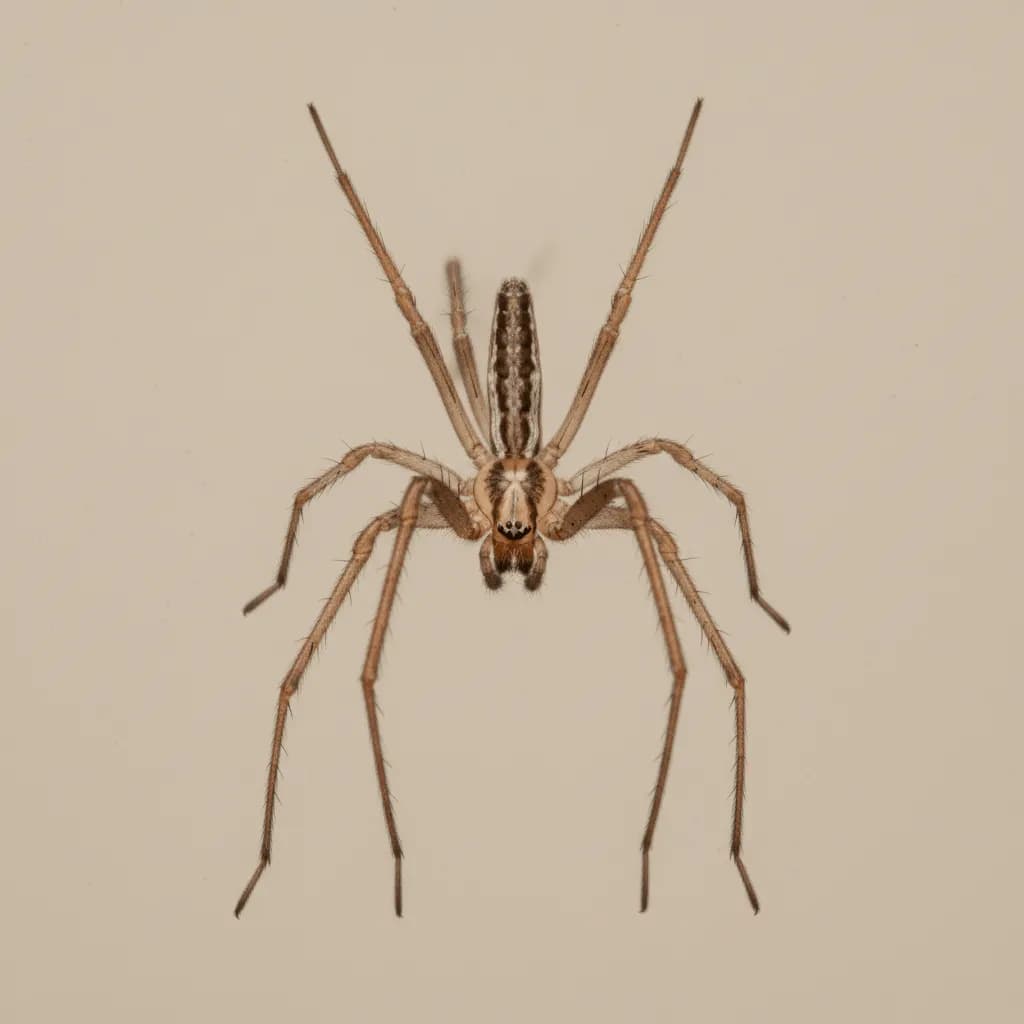
Long-Bodied Cellar Spider
Pholcus phalangioides
The Long-Bodied Cellar Spider is the archetypal 'daddy longlegs spider' found in basements, cellars, and dark corners of homes worldwide.
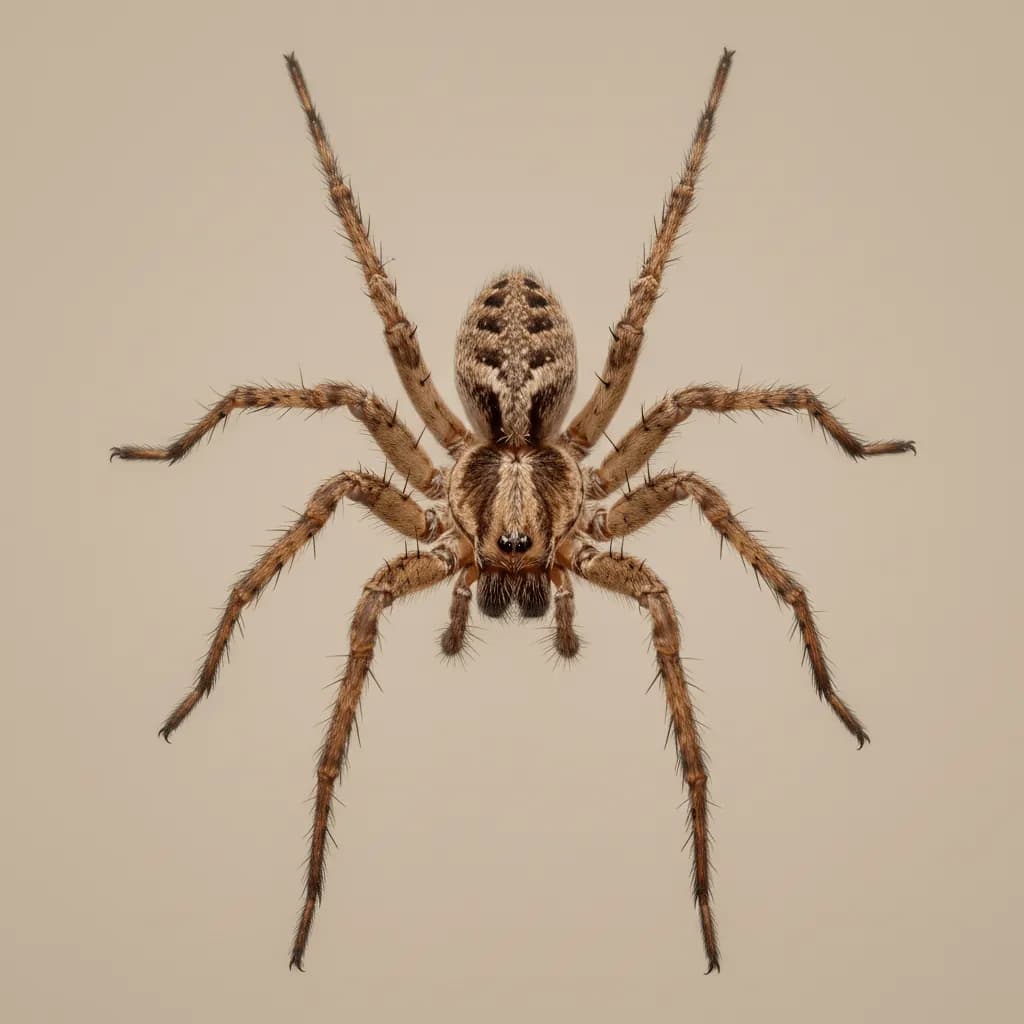
Hobo Spider
Eratigena agrestis
The Hobo Spider is a European species established in the Pacific Northwest.
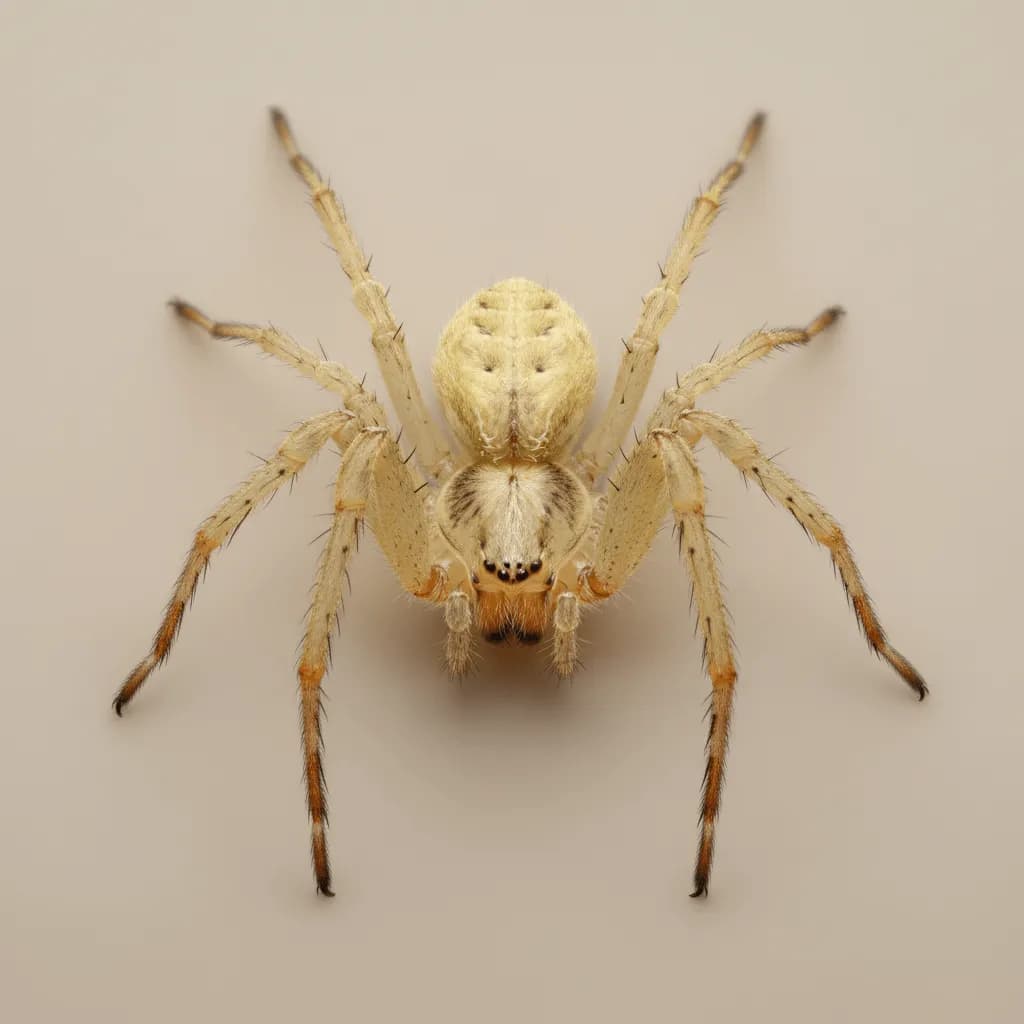
Yellow Sac Spider
Cheiracanthium inclusum
The Yellow Sac Spider is one of the more commonly encountered biting spiders in U.
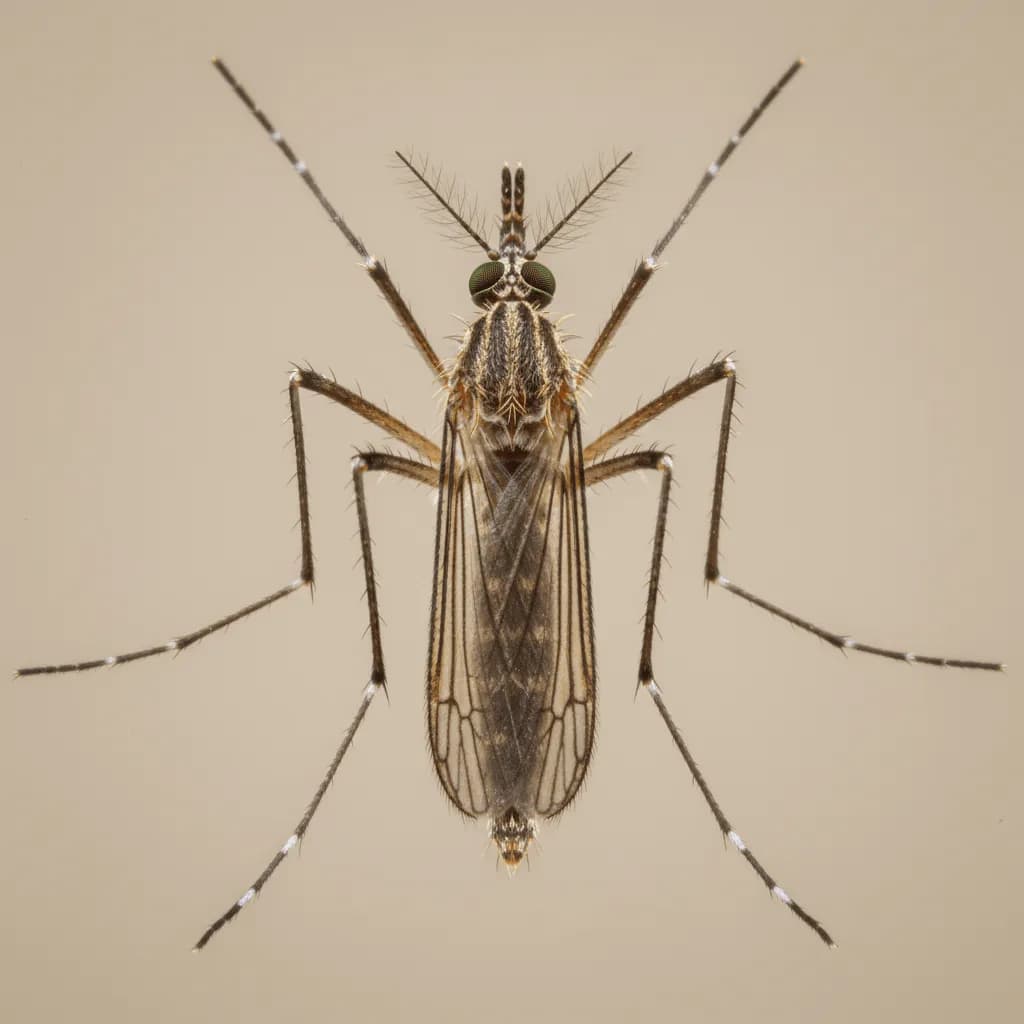
Common House Mosquito
Culex pipiens
The Common House Mosquito is the most abundant mosquito in urban and suburban areas of the northern United States.
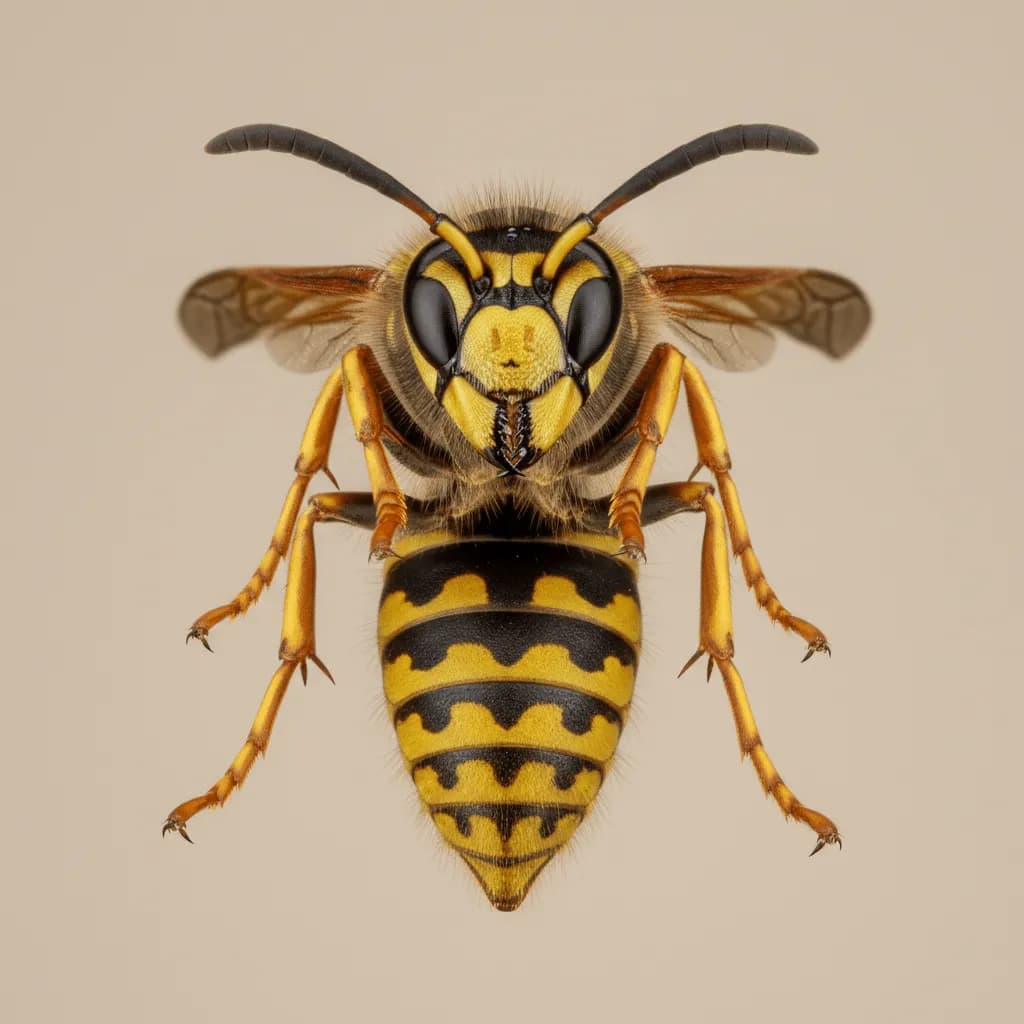
German Yellowjacket
Vespula germanica
The German Yellowjacket is an invasive species from Europe that has become the dominant structural-nesting yellowjacket in many parts of North America.
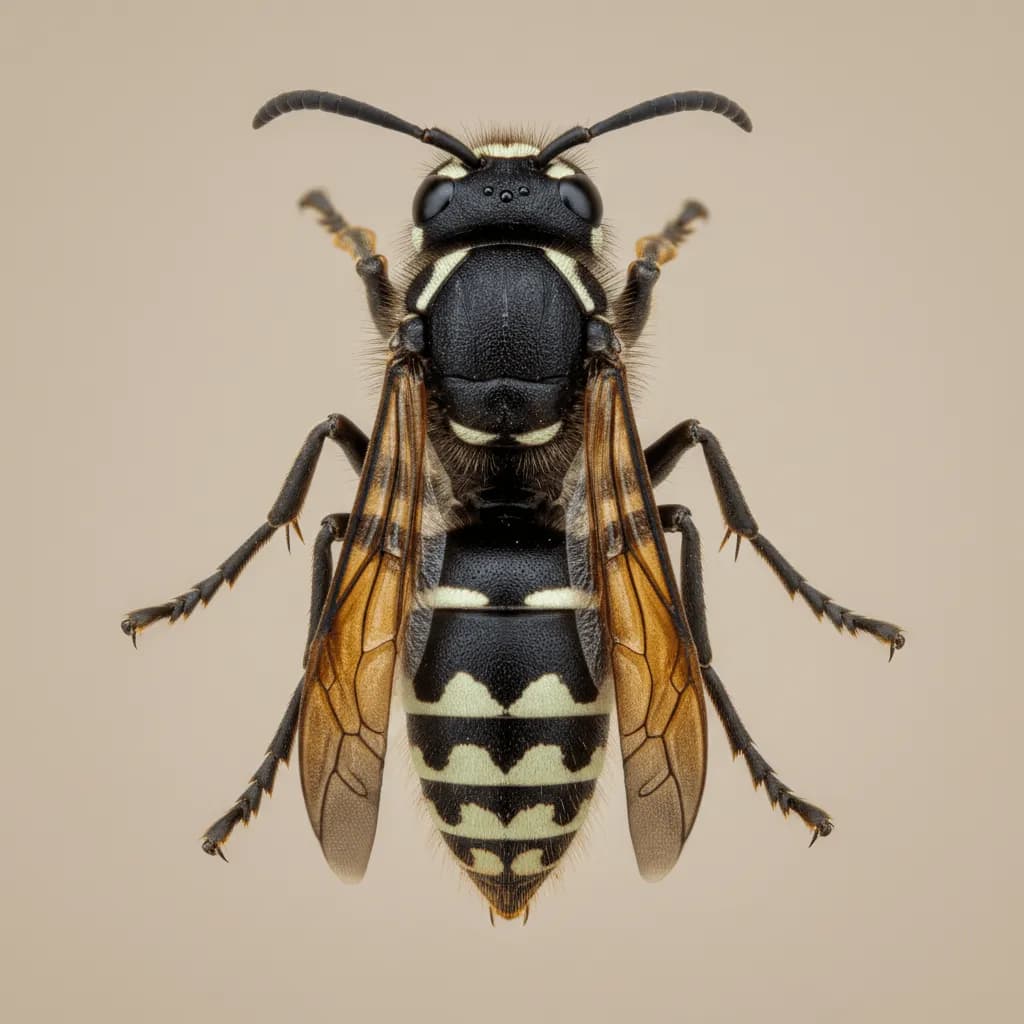
Bald-Faced Hornet
Dolichovespula maculata
The Bald-Faced Hornet is a large, conspicuous wasp that builds impressive enclosed paper nests that can grow to the size of a basketball.
+39 more pests common in this region
States in This Region
Need Help With Pests in the Pacific Northwest?
Pest challenges in the Pacific Northwest are shaped by local climate, housing styles, and seasonal patterns. Lotus Pest Control delivers targeted treatment based on what's actually active in your area.