
Common Pests in the Northeast
The Northeast experiences distinct seasonal pest cycles driven by cold winters and warm, humid summers. While freezing temperatures reduce outdoor pest activity in winter, heated homes provide year-round harborage for cockroaches, rodents, and bed bugs. The region faces growing tick-borne disease pressure and invasive species introductions through major port cities.
Four distinct seasons with cold, snowy winters and warm, humid summers; average temperatures range from the low 20s in January to the mid-80s in July.
Seasonal Pest Activity
spring
Carpenter ants swarm and establish satellite colonies in water-damaged wood. Eastern subterranean termites produce swarmer flights. Ticks become active early, with blacklegged ticks transmitting Lyme disease as nymphs emerge. Cluster flies and lady beetles exit overwintering sites inside wall voids.
summer
Yellowjackets and paper wasps build nests around eaves, soffits, and decks. Mosquitoes breed in gutters, birdbaths, and containers throughout urban and suburban areas. Bed bug infestations peak with increased travel. Carpenter bees bore into unpainted wood trim and fascia boards.
fall
Brown marmorated stink bugs invade homes by the hundreds seeking overwintering sites. Mice and rats push indoors as temperatures drop. Lady beetles and boxelder bugs cluster on sun-warmed exterior walls. Yellowjacket aggression peaks as colonies decline and workers scavenge for sugar.
winter
Rodent pressure is at its highest as mice and rats occupy wall voids, attics, and basements. German cockroaches thrive in heated apartment buildings and restaurants. Overwintering pests like stink bugs and cluster flies may emerge on warm days. Bed bug activity continues unabated in heated environments.
Top Pests in the Northeast (123)
These pests are commonly encountered across New York, New Jersey, Connecticut, Massachusetts, and more.
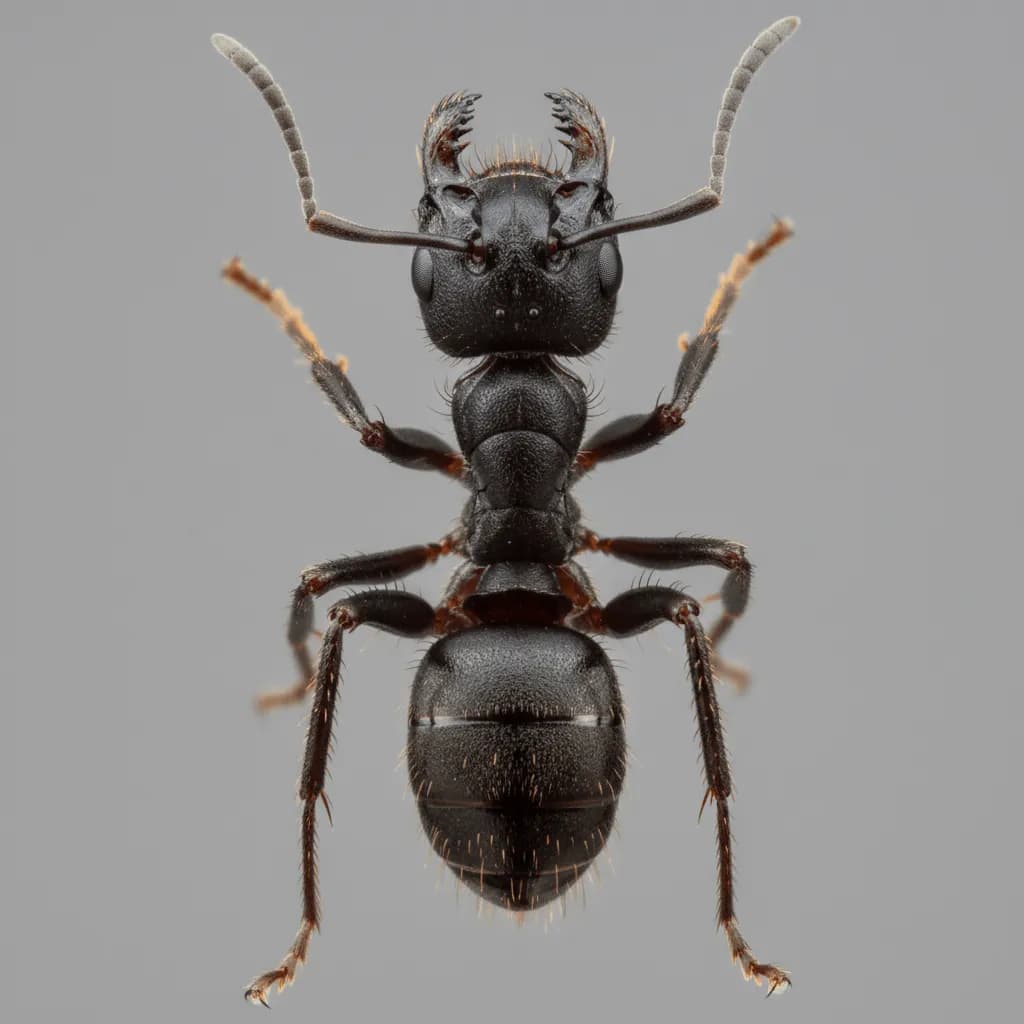
Black Carpenter Ant
Camponotus pennsylvanicus
The Black Carpenter Ant is the most common structural-pest ant in North America.
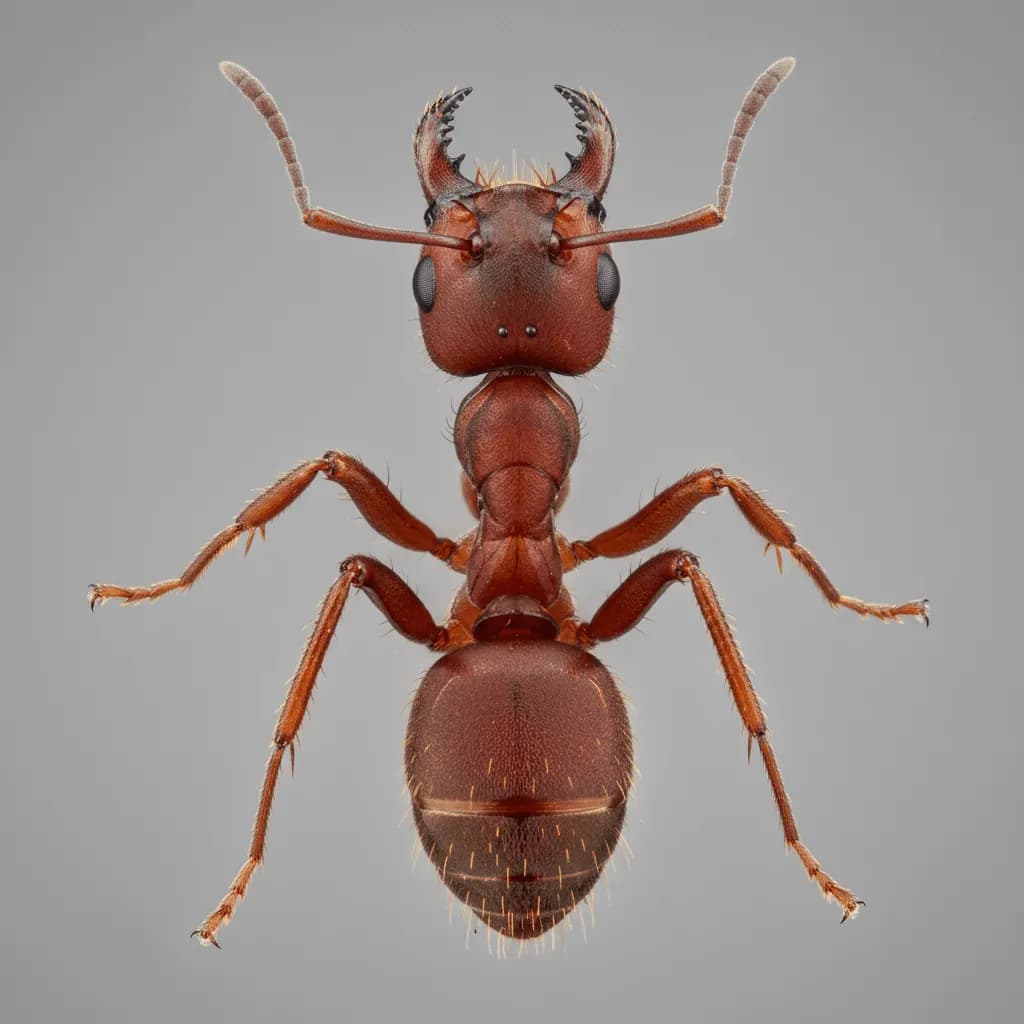
Red Carpenter Ant
Camponotus chromaiodes
The Red Carpenter Ant shares the wood-excavating habits of its black cousin but favors hardwood forests across the eastern United States.
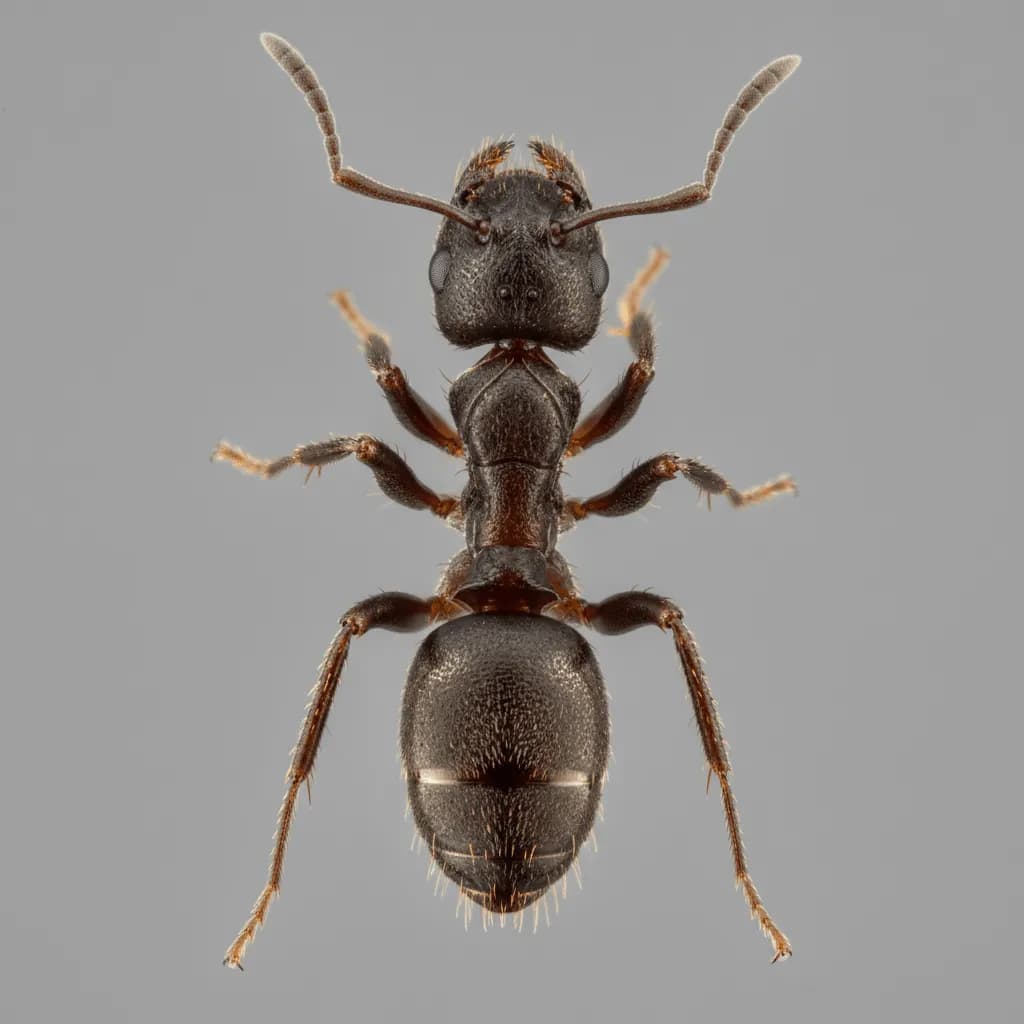
Odorous House Ant
Tapinoma sessile
The Odorous House Ant is one of the most common household-invading ants in the United States.
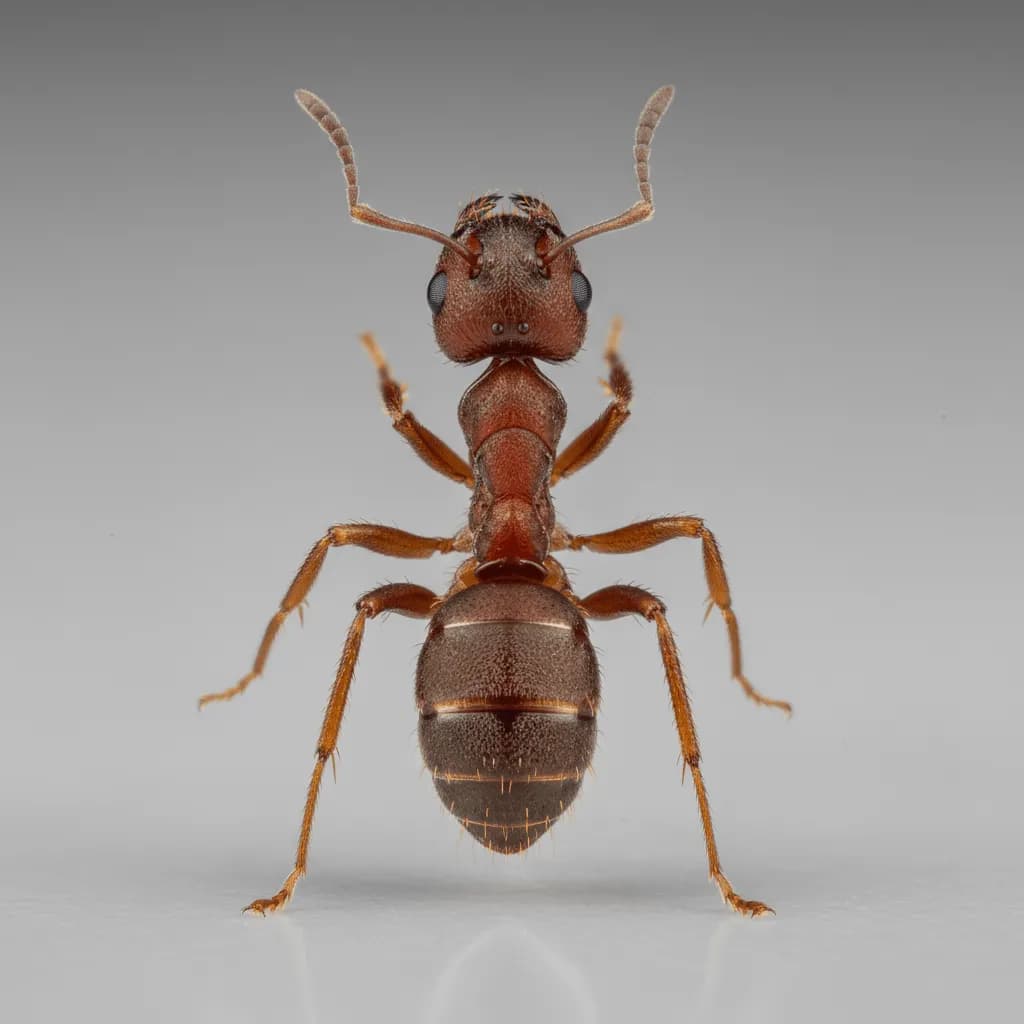
Pavement Ant
Tetramorium caespitum
Pavement Ants are among the most common ant pests in the northeastern and midwestern United States.
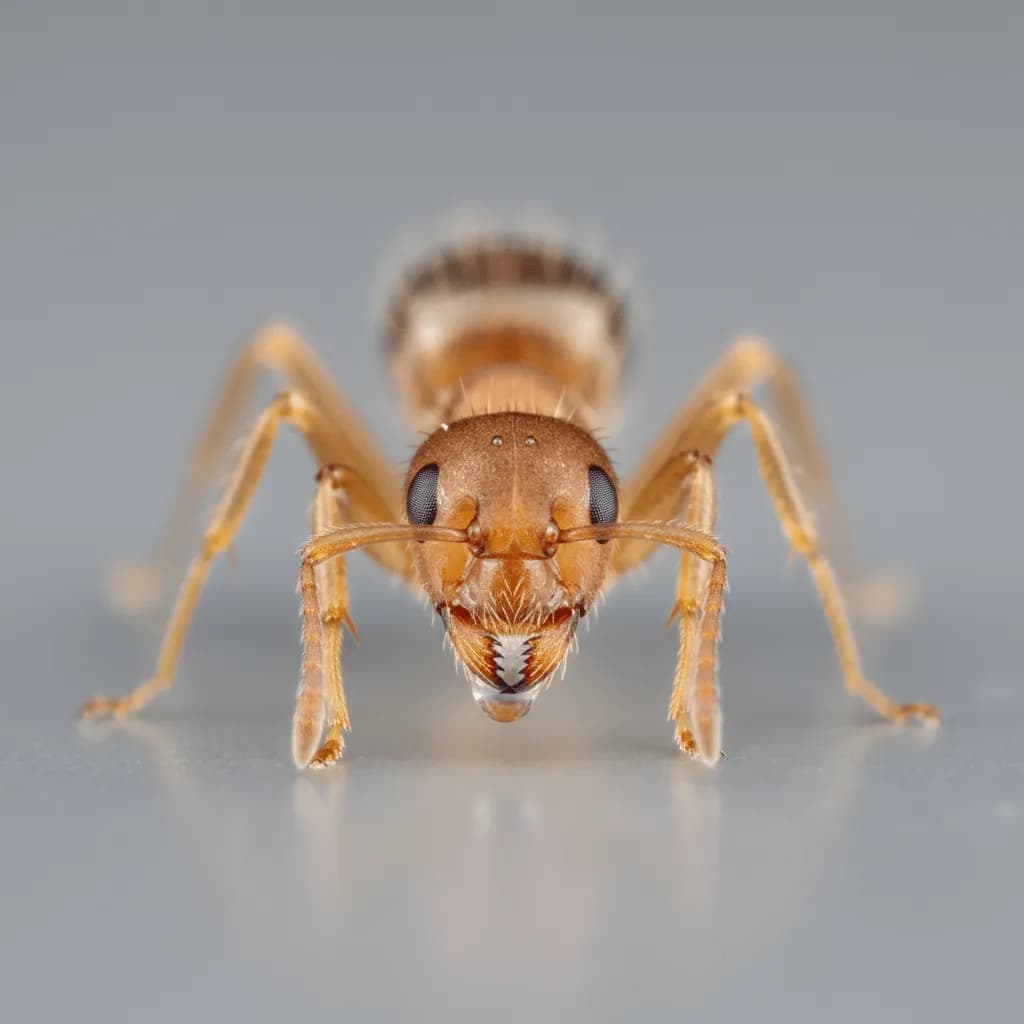
Pharaoh Ant
Monomorium pharaonis
The Pharaoh Ant is a tiny tropical species that thrives in heated buildings throughout the United States.
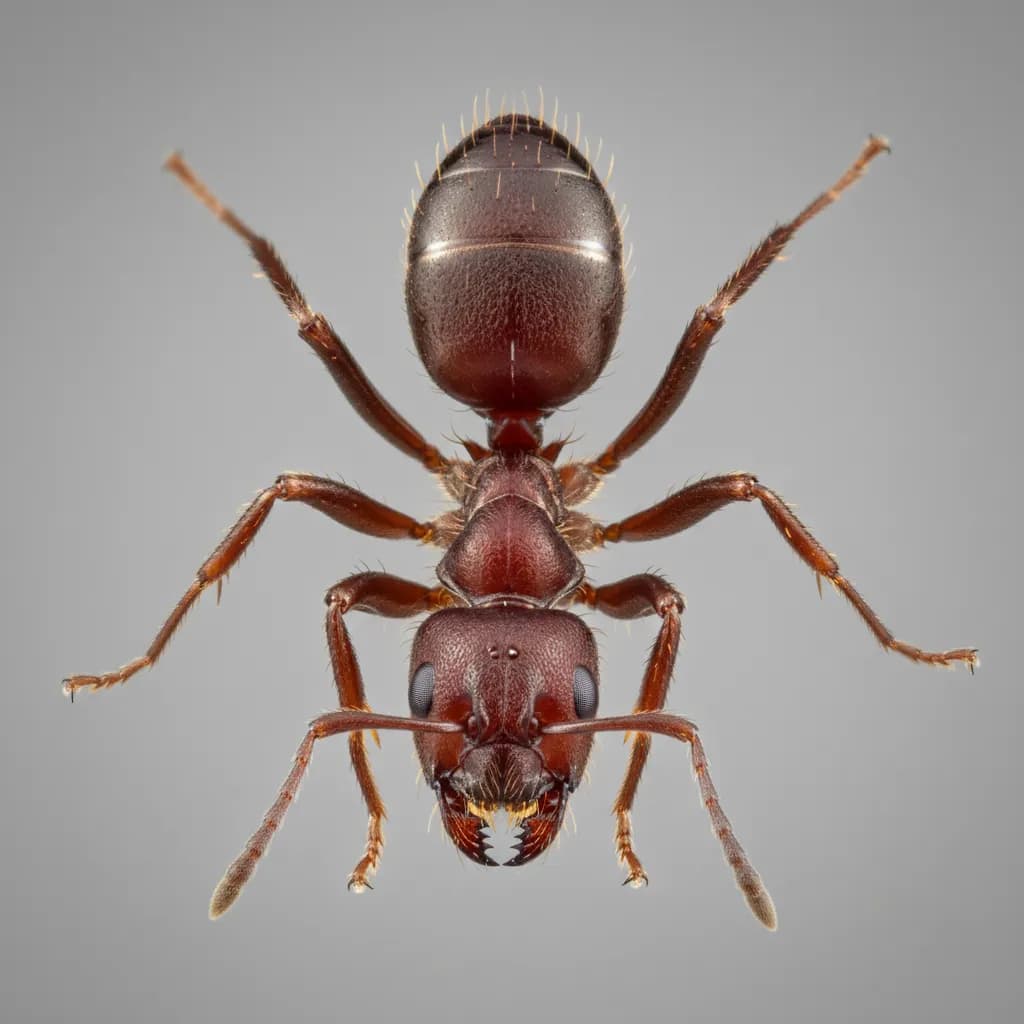
Acrobat Ant
Crematogaster spp.
Acrobat Ants are cavity-nesting ants that commonly inhabit moisture-damaged wood and abandoned insect galleries in structures.
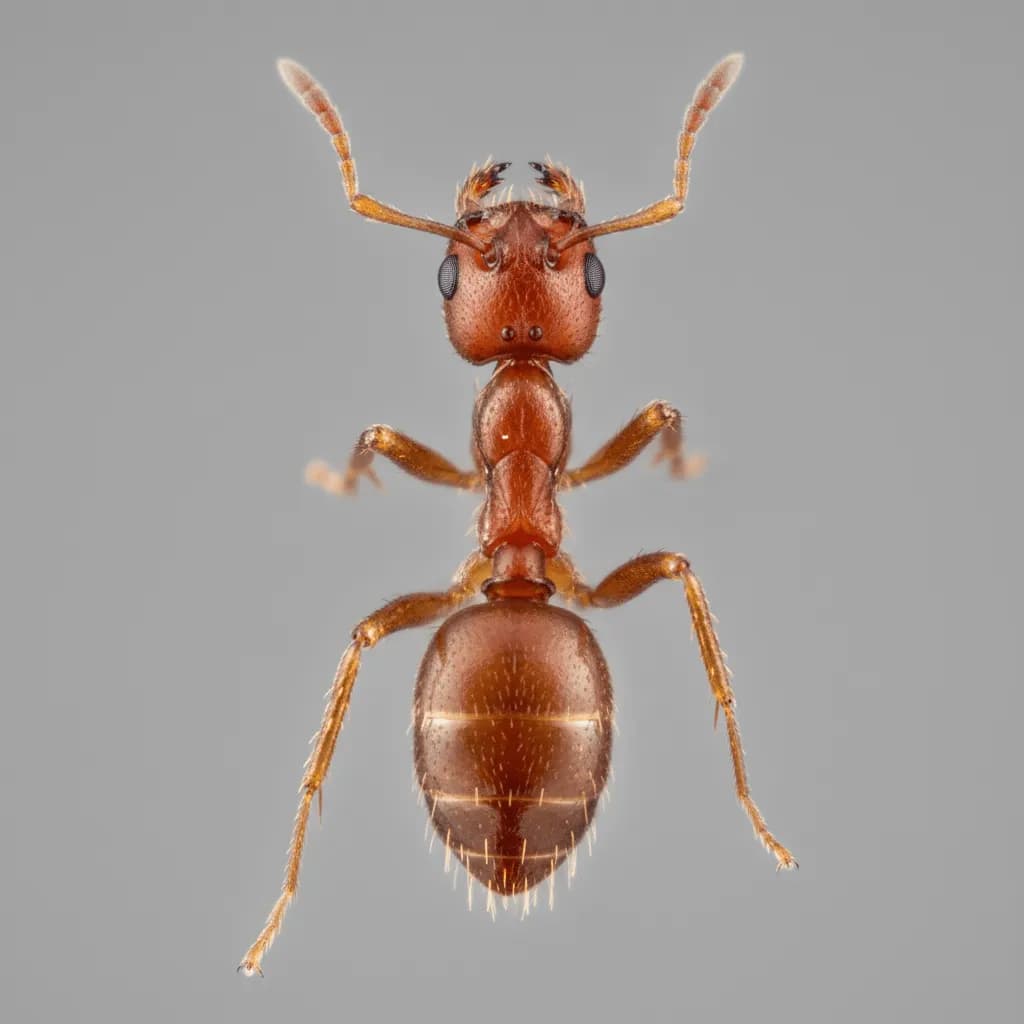
Thief Ant
Solenopsis molesta
The Thief Ant gets its name from its habit of nesting near larger ant colonies and stealing their food and brood.
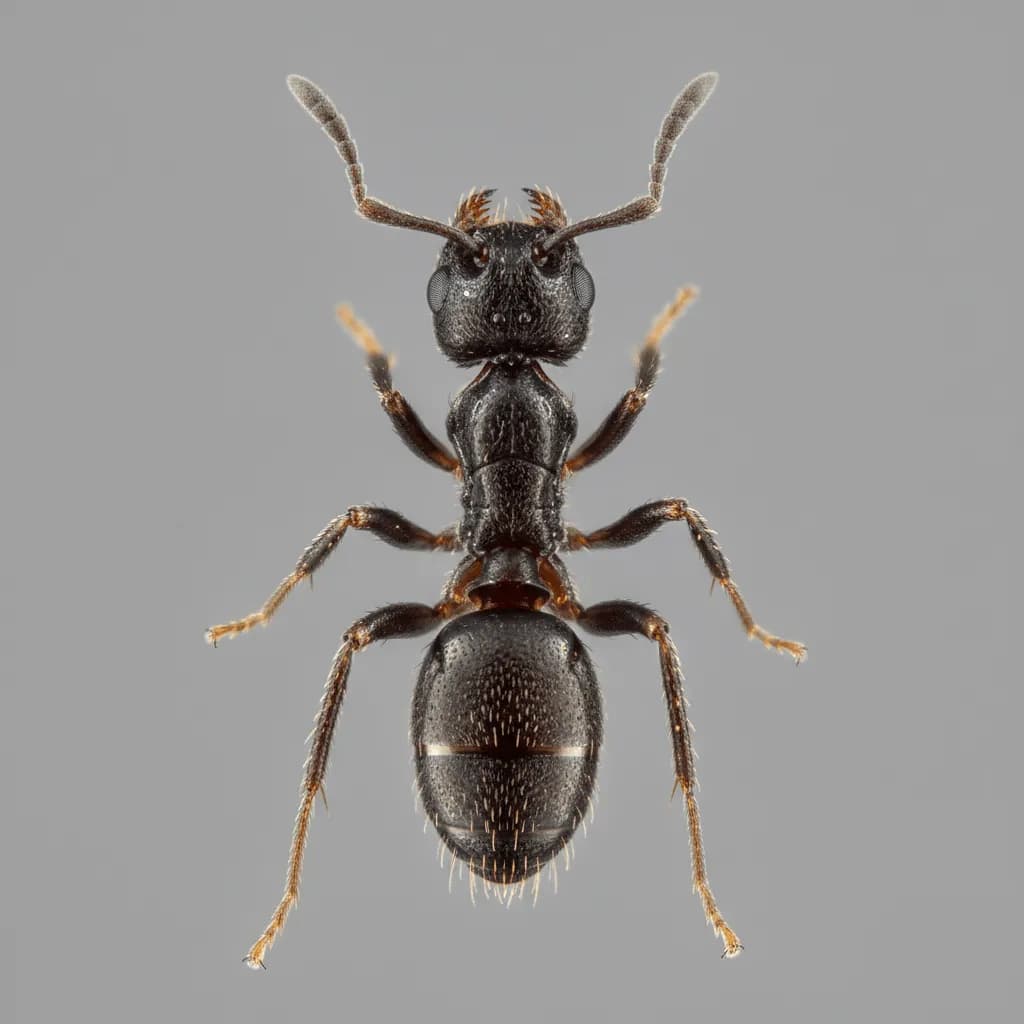
Little Black Ant
Monomorium minimum
The Little Black Ant is one of the most common and widespread ant species in the eastern United States.
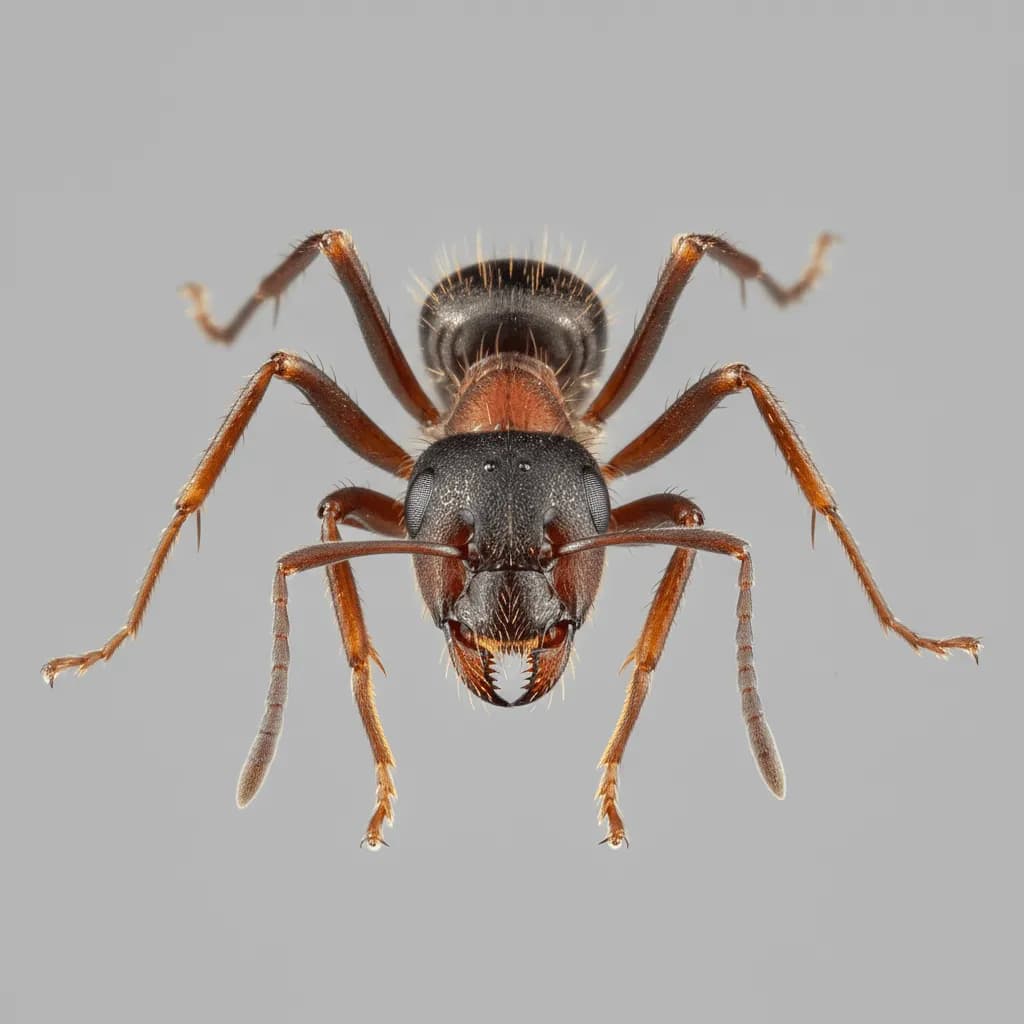
Field Ant
Formica spp.
Field Ants are a large genus with many species across North America.
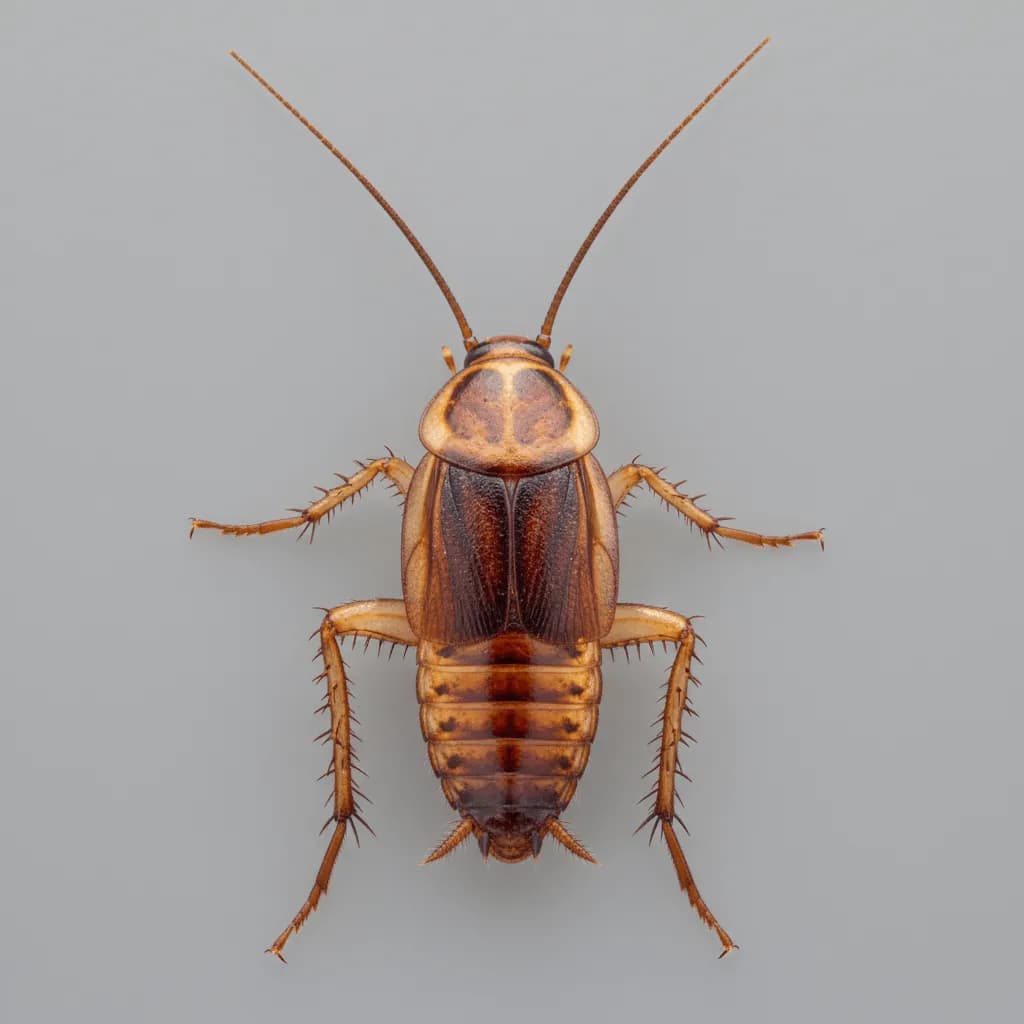
German Cockroach
Blattella germanica
The German Cockroach is the most common and economically important pest cockroach worldwide.
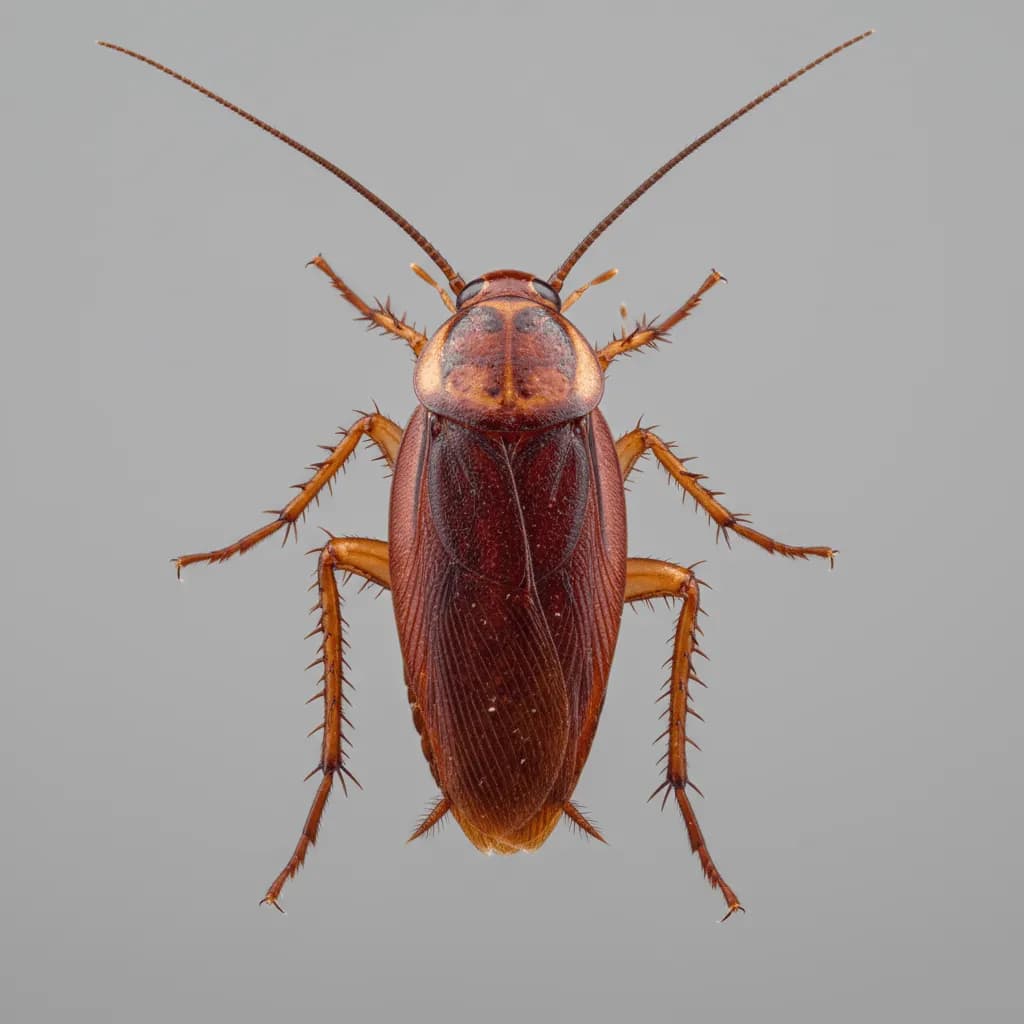
American Cockroach
Periplaneta americana
The American Cockroach is the largest cockroach species commonly found in U.
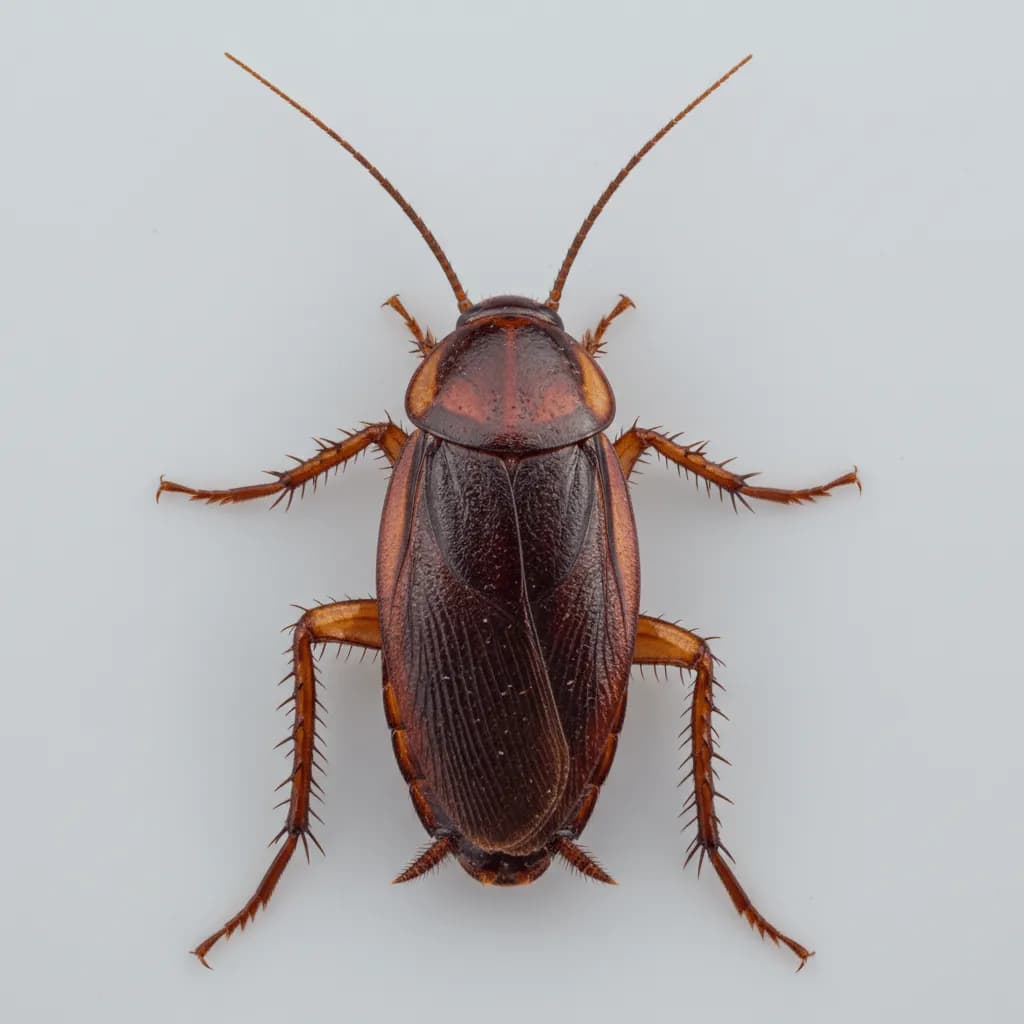
Oriental Cockroach
Blatta orientalis
The Oriental Cockroach is a dark, sluggish species associated with damp, cool environments.
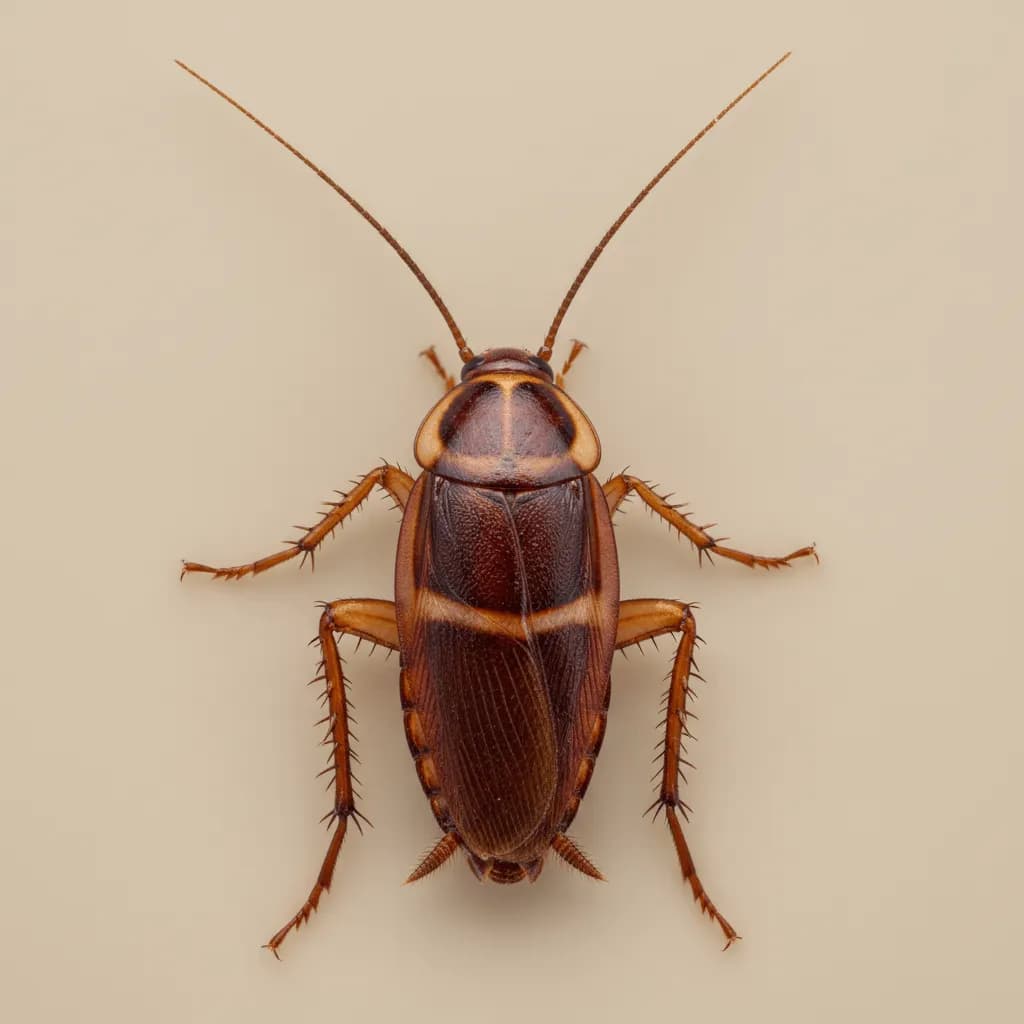
Brown-Banded Cockroach
Supella longipalpa
The Brown-Banded Cockroach is a small species that differs from the German cockroach by favoring warm, dry areas throughout the home rather than concentrating in kitchens and bathrooms.
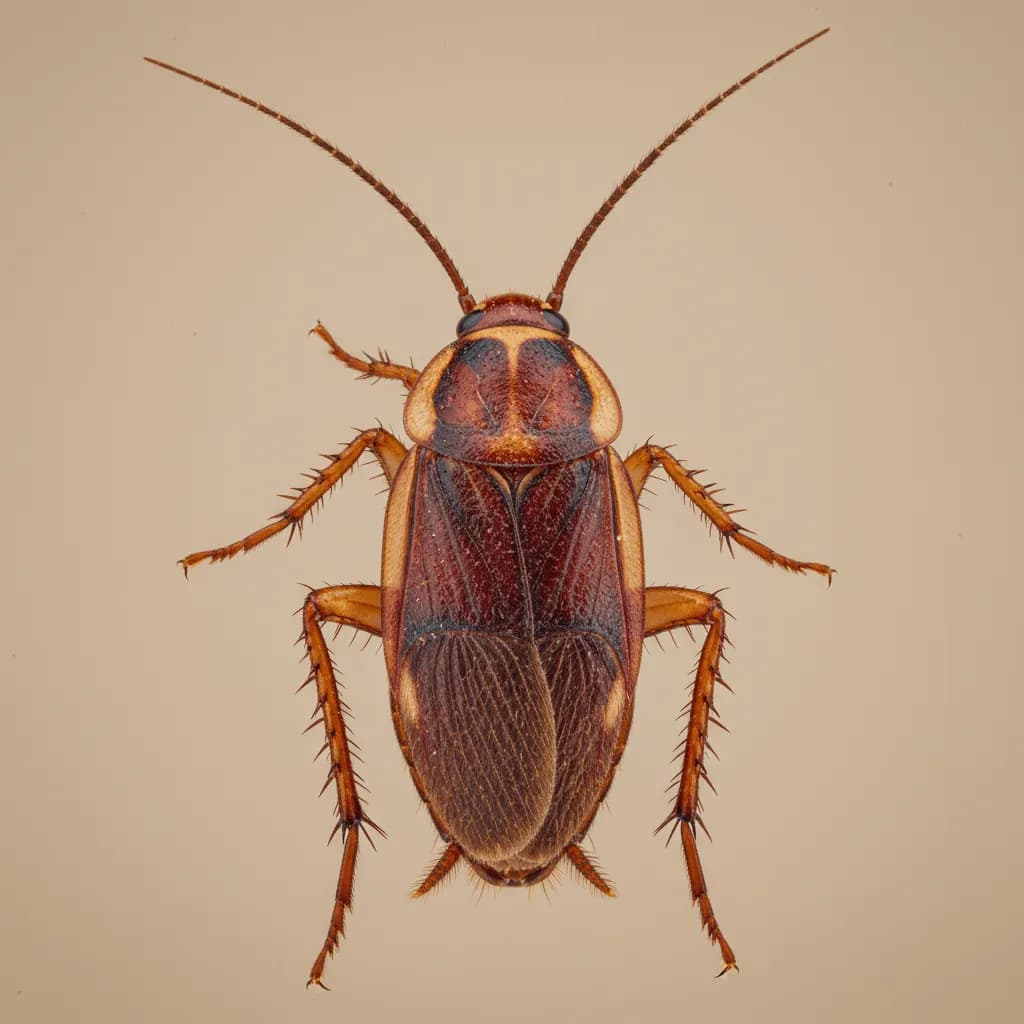
Pennsylvania Wood Cockroach
Parcoblatta pennsylvanica
The Pennsylvania Wood Cockroach is a native species that lives in forests under bark, in leaf litter, and in woodpiles.
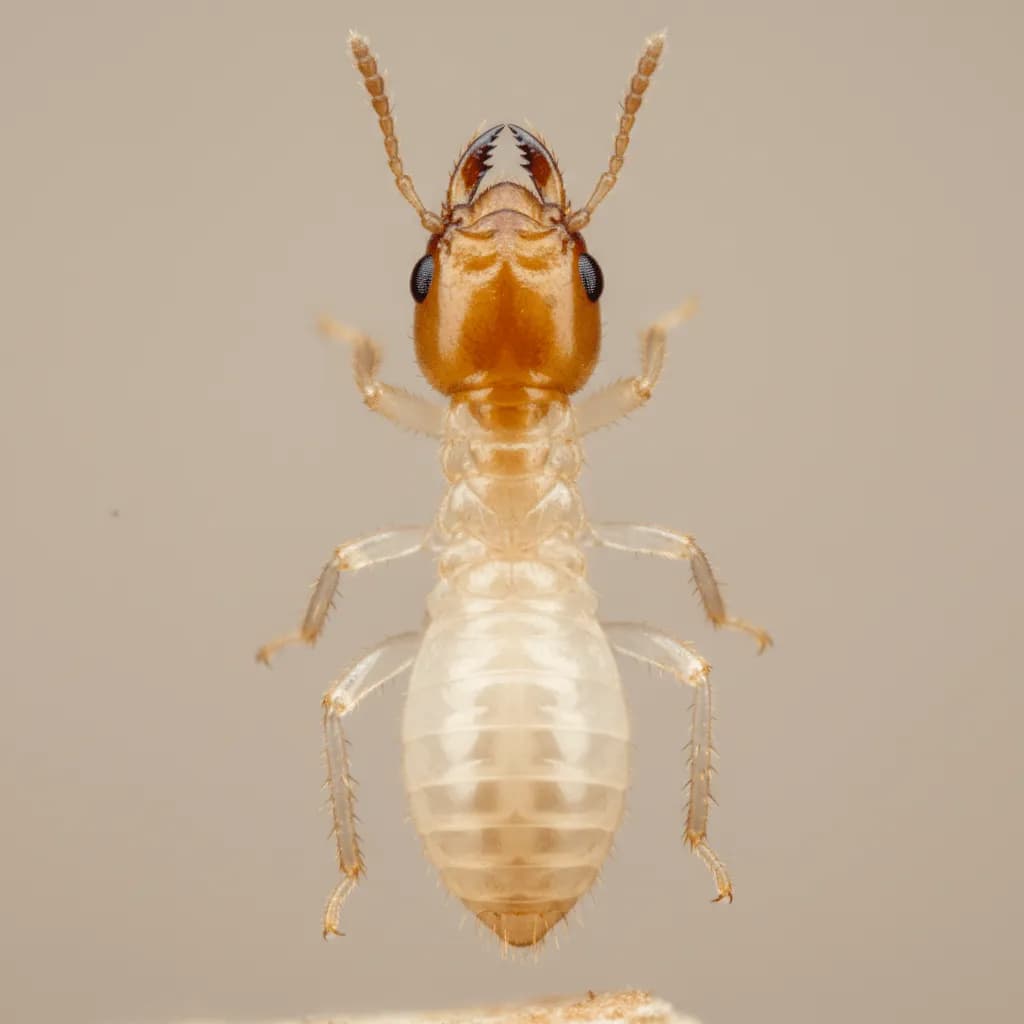
Eastern Subterranean Termite
Reticulitermes flavipes
The Eastern Subterranean Termite is the most common and economically important termite in the United States, responsible for billions of dollars in structural damage annually.
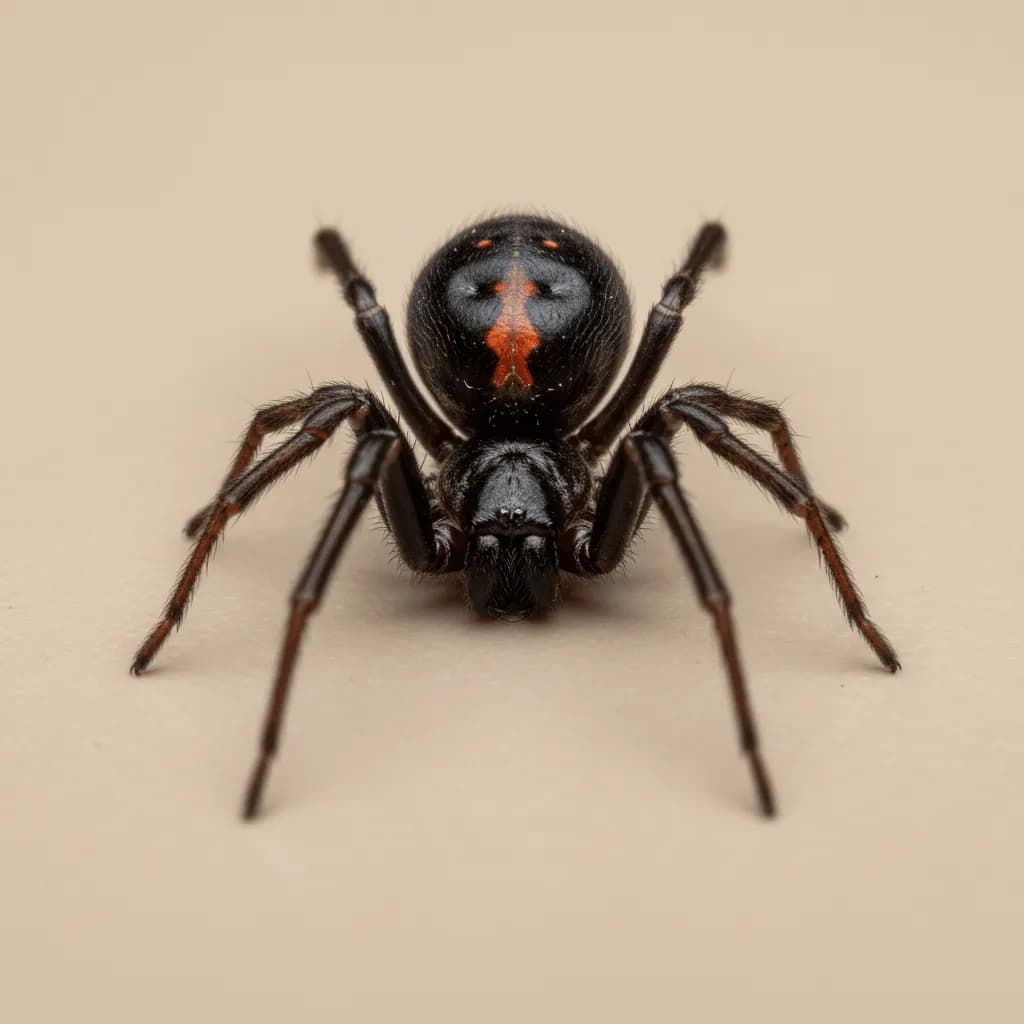
Northern Black Widow
Latrodectus variolus
The Northern Black Widow is found in the northeastern and midwestern United States, overlapping with the Southern species in the mid-Atlantic.
+107 more pests common in this region
States in This Region
Need Help With Pests in the Northeast?
Pest challenges in the Northeast are shaped by local climate, housing styles, and seasonal patterns. Lotus Pest Control delivers targeted treatment based on what's actually active in your area.