
Common Pests in the Southwest
The Southwest's arid climate creates unique pest challenges, with many species adapted to extreme heat and dry conditions. Scorpions, bark scorpions in particular, are a signature concern alongside persistent termite and ant pressure. Monsoon rains trigger rapid pest population explosions during late summer.
Arid to semi-arid conditions with extreme summer heat often exceeding 110F, mild winters, and a monsoon season from July through September that brings sudden moisture to the desert landscape.
Seasonal Pest Activity
spring
Bark scorpions emerge from winter harborage as temperatures rise. Subterranean termites swarm heavily in March and April. Fire ants resume aggressive mound building. Africanized honey bees begin swarming and establishing new colonies in walls and sheds.
summer
Scorpion activity peaks as nighttime temperatures remain warm. Mosquitoes explode after monsoon rains fill washes and low-lying areas. Black widows are commonly found in garages, sheds, and block walls. Cockroaches seek indoor shelter from extreme heat. Kissing bugs become active near homes at night.
fall
Rodents begin seeking indoor harborage as desert nights cool. Scorpions may enter homes in large numbers seeking warmth. Occasional invaders like crickets and earwigs increase around exterior lighting. Tarantulas are spotted during mating season migrations.
winter
Mild desert winters keep many pests semi-active. Roof rats and house mice are the primary indoor concern. Overwintering scorpions can be found in attics and wall voids. German cockroaches remain active in kitchens and bathrooms. Subterranean termites continue feeding below ground.
Top Pests in the Southwest (84)
These pests are commonly encountered across Texas, Arizona, New Mexico, Oklahoma.
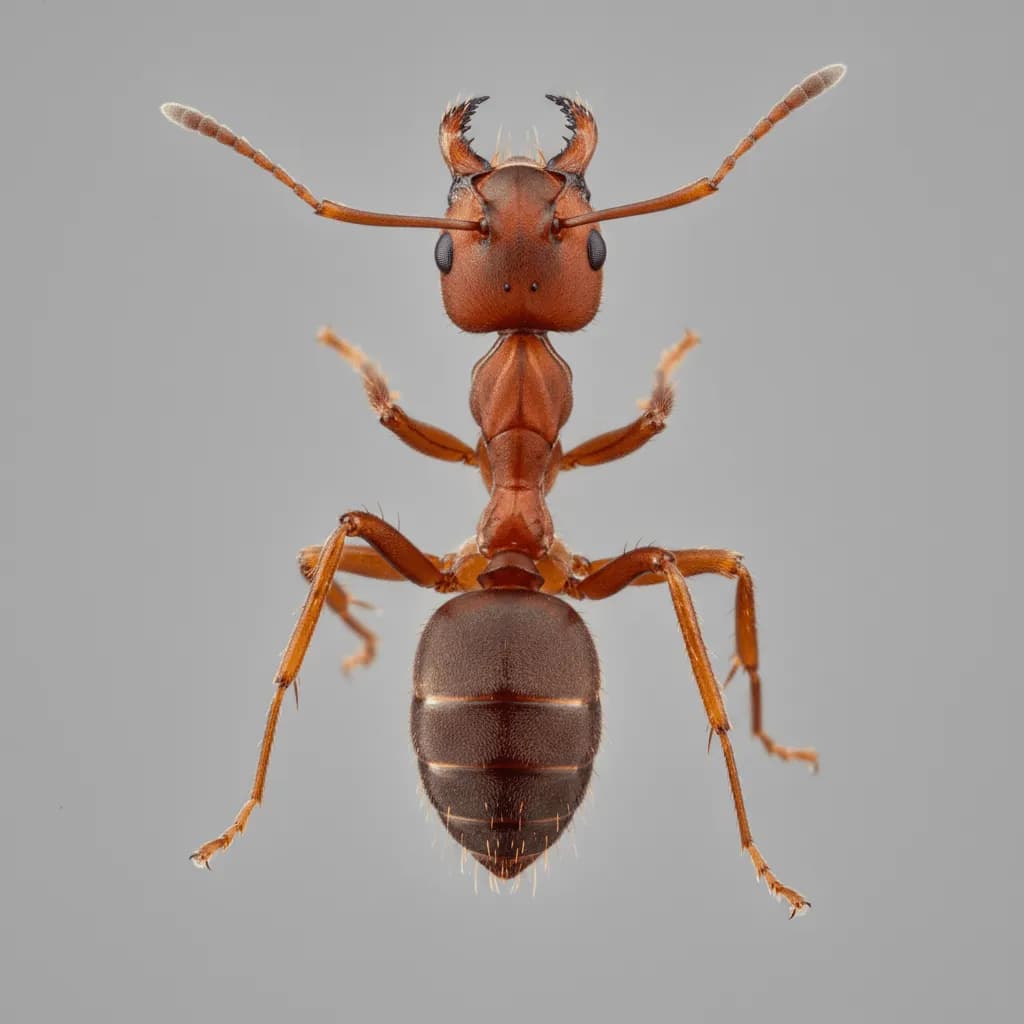
Red Imported Fire Ant
Solenopsis invicta
Originally from South America, the Red Imported Fire Ant is one of the most economically damaging invasive pests in the southern United States.
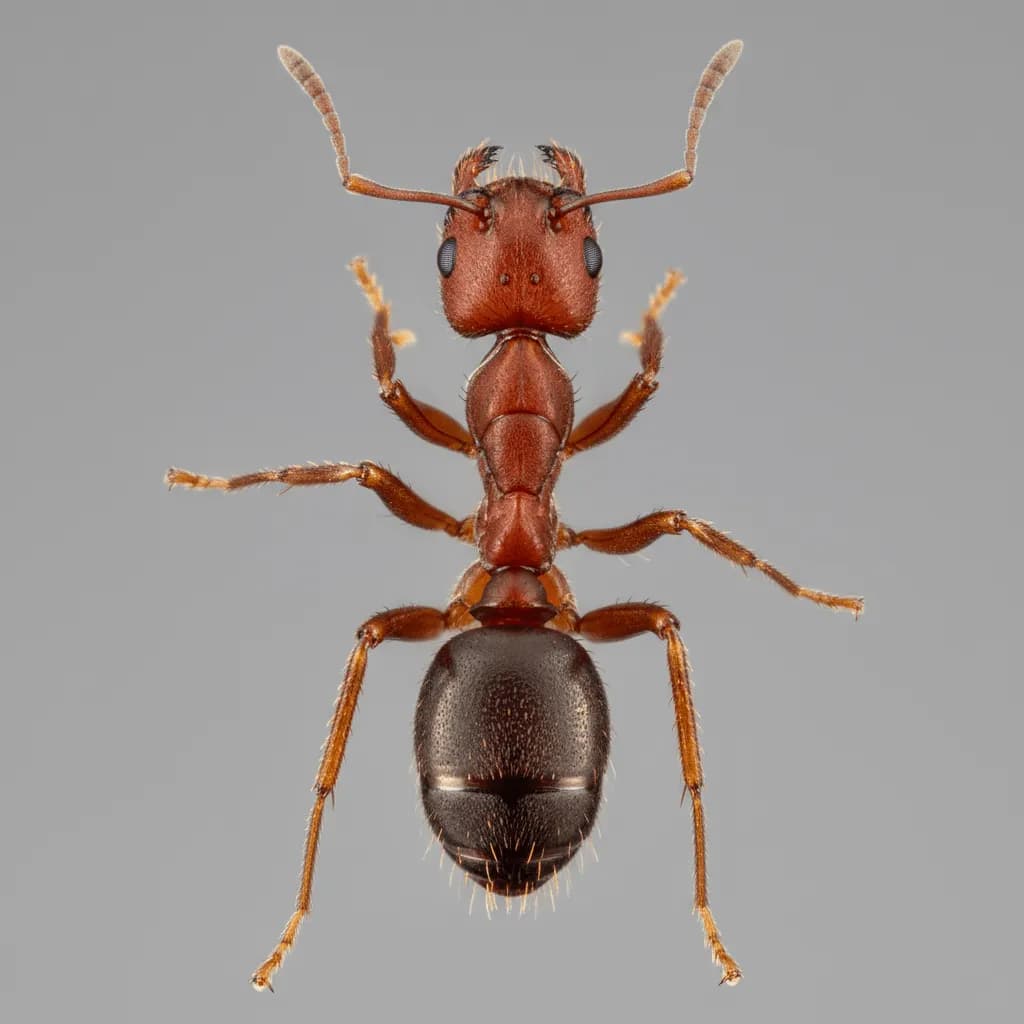
Southern Fire Ant
Solenopsis xyloni
The Southern Fire Ant is native to the United States and inhabits arid to semi-arid regions of the South and Southwest.
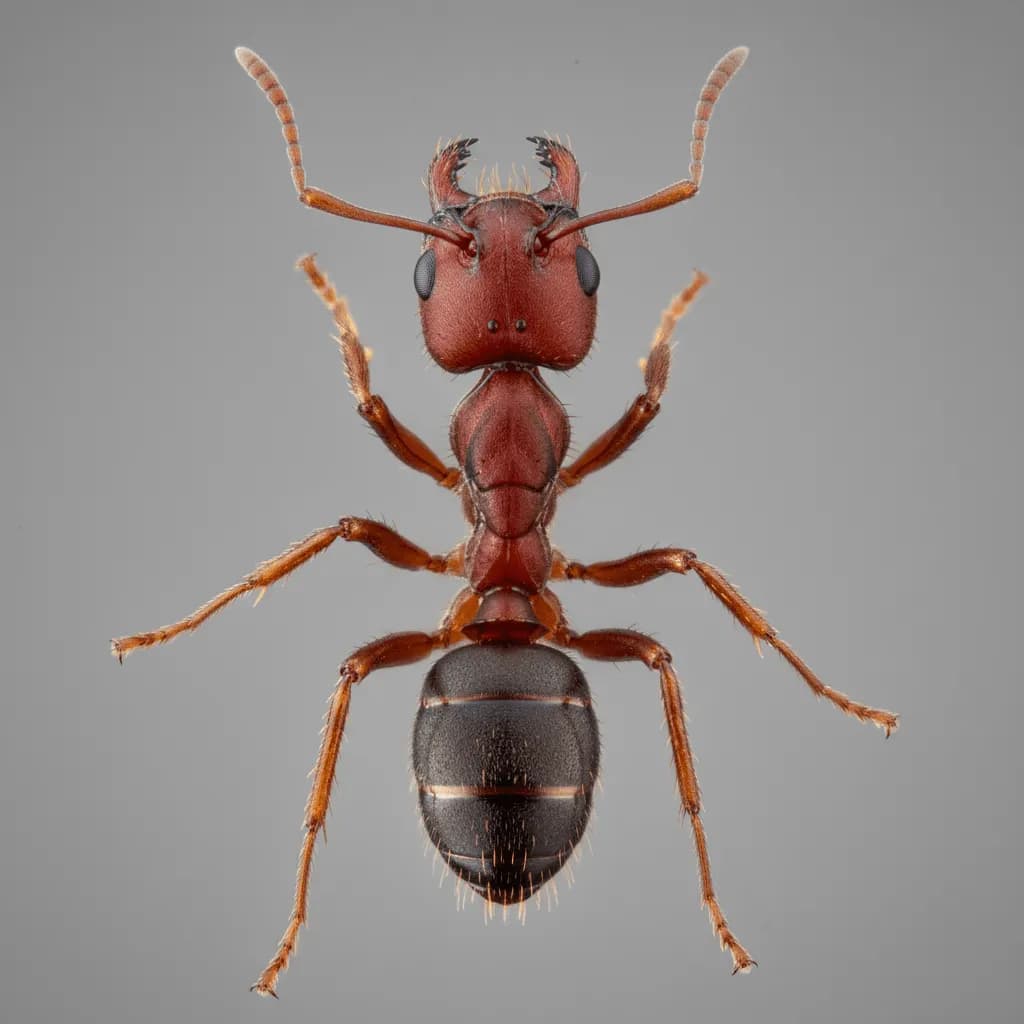
Tropical Fire Ant
Solenopsis geminata
The Tropical Fire Ant is a pantropical species found in the warmest parts of the southern United States, especially Hawaii and coastal Florida.
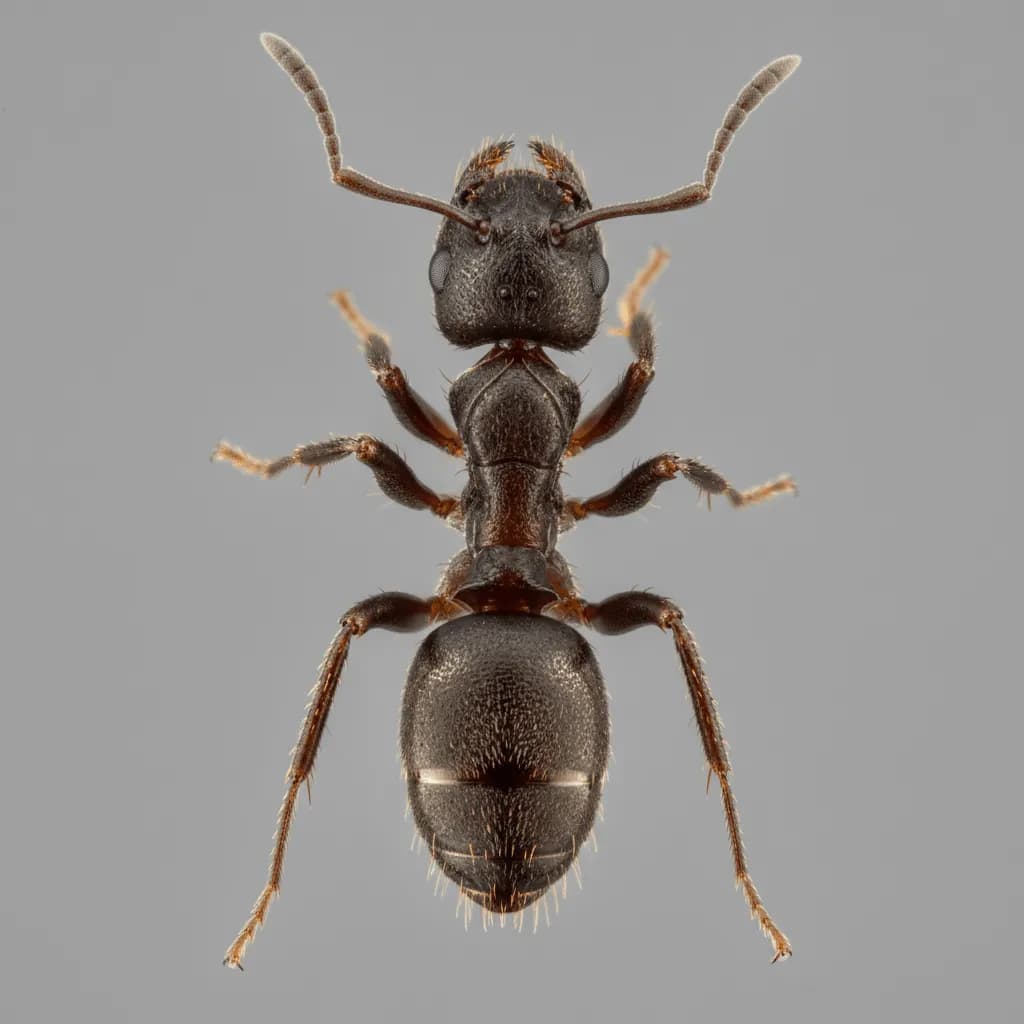
Odorous House Ant
Tapinoma sessile
The Odorous House Ant is one of the most common household-invading ants in the United States.
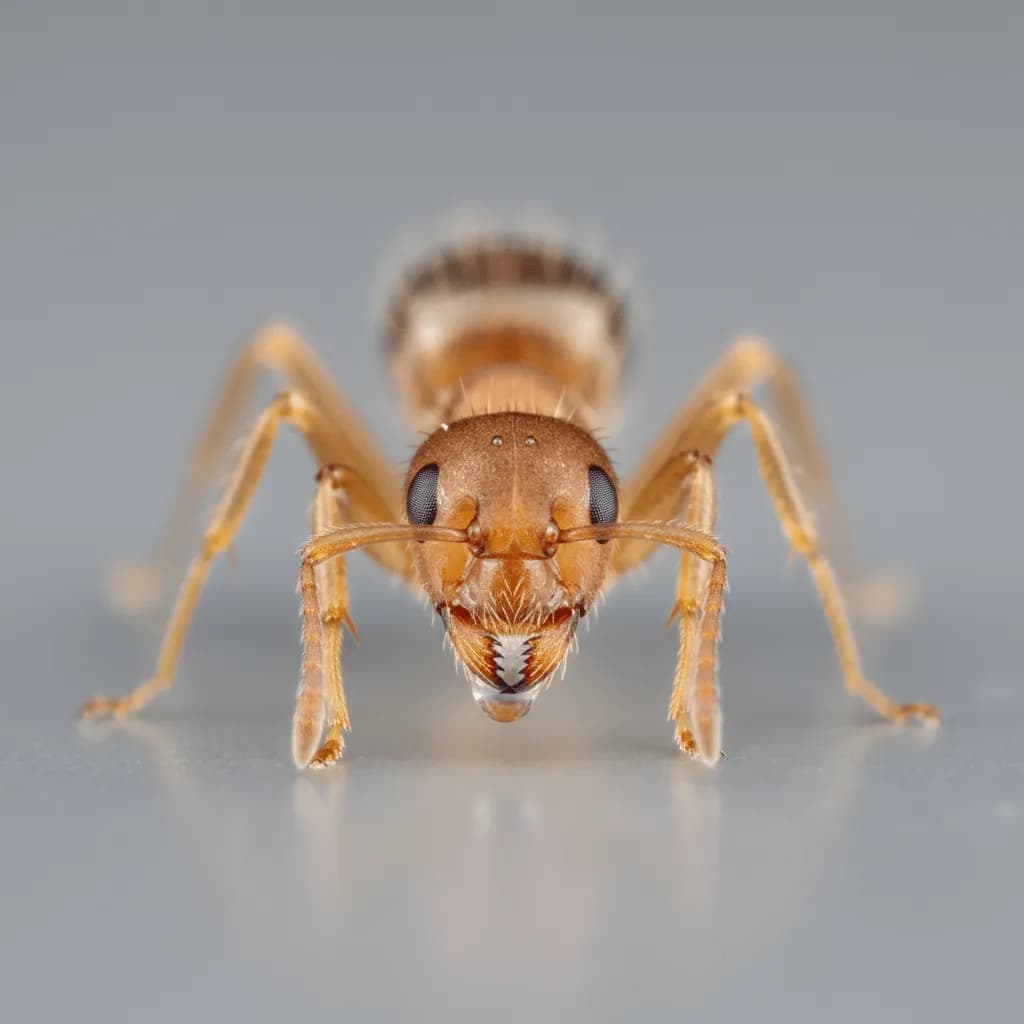
Pharaoh Ant
Monomorium pharaonis
The Pharaoh Ant is a tiny tropical species that thrives in heated buildings throughout the United States.
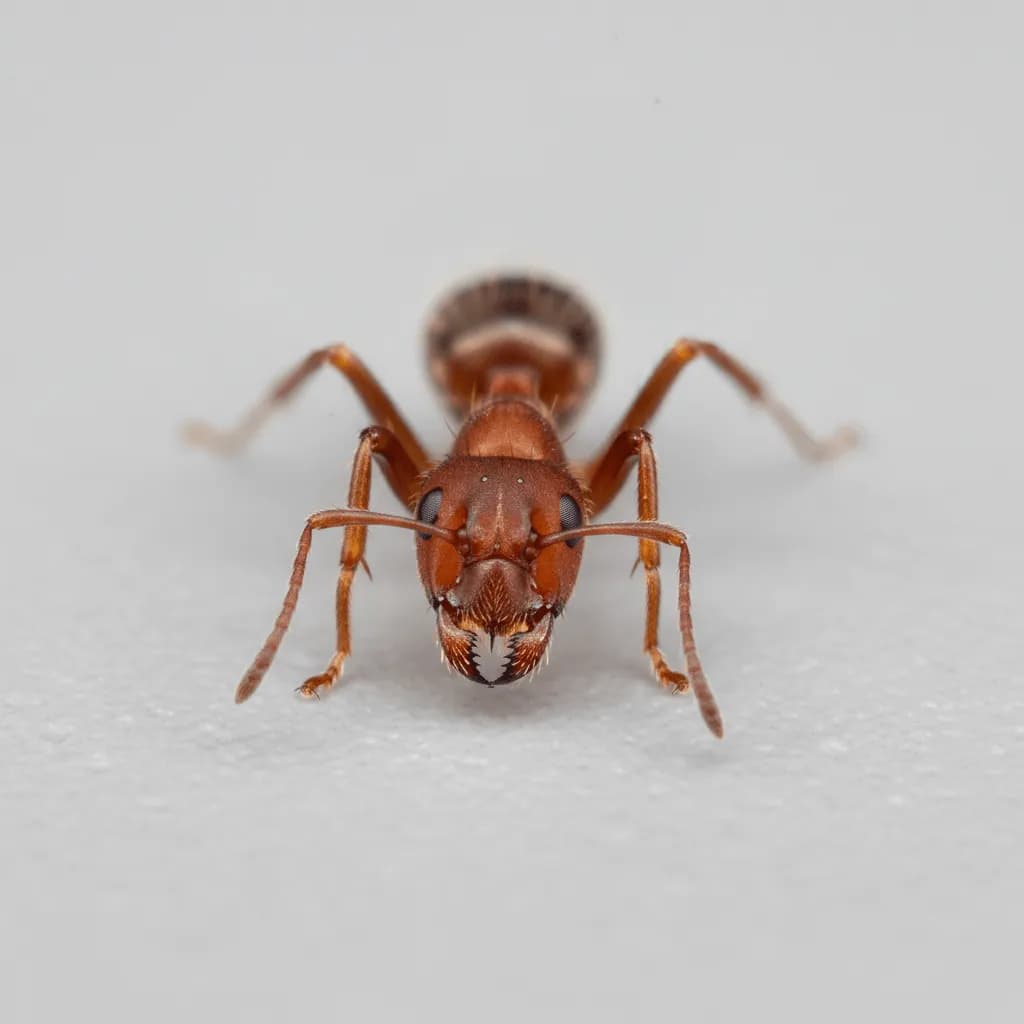
Argentine Ant
Linepithema humile
The Argentine Ant is an invasive species that forms enormous supercolonies stretching hundreds of miles.
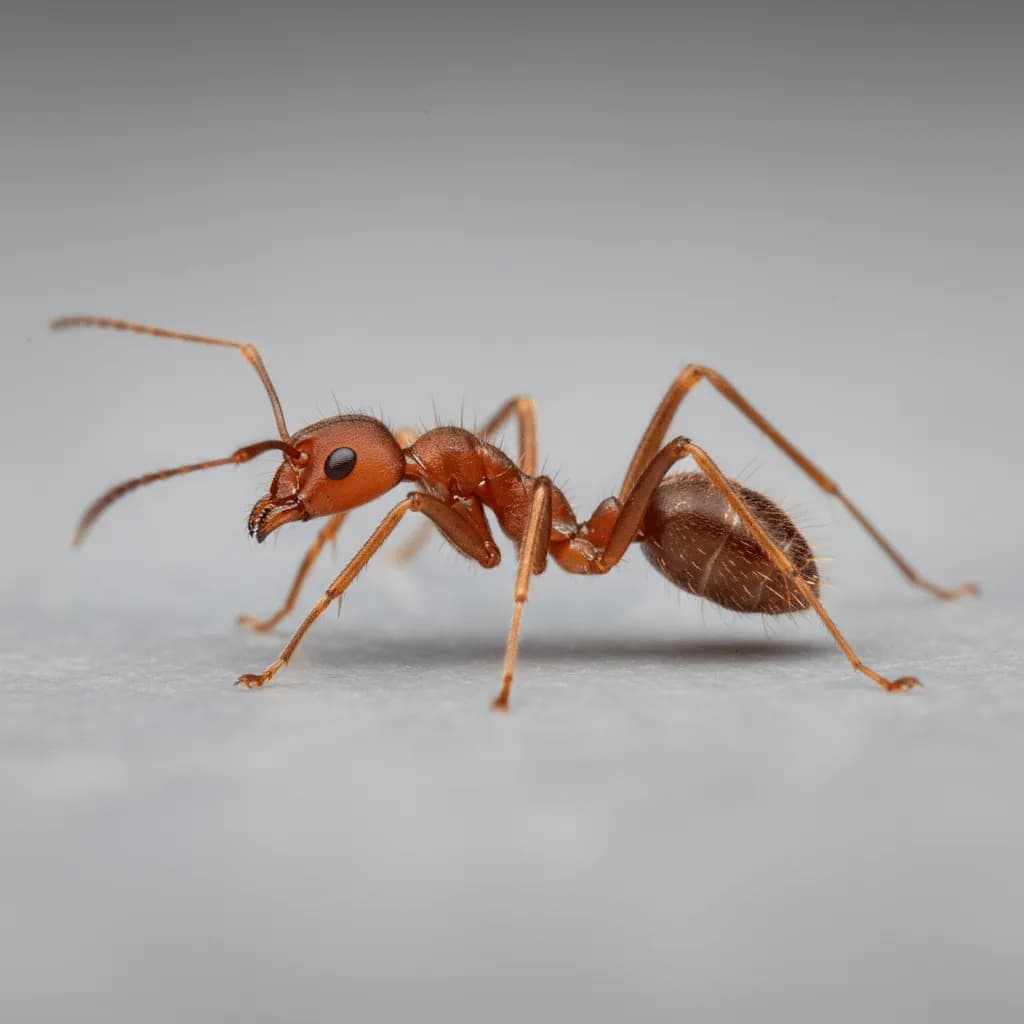
Tawny Crazy Ant
Nylanderia fulva
The Tawny Crazy Ant is an invasive species from South America that has spread rapidly across the Gulf Coast states since its discovery in Texas in 2002.
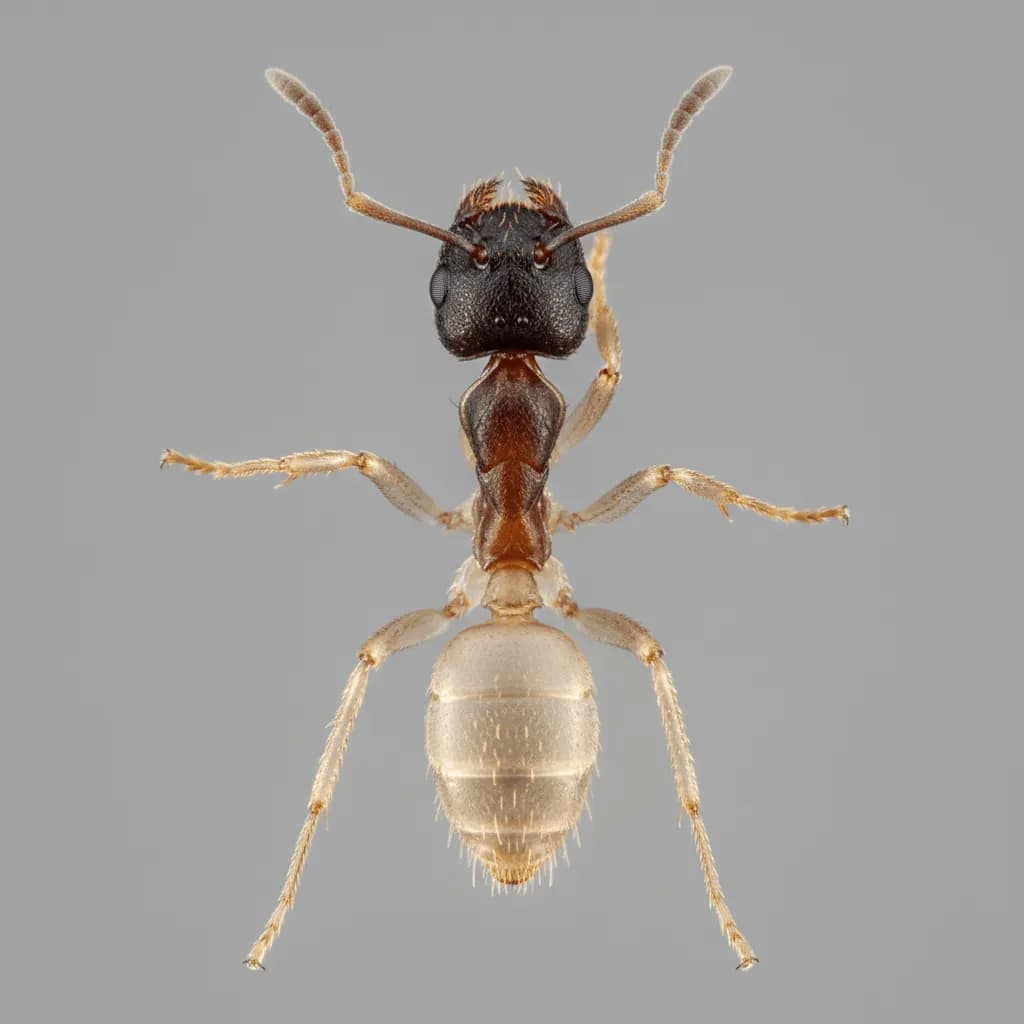
Ghost Ant
Tapinoma melanocephalum
The Ghost Ant is a tropical species that infests heated buildings in the southern United States and has become established indoors throughout the country.
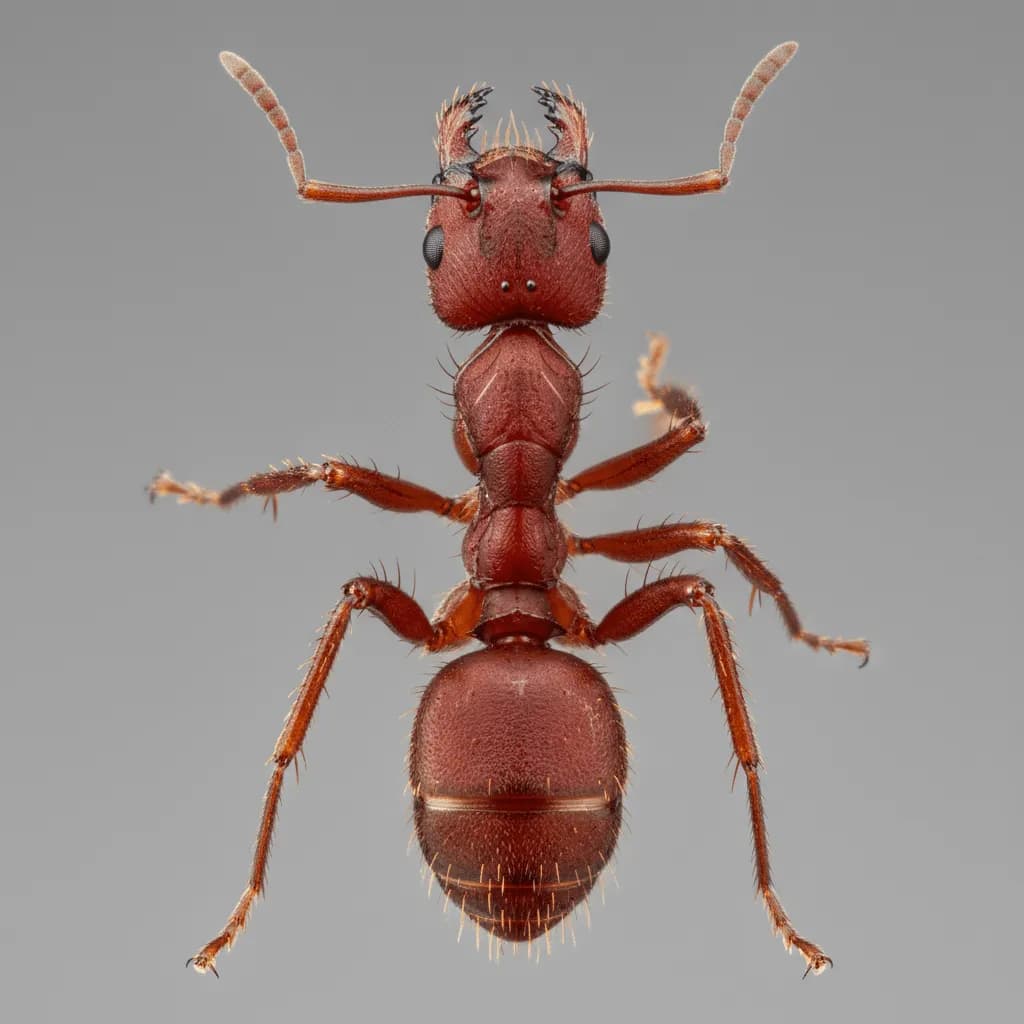
Red Harvester Ant
Pogonomyrmex barbatus
The Red Harvester Ant is a large, conspicuous species of the arid Southwest and Southern Plains.
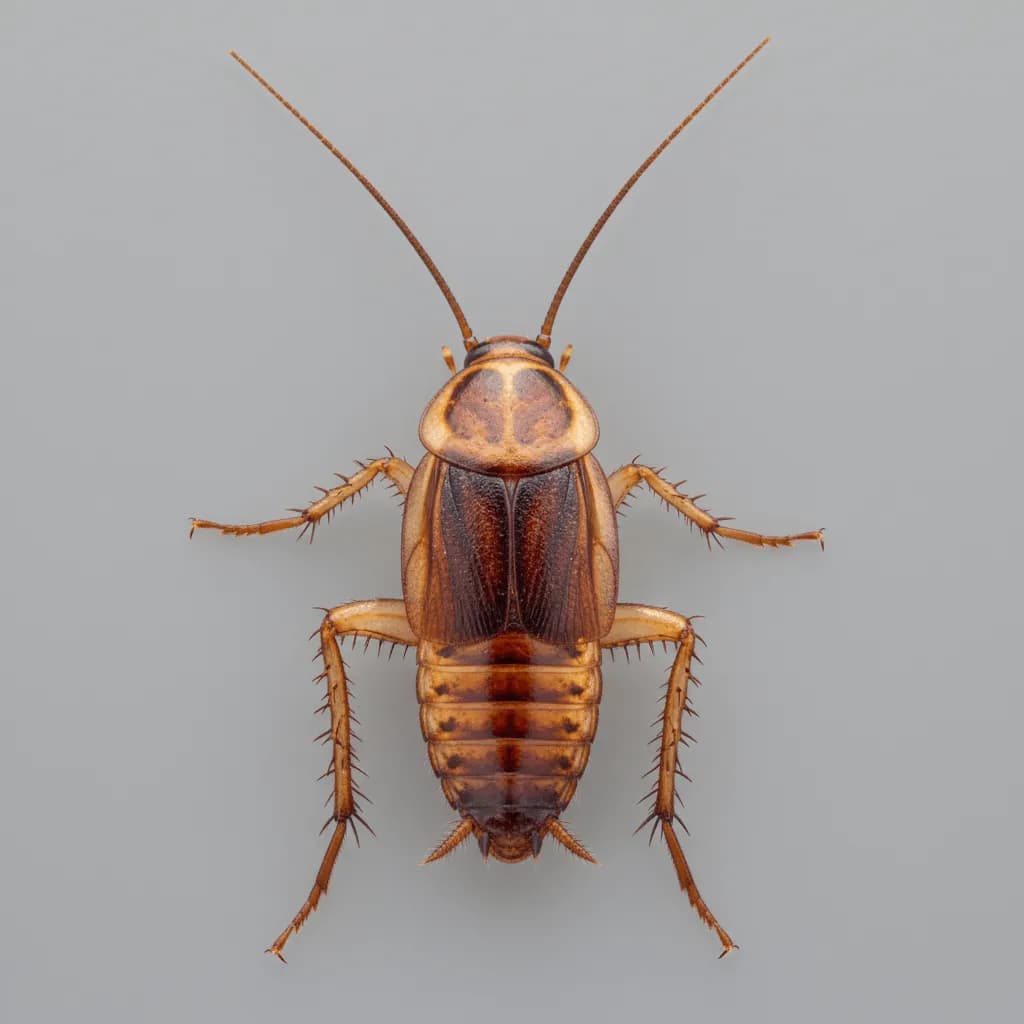
German Cockroach
Blattella germanica
The German Cockroach is the most common and economically important pest cockroach worldwide.
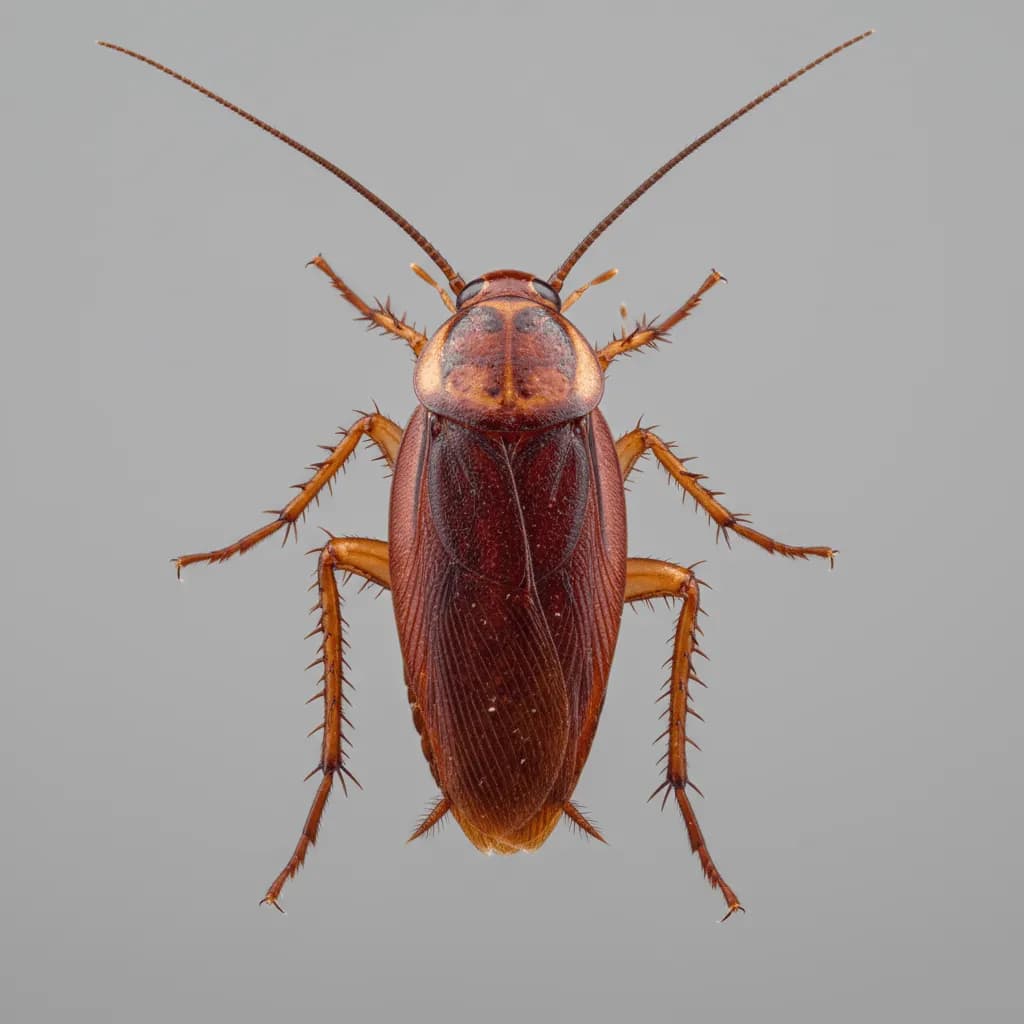
American Cockroach
Periplaneta americana
The American Cockroach is the largest cockroach species commonly found in U.
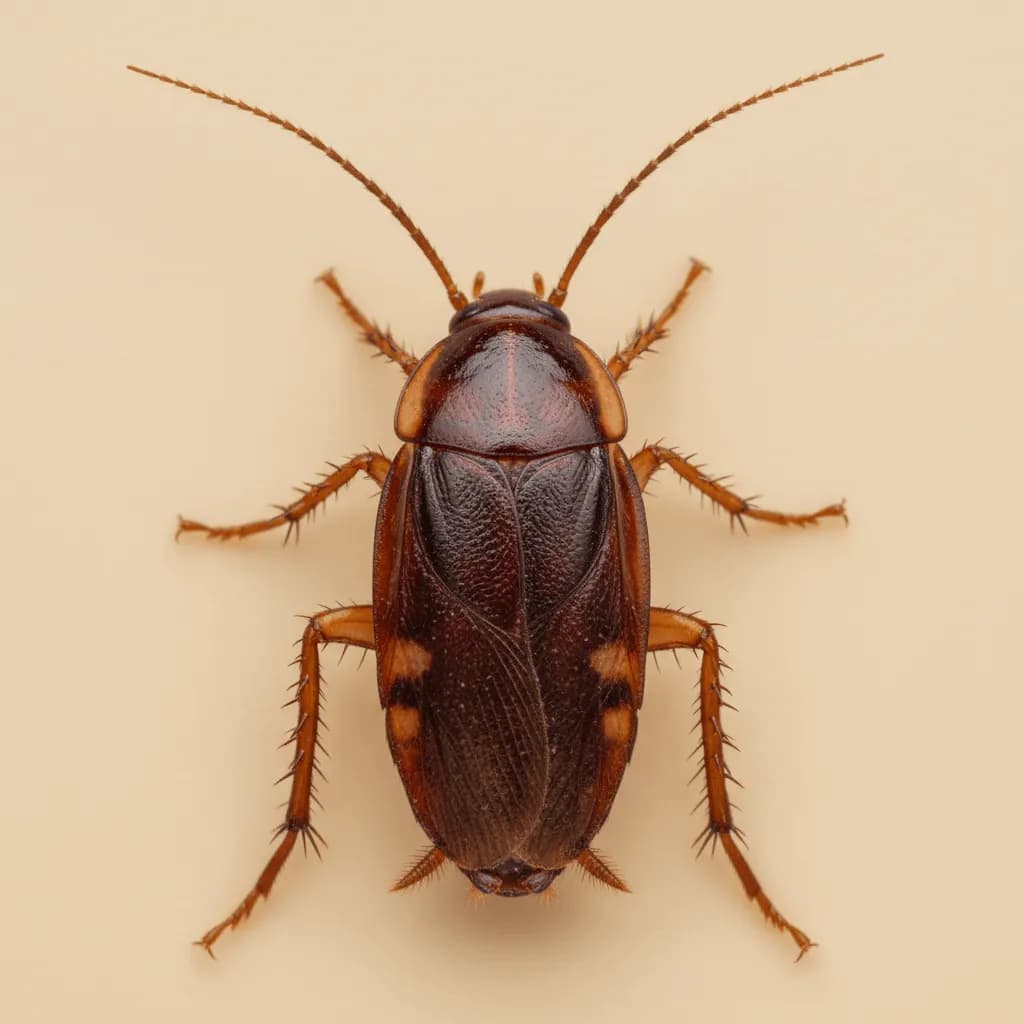
Surinam Cockroach
Pycnoscelus surinamensis
The Surinam Cockroach is a subtropical burrowing species that lives in soil, compost, and potted plant media.
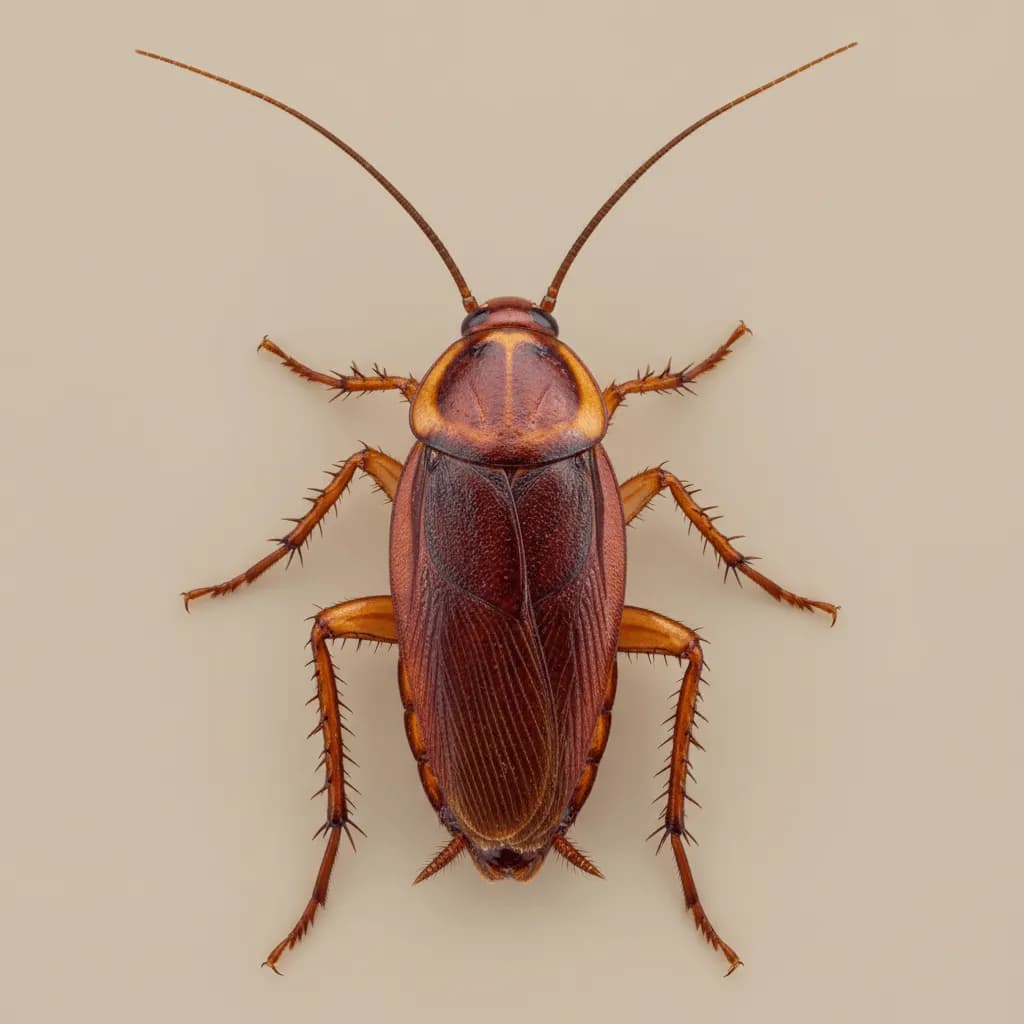
Australian Cockroach
Periplaneta australasiae
The Australian Cockroach resembles the American Cockroach but is slightly smaller and has distinctive yellow markings.
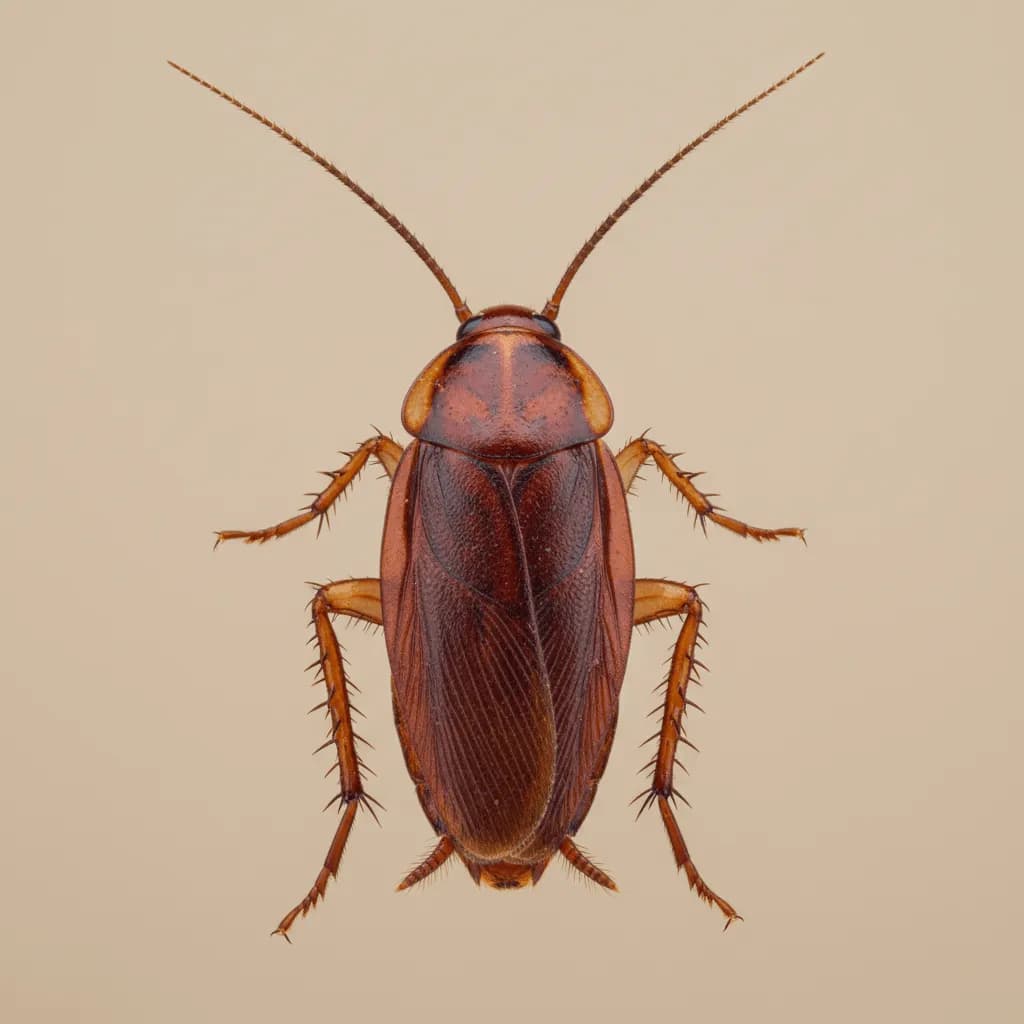
Turkestan Cockroach
Shelfordella lateralis
The Turkestan Cockroach is native to Central Asia and has spread rapidly across the southwestern United States since its introduction in the 1970s.
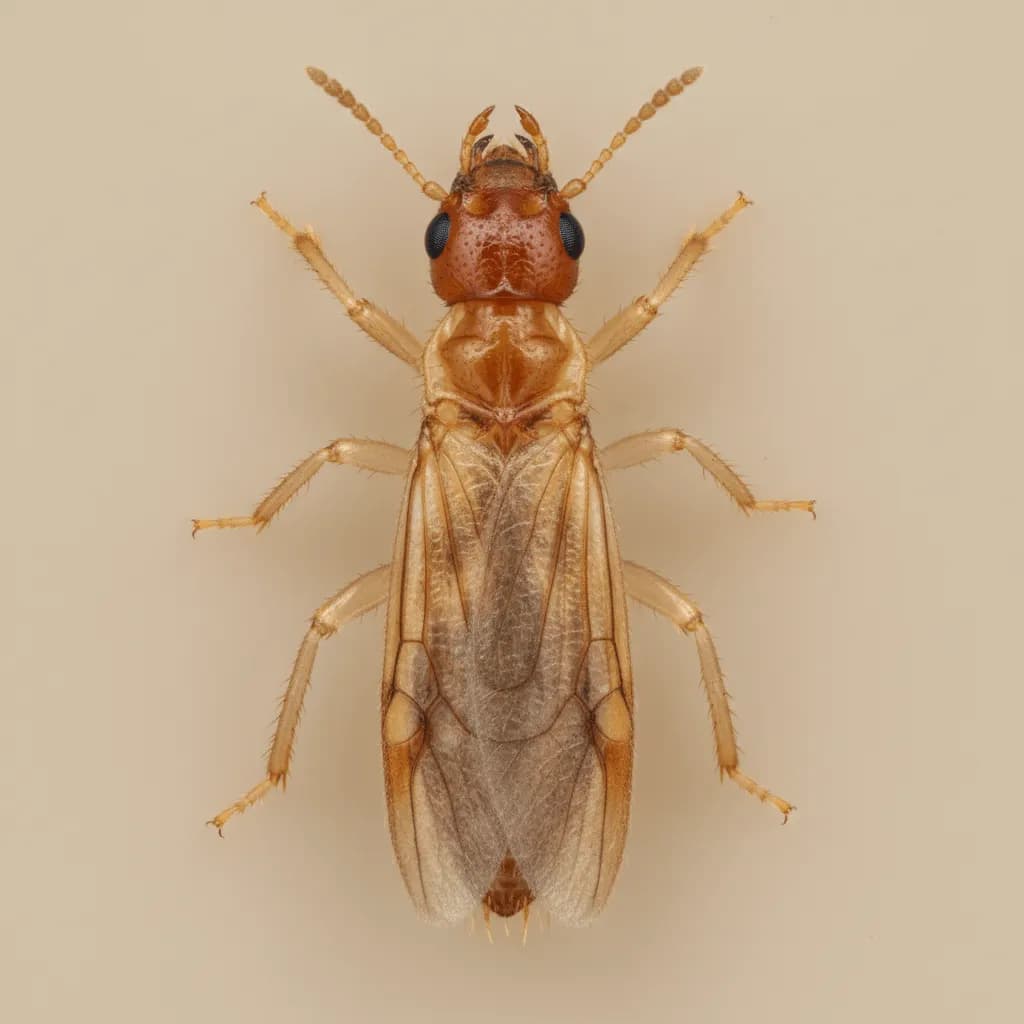
Western Drywood Termite
Incisitermes minor
The Western Drywood Termite infests dry, structural wood without needing soil contact or external moisture.
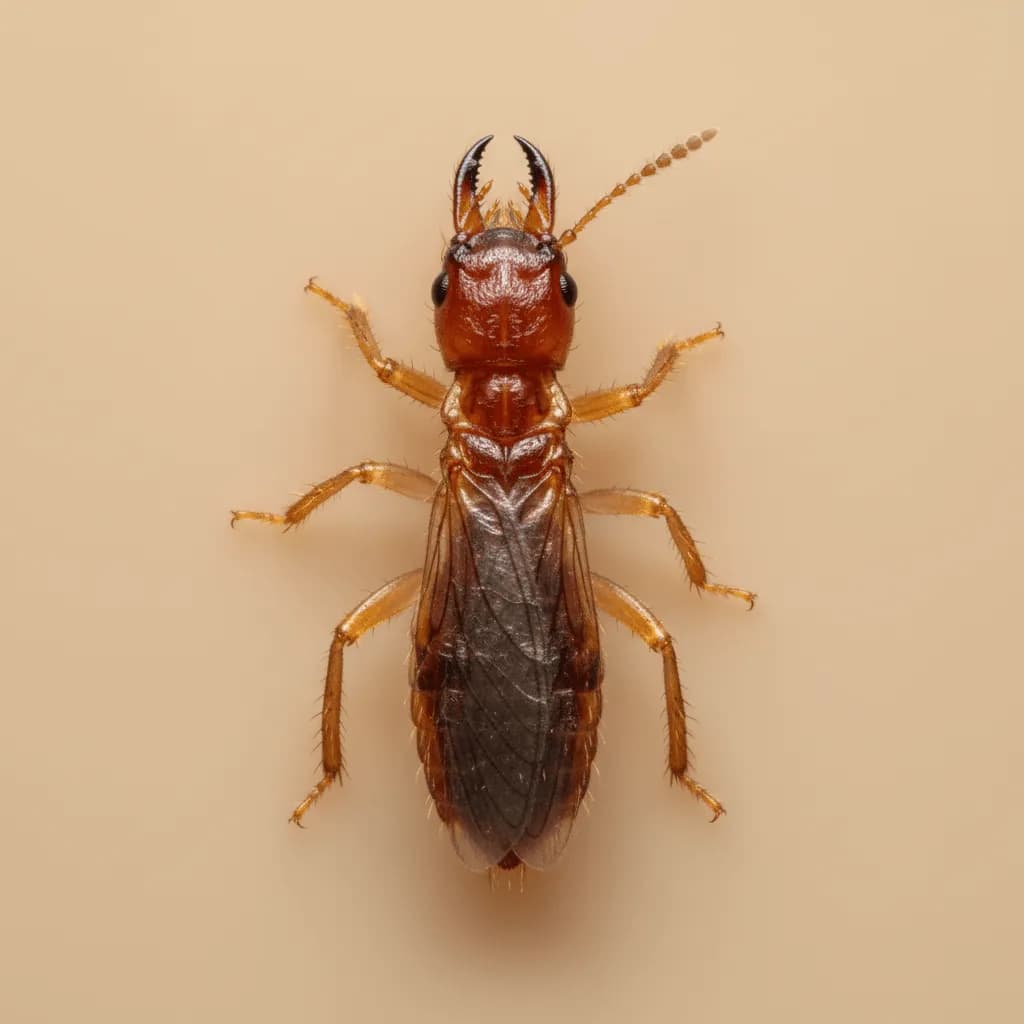
Pacific Dampwood Termite
Zootermopsis angusticollis
The Pacific Dampwood Termite is one of the largest termite species in North America.
+68 more pests common in this region
States in This Region
Need Help With Pests in the Southwest?
Pest challenges in the Southwest are shaped by local climate, housing styles, and seasonal patterns. Lotus Pest Control delivers targeted treatment based on what's actually active in your area.