
Common Pests in the Great Plains
The Great Plains feature wide-open agricultural landscapes with extreme seasonal temperature swings that drive intense fall pest invasions. Low humidity reduces some pest pressure, but field-associated rodents, occasional invaders, and stinging insects remain significant concerns. Rural structures and grain storage facilities face unique pest challenges not seen in more urban regions.
Semi-arid continental climate with harsh, windy winters, hot summers, and dramatic temperature swings; precipitation is moderate and concentrated in spring and early summer.
Seasonal Pest Activity
spring
Pavement ants and field ants swarm from cracks in foundations and sidewalks. Termite swarmers emerge in southern portions of the region. Overwintering cluster flies and lady beetles exit wall voids. Voles and moles cause visible lawn damage as snow melts.
summer
Yellowjackets, paper wasps, and cicada killers are active around yards and structures. Mosquitoes breed in irrigation runoff, stock tanks, and low-lying areas after storms. Brown recluse spiders are found in basements, closets, and stored boxes. Pantry pests infest grain storage and feed supplies.
fall
Boxelder bugs and multicolored Asian lady beetles invade homes in enormous numbers. Field mice flood into structures following crop harvest. Stink bugs seek overwintering sites in wall voids and attics. Spiders become conspicuous indoors as they mature and wander.
winter
Deer mice and house mice are the primary winter pest, with hantavirus risk in rural outbuildings. German cockroaches persist in heated commercial kitchens. Stored product pests infest grain bins and pantries. Overwintering lady beetles and cluster flies emerge during brief warm spells.
Top Pests in the Great Plains (52)
These pests are commonly encountered across Kansas, Nebraska, North Dakota, South Dakota.
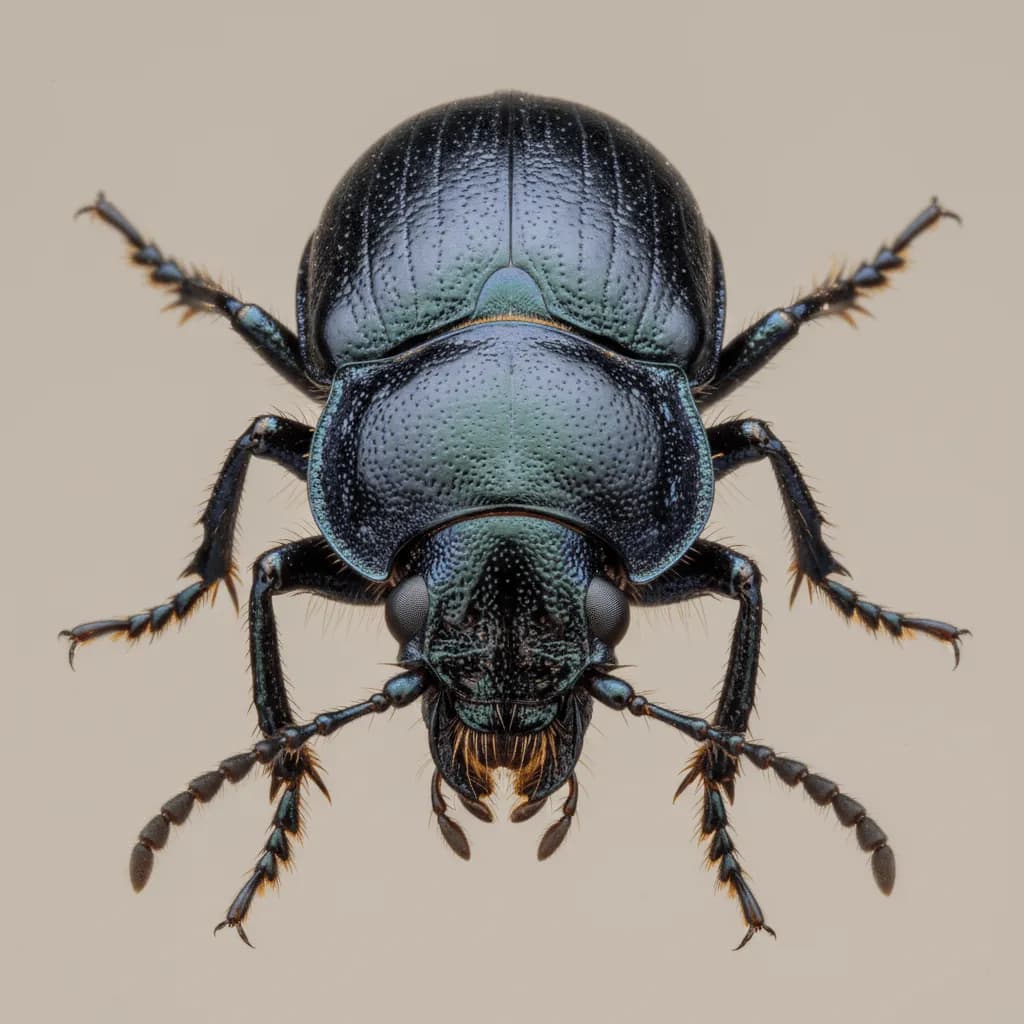
Ground Beetle
Harpalus pensylvanicus
Ground beetles are a large family of fast-running, nocturnal predatory beetles.
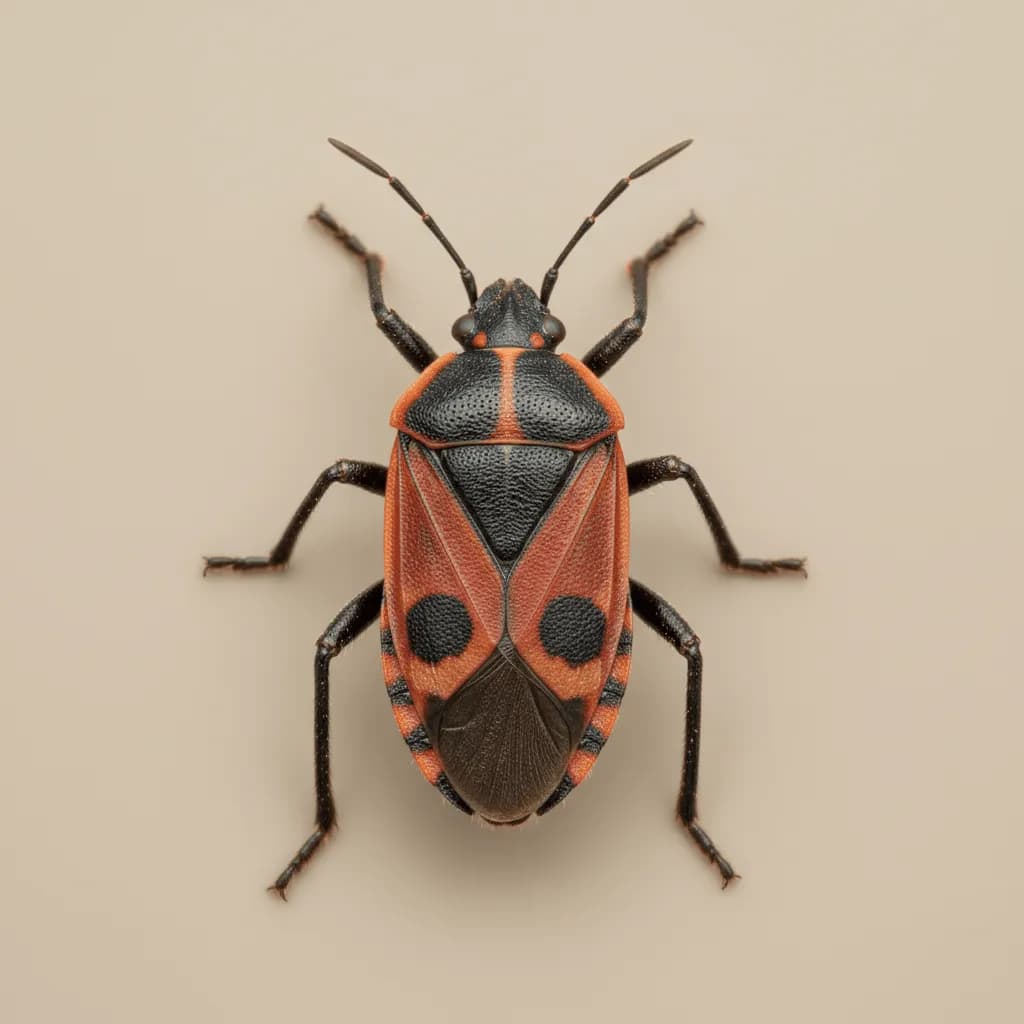
Boxelder Bug
Boisea trivittata
Boxelder Bugs are named for their primary host, the boxelder tree, though they also feed on maples and ashes.
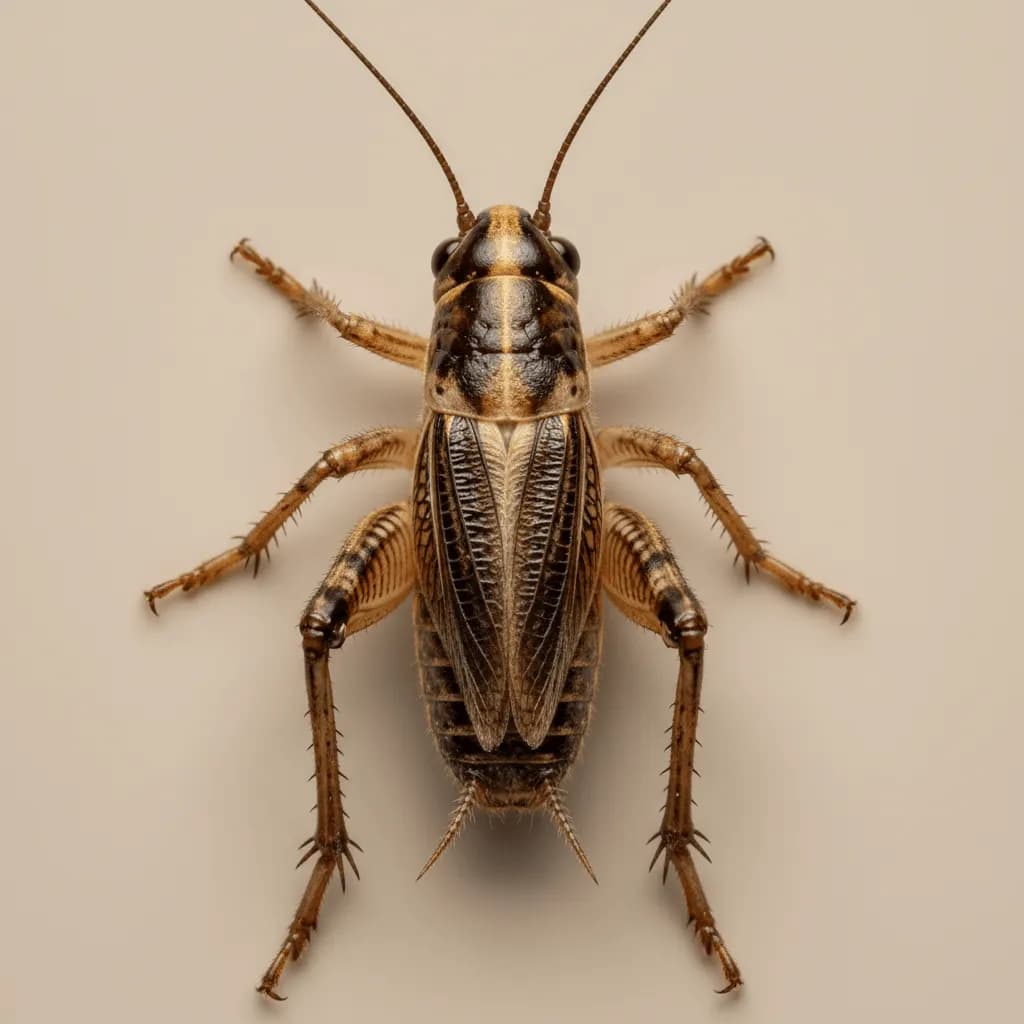
Cricket
Acheta domesticus
The House Cricket is one of the most familiar household invaders, known for the persistent chirping of males seeking mates.
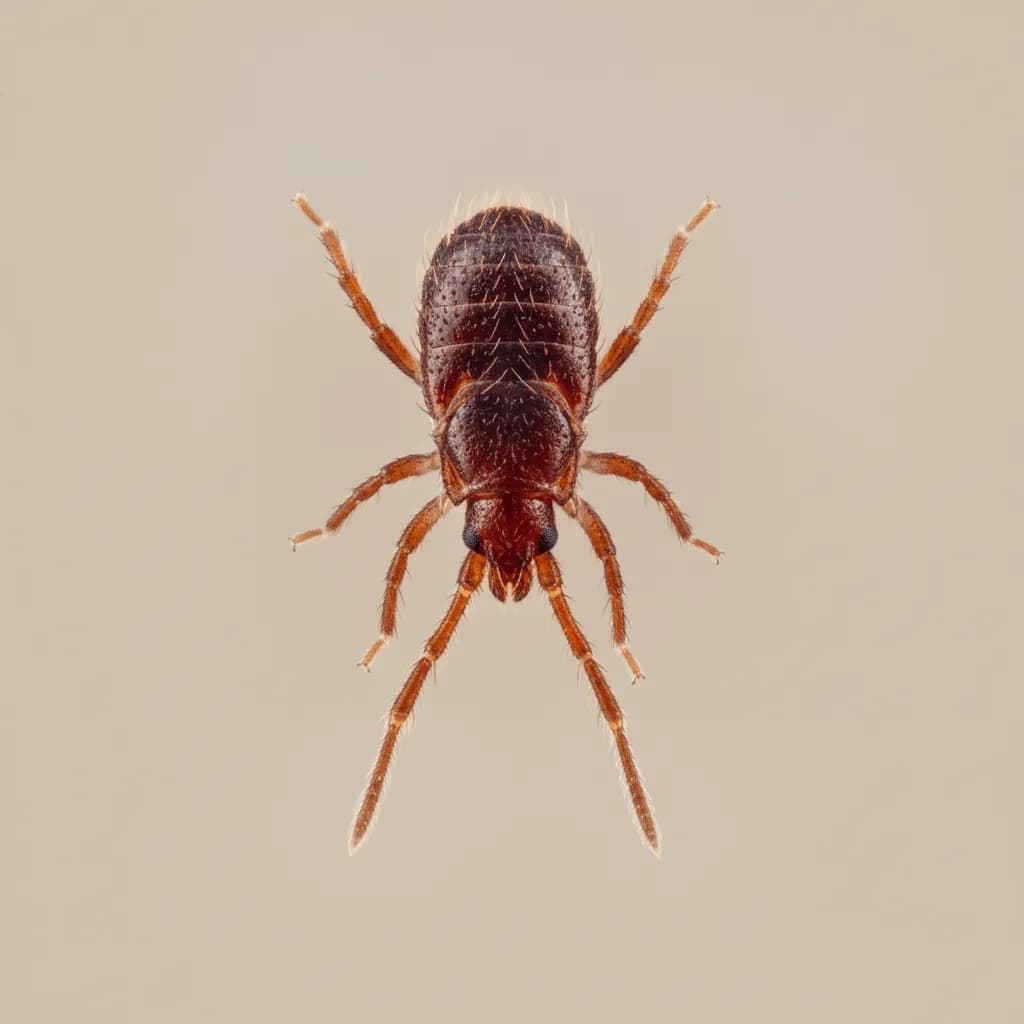
Clover Mite
Bryobia praetiosa
Clover mites are extremely small plant-feeding mites that invade homes in enormous numbers during spring and fall.
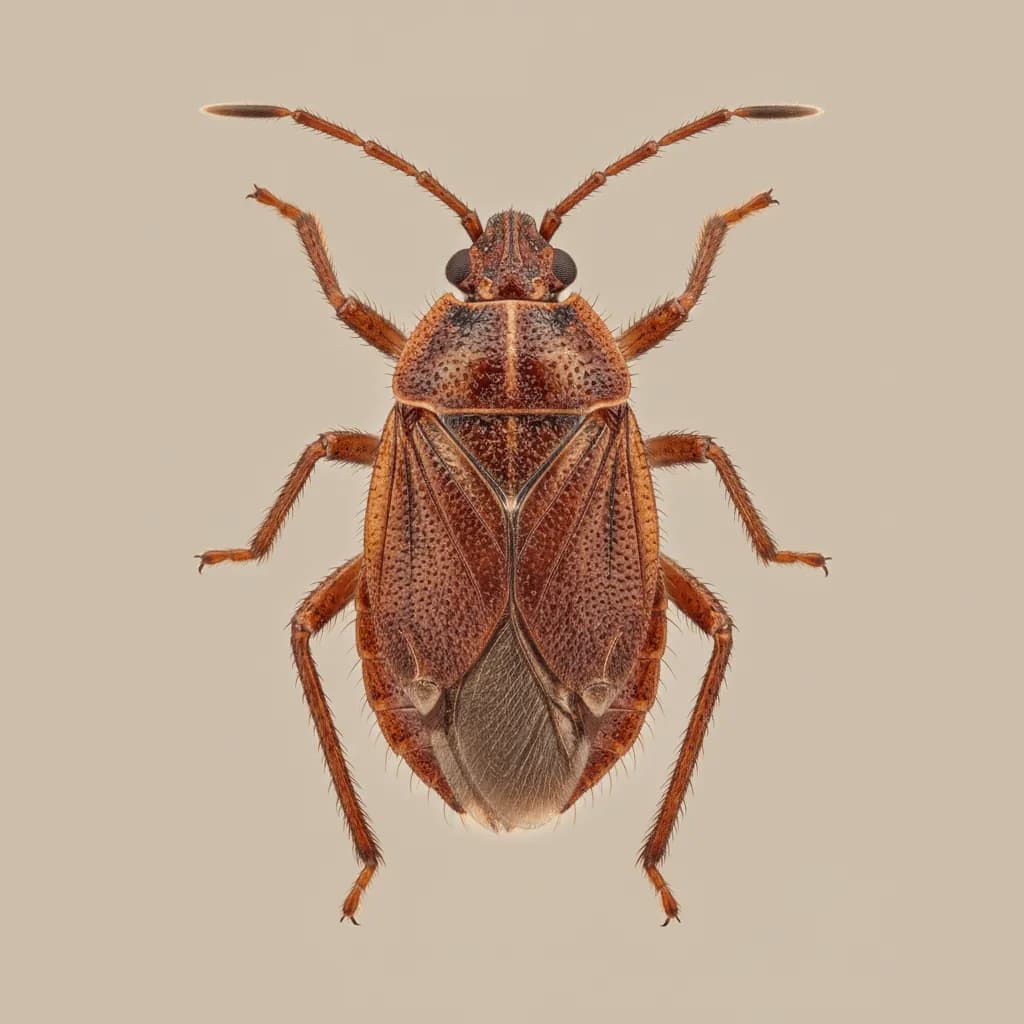
Swallow Bug
Oeciacus vicarius
The Swallow Bug is a blood-feeding parasite of cliff swallows and barn swallows.
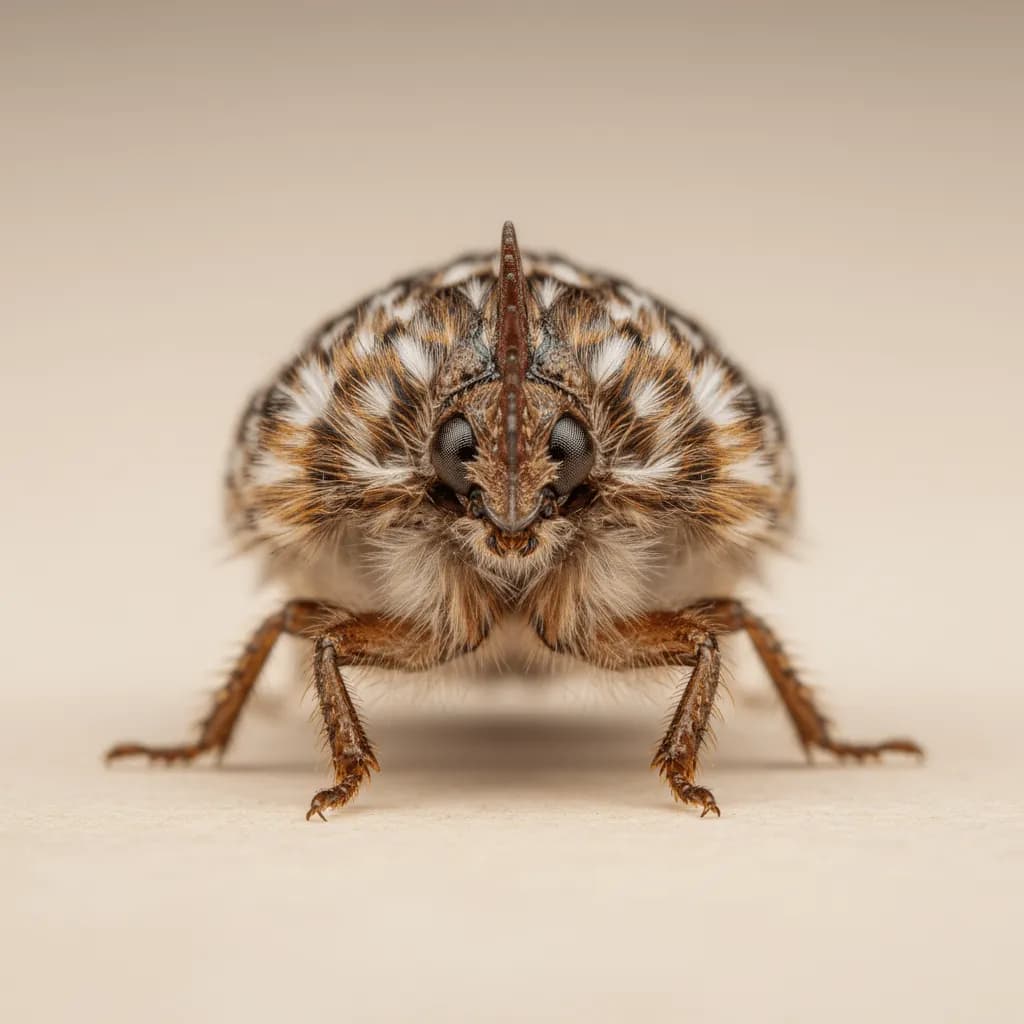
Poultry Bug
Haematosiphon inodorus
The Poultry Bug is a blood-feeding parasite of chickens, turkeys, and other domestic and wild birds.
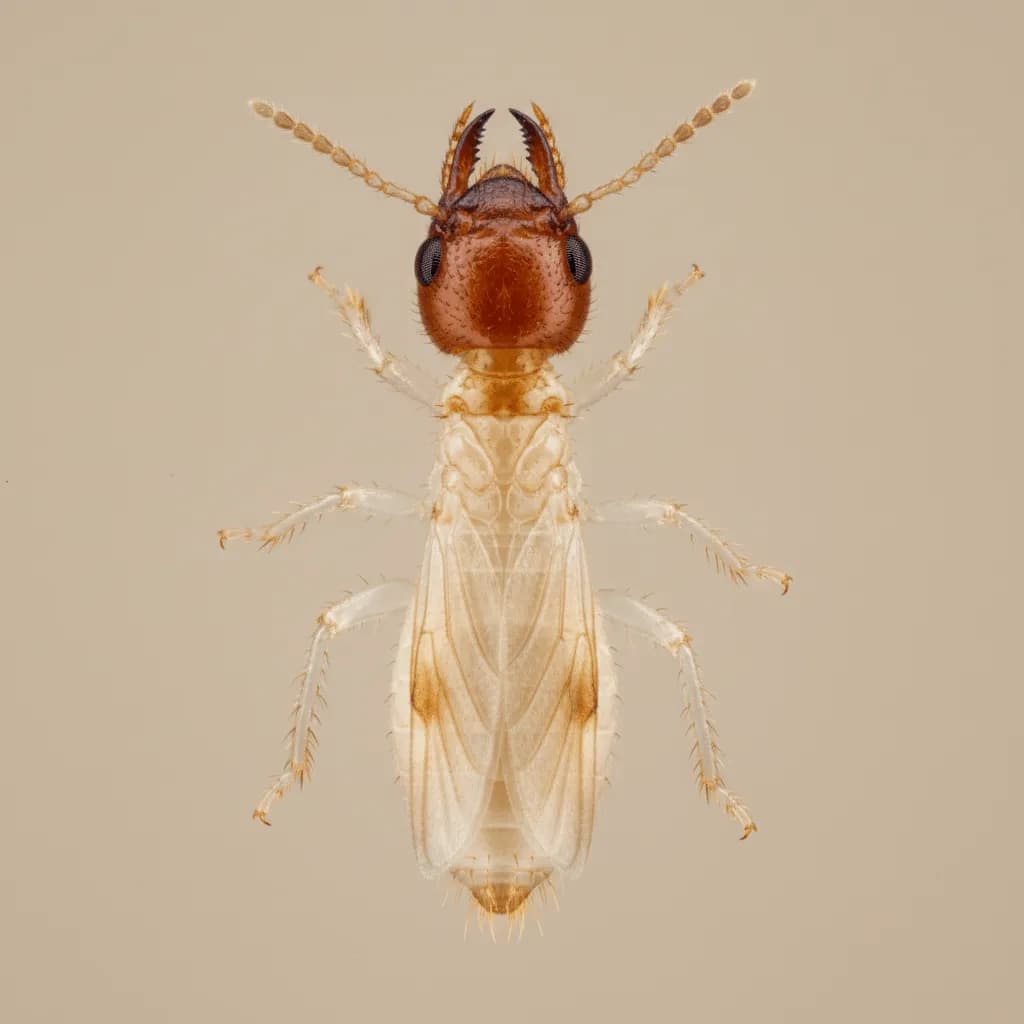
Arid-Land Subterranean Termite
Reticulitermes tibialis
The Arid-Land Subterranean Termite is the most widely distributed subterranean termite in the western United States.
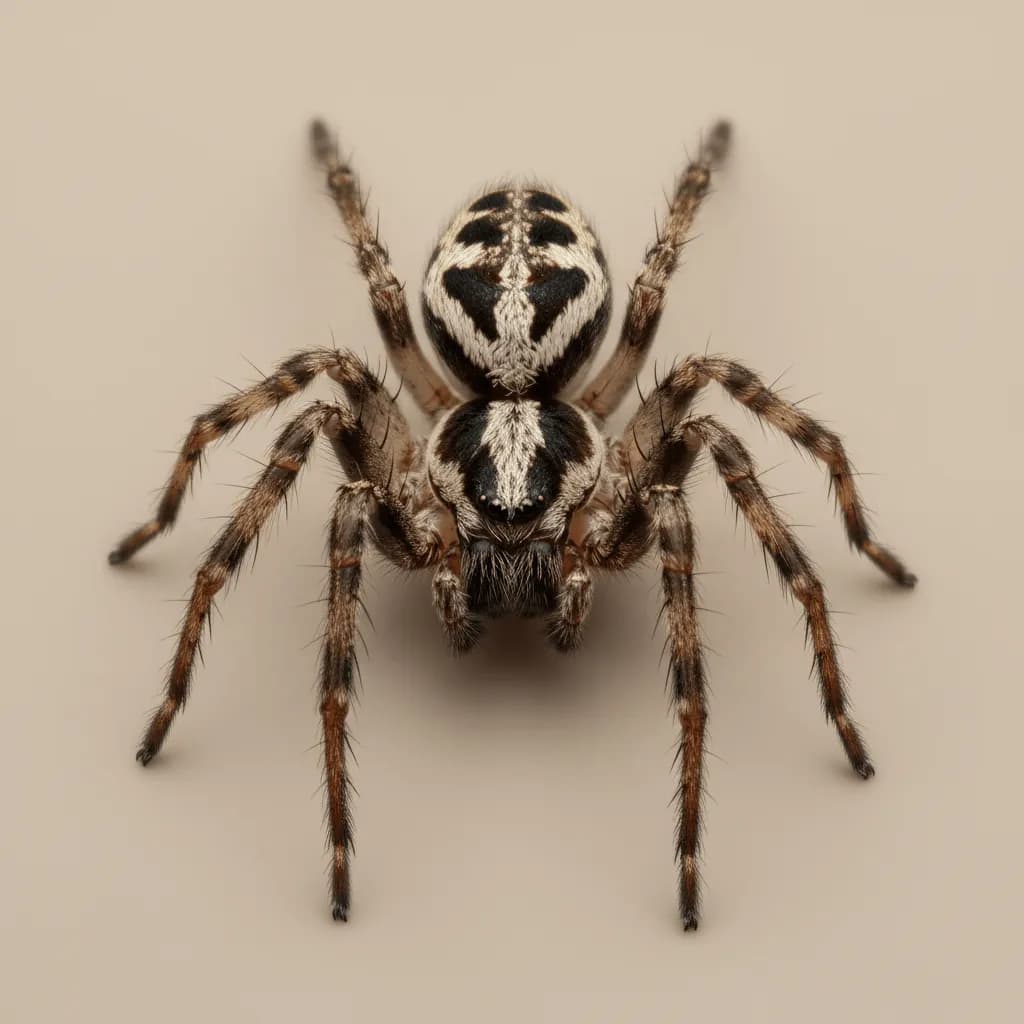
Parson Spider
Herpyllus ecclesiasticus
The Parson Spider is named for the distinctive white marking on its abdomen that resembles the cravat worn by clergy in the 18th century.
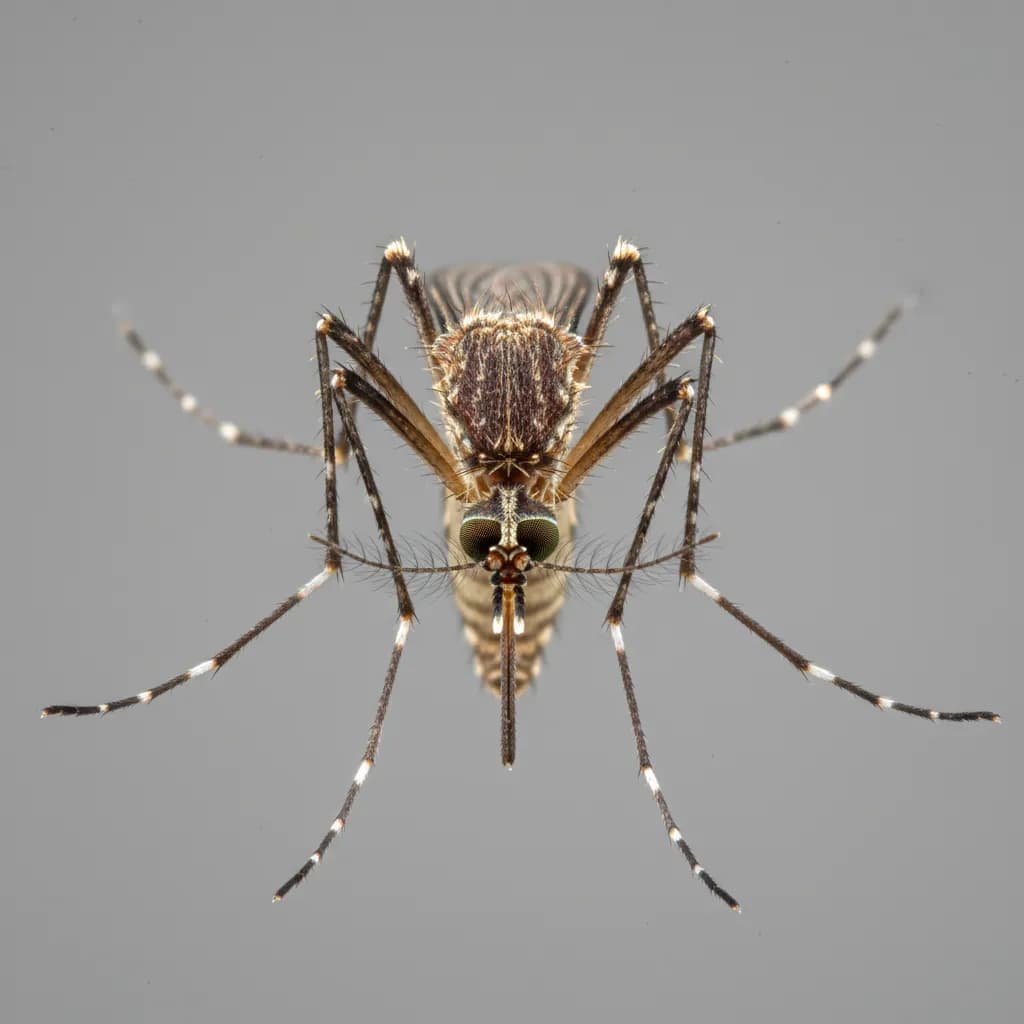
Western Encephalitis Mosquito
Culex tarsalis
The Western Encephalitis Mosquito is the most medically important mosquito species in the western United States.
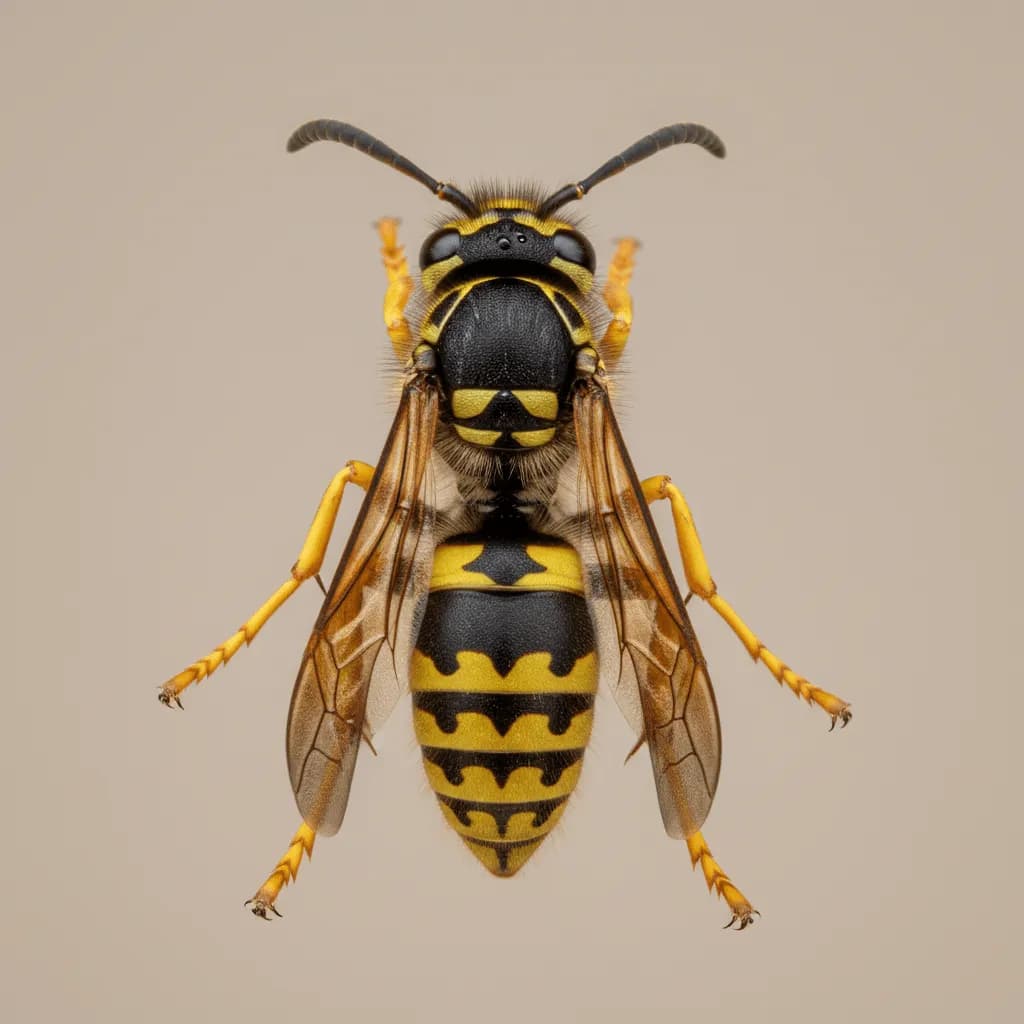
Western Yellowjacket
Vespula pensylvanica
The Western Yellowjacket is the dominant yellowjacket species throughout the western United States and is responsible for the vast majority of stinging incidents in the region.
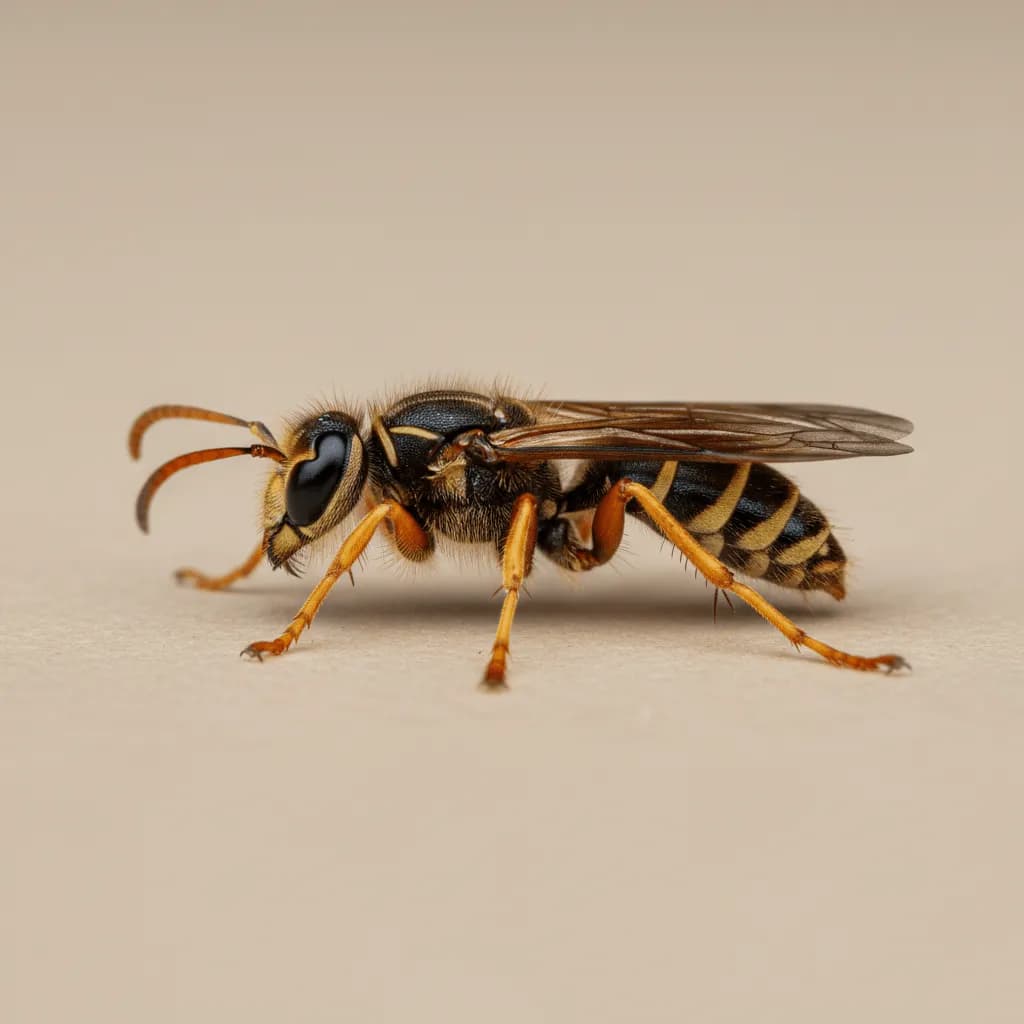
Great Golden Digger Wasp
Sphex ichneumoneus
The Great Golden Digger Wasp is a large, strikingly colored solitary wasp that nests in the ground.
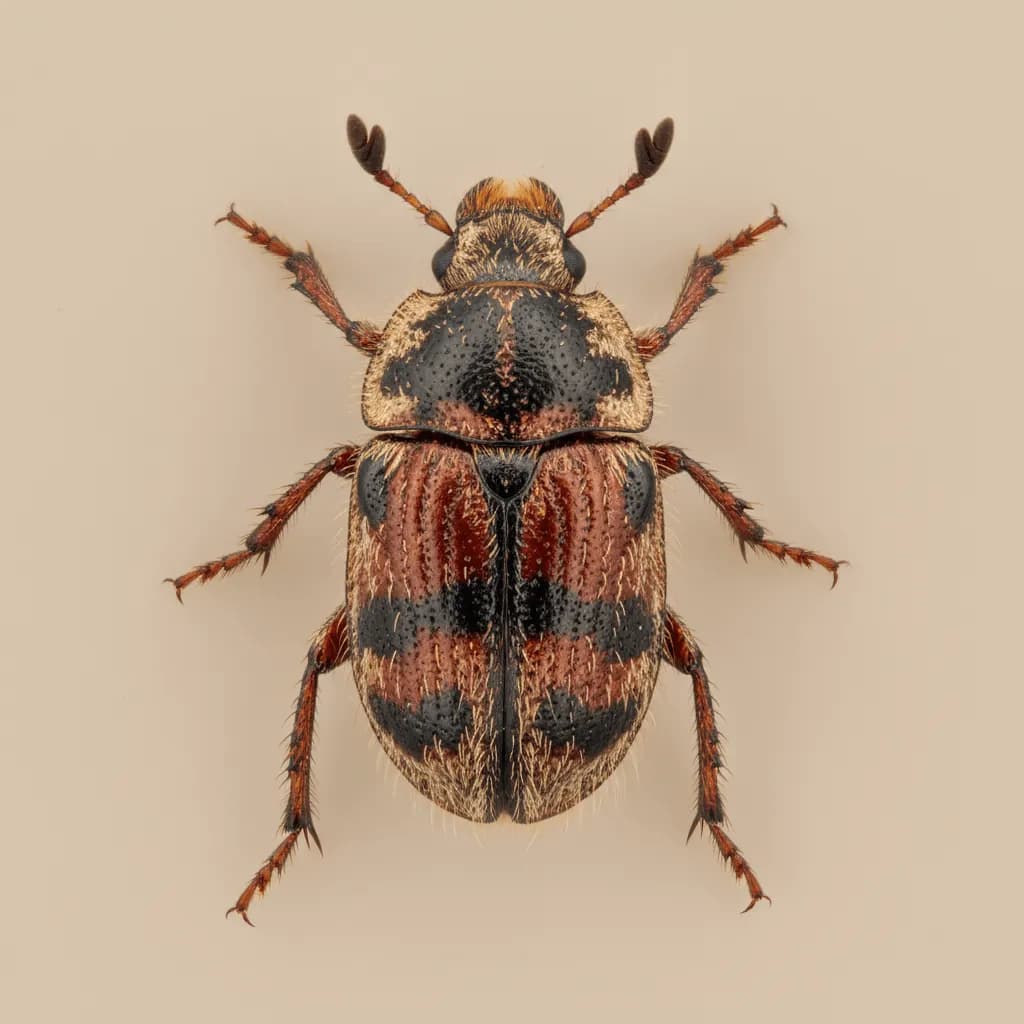
Warehouse Beetle
Trogoderma variabile
The Warehouse Beetle is one of the most common and economically important stored product pests in the United States.
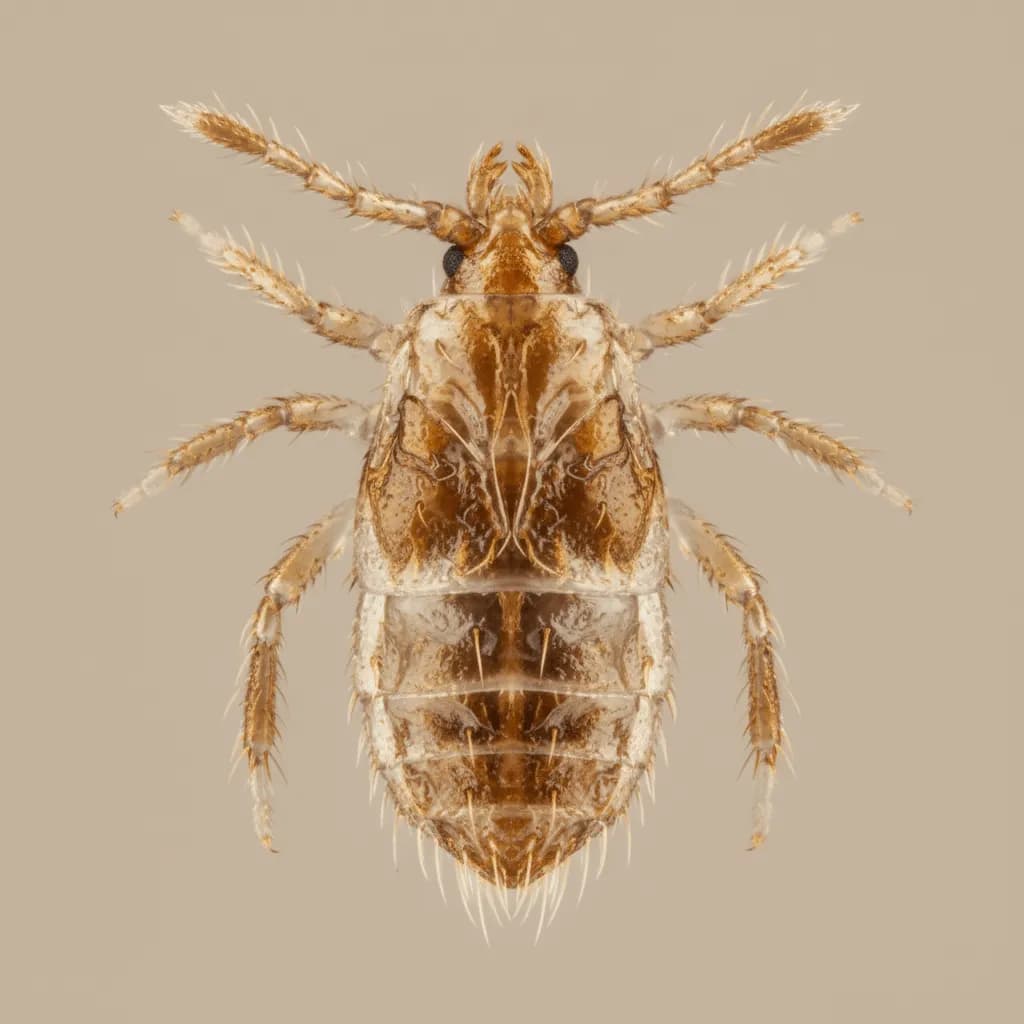
Grain Mite
Acarus siro
The Grain Mite is a microscopic stored product pest that thrives in high-humidity conditions.
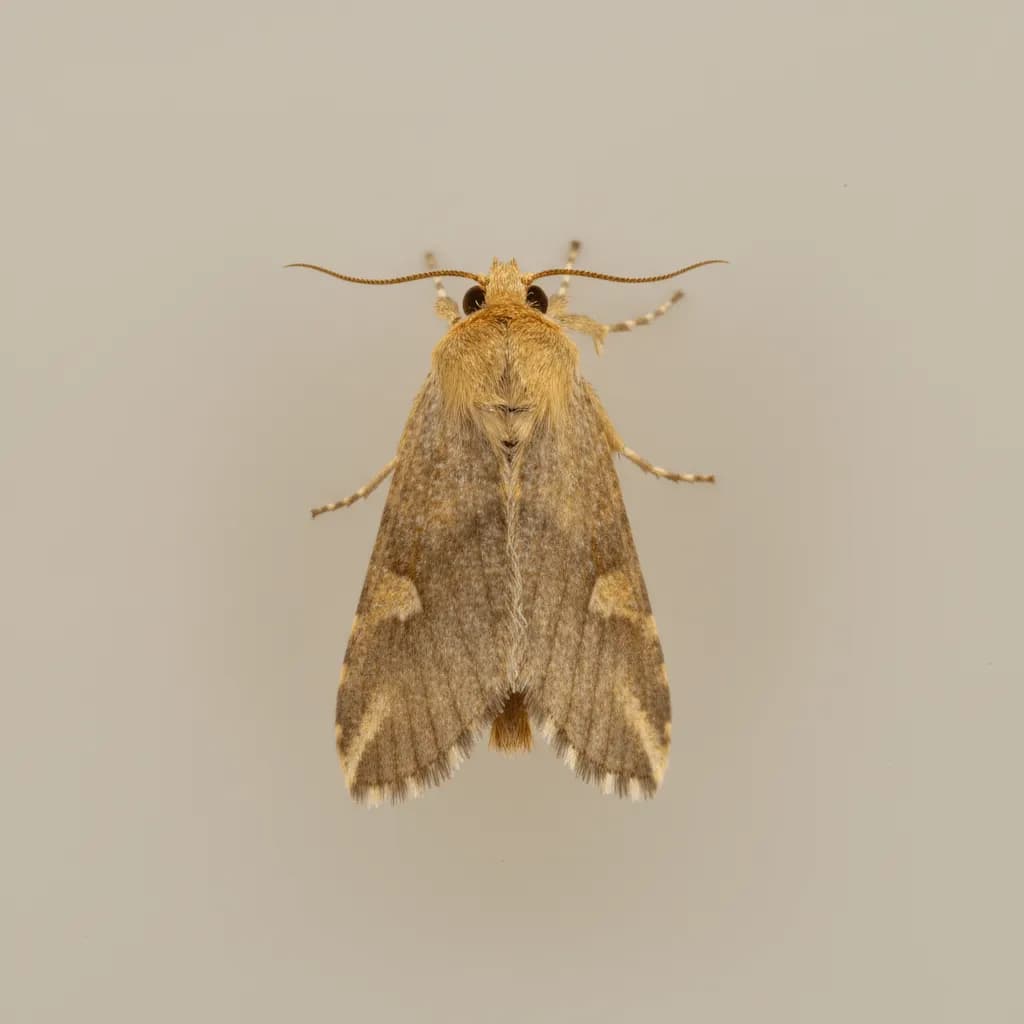
Angoumois Grain Moth
Sitotroga cerealella
The Angoumois Grain Moth is a significant pest of whole stored grain, particularly corn, wheat, and barley.
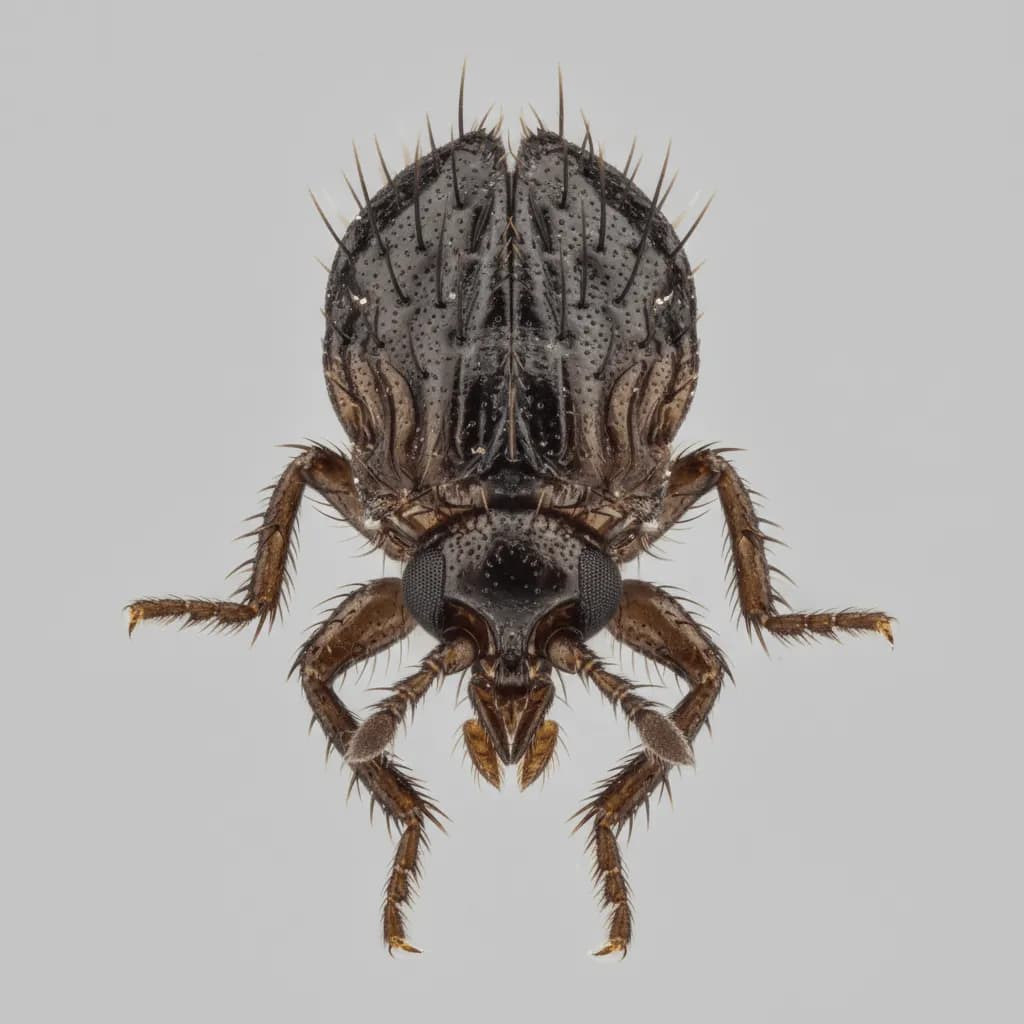
Human Flea
Pulex irritans
The Human Flea was once the dominant flea species found on people and is historically associated with plague transmission alongside the oriental rat flea.
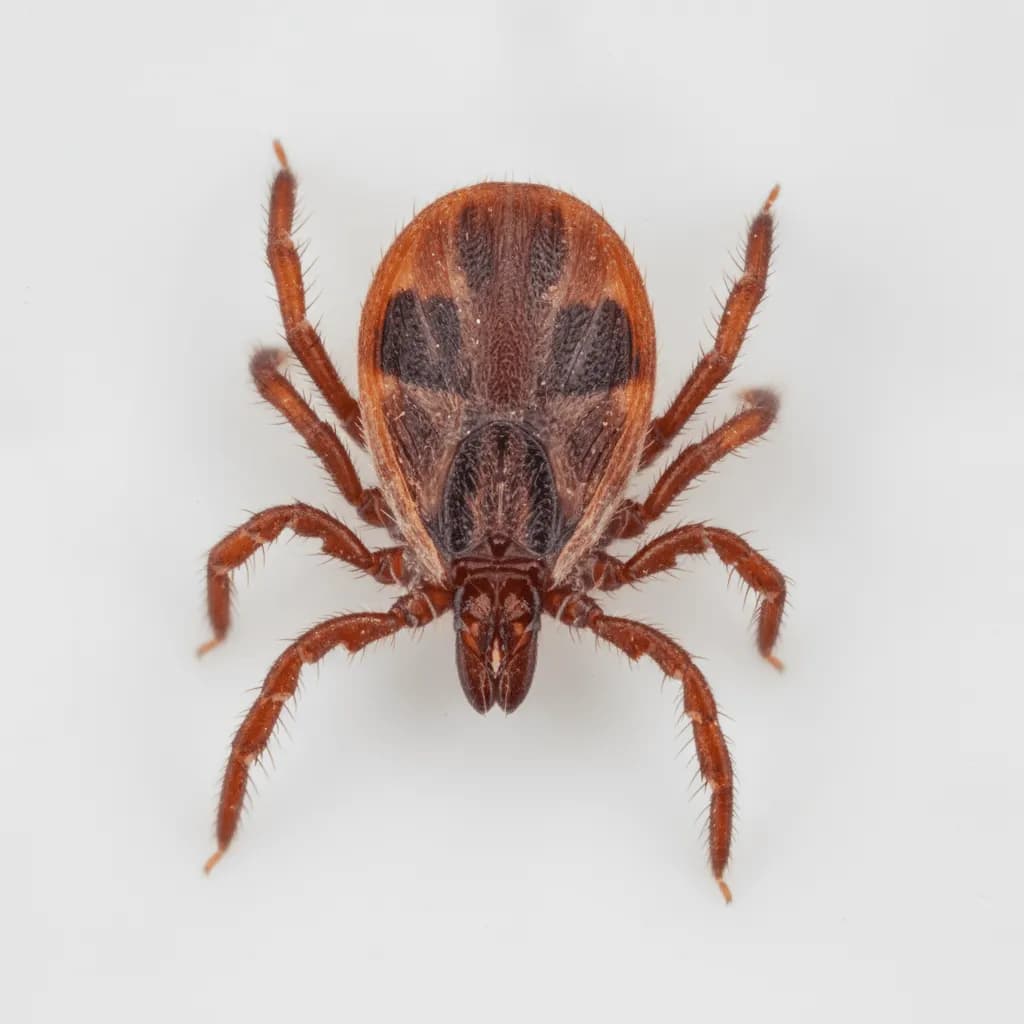
American Dog Tick
Dermacentor variabilis
The American Dog Tick is one of the most frequently encountered ticks in the eastern two-thirds of the United States.
+36 more pests common in this region
States in This Region
Need Help With Pests in the Great Plains?
Pest challenges in the Great Plains are shaped by local climate, housing styles, and seasonal patterns. Lotus Pest Control delivers targeted treatment based on what's actually active in your area.